
Gwangju · South Korea
M+M: The Day of the Mantis at the 16th Gwangju Biennale
Luxembourg Pavilion's immersive insect-centric film trilogy explores ecological anxiety and non-human perspectives
A Macro Lens on Human Frailty
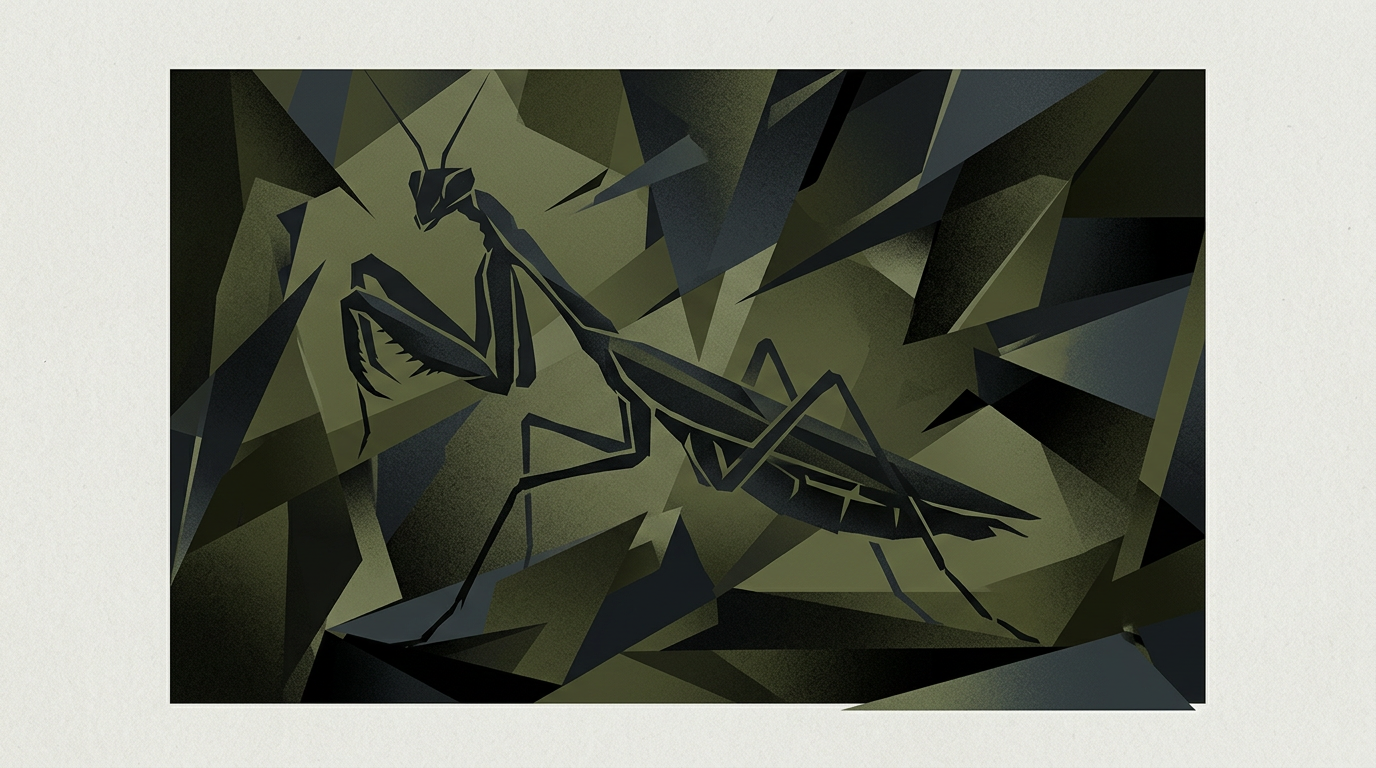
The Casino Luxembourg Pavilion arrives at the sixteenth edition of the Gwangju Biennale with a striking audiovisual proposition. Titled The Day of the Mantis, the presentation features new work by the Luxembourgish-German collective M+M, comprising Marc Weis and Martin De Mattia. Running from early September through mid-November 2026 within the Gwangju Museum of Art, the project refracts contemporary unease through the eyes of arthropods. Rather than offering a conventional survey, the pavilion constructs a fragmented cinematic landscape where insects navigate miniature replicas of human infrastructure.
Stereoscopic Worlds and Instinctive Gestures
Visitors encounter a trilogy of moving images: Mad Mieter from 2019, Club Bunker recorded in 2023, and the recently completed Silent Odd. Each piece utilises stereoscopic macro cinematography, demanding that audiences wear polarised spectacles to experience the full depth of the compositions. By positioning the camera mere millimetres from praying mantises and stick insects, the creators generate an uncanny physical closeness. These creatures traverse meticulously built dioramas resembling domestic flats, fortified shelters, nightlife venues, and orbital vessels. Transparent screens and layered soundscapes fracture the viewing experience, preventing any single narrative from dominating. The result is a continuous yet disjointed atmosphere where biological impulses intersect with constructed environments.
Thematic Currents and Philosophical Underpinnings
The trilogy operates as a mirror for modern anxieties. The earliest work examines social detachment and dwindling compassion within confined living areas, while the middle chapter investigates the tension between nocturnal indulgence and underlying hostility. The final segment projects a trajectory toward extraterrestrial refuge, responding directly to planetary degradation. Such imagery aligns closely with philosopher Rosi Braidotti's theoretical framework regarding the radical repositioning of the subject. By abandoning anthropocentric storytelling, the installation urges spectators to recalibrate their understanding of coexistence across vastly different scales of life. This methodological shift naturally complements the biennale's overarching mandate to fundamentally alter human conduct, suggesting that survival depends on relinquishing hierarchical dominance over other species.
Institutional Milestones and Curation
This engagement represents the inaugural appearance of Casino Luxembourg at the South Korean festival. It also coincides with the institution's thirtieth anniversary, signalling a deliberate expansion of its global outreach beyond European circuits. The partnership with M+M stretches back over a decade, originating from a solo show in 2015 and evolving into a curatorial appointment two years later. Kevin Muhlen oversees the pavilion's organisation, ensuring the project maintains the gallery's tradition of sustained artistic development rather than fleeting commercial displays. Financial backing derives from regional arts councils and aviation partners, facilitating the technical demands of large-scale projection and immersive audio design.
Related reading
Birke Gorm: the evening and the morning and the night at the Gwangju Biennale
Austria's national pavilion reimagines a museum loft as a living archive of repurposed sculpture and hidden histories.
The Austrian Pavilion transforms an upper-floor gallery into a tactile attic, exploring material memory and marginalised narratives through sculpture and sound.

Vibe Era: Contemporary Abstraction and the Rise of Atmosphere
How four artists reframe non-representational practice through organic process and visual mutation
The Ilmin Museum of Art's latest survey examines how contemporary abstraction navigates the tension between historical legacy and algorithmic generation.
The Look is A Li(k)e at the Gwangju Biennale
Interrogating visual culture and national identity at the 16th Gwangju Biennale
Irene Campolmi curates the Italian Pavilion, assembling five artists to examine how digital validation and social fabrication actively shape contemporary perception.