
Gwangju · South Korea
Vibe Era: Contemporary Abstraction and the Rise of Atmosphere
How four artists reframe non-representational practice through organic process and visual mutation
Redefining Abstract Practice
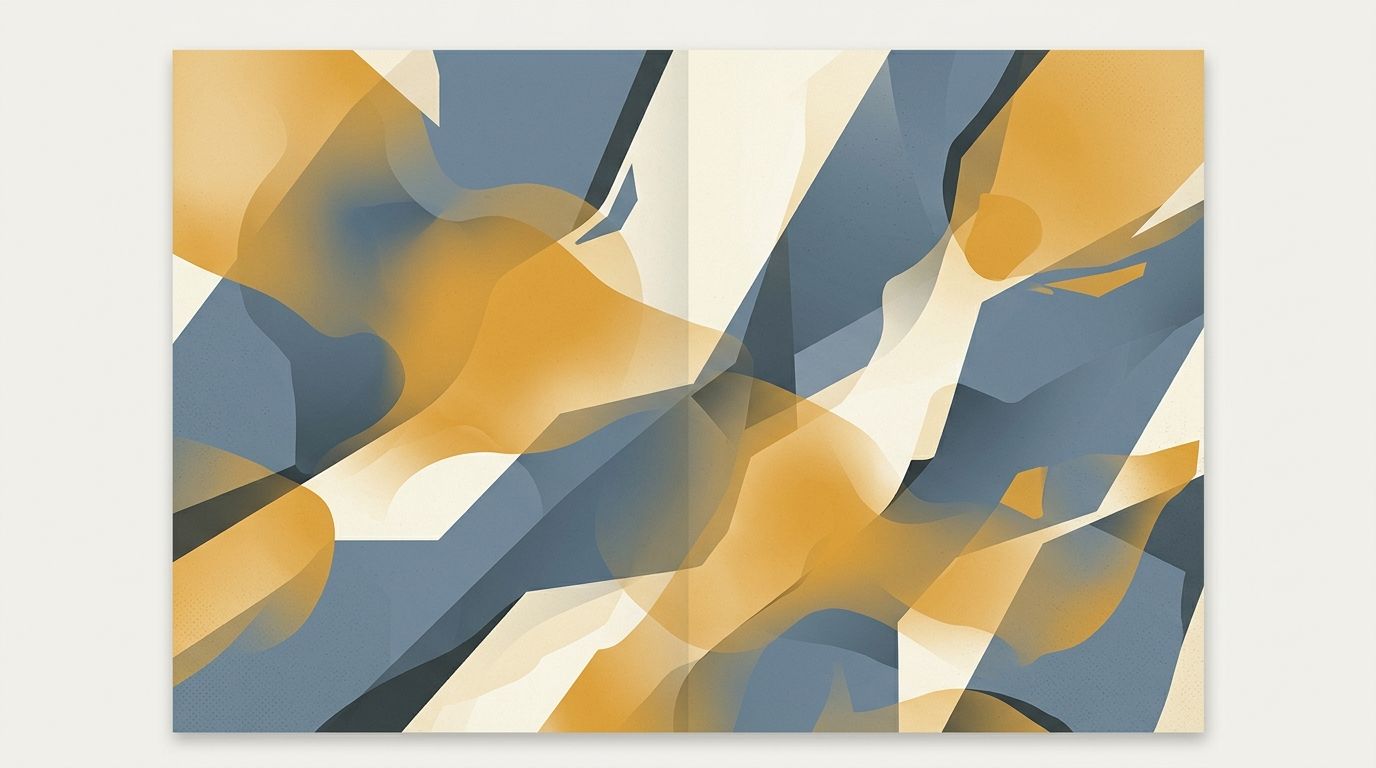
When a prevailing atmosphere begins to overshadow formal evaluation, traditional criteria for artistic merit inevitably shift. The upcoming group show at the Ilmin Museum of Art investigates this transition by positioning contemporary abstraction as a vital precursor to such cultural changes. Under the direction of Kim Taeryung, the institution invites four practitioners—Park Rim, Park Junghae, Park Hyunjung, and Han Jihyoung—to examine how visual language evolves when certainty gives way to ambiguity. Rather than treating non-representational work as a static relic, the presentation frames it as a living system that mirrors biological development.
Over the last decade, abstract art has faced sustained scrutiny regarding both its cultural relevance and its historical standing. Critics frequently dismiss it as mere ornamentation or a market-friendly asset, arguing that it ignores pressing socio-political issues. Simultaneously, some scholars view it as an outdated fragment of modernism, stripped of any urgent purpose. These arguments often loop back on themselves, reinforcing a narrative of creative stagnation. Yet, in a period where historical styles are instantly accessible without their original context, abstraction actually offers the clearest lens for understanding how images operate today. The rise of computational tools acts much like a conceptual sieve, proving that contemporary non-representational practice cannot be confined to painterly traditions or rigid scholarly categories. If we consider abstraction as a mechanism for producing visuals, then atmosphere becomes the primary indicator of how those mechanisms function.
Material Mutations and Evolving Forms
The works selected for this survey deliberately reject the notion of pristine neutrality or isolated picture-based realms. Instead, the featured creators employ fluid methodologies where physical substances, instruments, and personal archives interact continuously. Shapes surface gradually through iterative experimentation, resembling living entities adapting to their surroundings. Every decision establishes the parameters for subsequent actions, echoing how minor genetic variations eventually produce distinct evolutionary paths. Much like natural selection, these studio practices rely on disparate components colliding and altering each other. Within frameworks built on temporary arrangements, techniques such as layering and scraping, creasing and smoothing, archiving and tearing, dispersing and curing, assembling and breaking down allow unforeseen alterations to occur.
This approach recalls classical botanical studies where altered structures reveal underlying developmental patterns. A transformed bloom might generate fresh shoots that blend floral and foliar characteristics, demonstrating that every new growth remains tethered to earlier stages. Such transformations expose the hidden architecture of creation itself. Similarly, the selected abstract pieces do not chase direct representation nor seek to construct self-contained domains. They pursue a distinct path entirely.
Sensing the System Behind the Mood
Visual compositions generated within this framework maintain subtle disruptions and variations that exist beneath superficial moods. These pictures carry the fingerprints of pause, adjustment, and intentional tempo—elements that pure feeling alone cannot account for. They materialise the physical encounter of something gradually crystallising. Atmospheric force flourishes on the conviction that limits are porous and that substances can adopt countless forms. Rather than supporting or rejecting this flexibility, the featured works reveal that every developing composition retains the history of earlier choices. By August 2026, viewers will have the chance to observe how current creators explore the terrain between past remnant and tomorrow potential, confirming that abstract practice continues inextricably linked to contemporary circumstances of visual production.
Related reading
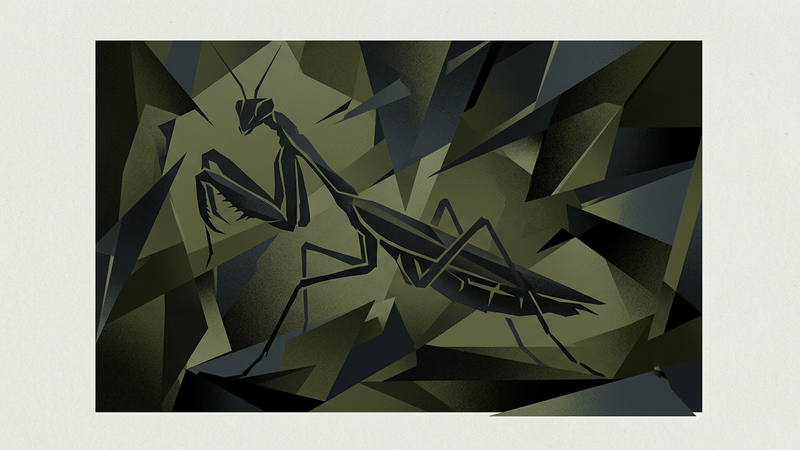
M+M: The Day of the Mantis at the 16th Gwangju Biennale
Luxembourg Pavilion's immersive insect-centric film trilogy explores ecological anxiety and non-human perspectives
A new cinematic installation by Marc Weis and Martin De Mattia refracts contemporary unease through the eyes of arthropods at South Korea's premier contemporary art festival.
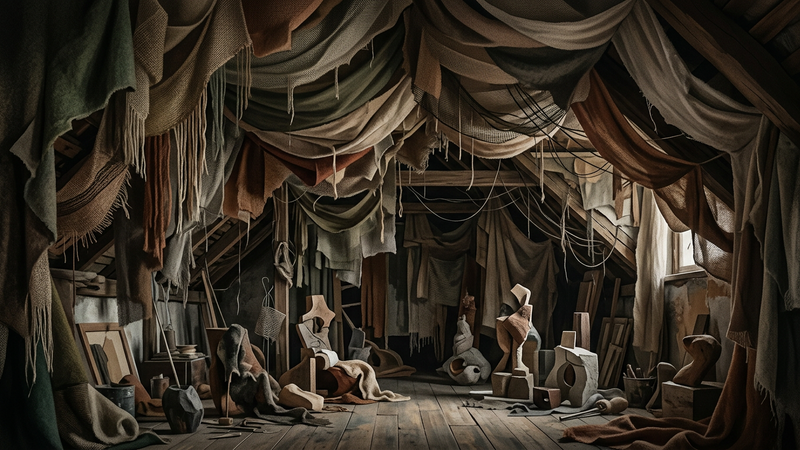
Birke Gorm: the evening and the morning and the night at the Gwangju Biennale
Austria's national pavilion reimagines a museum loft as a living archive of repurposed sculpture and hidden histories.
The Austrian Pavilion transforms an upper-floor gallery into a tactile attic, exploring material memory and marginalised narratives through sculpture and sound.
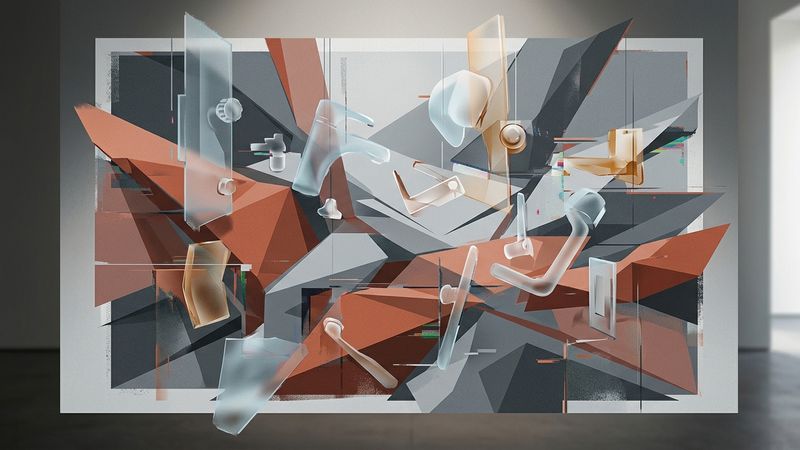
The Look is A Li(k)e at the Gwangju Biennale
Interrogating visual culture and national identity at the 16th Gwangju Biennale
Irene Campolmi curates the Italian Pavilion, assembling five artists to examine how digital validation and social fabrication actively shape contemporary perception.