

Abu Dhabi · United Arab Emirates
Frieze Abu Dhabi opens with strong sales and local nuance
The inaugural fair blends global Frieze structure with regional traditions, drawing collectors despite geopolitical uncertainty.
The inaugural Frieze Abu Dhabi opened its doors on 19 November. By 22 November, the Manarat Al Saadiyat venue was buzzing. Sales were solid across many stands. Guests lingered in the garden, drinking champagne and eating pizza. It felt less like a transactional grind and more like a gathering.
One Dubai collector noted the difference. "They're looking after us very well here," he said. Unlike other fairs where pressure mounts, this space allowed breathing room. The art world in the region operates collegiately. Collectors came to support peers.
The fair itself was a hybrid. It succeeded Abu Dhabi Art, which has run since 2007 under various names. Now co-run by Frieze Fairs and the Department of Culture and Tourism (DCT), it mixed two distinct cultures. Ladies' Day remained. Sheikhas attended before the public opening. A pre-bound book of works circulated among royals. These are local traditions. Frieze added its own layer: tighter layout, better flow, sharper selection.
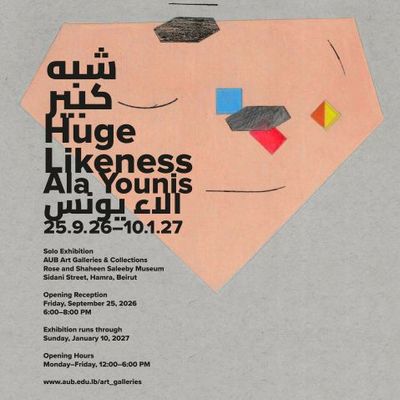
Taymour Grahne saw the shift. His gallery moved from New York to London, then settled in Dubai. He showed mosaics by Palestinian artist Ala Younis. Most sold by opening day. "The fair still has its Abu Dhabi Art soul but feels a lot tighter," Grahne observed.
Galleries rooted their presentations in Wanasa: West Asia, North Africa, South Asia. Cairo's Art Talks/Kanafani presented Samir Rafi. Half the Egyptian surrealist's works sold. Dubai's Ayyam Gallery showcased Sadik Kwaish Alfraiji. Other Dubai galleries performed strongly too. Lawrie Shabibi sold out Hamra Abbas's marble inlays at $50,000 each. Zawyeh Gallery moved half Mohammed Joha's collages. Tabari Artspace sold half its booth featuring Hazem Harb.
Prices ranged from ten-thousands to mid-hundred thousands. Western blue-chip galleries also arrived. Pace offered Emily Kame Kngwarreye's large-scale paintings. Prices sat between $80,000 and $750,000. Sales for these were slower. In the small Frieze Masters section, David Aaron sold a 2,000-year-old alabaster funerary stele from Yemen for seven figures.
New visitors appeared. Venus Williams attended. Museum heads flew in from Los Angeles, Singapore, and Aspen. Michael Govan spoke at the fair. Eugene Tan and Nicola Lees brought patrons groups. Indian and Pakistani collectors were less present than expected. The fair followed Art Mumbai closely.
Most galleries sold to new buyers. Many had flown in. Others lived in Abu Dhabi. The city's population swelled recently. Finance and tech sectors grew. Russians arrived after 2022 restrictions. Solidarity seemed palpable. One Beirut collector noted Art Basel Paris closed early due to riots. Arab art scenes pulled together under keener threats. People wanted to get on with things.
The Guggenheim Abu Dhabi opens next month. Twenty years in the making. Some VIPs chose the museum over the fair. The finished building contributed to anticipation. High-level tours previewed the site. General VIPs visited Public Art Abu Dhabi biennial, Nomad fair, Cultural Foundation, Bassam Freiha Art Foundation, and 421. Private collections were also shown. This itinerary would have been impossible five years ago.
Commercial galleries remain mostly in Dubai. Fostering an independent scene is key to DCT's partnership with Frieze. Two new cultural districts aim to change this. Noma on Saadiyat, led by Aldar. MiZa in Mina Zayed, led by Sheikha Salama Foundation. Both promise studios, galleries, and co-working spaces.
This requires loosening control. Partnerships with private enterprise are essential. Aaron Cesar, director of London's Delfina Foundation, sees a path developing. Patrons and collectors are emerging. But success depends on allowing artists, designers, writers, and curators to sit with those holding money and power.
Galleries mentioned





Museums mentioned
Exhibitions mentioned
Related reading
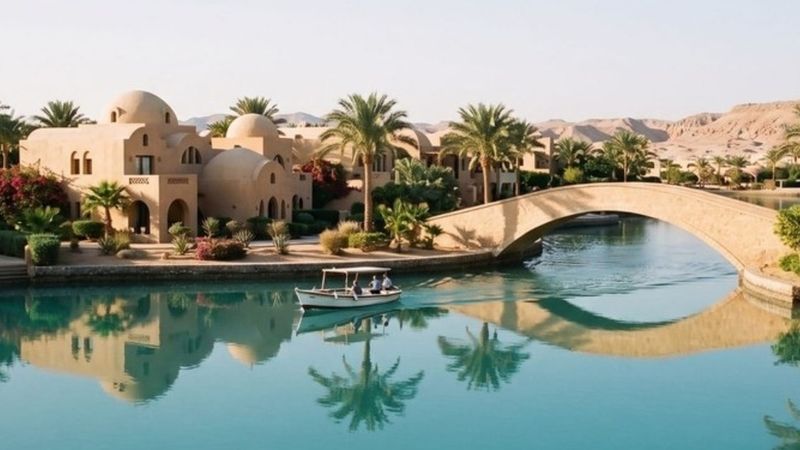
Why the Middle East Keeps Building Venice
From the Red Sea to the Gulf, canal towns keep getting called Venice. The water was usually about something else — and Venice was never quite Venice either.

Shafeena Yusuff Ali's unconventional approach to building an art foundation and gallery in Abu Dhabi
Restructuring the local art system through a split commercial gallery and non-profit foundation
Frieze Abu Dhabi and the Architecture of Ambition
How a twenty-year fair evolved into a state-backed gateway for the Arab art market