Neapolis Archaeological Site, Nabeul
The ancient port of Nabeul, where Rome salted its fish and a rich house kept a basin guarded by Oceanus.
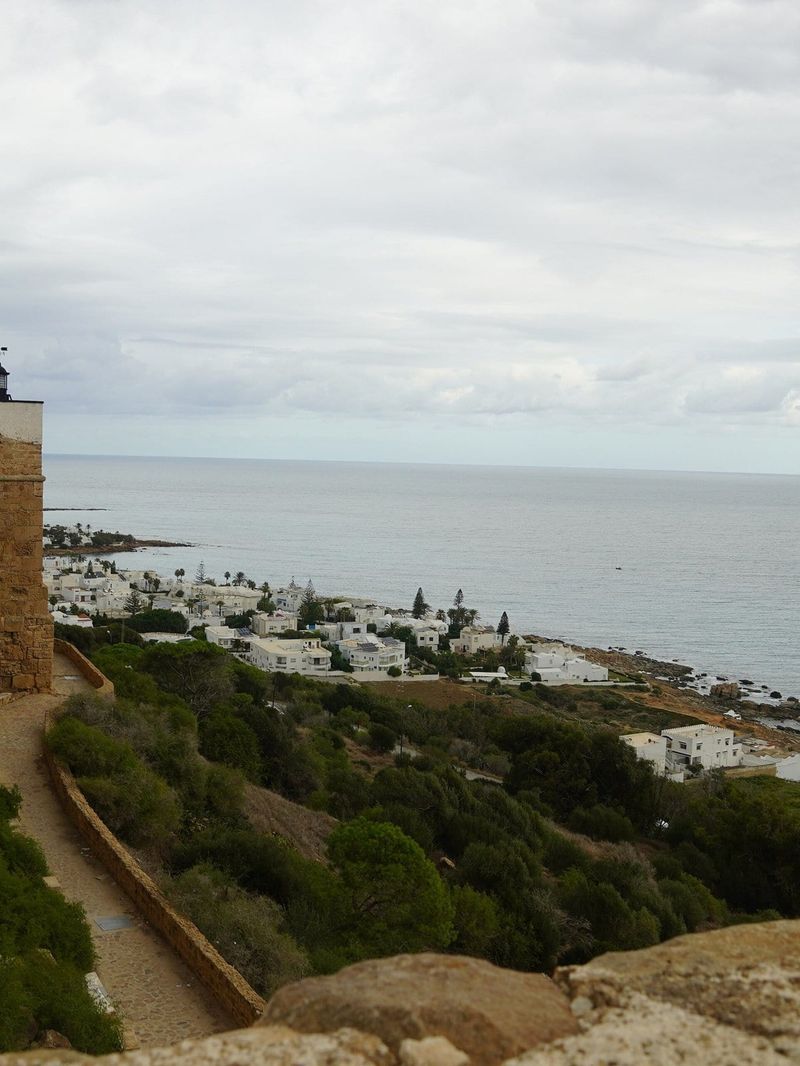
Neapolis is the ancient city beneath modern Nabeul, on the Gulf of Hammamet about eleven kilometres north-east of the medina of Hammamet. It is one of the oldest towns of the Cap Bon peninsula. The Greek historian Thucydides mentions it in 413 BC as a Carthaginian trading post.
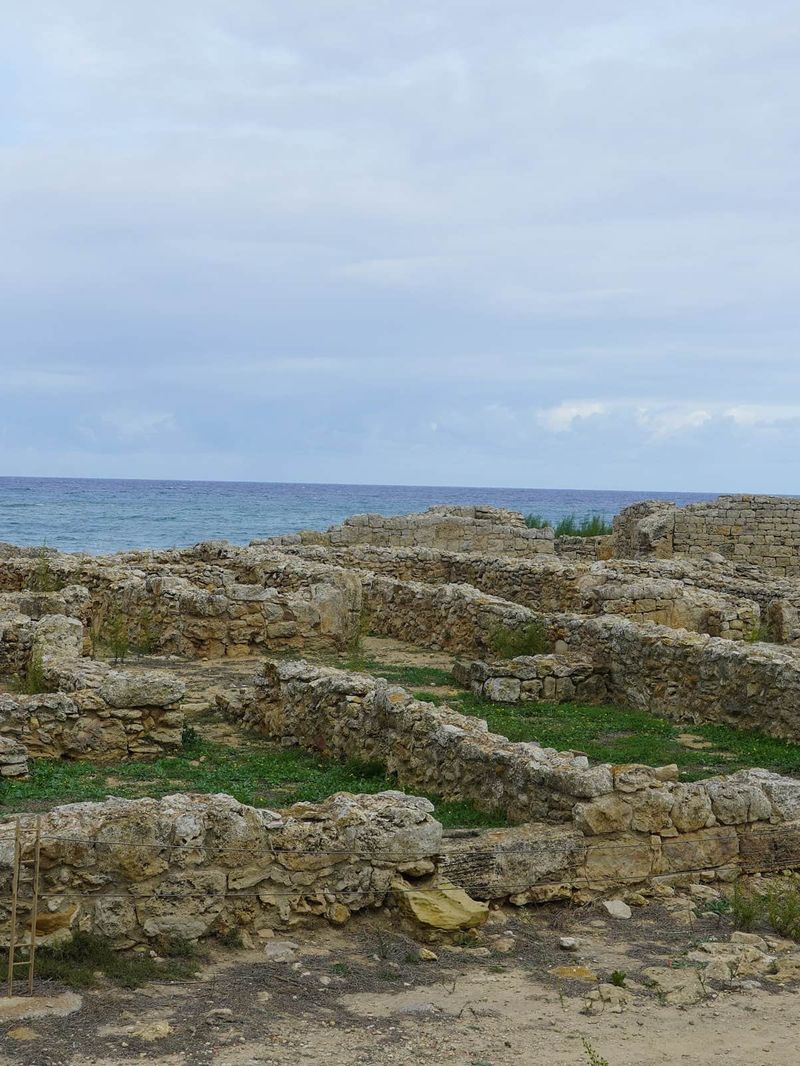
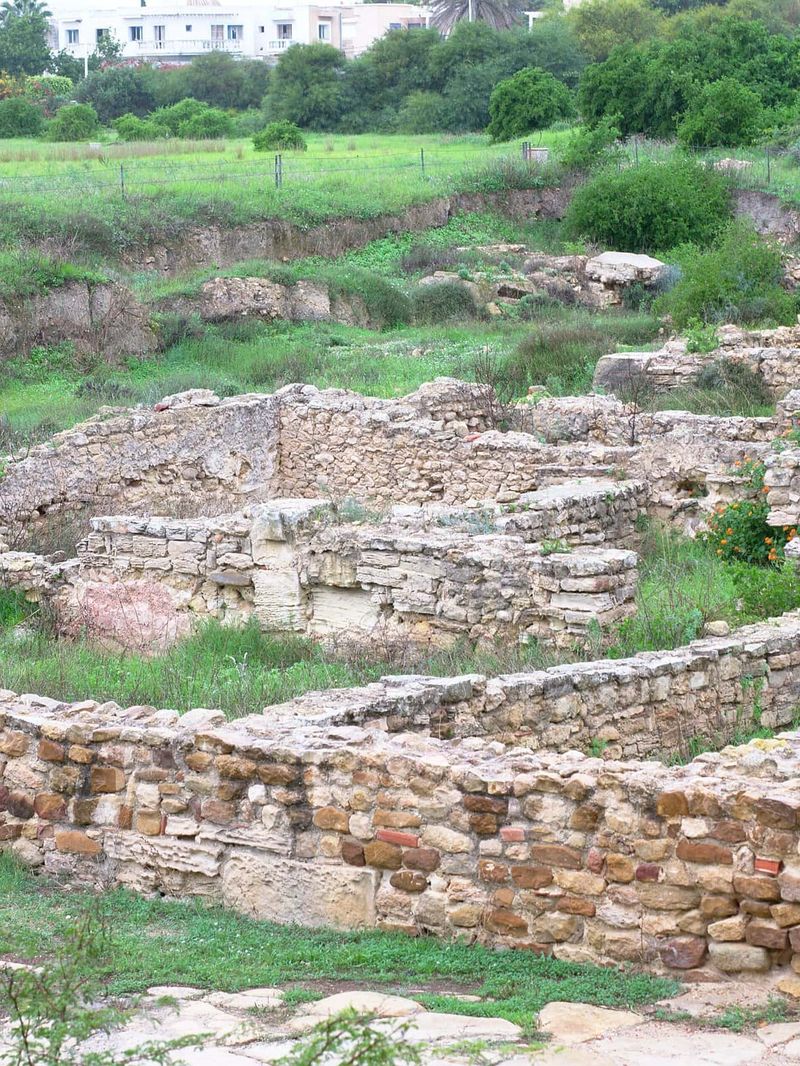
Neapolis sided with Carthage in the Third Punic War and was punished by Rome in 148 BC. A century later it backed Julius Caesar in the civil war in Africa and was soon refounded as a Roman colony, Colonia Iulia Neapolis. Its wealth came from the sea. The town had a whole district of fish-salting works where garum, the fermented fish sauce of the Roman kitchen, was made and shipped across the Mediterranean. The number of vats found here makes it one of the largest garum centres known in the Roman world. In late antiquity the sea swallowed the port and part of the city.
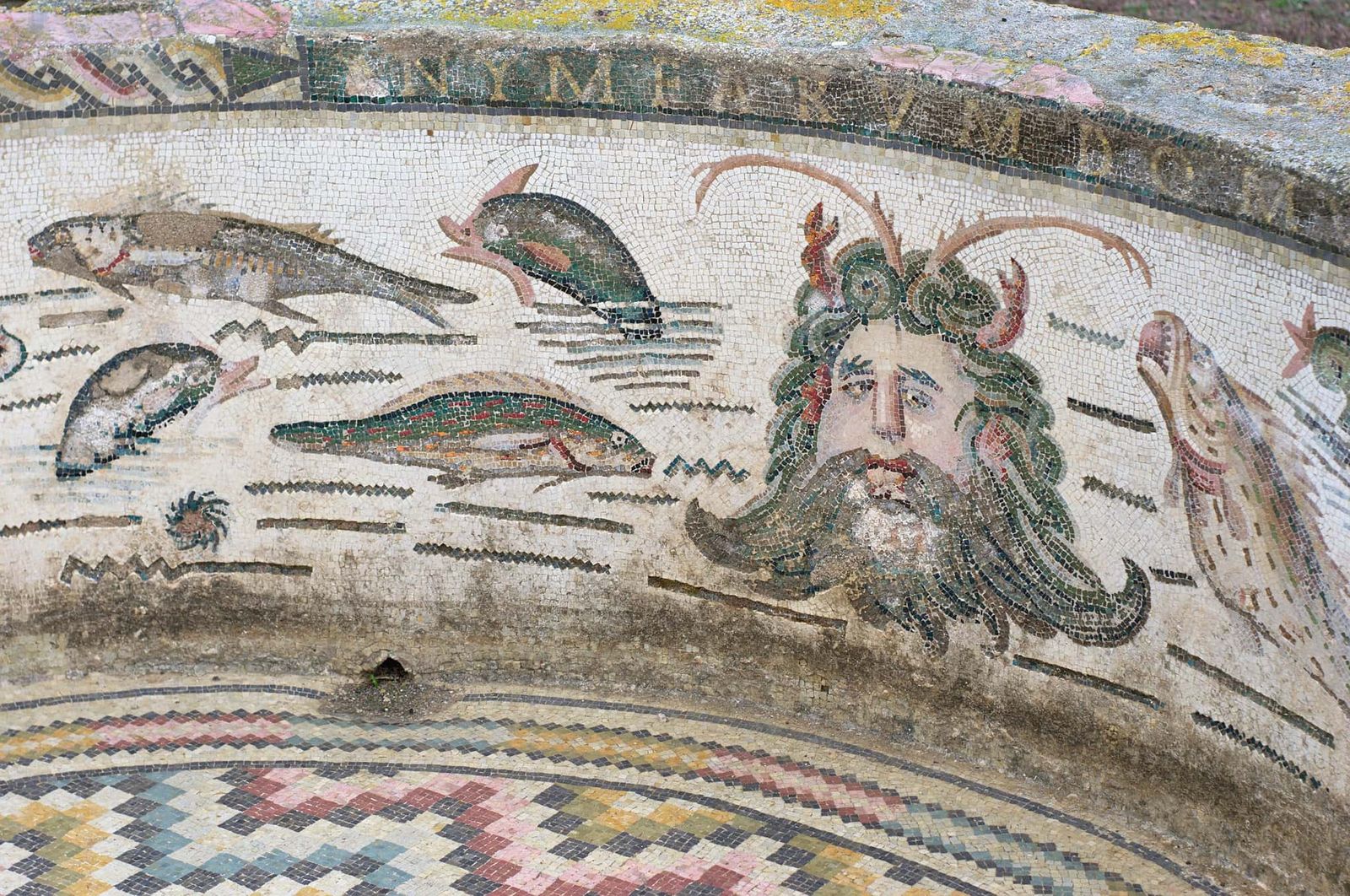
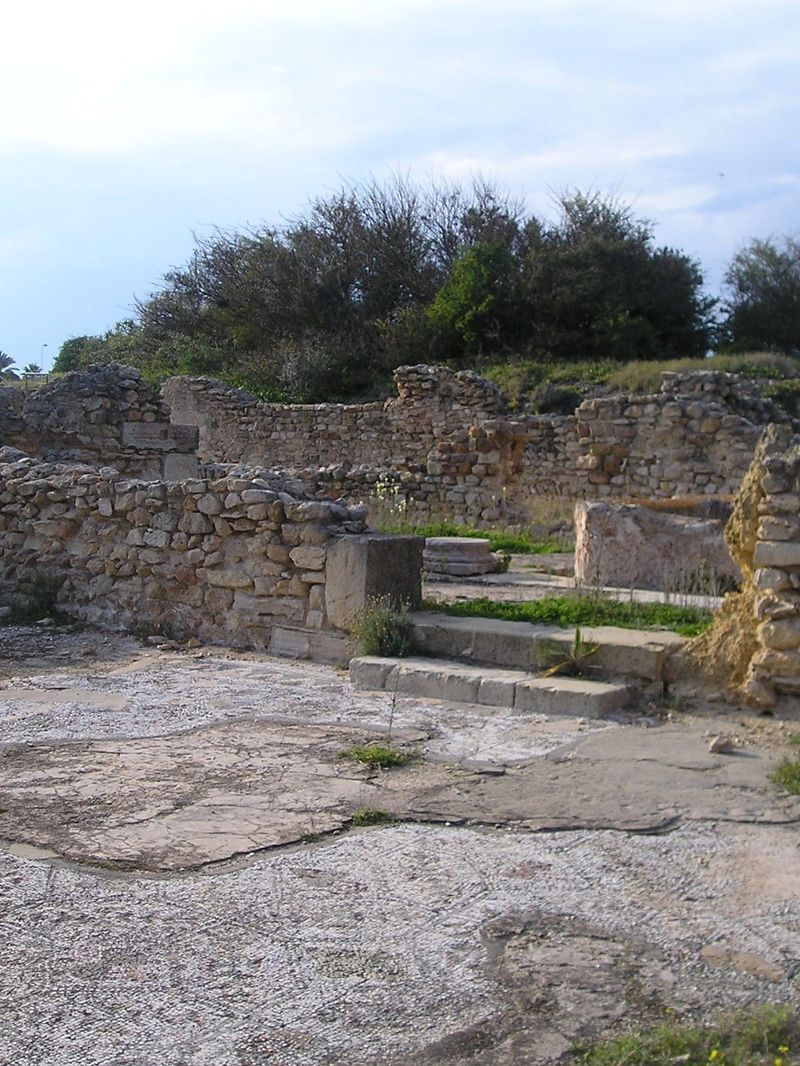
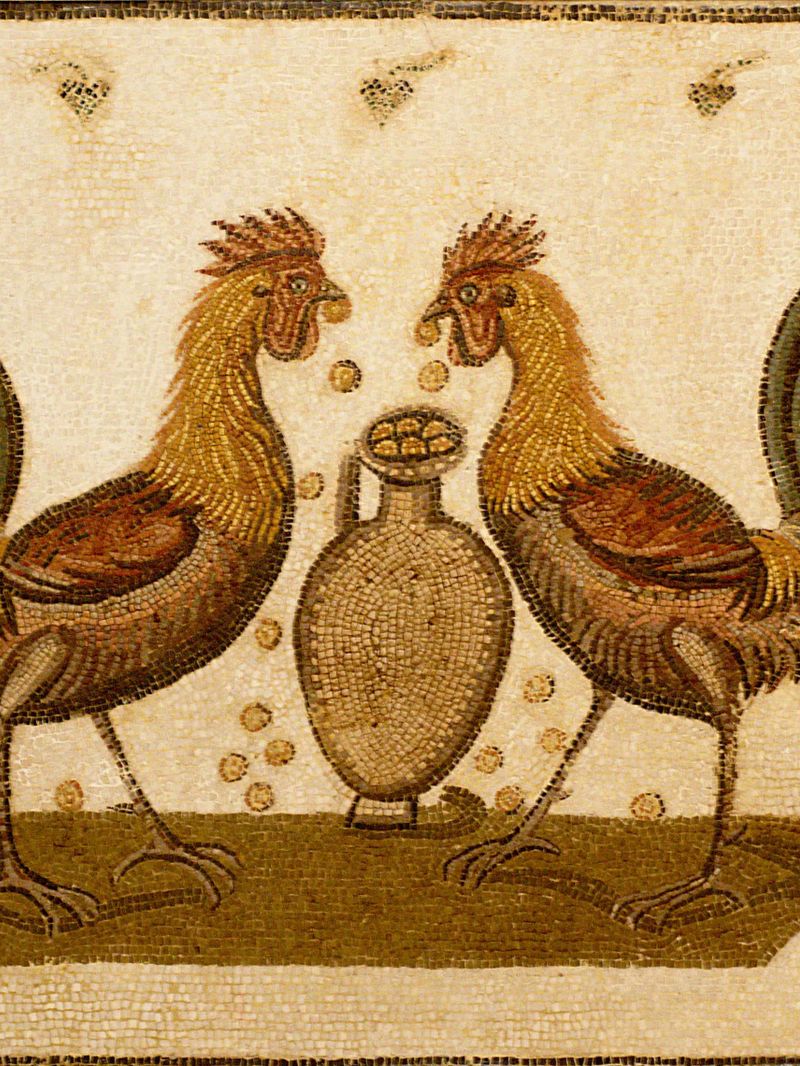
The main excavated area lies on the seafront. Beside the salting works is the House of the Nymphs, a fourth-century mansion of about 1,500 square metres built around a peristyle garden. Excavated in 1965 to 1967, it gave the richest set of mosaics found at Neapolis: scenes from Greek myth and from Homer, among them Chryses before Agamemnon and the nymphs bathing at the spring of Hippocrene. Most of these pavements are now in the archaeological museum of Nabeul. One basin remains in place. Its curved wall shows the bearded head of Oceanus among fish, under the inscription NYMFARVM DOMVS, House of the Nymphs.
In 2017 a Tunisian and Italian underwater mission found the drowned part of the city just offshore, with streets, buildings and around a hundred tanks for making garum.
Exhibo editorial
Most people in Nabeul are there for the pottery market and never know that a Roman fish-sauce factory lies by the beach. That is a pity, because Neapolis is exactly the kind of site that makes the ancient world feel practical. Vats, drains, a big house paid for by the smell of fermenting fish.
Then there is Oceanus. His face on the basin wall, horns of crab claws and a beard full of weed, is one of the best things on the whole Cap Bon. Afterwards see the house's other floors in the Nabeul museum. For the full picture of this coast, put Neapolis and Pupput into the same day.
Gallery
How to find it
The site is on the seafront of Nabeul, south-west of the town centre near the hotel strip; the entrance is a white gateway signed in Arabic and French. Nabeul is reached by road or train from Hammamet. At the far tip of Cap Bon, the Punic quarries of El Haouaria show where the stone for Carthage was cut. Further north along the same coast, the Korba lagoon is busy with flamingos in winter.