Fort of Kelibia
A crenellated fortress on a rocky headland above Kelibia, held in turn by Carthage, Byzantium and the Zirids.
The fort of Kelibia crowns a rocky headland on the north-east coast of the Cap Bon peninsula, above the fishing port and the beaches of the town. It is about sixty-five kilometres north-east of Hammamet. The fort is the emblem of Kelibia and the reason the town exists on this spot. Its walls enclose about one and a half hectares, which makes it one of the largest fortresses in Tunisia.
The site was fortified at the end of the fourth century BC and soon taken by Carthage. The Greeks called the town Aspis, the shield. The Romans translated the name as Clipea, from which Kelibia comes. The Punic fortress was destroyed with Carthage in 146 BC. In the sixth century the Byzantines built a new fort, which still stands in the middle of the enclosure. In the seventh century it was the last refuge of Byzantine troops before they fled to the island of Pantelleria.
The Normans of Sicily seized it in the eleventh century. The Zirid prince Yahya took it back in 1112 and had it rebuilt; most of what is visible today dates from his time. Its defences were strengthened again in the seventeenth century. Under the French a lighthouse and a signal station were added.
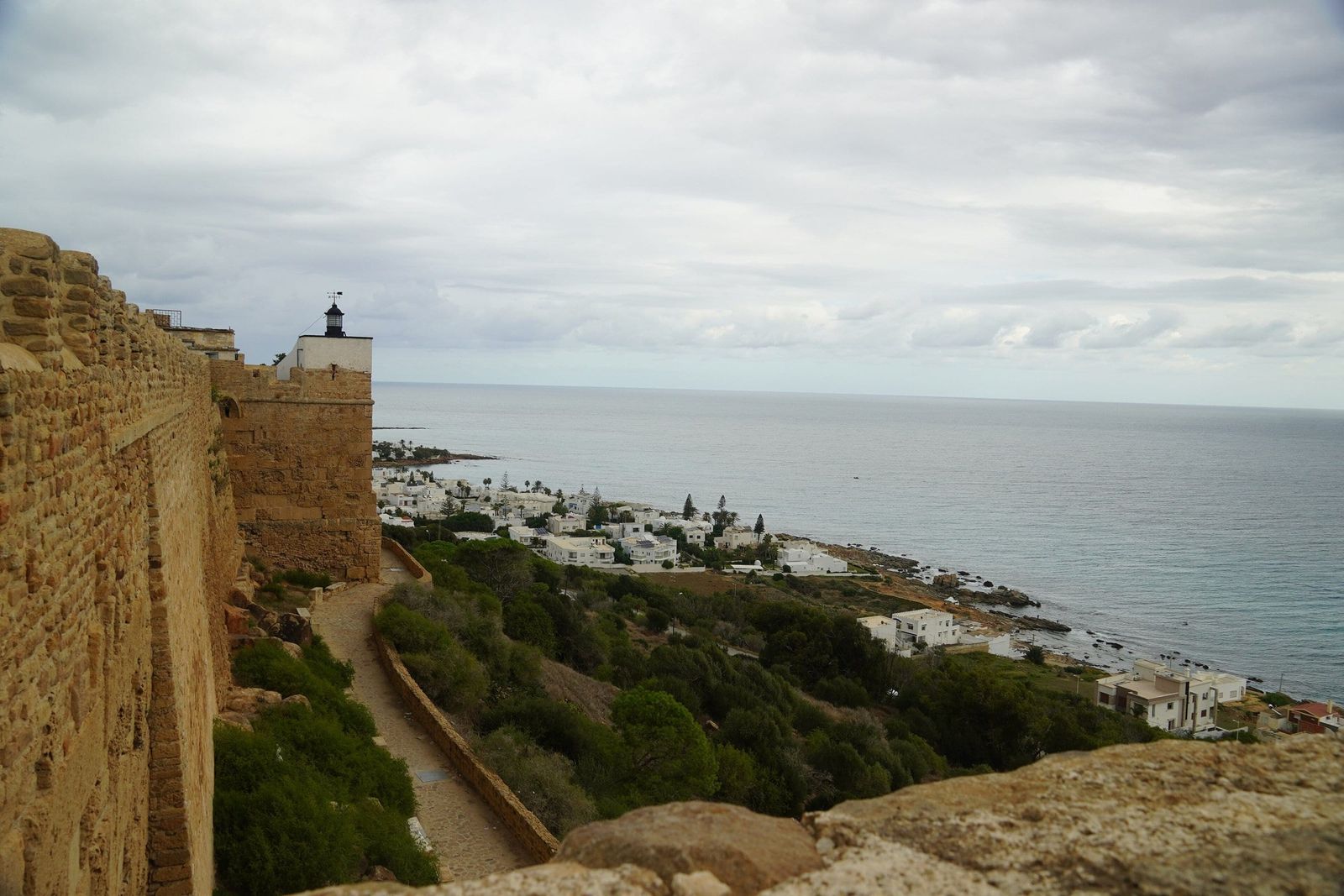
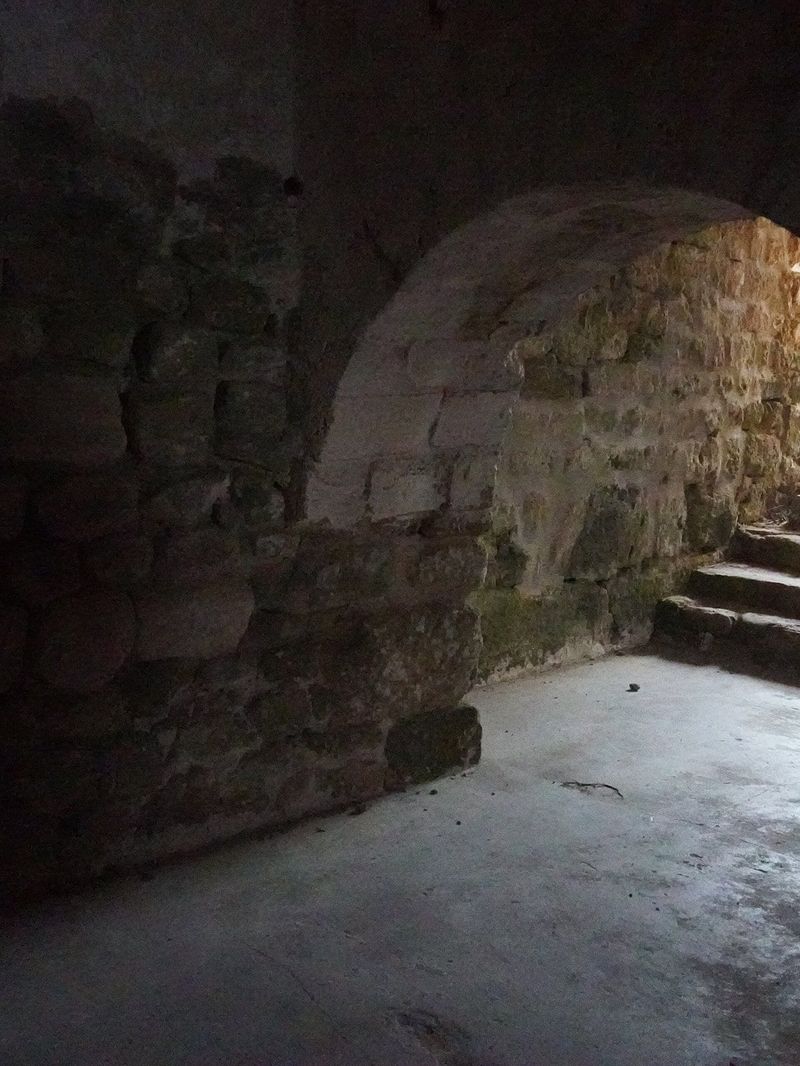
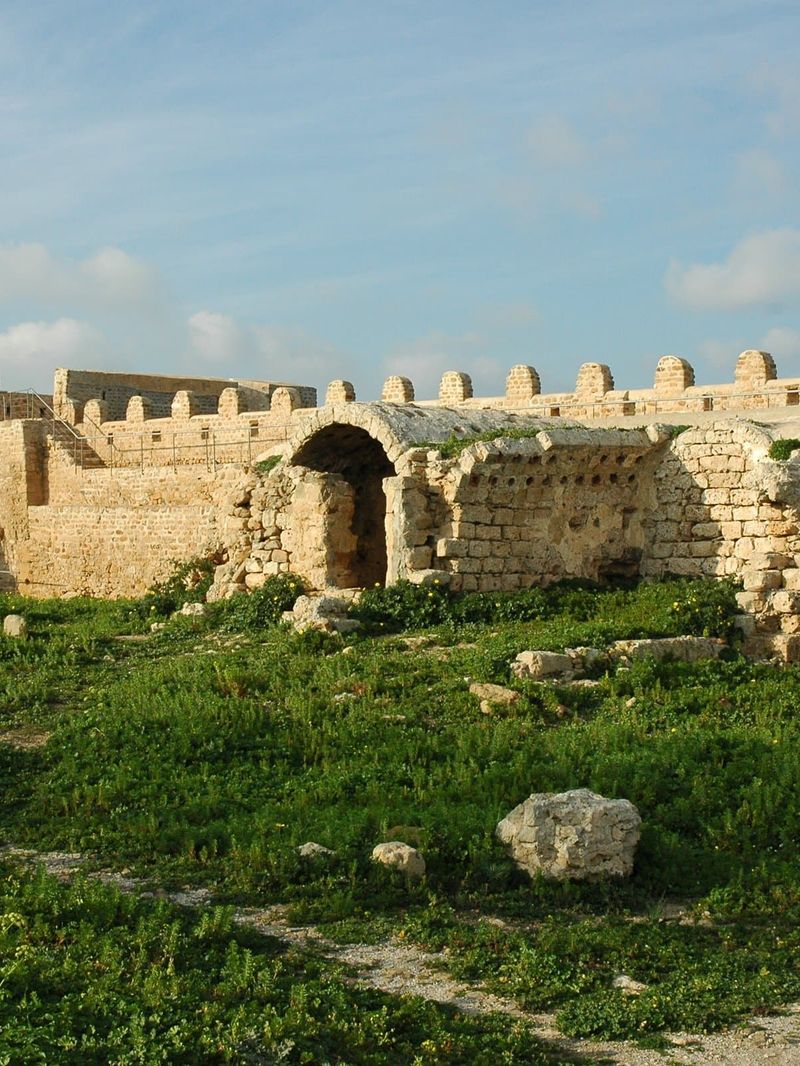
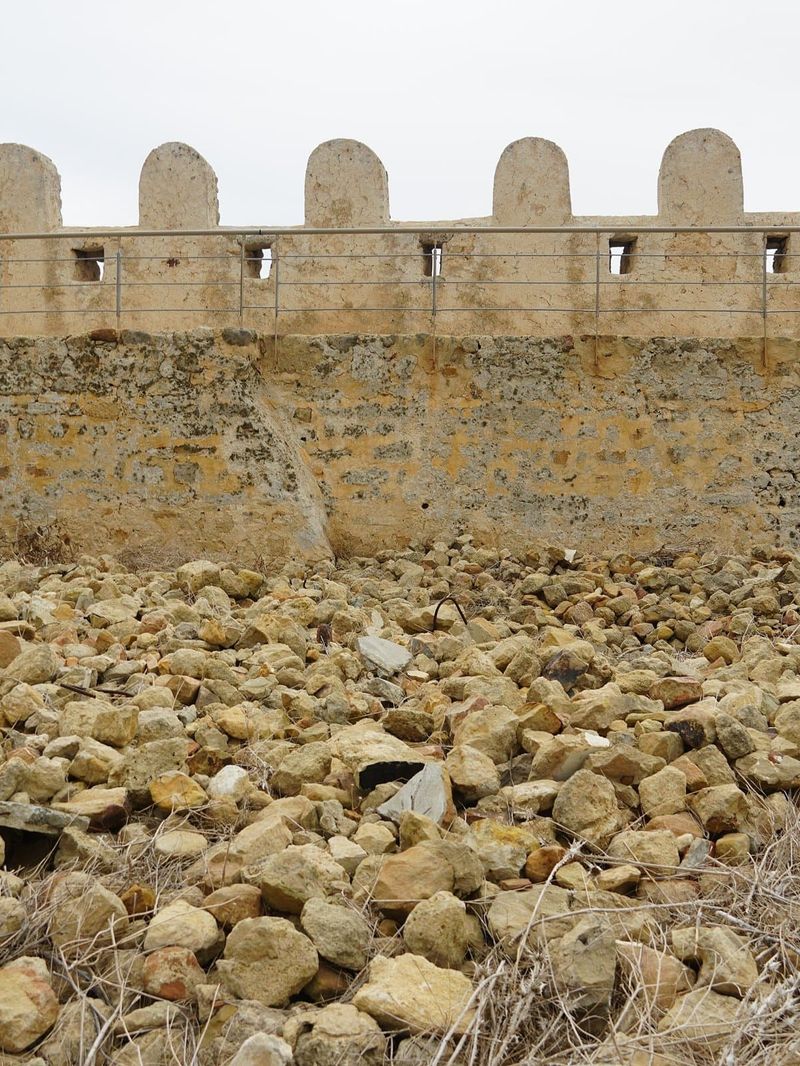
A long curtain wall of rough stone, crowned with merlons and set with towers, runs around the edge of the plateau. A single gate on the east side leads through a vaulted passage into a vast open courtyard. Inside are cisterns from the Roman period and the Byzantine fort. From the ramparts there are views over the town, the harbour and the open sea toward Pantelleria.
Exhibo editorial
The fort of Kelibia is one of those places where you understand a whole coast at a glance. Walk the ramparts and the reason for everything becomes obvious: the headland sees the sea in every direction and every power that wanted this coast had to hold it.
Go in the late afternoon. The walls turn gold, the fishing boats come back into the harbour below and the inner courtyard is so large and empty that it feels like a field with walls round it. Then drive twenty minutes north to Kerkouane, the Punic town that lived in the shadow of this one.
Gallery
How to find it
The fort stands on the hill above the port of Kelibia, east of the town centre. A road climbs from the harbour to the car park below the walls; the entrance is the gate on the east side. Allow an hour to walk the courtyard and the ramparts.