Kerkouane Punic City
The only Punic town to survive as the Carthaginians left it, with a bath in every house beside the sea.
Kerkouane is the ruin of a Punic town on the east coast of the Cap Bon peninsula, about twelve kilometres north of Kelibia and some seventy-five kilometres north-east of Hammamet. It is the only Phoenician and Punic town that survives as its inhabitants left it. It was inscribed on the UNESCO World Heritage List in 1985 and the listing was extended to its necropolis in 1986. Its ancient name is not known.
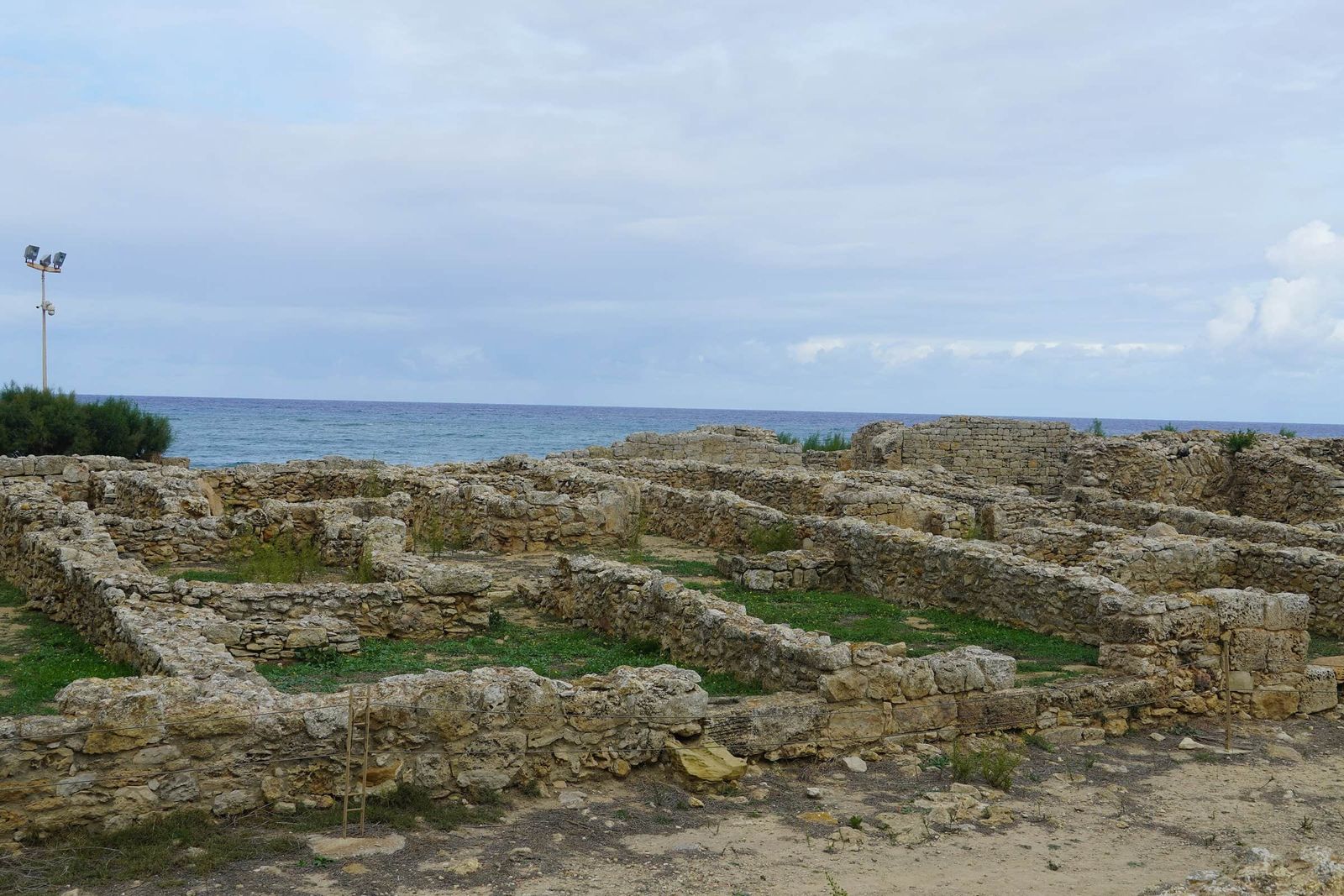
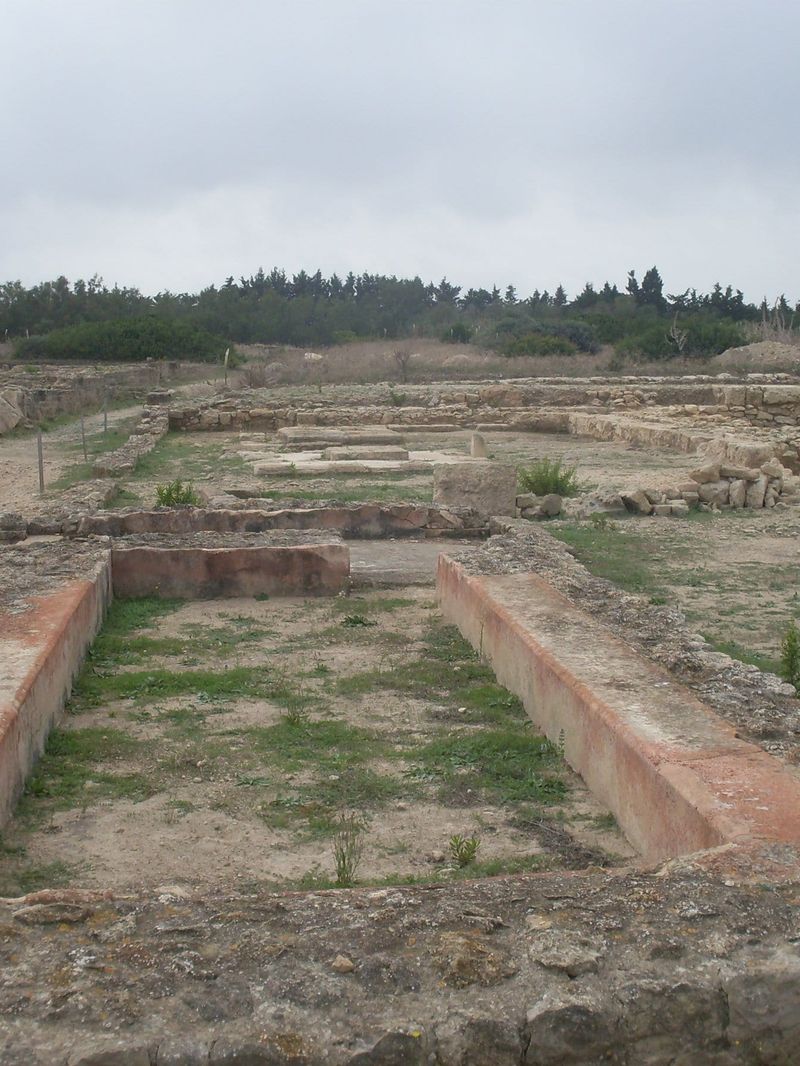
The town was occupied by the sixth century BC. It was destroyed around 256 BC during the First Punic War. It was never rebuilt. The Romans did not settle on top of it. That is why Kerkouane shows a Punic city of the fourth and third centuries BC without later layers. About two thousand people lived here, on some seven hectares inside a double wall with towers, two main gates and smaller posterns.
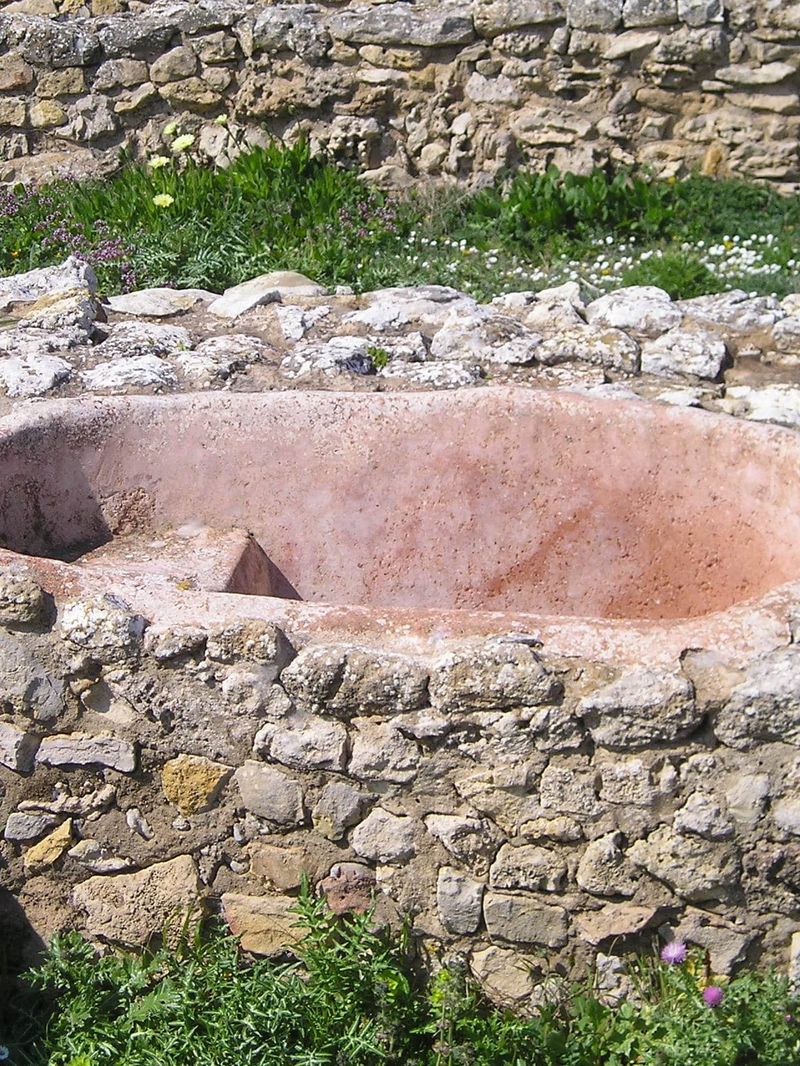
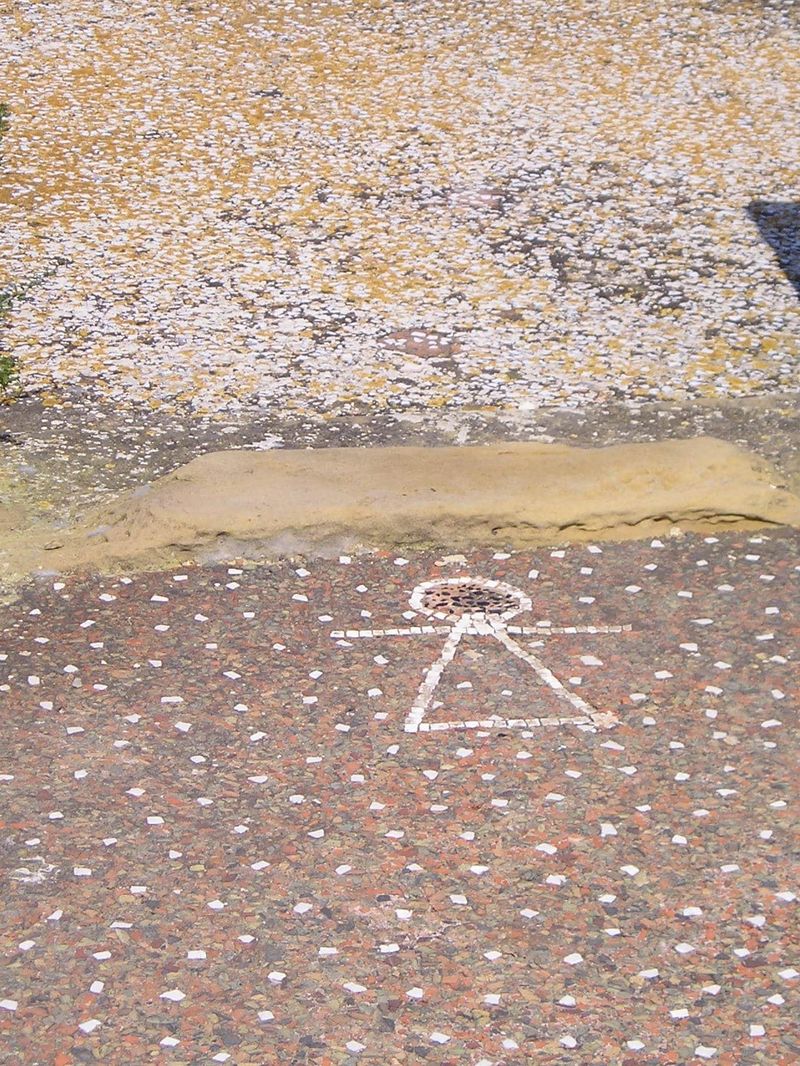
The streets cross at right angles and open into small squares. Drains ran under them. Most houses are built around a central courtyard that brought in light and air. Above all, almost every house had a bathroom with a small seated bathtub lined with red waterproof plaster. The floors are of red cement set with white stone chips. In one house the sign of Tanit, the great goddess of Carthage, is laid into the floor at the door.
In the centre of the town stands the great sanctuary, with a vestibule, a courtyard with an altar and a raised platform for the divine images; it is among the largest Punic temples known in the western Mediterranean. The cemeteries lay outside the walls on the nearby hills. A small museum at the entrance shows pottery, jewellery, statuettes and objects of daily life found on the site.
Exhibo editorial
Kerkouane is quiet, low and endlessly human. There are no columns, no arches, nothing taller than your waist. Instead there are bathtubs, dozens of them, red and worn smooth, each shaped to sit in. Carthaginians are usually met as enemies in Roman history books. Here you meet them as neighbours who liked a wash.
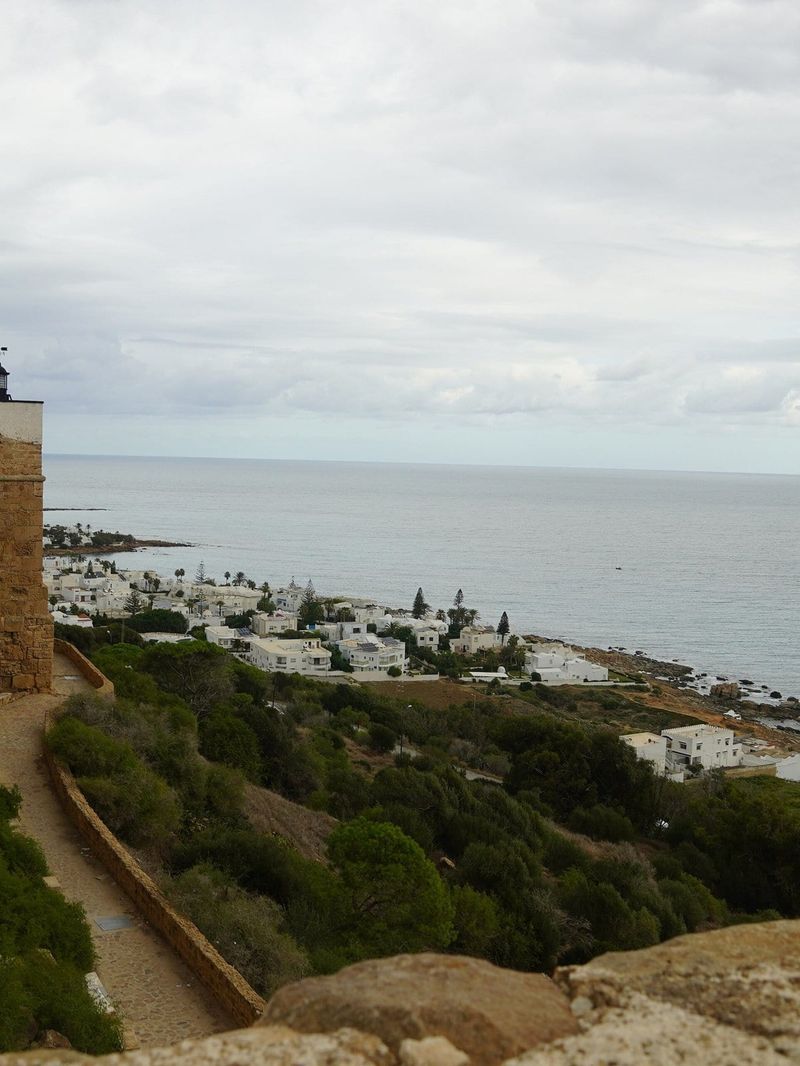
Walk slowly and let the plan of the town assemble itself: street, courtyard, bath, the sea at the end of the lane. Look for the Tanit sign in the floor, a stick figure with raised arms. Then go up to the fort of Kelibia, or compare it with Rome's version of the good life at Neapolis.
Gallery
How to find it
The site is signposted from the coast road between Kelibia and El Haouaria, near the village of Dar Allouch. A paved path leads from the entrance and the museum through gardens to the ruins on the shore. There is little shade on the site.