Pupput Archaeological Site
Roman houses, baths and a vast necropolis, surviving between the hotels of Hammamet's tourist coast.
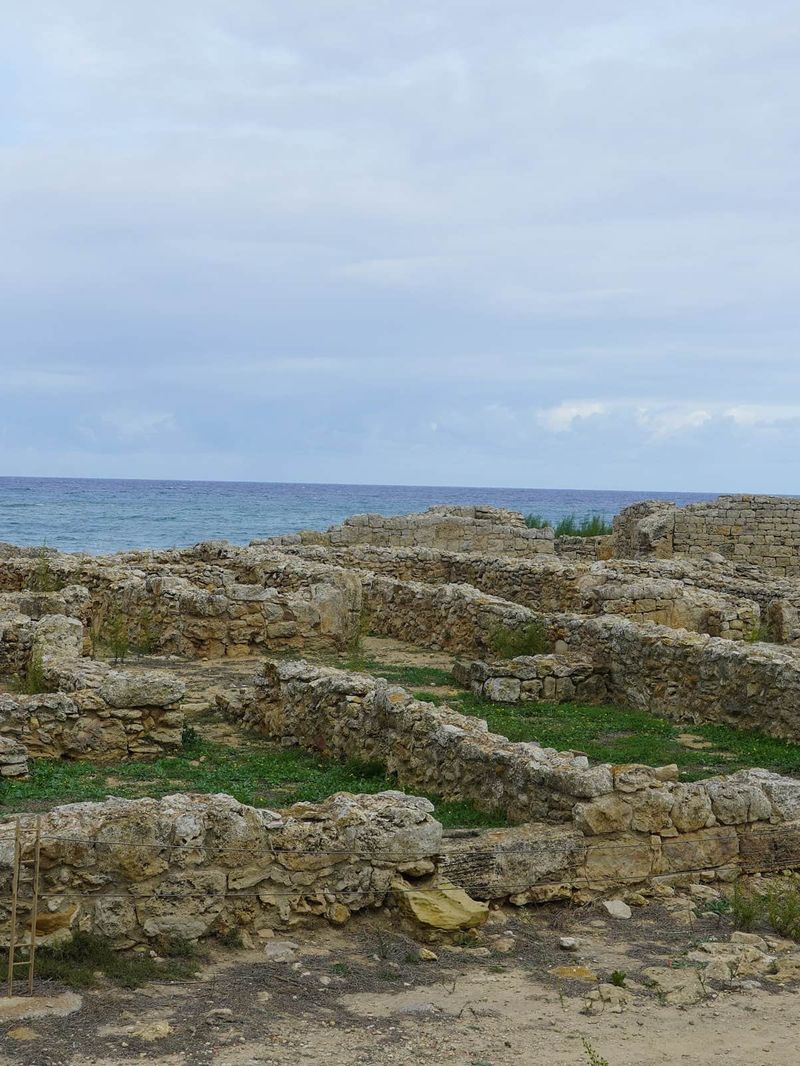
Pupput is the Roman town from which Hammamet grew. Its remains lie about five kilometres south-west of the medina of Hammamet, in the Souk el-Abiod area of the hotel zone, between two small wadis that run down to the sea. The site was identified in the middle of the nineteenth century. Today the archaeological park covers about four hectares: a residential quarter on the seafront and two bath complexes, with the main necropolis a short distance to the north.
Pupput began as a village under the authority of Carthage. It was raised to the rank of a Roman colony in the reign of Commodus, at the end of the second century AD. An inscription of the early fourth century gives its full title: Colonia Aurelia Commoda Pia Felix Augusta Pupput. At the start of the twentieth century travellers could still see a capitol, temples, a theatre, an amphitheatre, baths, cisterns and an aqueduct. Most of it disappeared under hotel building from the 1960s onward. Rescue excavations saved what was left.
The houses are the heart of the visit. The House of the Black and White Triclinium, of the late second or early third century, has a peristyle around a garden with a basin facing its dining room; the mosaic of that room shows where the three couches stood. The House of the Figured Peristyle, of the fourth or fifth century, is named after a floor that imitates in mosaic the shadows cast by the columns around it. A lighthouse at its centre was a wish for safe voyages. A third building takes its name from a mosaic of a satyr and a nymph.
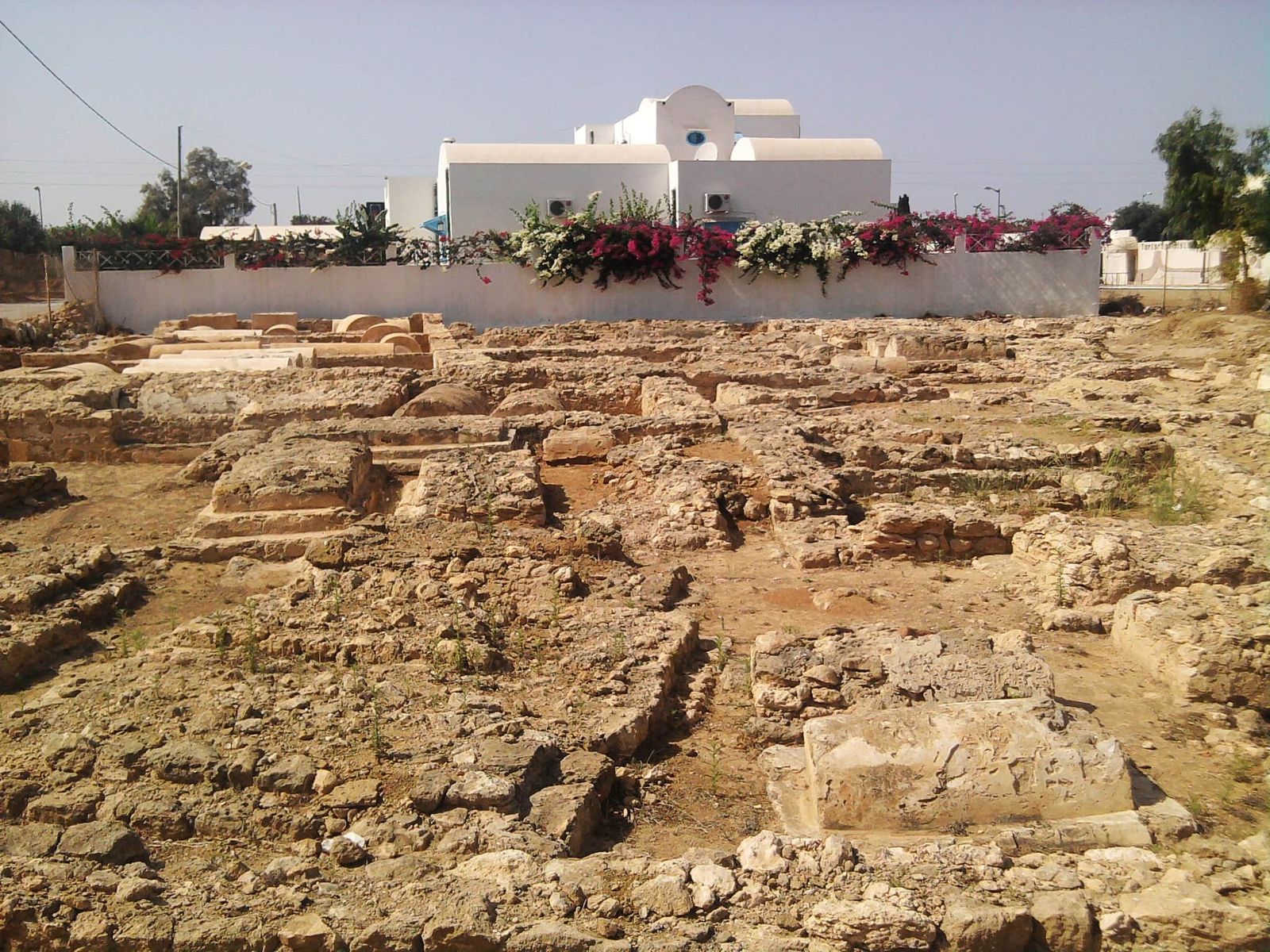
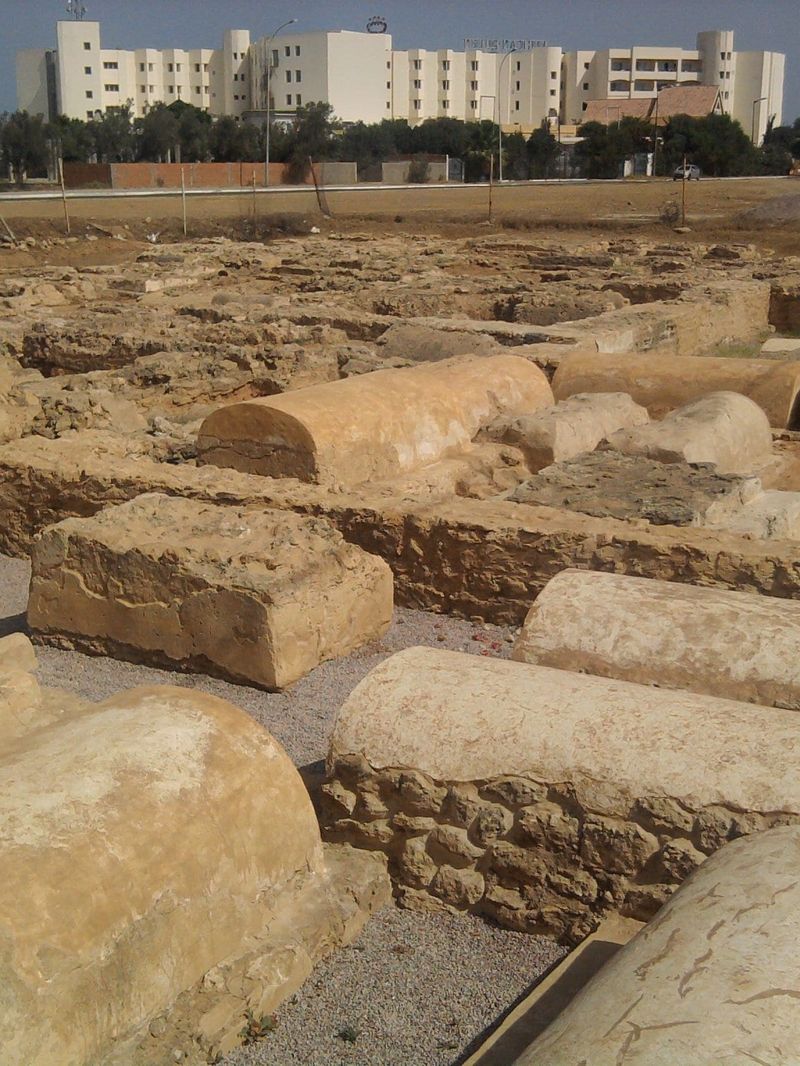
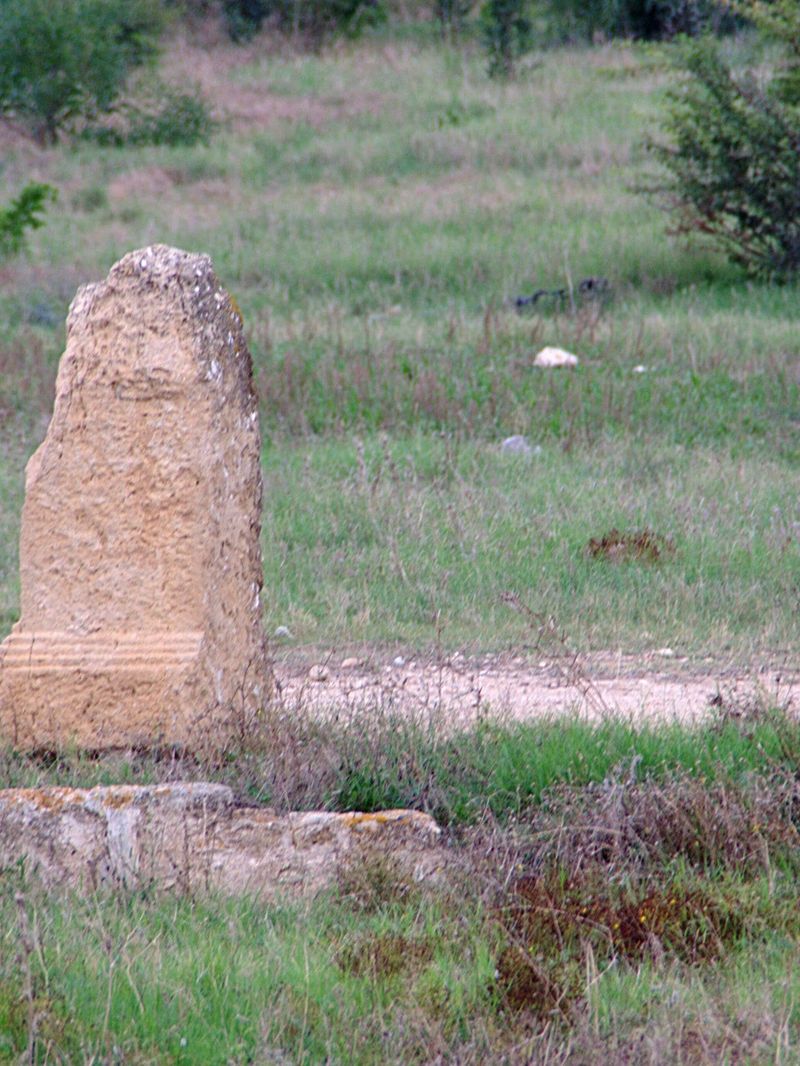
The necropolis is one of the most important in Roman North Africa. Digs that began in the late 1990s uncovered around 1,400 to 1,500 burials, most of them grouped in family enclosures, used from the end of the first century AD until late antiquity. Many tombs still have their rounded stone covers. The results were published in 2004 under the direction of Aïcha Ben Abed.
Exhibo editorial
Pupput is a lesson in how fragile an ancient town can be. A century ago it had a theatre and an amphitheatre. Then the beach became valuable. What survives is a low field of walls and floors with hotel blocks on every horizon, which sounds like a disappointment and somehow is not.
Go in the morning before the heat. Look down rather than around. The floors are the thing: black and white patterns laid out for a dinner party eighteen hundred years ago, the stone shadows of columns that are no longer there. Then make the short trip to the medina of Hammamet, which is the town that took Pupput's place.
Gallery
How to find it
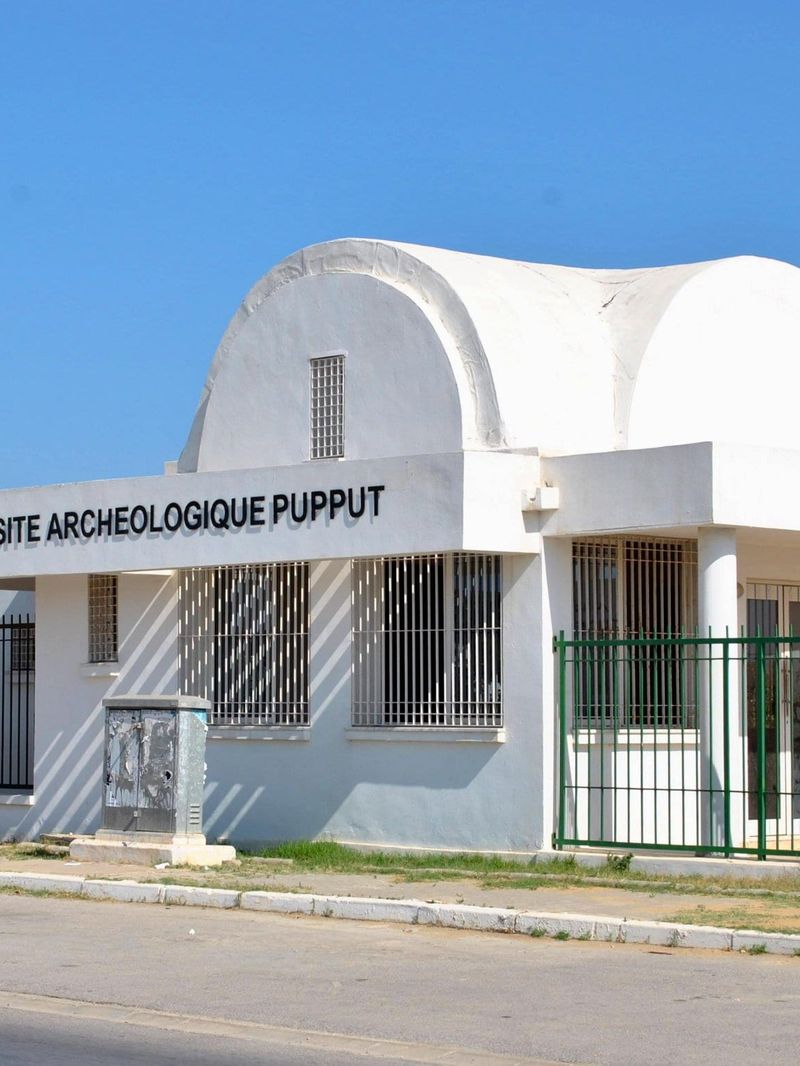
The site is on the south side of the tourist road through the hotel zone of Hammamet Sud, about five kilometres south-west of the medina; the white entrance building is signed Site archéologique Pupput. The necropolis lies just to the north. Neapolis on the other side of the bay makes a natural pair.