Msheireb Downtown Doha
A new walkable quarter in Doha's oldest streets: shaded lanes, heritage-house museums and a modern Qatari architecture.
A new heart for old Doha
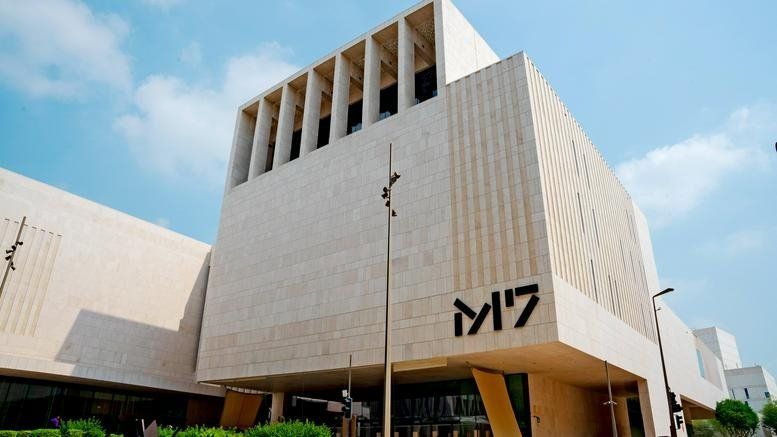
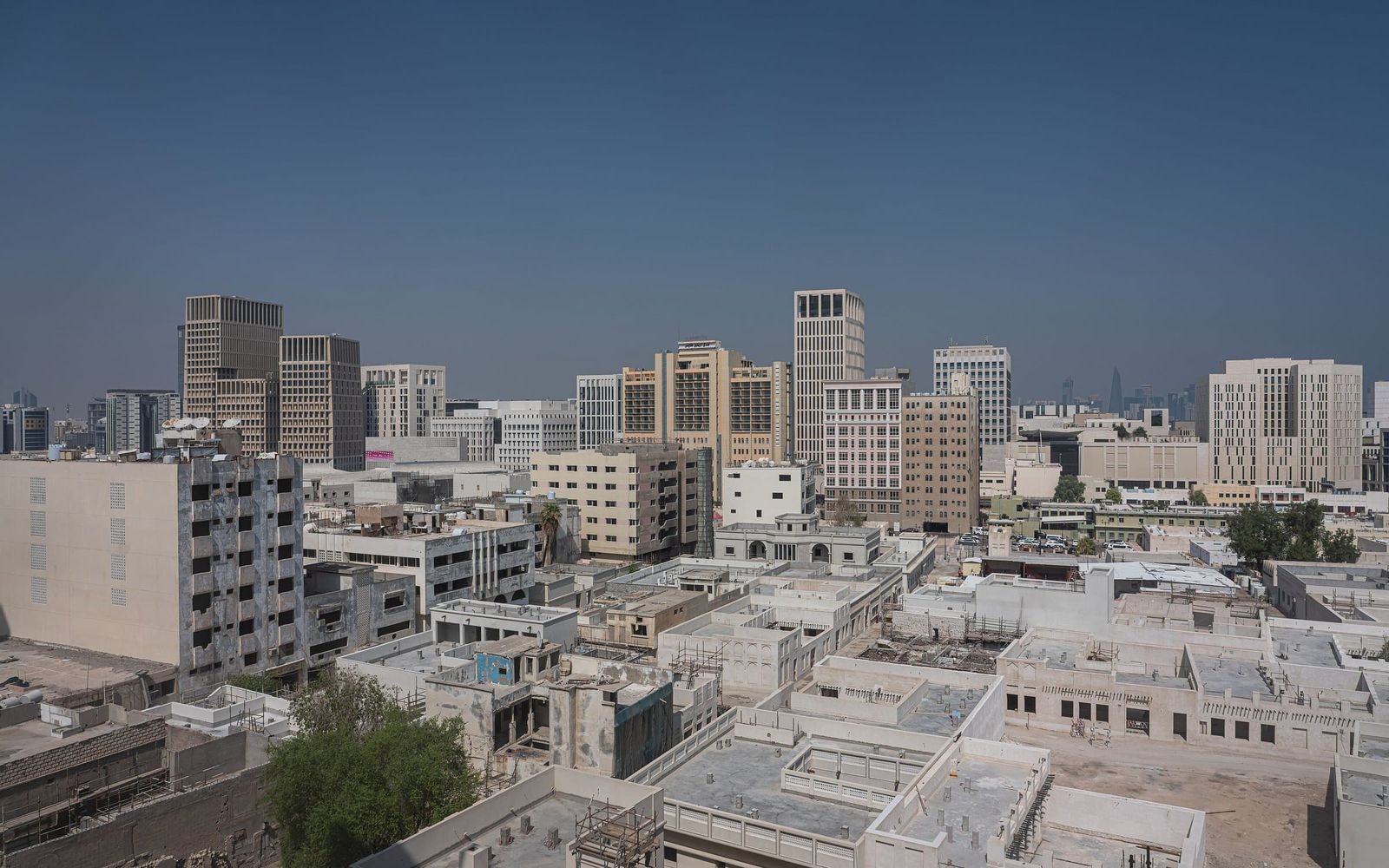
Msheireb Downtown Doha occupies about 31 hectares in the very centre of the city, on the site of the old Msheireb district. Its name comes from the wadi Msheireb, the seasonal stream around which Doha first grew. From the 1970s the old courtyard houses here gave way to car parks and offices as the city spread outwards. The Qatar Foundation, under the leadership of Sheikha Moza bint Nasser, set out to bring back a dense, walkable neighbourhood. The developer is its subsidiary Msheireb Properties.
The masterplan was drawn up by Allies and Morrison with Arup and EDAW, now part of AECOM. Some of the oldest streets that crossed the site were kept as routes. Allies and Morrison wrote a set of design principles called the Seven Steps to guide the many architects of the individual buildings. They ask for compact blocks along shaded streets, courtyards and active rooftops. Deep facades and colonnades keep out the sun. White and sand-coloured walls recall the traditional houses of Qatar. Allies and Morrison designed thirty of the buildings themselves.
Heritage Quarter and museums
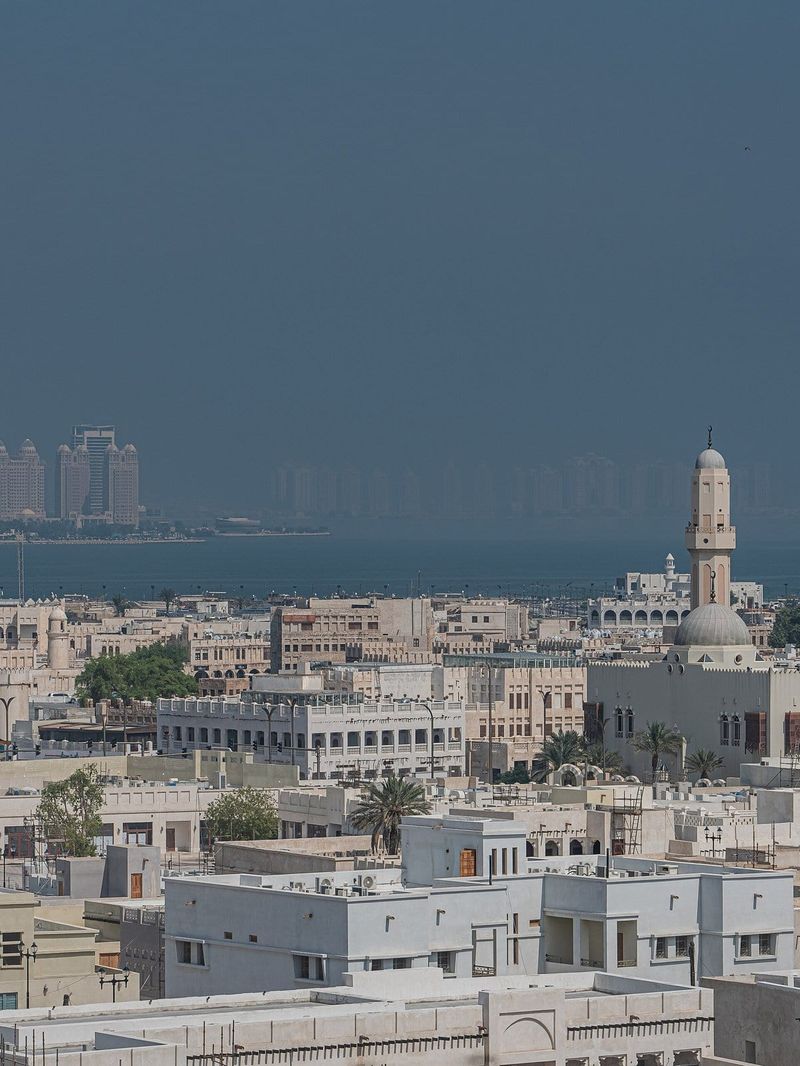
Several historic buildings were kept. Four heritage houses in the Heritage Quarter were restored by John McAslan + Partners and turned into the Msheireb Museums, which opened in 2015. Each tells a different story: the family life of old Doha, the first oil workers, the history of slavery in the region and the story of Msheireb itself. The quarter also holds the Eid Prayer Ground and a mosque.
Living in the quarter
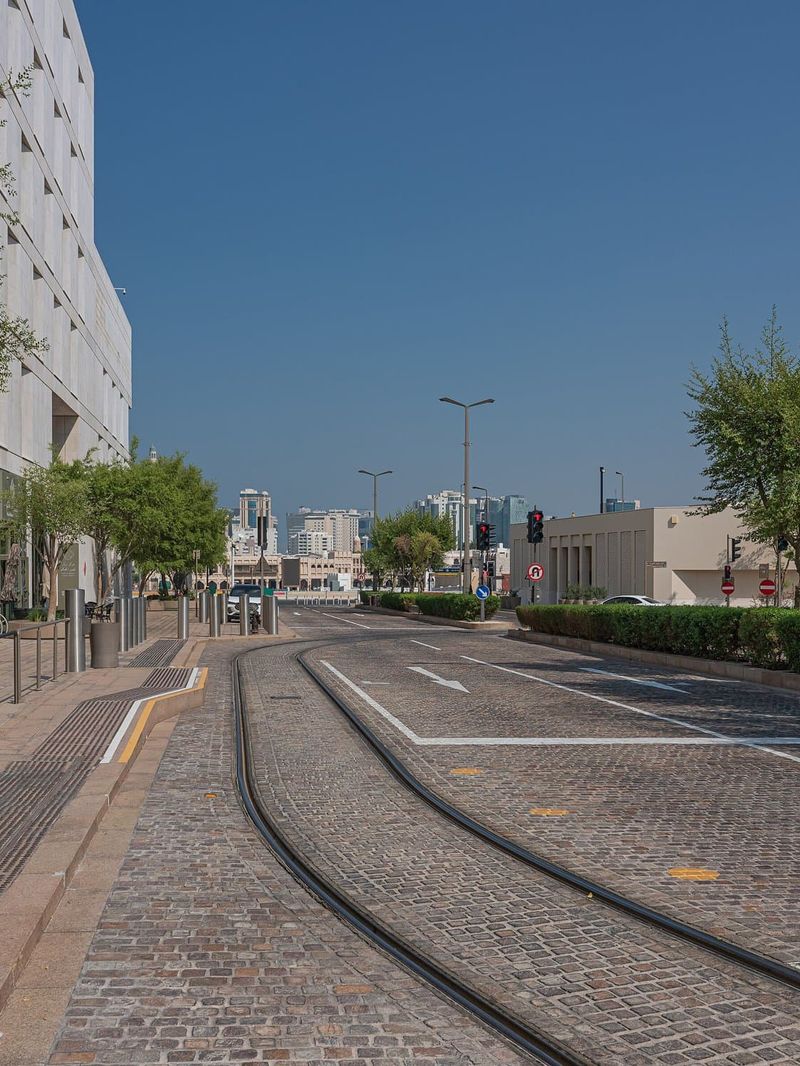
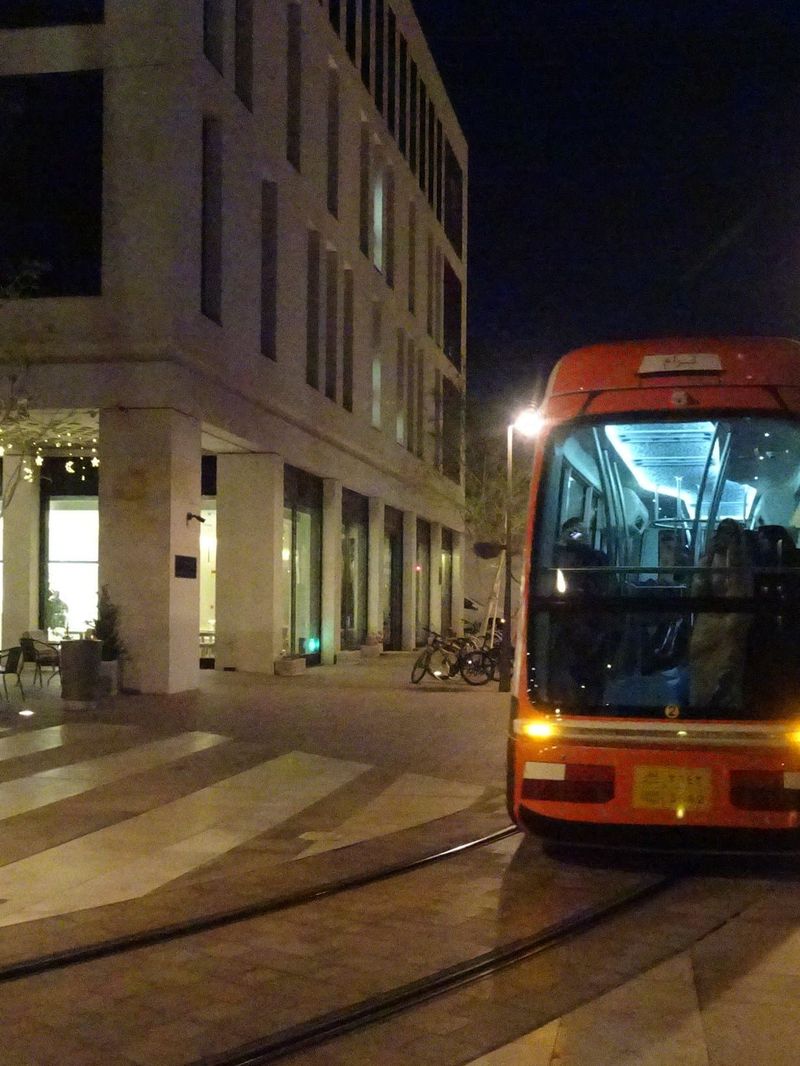
Msheireb mixes homes, offices, hotels, shops, restaurants and civic buildings. Many of its buildings carry LEED gold or platinum ratings for sustainable design. Msheireb station, the interchange of all three lines of the Doha Metro, lies at the south-west corner. A tram loops through the streets.
To the east lies Souq Waqif; to the north stand the Amiri Diwan and its Clock Tower.
Exhibo editorial
Gulf cities were mostly built for the car. Msheireb is an argument for walking, made in the hottest climate you could pick for it. The streets are narrow on purpose. The buildings shade each other. A breeze finds its way along the lanes.
Step from the glare of Al Rayyan Road into its streets and the temperature seems to drop. Then go and see the heritage houses. They are the old Doha this whole quarter is trying to remember.
Gallery
How to find it
Msheireb Downtown Doha is in central Doha, south of the Amiri Diwan and west of Souq Waqif. Msheireb metro station, where the Red, Green and Gold lines meet, opens into the quarter. The Msheireb tram loops through the streets. Underground car parks serve the area. The streets are open at all times; the museums, shops and restaurants keep their own hours.
Similar places
All places
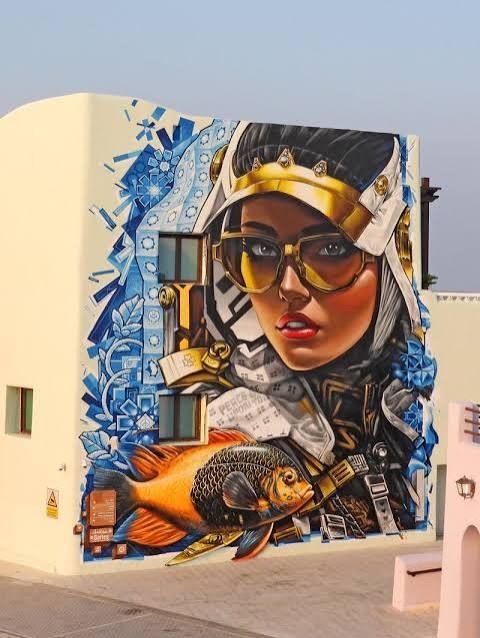
News by Exhibo
Editorial coverage on Exhibo
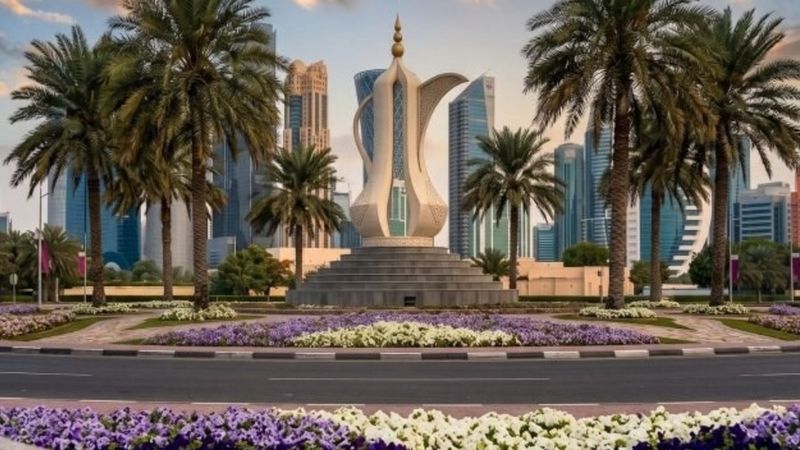
Why Doha Is Full of Roundabouts
An old circle at a crossroads, sharpened by British road engineering, became the way an Arabian city found its way and remembered itself — and it took the bulldozers to reveal it.
In a city where a landmark was more useful than an address, Doha's roundabouts became its navigation, its landscaping and its national image all at once. Now they're being torn out for signalled junctions — and the affection for them arrived, as one scholar put it, only posthumously.
Somewhere Between a Marble Factory and a Masterpiece
On the art world's transparency problem, the extraordinary markets the world is only beginning to discover, and why we decided to build a map.
February 2026, Doha. Msheireb Downtown — the old business district that Qatar has been quietly transforming into something between a cultural quarter and an ur…
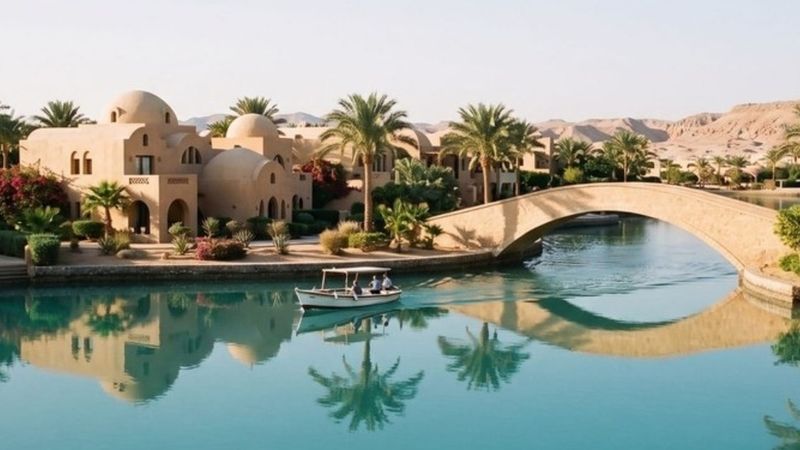
Why the Middle East Keeps Building Venice
From the Red Sea to the Gulf, canal towns keep getting called Venice. The water was usually about something else — and Venice was never quite Venice either.
The Middle East is full of “Venices”. Most began as a way to manufacture shoreline; the name usually arrived later, in English, from the people selling it.