Directory listing — not yet managed by the museum. Spotted something wrong? Suggest an edit →

Musée du Louvre

Musée du Louvre

Paris

About

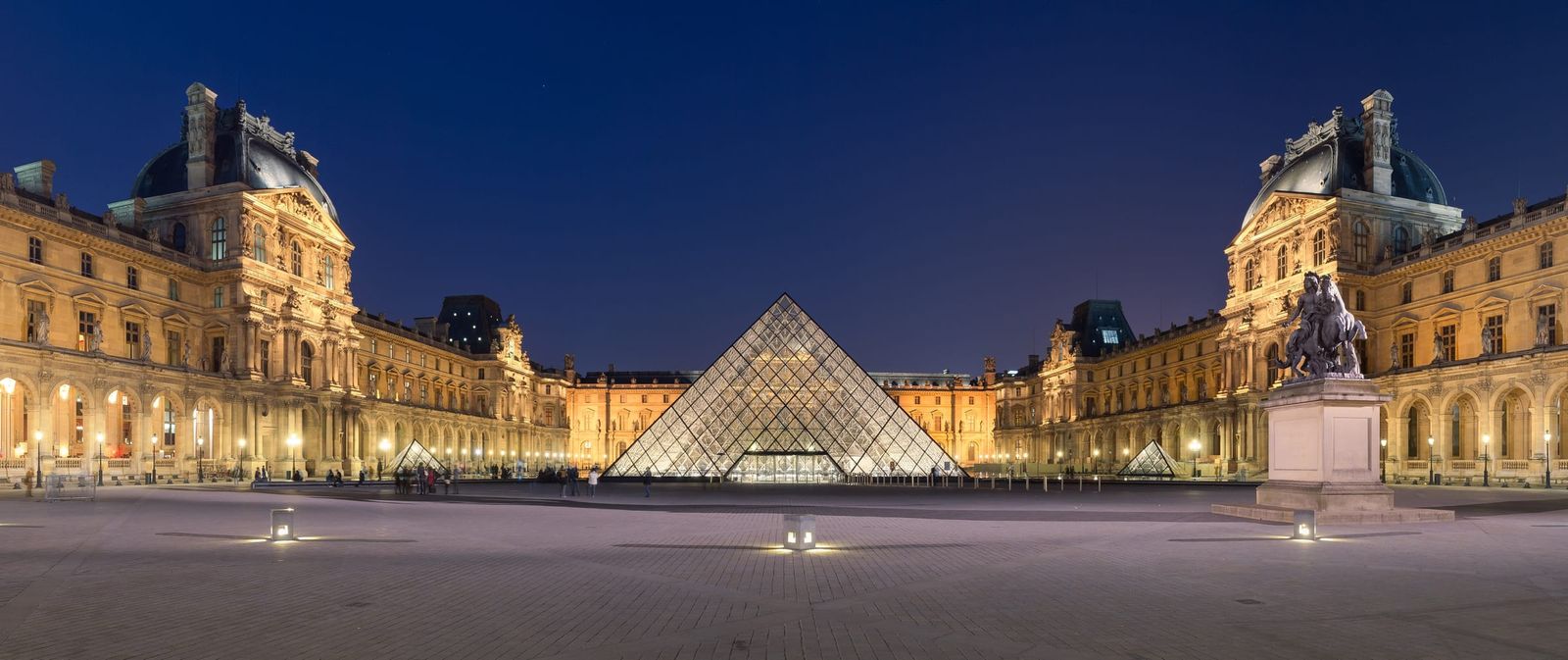
France’s national museum of art and the most visited museum in the world, the Louvre occupies the Louvre Palace, the former royal residence on the Right Bank of the Seine, and opened to the public in 1793. Its eight curatorial departments cover Egyptian, Near Eastern, Greek, Etruscan and Roman antiquities, Islamic art, sculpture, decorative arts, paintings, and prints and drawings, from antiquity to the mid-19th century. Among its most famous works are the Mona Lisa, the Venus de Milo and the Winged Victory of Samothrace. Since 1989 I. M. Pei’s glass pyramid has served as the main entrance.

Visit

Hours, tickets, and directions for Musée du Louvre.

Address

Rue de Rivoli, 75001 Paris, France

People

Artists

Artists associated with the museum's collection and programme.

Francisco de Zurbarán

Francisco de Zurbarán

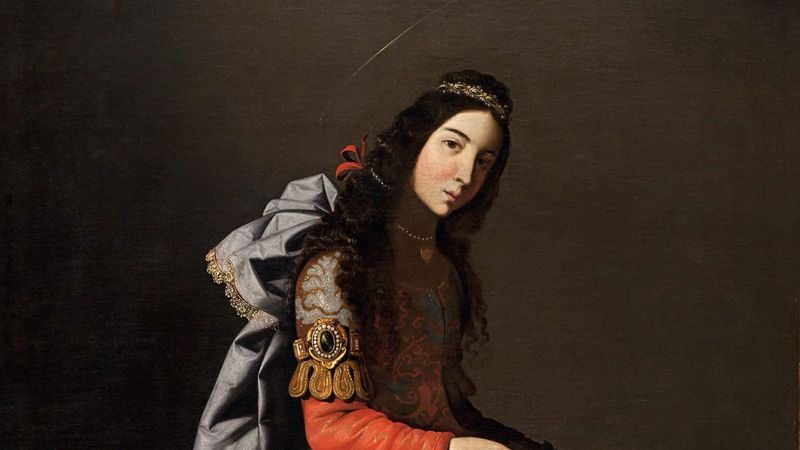
Francisco de Zurbarán (1598–1664) was a Spanish Baroque painter known primarily for religious paintings of monks, nuns and martyrs and for his still lifes. His forceful use of chiaroscuro earned him the nickname “the Spanish Caravaggio”. He was the father of the painter Juan de Zurbarán.

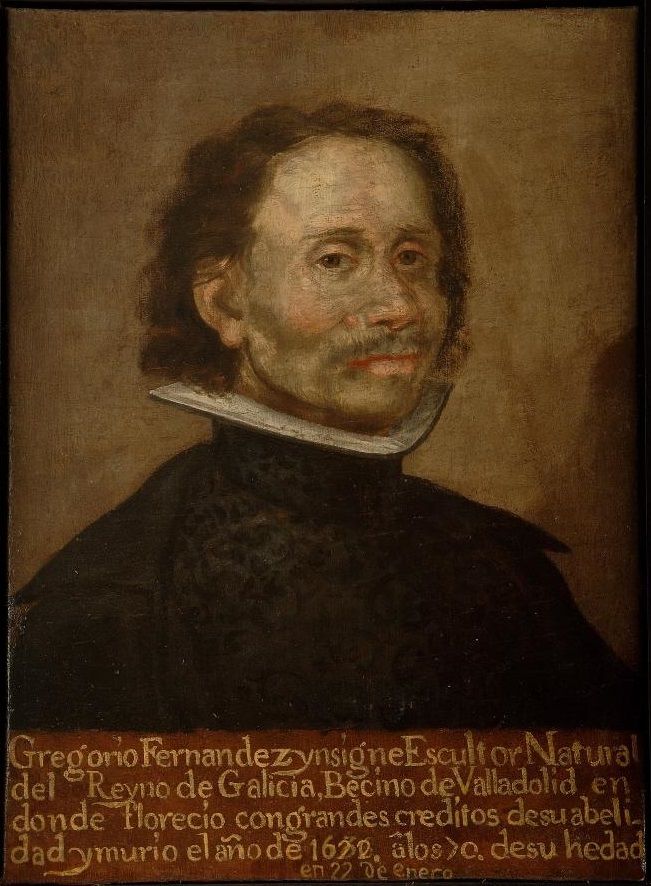
Gregorio Fernández

Gregorio Fernández

Gregorio Fernández (1576–1636) was a Spanish Baroque sculptor of the Castilian school, following in the tradition of Alonso Berruguete, Juan de Juni, Pompeo Leoni and Juan de Arfe.

Juan de Zurbarán

Juan de Zurbarán

Juan de Zurbarán (1620–1649) was a Spanish Baroque painter, born in Llerena, the son of Francisco de Zurbarán, in whose Seville workshop he worked. Mainly a still-life painter, he reflects his father’s influence alongside Dutch, Lombard and Neapolitan models; works include Still Life with Fruit and Goldfinch and Flowers and Fruits in Chinese Porcelain (Art Institute of Chicago). His career was cut short when he died of the plague during the 1649 epidemic in Seville, aged 29.

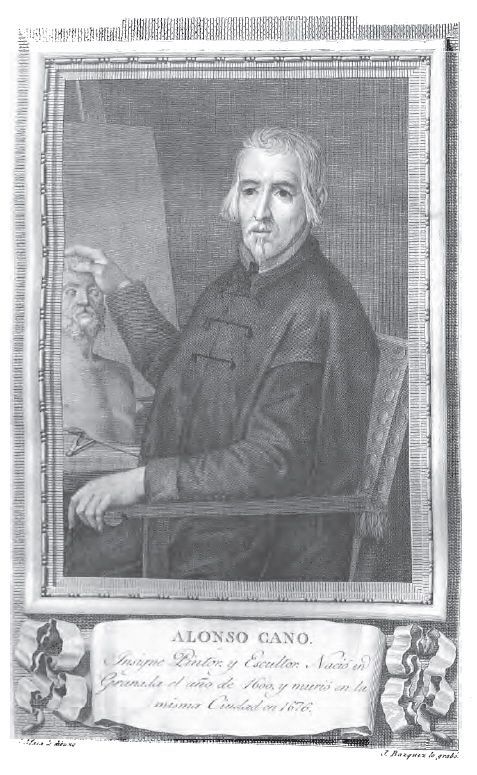
Alonso Cano

Alonso Cano

Alonso Cano (1601–1667) was a Spanish painter, architect and sculptor born in Granada.

Juan de Mesa

Juan de Mesa

Juan de Mesa (1583–1627) was a Spanish Baroque sculptor, creator of several of the effigies carried in the Holy Week processions in Seville.

Pedro de Mena

Pedro de Mena

Pedro de Mena y Medrano (1628–1688) was a Spanish sculptor.

Luisa Roldán

Luisa Roldán

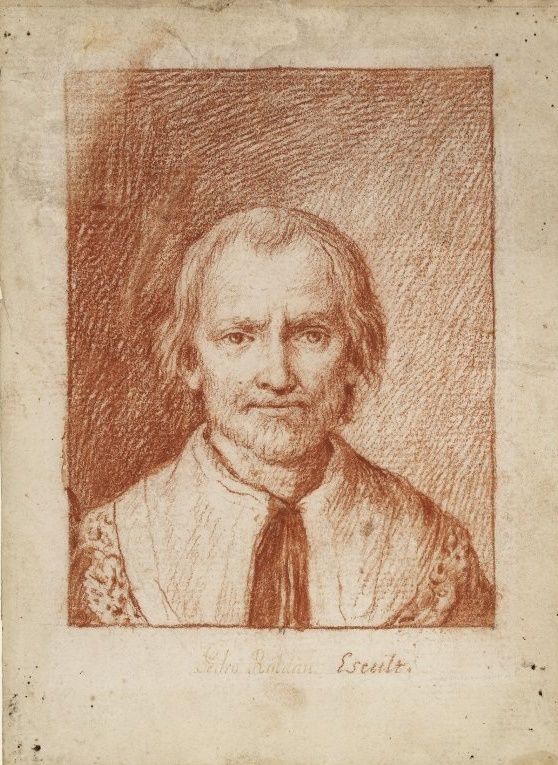
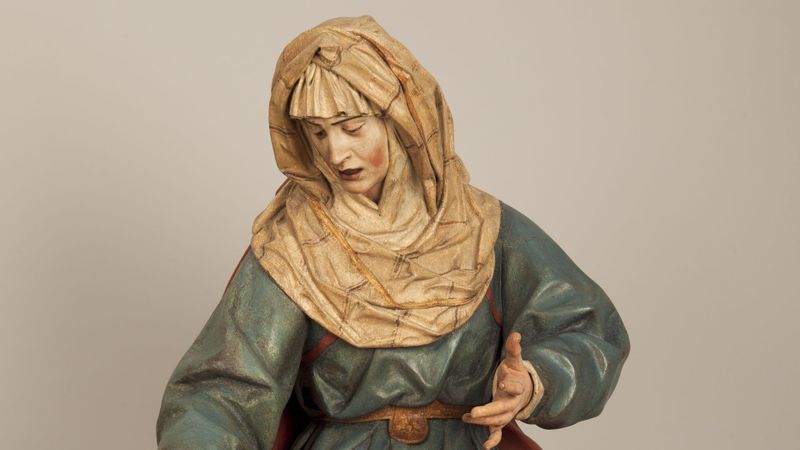
Luisa Roldán (1652–1706), known as La Roldana, was a Spanish Baroque sculptor and the earliest documented woman sculptor in Spain. Daughter of the sculptor Pedro Roldán, she became Court Sculptor to King Charles II, yet struggled financially and died poor; on the day of her death she was named Academician of Merit by the Accademia di San Luca in Rome.

Pedro Roldán

Pedro Roldán

Pedro Roldán (1624–1699) was a Baroque sculptor from Seville. His daughter Luisa Roldán, known as La Roldana, was also a major figure of Spanish Baroque sculpture.

José de Mora

José de Mora

José de Mora (1642–1724) was a Spanish sculptor, born in Baza, the eldest son of the sculptor Bernardo de Mora and a pupil of Alonso Cano in Granada and of Sebastián de Herrera in Madrid. In 1672 he became sculptor to King Charles II, returning to Granada in 1680, where he died. His masterpiece is the Christ of Salvation (now the Christ of Mercy) in the Church of St Gregory Baeticus, Granada.

Kader Attia

Kader Attia

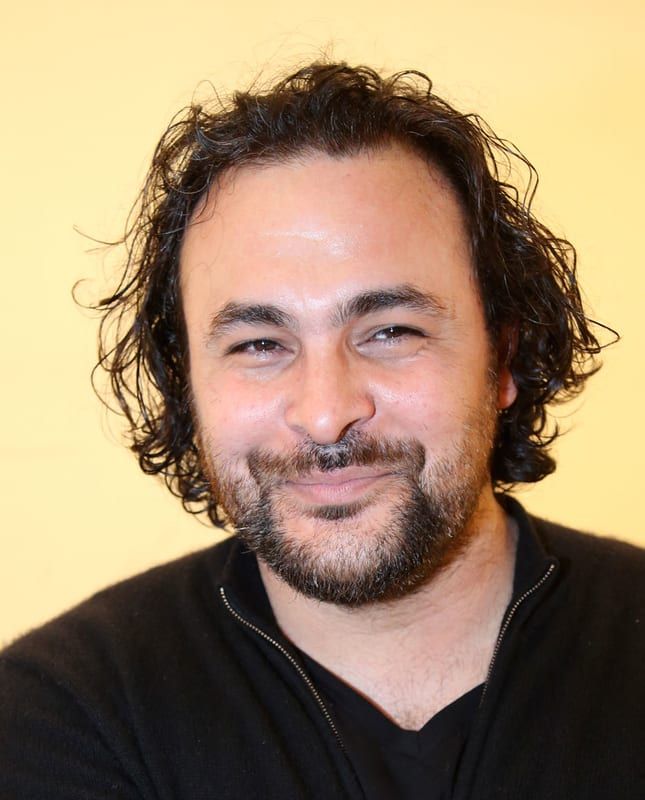
Kader Attia (born 1970 in Dugny, France) is an Algerian-French artist who lives and works in Paris and Berlin. His work sits at the frontier between form and thought, between logical inquiry and contemporary ideas. In 2024–2026 he was one of the Louvre’s Hosts, working in a studio inside the museum.

Elizabeth Peyton

Elizabeth Peyton

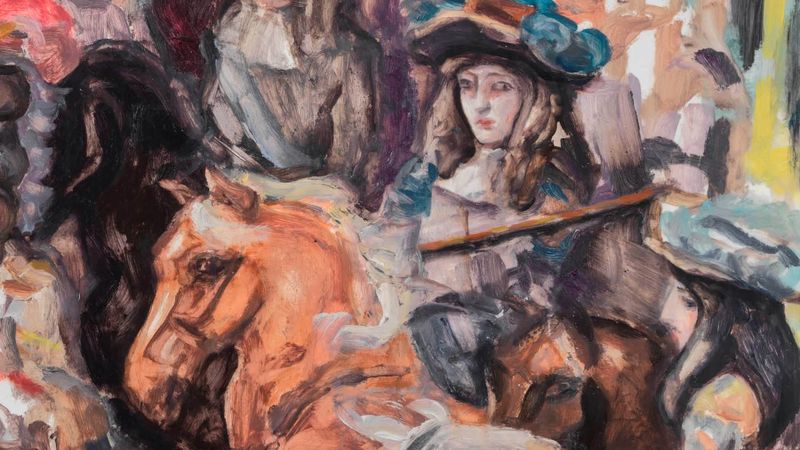
Elizabeth Peyton (born 1965 in Connecticut) is an American contemporary artist working mainly in painting, drawing and printmaking. She is best known for portraits of figures from her own life and beyond – close friends, historical personae and icons of contemporary culture, including artists, writers, musicians and actors. She lives and works in Paris and New York, and was one of the Louvre’s Hosts in 2024–2026.