
Gauguin, Van Gogh and the Montpellier Detour
How a brief winter trip reshaped Post-Impressionist networks
A Budapest survey traces the 1888 railway excursion that briefly united two fractious painters.
19 September 2026 — 7 February 2027
The collector and pioneer Gertrud Dübi-Müller
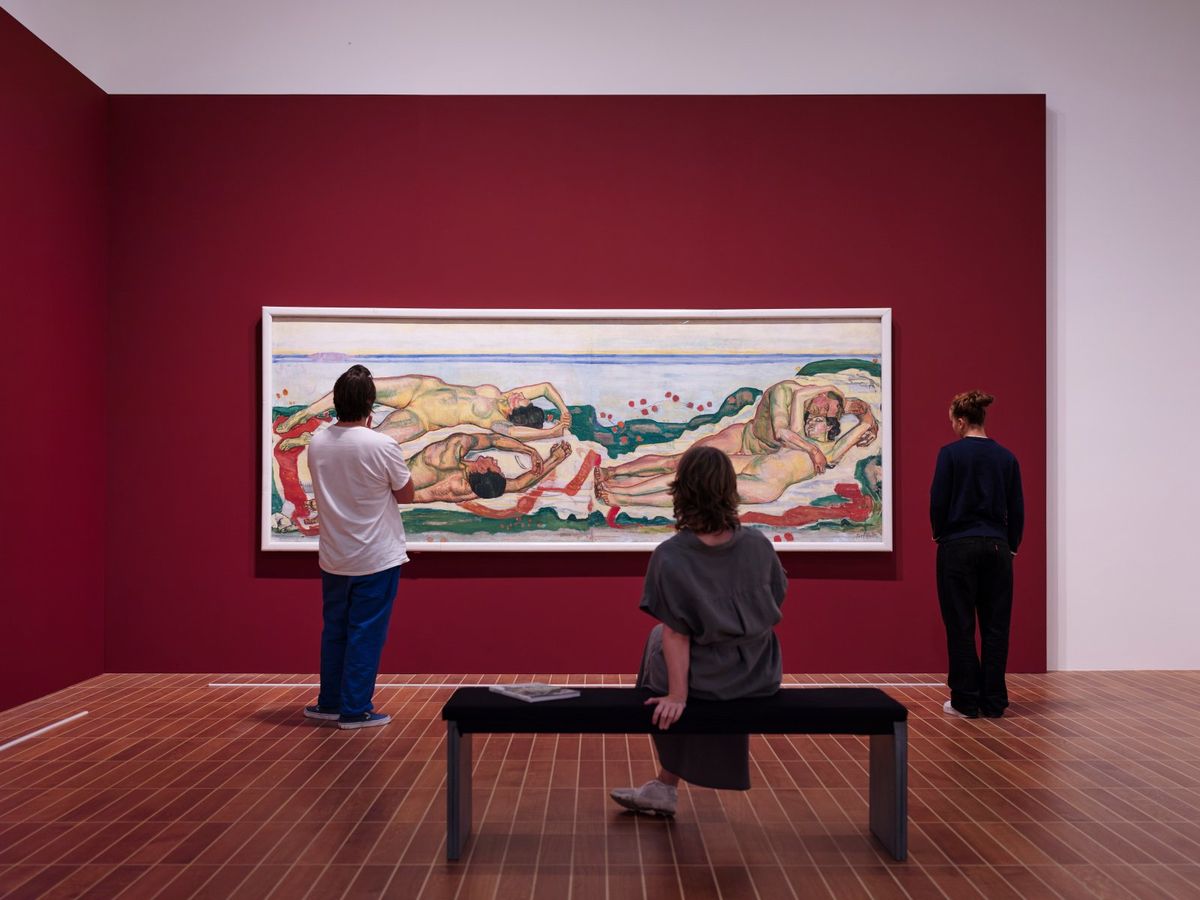
This is the first large exhibition devoted to Gertrud Dübi-Müller (1888 to 1980) of Solothurn, one of the leading Swiss art collectors of her time. She was also a keen photographer, drove her own motorcar, climbed mountains and sat for Ferdinand Hodler. About eighty works from her collection hang beside her photographs and documents never published before. Orphaned young and independent early, she bought Vincent van Gogh's Portrait of Charles-Elzéard Trabuc (1889) when she was barely of age. It became the cornerstone of a collection that grew to include Cézanne, Giovanni Giacometti, Hodler, Klimt and Matisse. Dübi-Müller took painting lessons from Cuno Amiet and became friends with Alice Bailly as well as Giacometti and Hodler. The show is curated by Géraldine Meyer in the Neubau.
Included with museum admission
Editorial coverage on Exhibo
How a brief winter trip reshaped Post-Impressionist networks
A Budapest survey traces the 1888 railway excursion that briefly united two fractious painters.
A comprehensive survey at the Fondation Louis Vuitton reuniting collected masterpieces with the designer's own studio practice.
The Paris institution expands its patronage series with a dual-focused examination of Gustave Fayet, bringing together hundreds of acquired works and restored creations to chart his impact on early modernism.
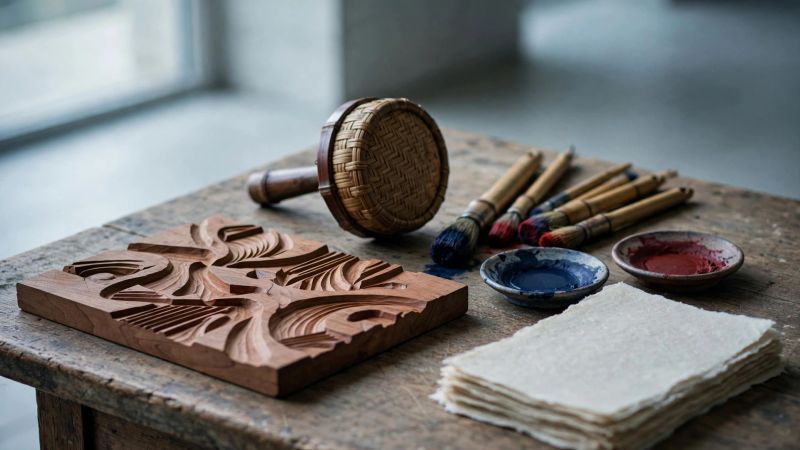
Pictures of the floating world: Edo publishers, colour woodblock craft, and the prints that remade European modern painting
Ukiyo-e means pictures of the floating world: commercial woodblock prints and paintings of Edo entertainment, travel and fashion. This guide covers the publisher system, the colour woodblock process, Utamaro, Hokusai and Hiroshige, Japonisme across Europe, and where major museum impressions hang today.
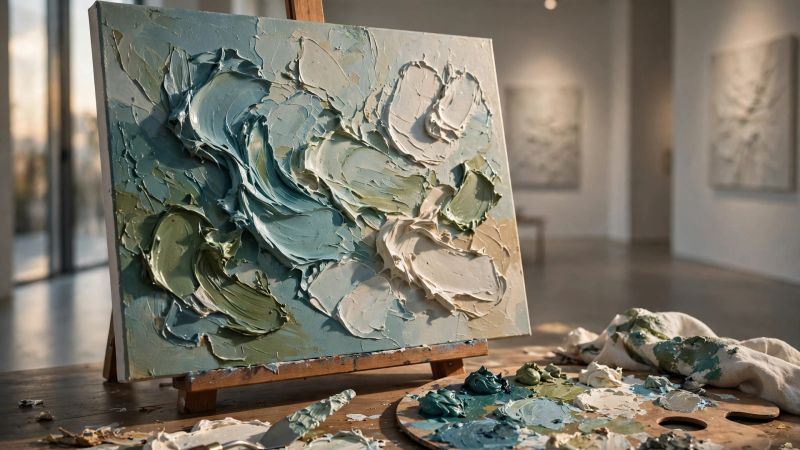
Thick paint, knife and brush: binders, drying chemistry, Van Gogh to de Kooning, cracking modes, and studio costs today
Impasto is the practice of laying paint so thick that brush or knife marks stand in relief on the support. This guide stays with technique: how binders carry weight, how workshops sequence layers, who pushed the method from Rembrandt's lead white to de Kooning's scraped surfaces, and why conservators treat peaks differently from flat film.
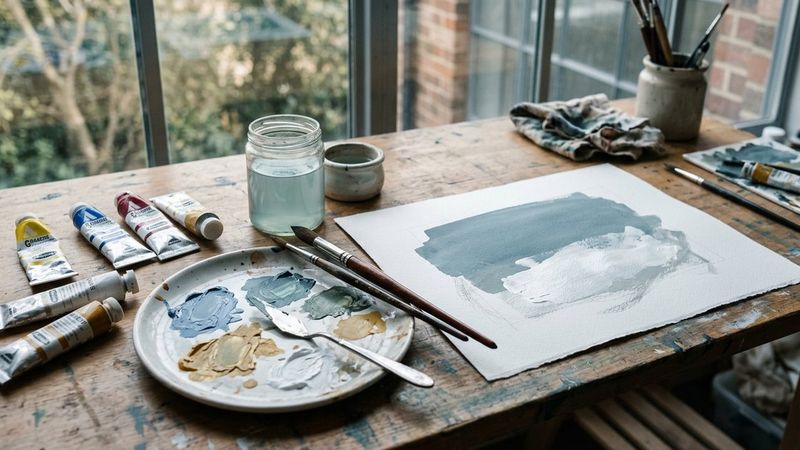
Opaque watercolour on gum arabic and chalk, from Turner highlights to Matisse cut-outs, plus designer versus artist ranges
Gouache is water-based paint made opaque with extra pigment and white filler, bound in gum arabic like watercolour but drying to a flat matte film you can rewet. This guide covers chemistry, designer versus artist ranges, working method, history, named museum works, conservation risks, and what tubes cost today.
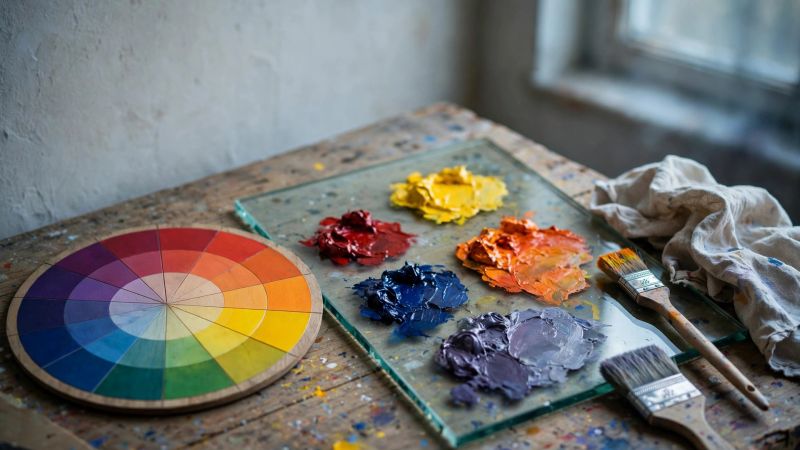
Hue, mixing and the colour wheel as studio grammar, read through six named paintings from Titian through to Bridget Riley.
Colour theory in art is the set of looking rules studios use for hue, mixing and harmony. This guide maps subtractive and additive systems, the wheel, complementary and analogous schemes, and six museum works, then shows how to read a palette on the wall without sliding into symbolism or pigment lore.