
Dubai · 22/09/2021
Metaphor
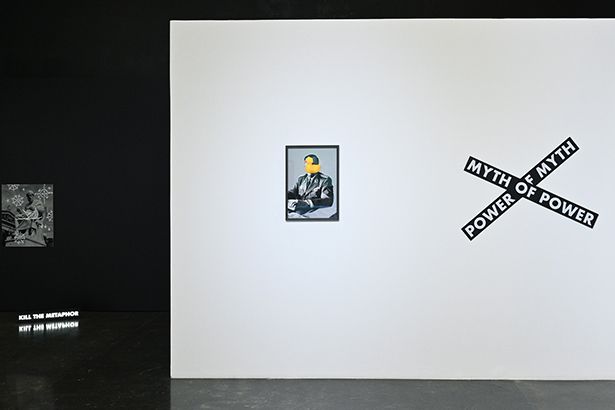
.hidden { font-size: 0.00001px; } Metaphor by Saher Nassar Art Exhibition Metaphor Saher NassarLocation: Dubai In his first solo exhibition titled Metaphor, Saher Nassar reflects the spirit of a mutineer or a revolutionist. He rebels against dominant metaphors, established symbols, and the power of authority. Through four series of artworks, he focuses on the theme of breaking metaphors resisting all sorts of rules, expectations, or norms, and questioning all sorts of representations of establishment and authority. He presents a different body of works with a range of materials and styles as he uses a mixture of abstract paintings, collage, drawings, and photographs in addition to ready-made objects. In one series, he places five packs of cigarettes in the middle of five different archival images of war that took place in five different countries around the world. The message on the five packs reads: Smoking Kills in five different languages connected to the five different geographies where the photos were taken. The series stresses on two layers of dangerous threats to humanity: war and smoking. Nevertheless, the third layer that he is trying to convey can be read between the lines; it’s the lethal combination between capitalism and politics where the politics of war paves the way for Western multinational conglomerates to dominate the economies of poorer countries selling products that also kill. In Network Nassar’s works take the form of abstract art through the geometric colorful stripes that occupy the canvas. In the middle of each work, he adds an actual blood slide sample. The stripes are meant to reflect the variety of data that blood samples hold, representing “one’s behavior and their likes and dislikes, and what makes them who they are”. So even though “blood“ can unite a group of people metaphorically, the details tell a different story. In this sense, Nassar calls against tribal partisanship and ethnocentrism and looks at individuals for who they are. In Kill The Metaphor, he presents a series of mixed media artworks exploring “the myth of power and the power of myth” in different ways. He explains the metaphor as “a tool that’s meant to help us understand phenomena and make sense of the world around us. However, it could be deceitful and could prevent us from seeing the truth.” Nassar’s watchfully chosen words and images are an attempt to expose objects or actions that we think mean something while they reinforce the authority of power over people and encourage narrow-mindedness. Killing the metaphor is ridiculing and exposing what lies beyond the surface and encourages accepting other opinions, beliefs, and behaviors, different from one’s own and the rejection of the domination of the power of authority.
Participants
News by Exhibo
Editorial coverage on Exhibo
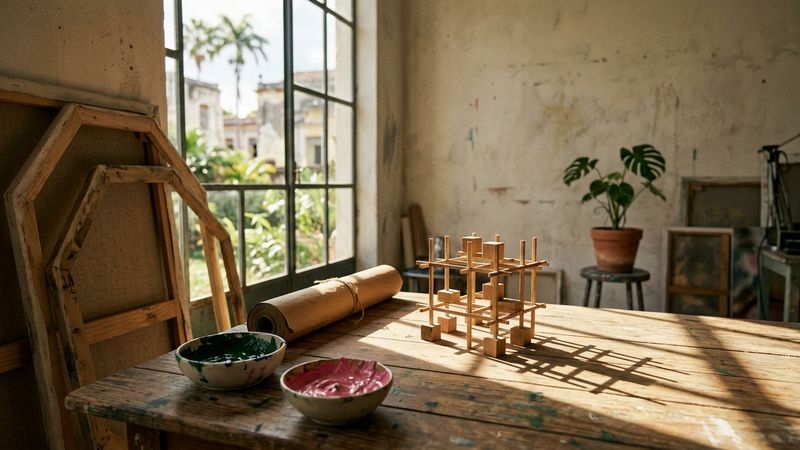
Latin American Modernism
From São Paulo’s 1922 Week and Antropofagia to Torres-García, Madí, Lam and neo-concrete colour: modernisms south of the US border
Latin American modernism is a cluster of twentieth-century programmes, not one school. This guide maps Brazilian Antropofagia, Río de la Plata constructivism, Caribbean Afro-Atlantic painting and later concrete and kinetic work, with named museum holdings and a visit chronology.
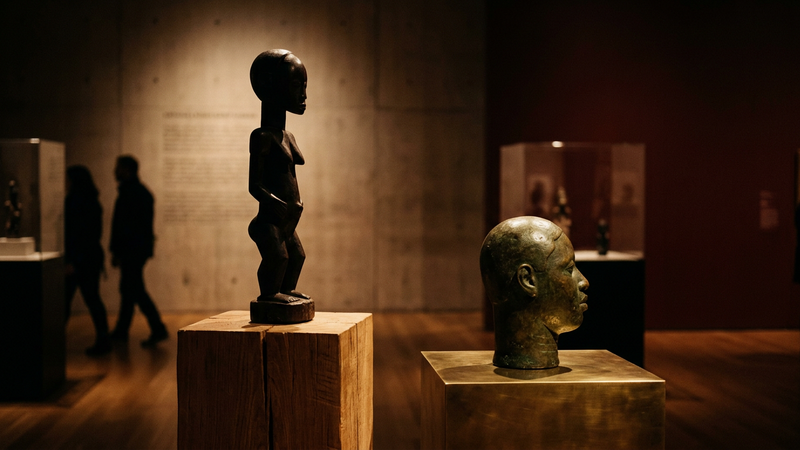
African Art, Explained
Named West, Central and southern African traditions in museum collections, from Nok terracotta to Benin brass and Kongo power figures.
African art in museum speech covers thousands of years and many peoples across distinct regions. This historical survey names Benin, Yoruba, Kongo, Dogon and related court and community arts with museum examples, and tracks how colonial collecting shaped what European and American viewers met first.
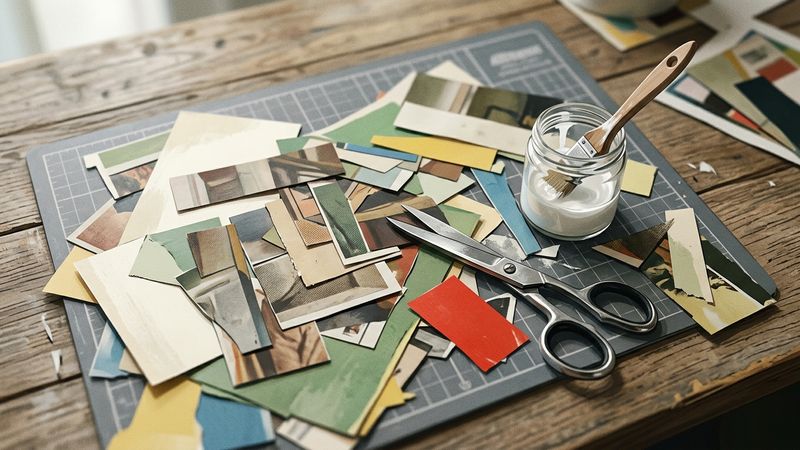
What Is Collage?
Cut paper, glue and found print on a support: how collage works as technique and object, from Cubist papiers collés to digital layers
Collage glues fragments of the visible world into a new picture plane. This guide defines the technique against photomontage and assemblage, traces paper chemistry and adhesives, walks a studio sequence from support to seal, reads six museum works from Picasso to Bearden, and notes how acidic glue and cheap print stock fail in storage.

The Principles of Design in Art
How artists organise line, colour and mass: the classroom lists that disagree on five to eight names, mapped with museum pictures
Principles of design are the organising jobs artists apply to the elements of art: balance, contrast, emphasis, movement, unity, and, depending on the sheet, rhythm, pattern, proportion or variety. This hub maps the disputed census, reads dated works from Raphael to Riley, and sends each named job to its own page.

What Is Unity in Art?
Wholeness as a design principle: repetition, colour key and variety, with seven dated museum works from Giotto to El Anatsui.
Unity in art is the sense that separate marks, colours and objects belong to one work. This vocabulary guide treats harmony as a close cousin, variety as the needed counterpart, and Gestalt grouping as a looking tool, then reads seven catalogue objects and names the mix-ups that flatten student essays into ‘it all matches’.

What Is Texture in Art?
Surface quality as an element of art: actual and implied texture, how painters and sculptors build it, and how to name it in front of a work.
Texture in art is the surface quality of a work: how it would feel in the hand, or how paint, line, and light make it look as if it would. This guide separates actual from implied texture, reads six named works, and shows how to describe texture without mixing it up with form, value, or a thick-paint recipe.