Berlin · 25/09/2026
Bertram Hasenauer: Trickster
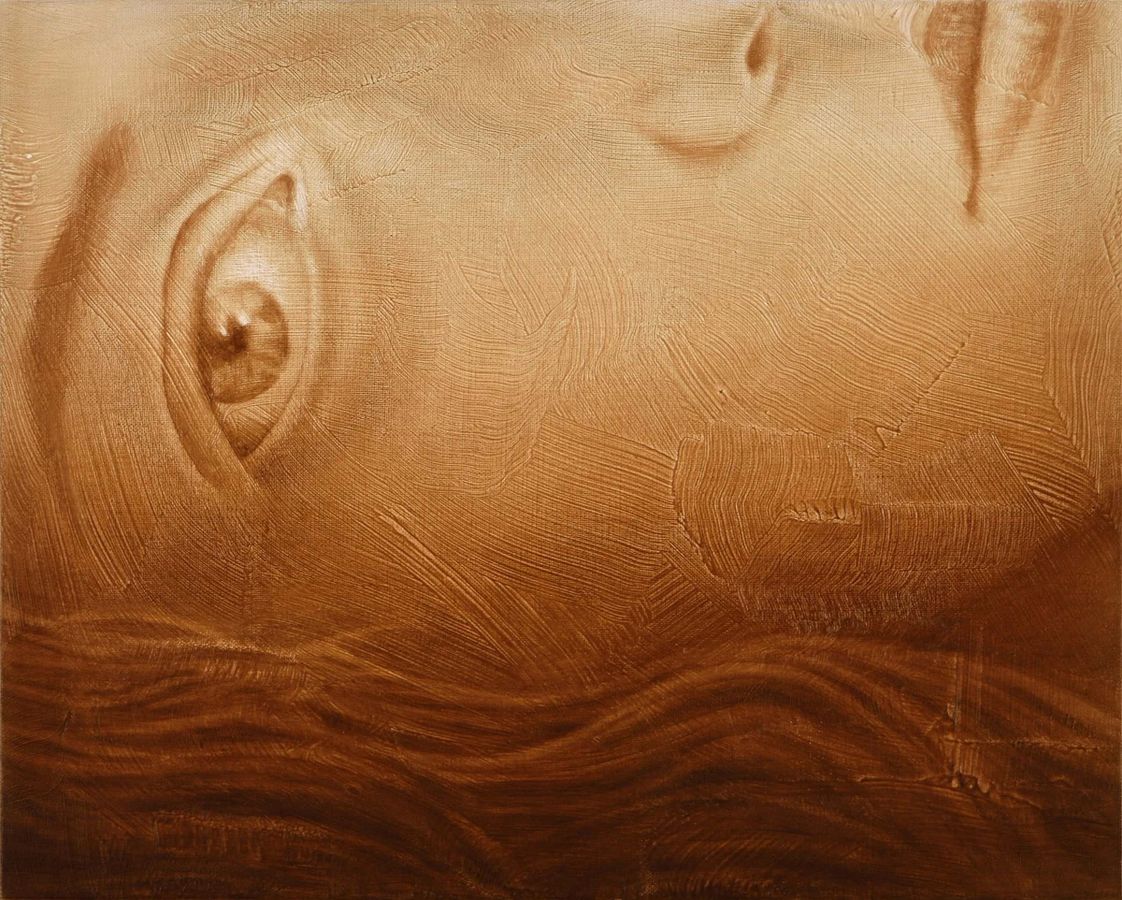
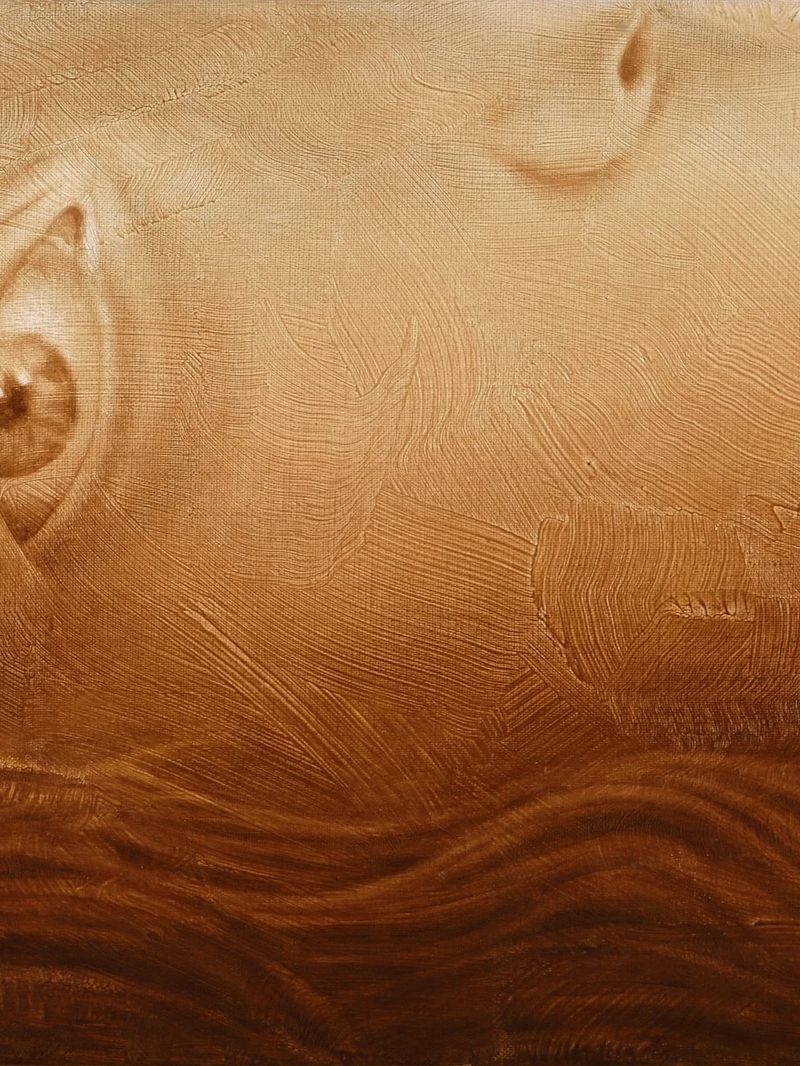
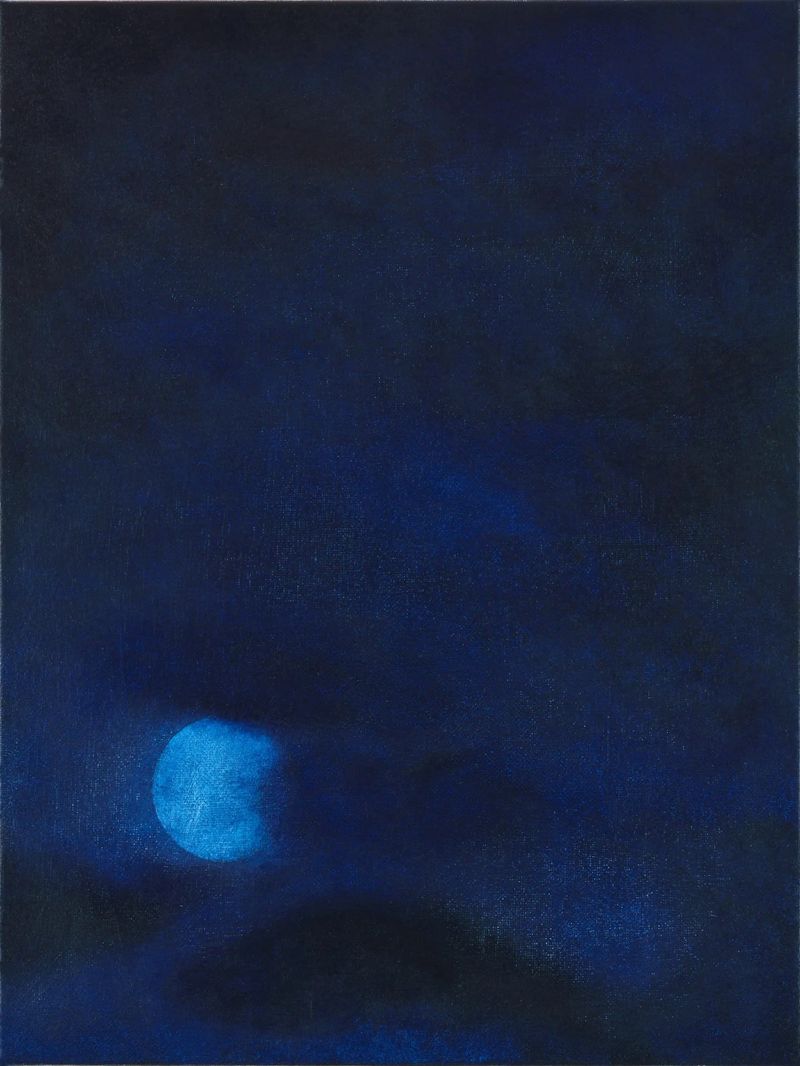
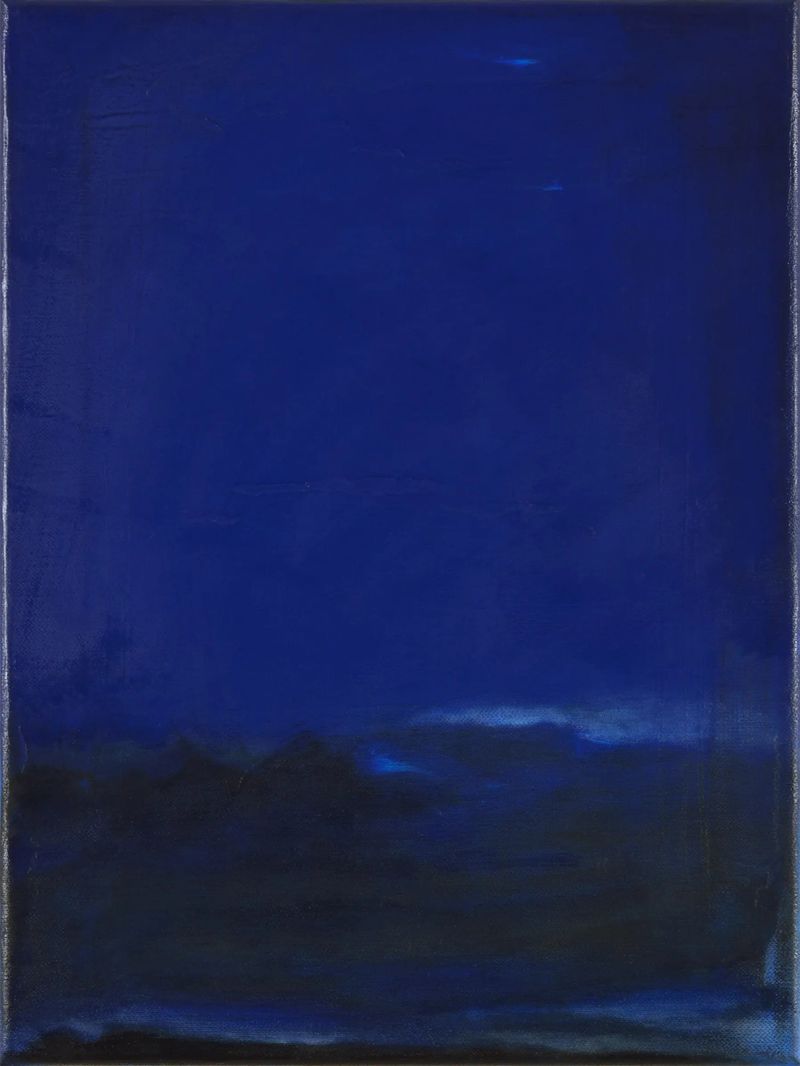
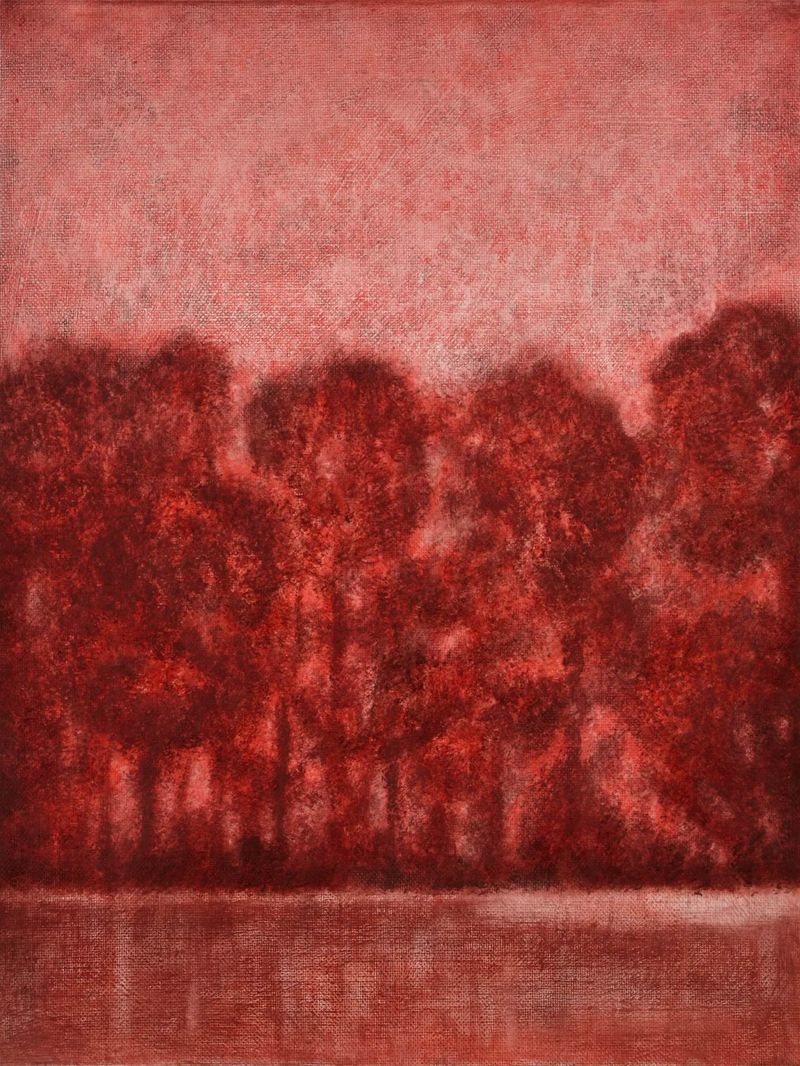
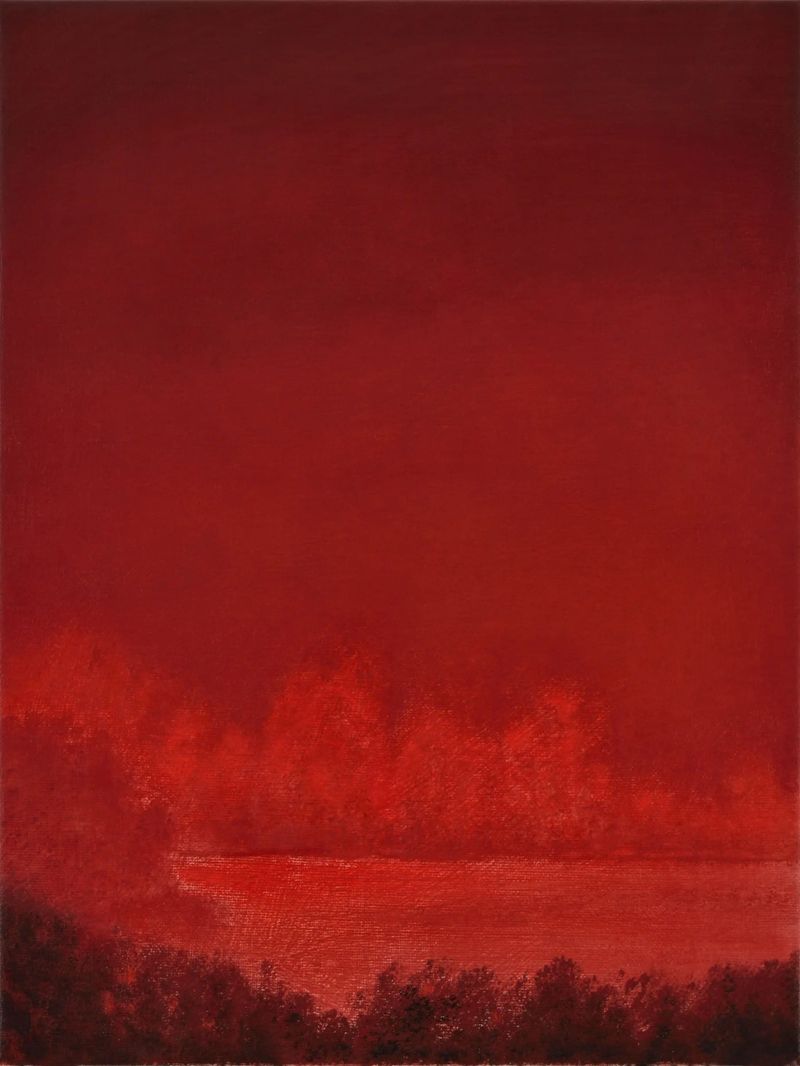
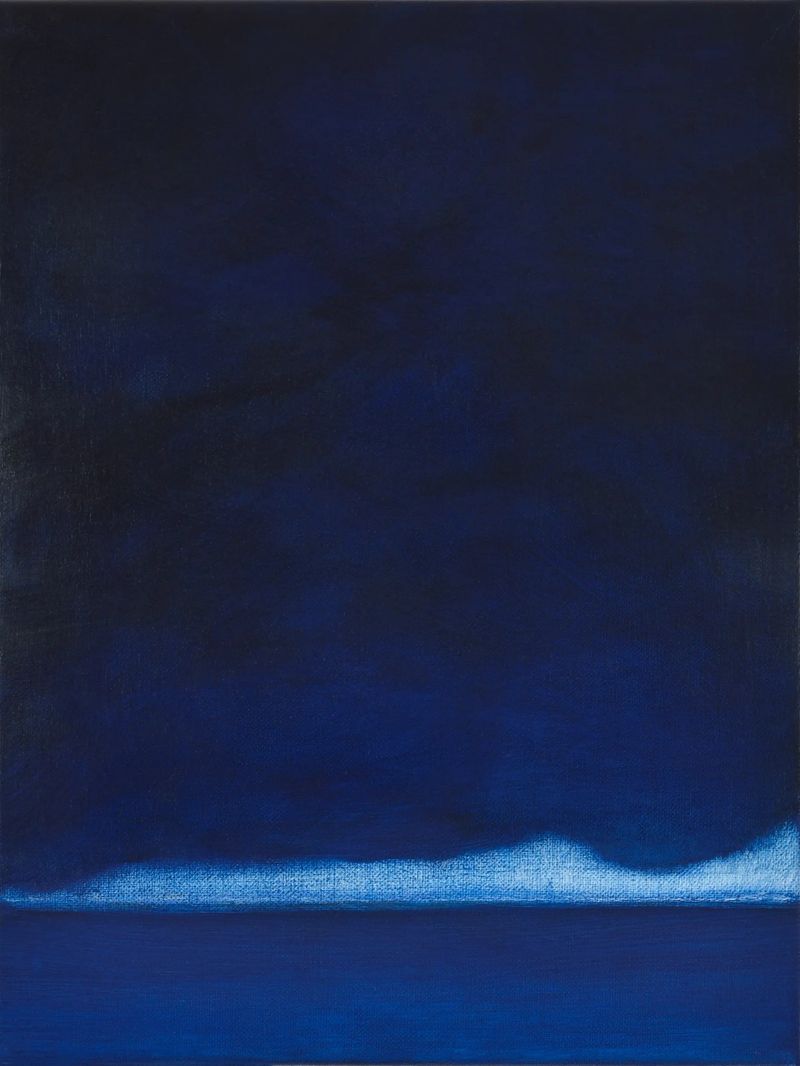
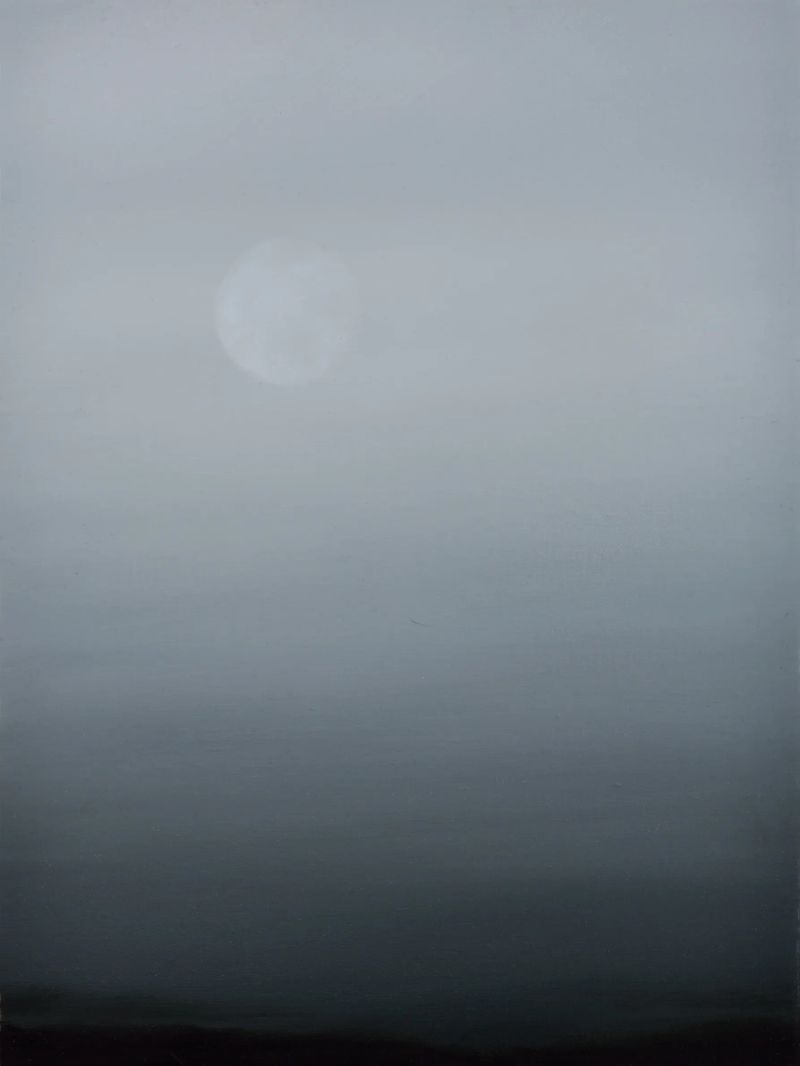
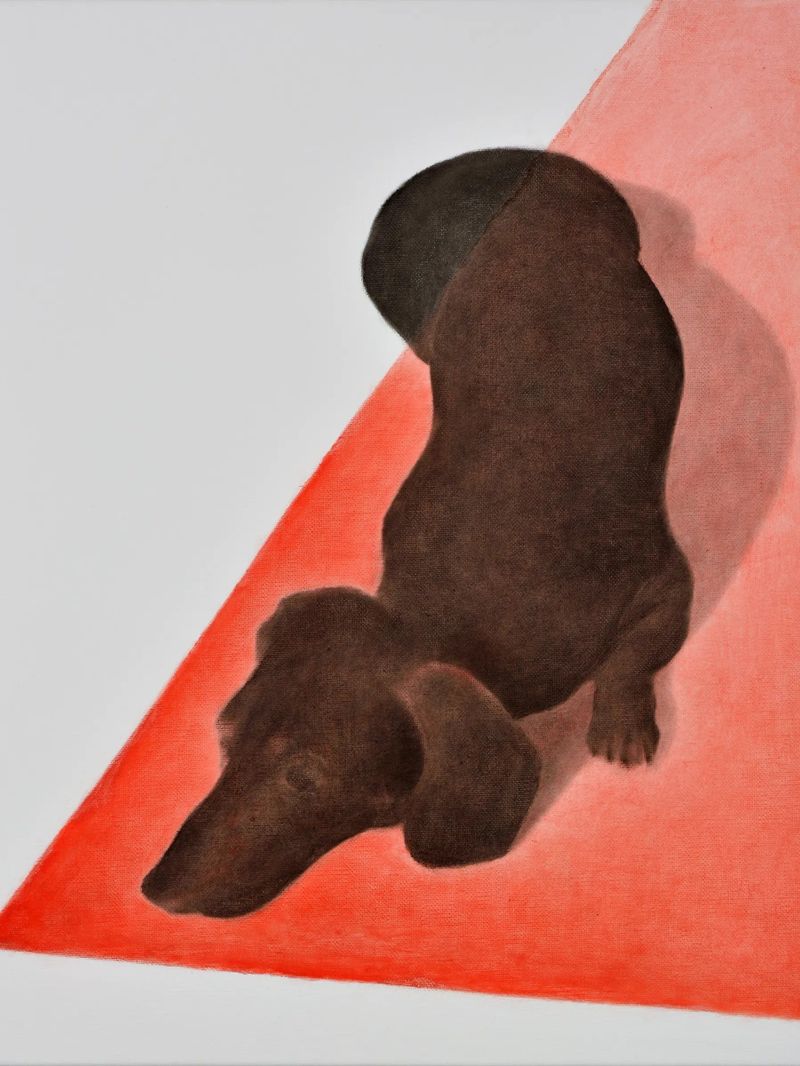
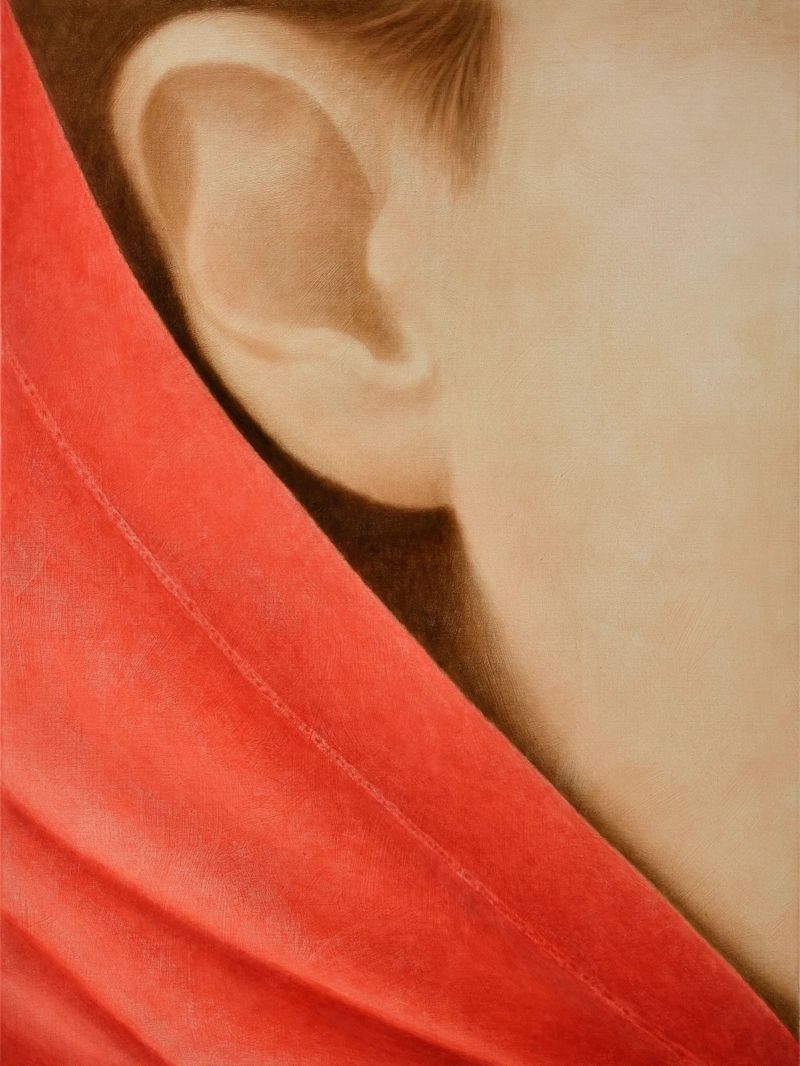
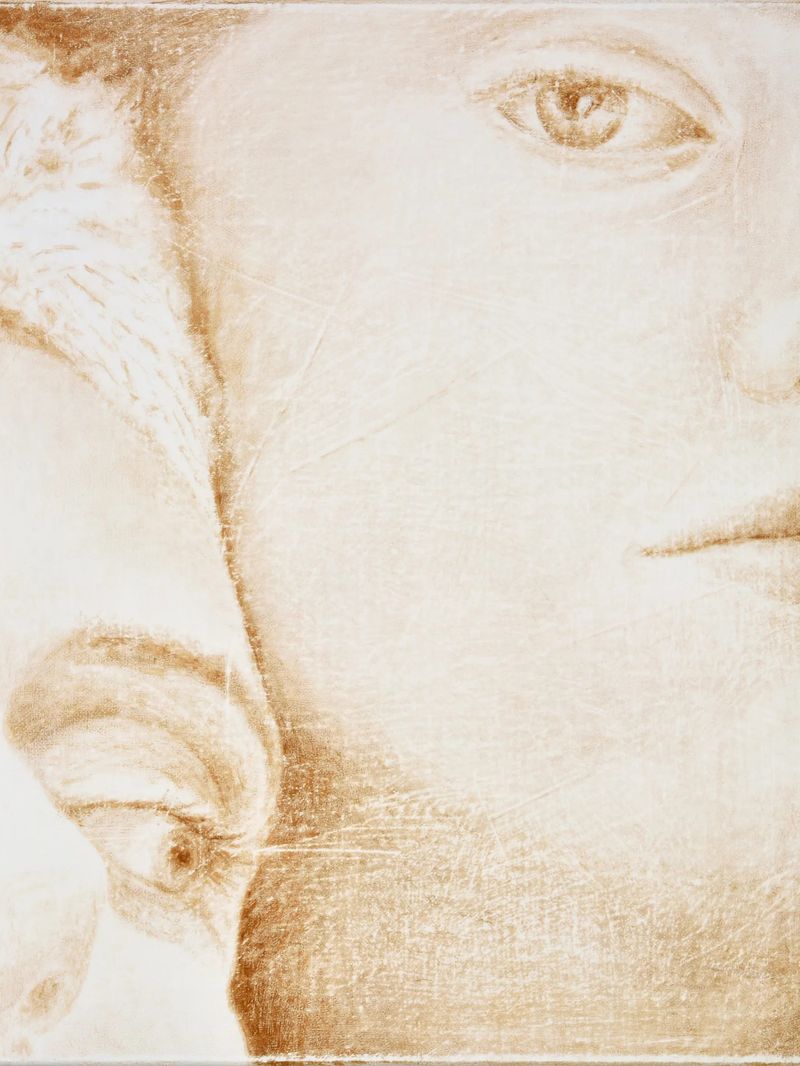
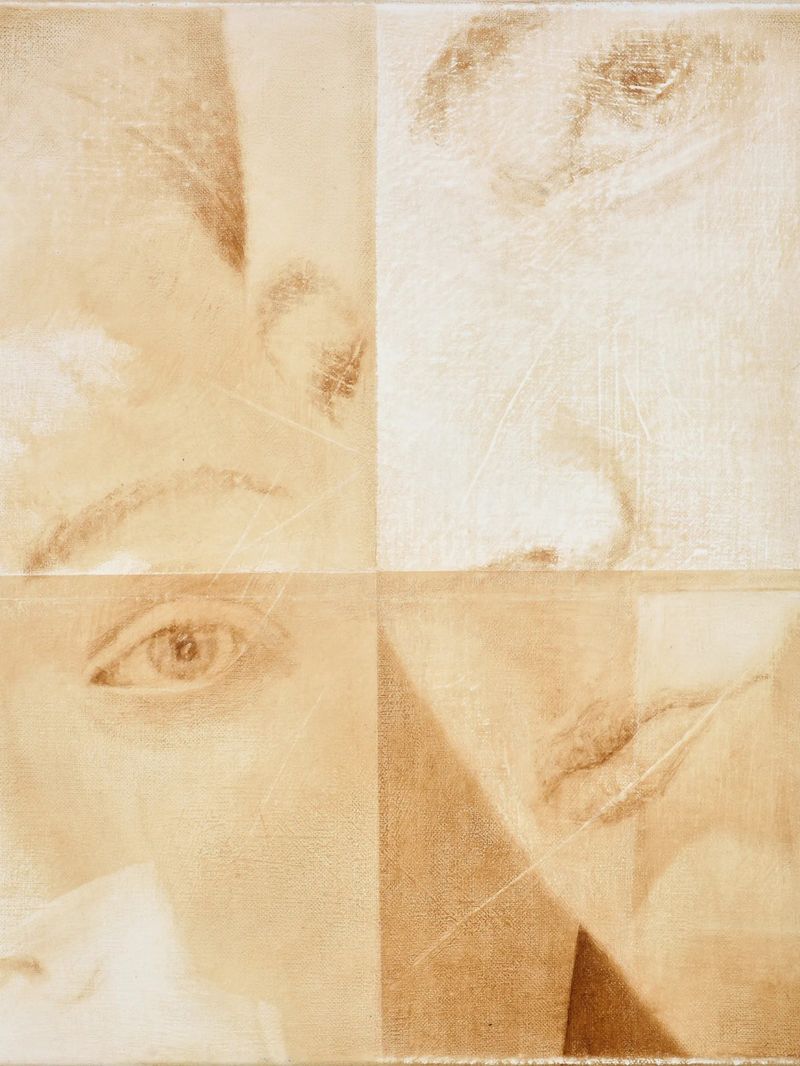
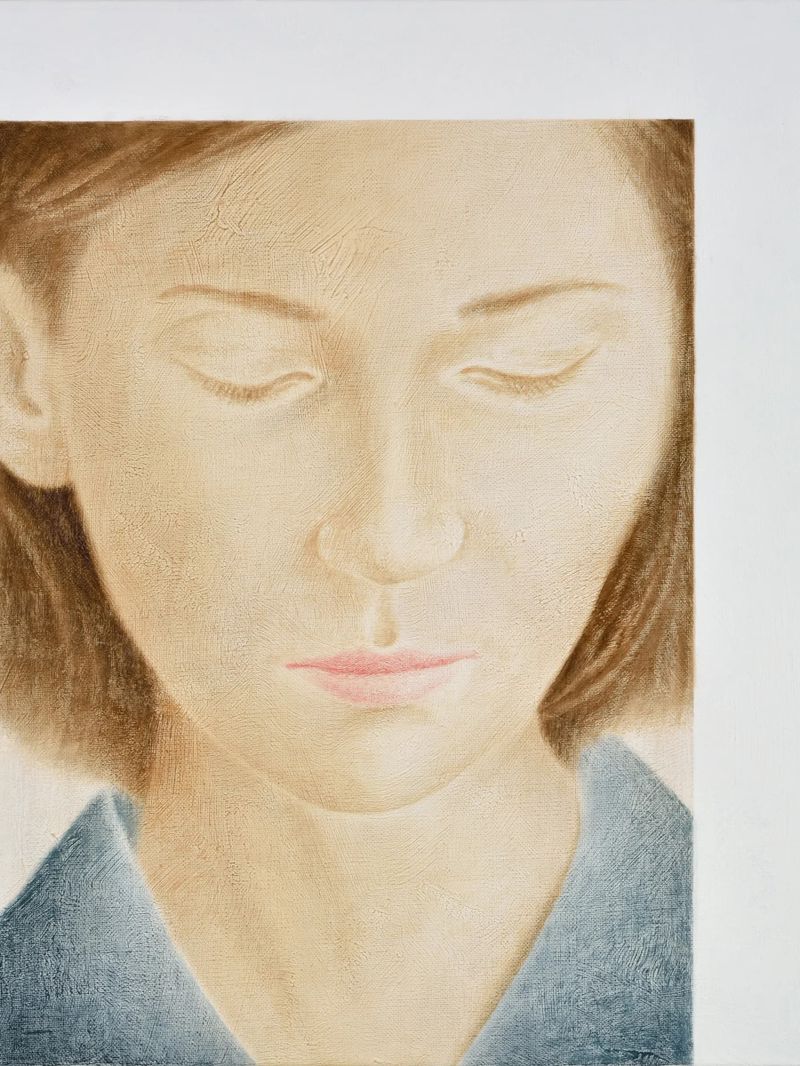
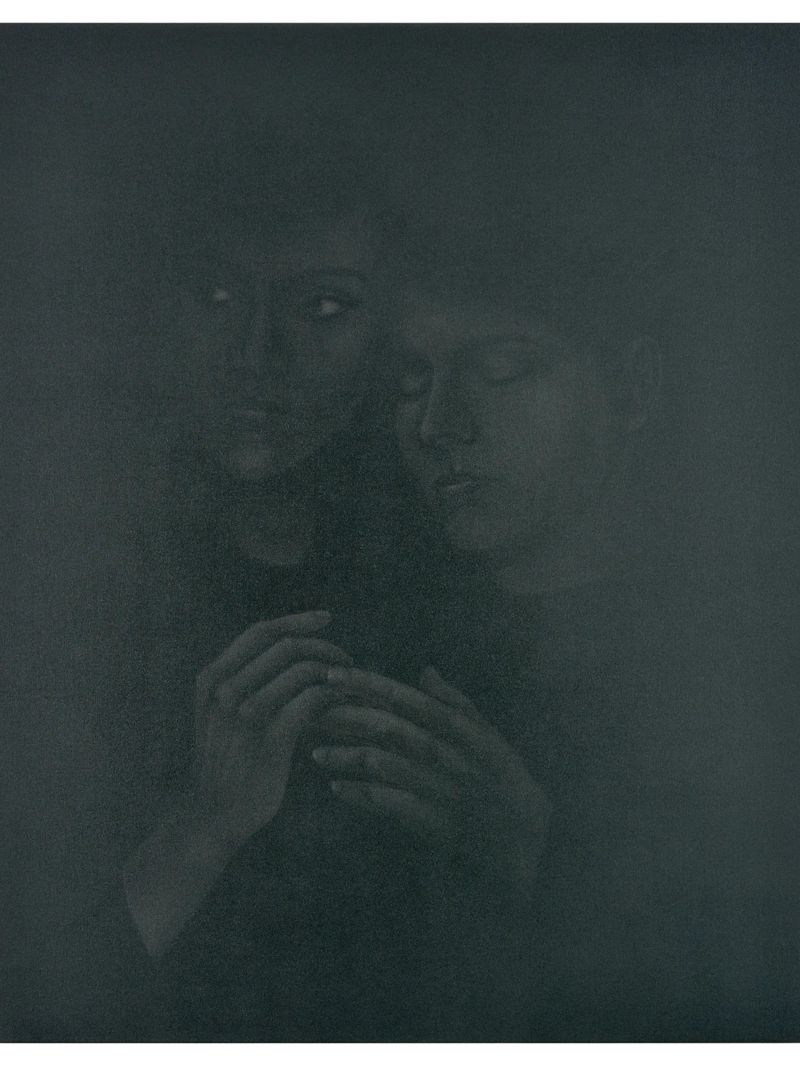
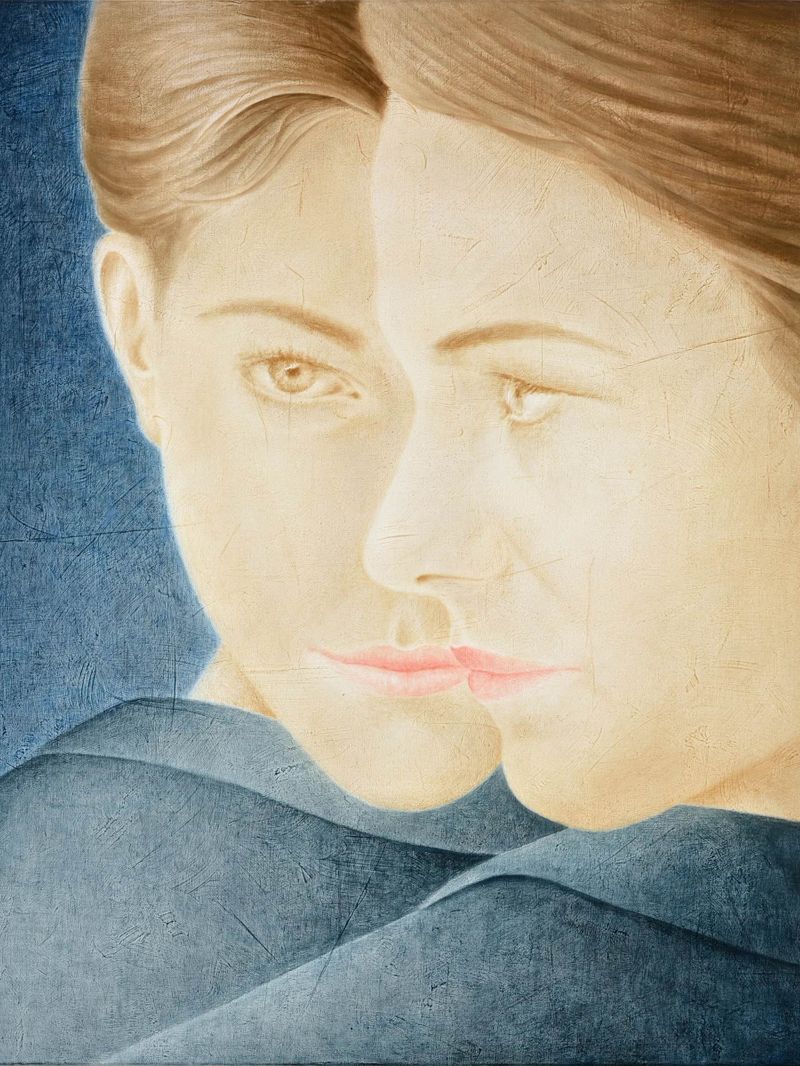
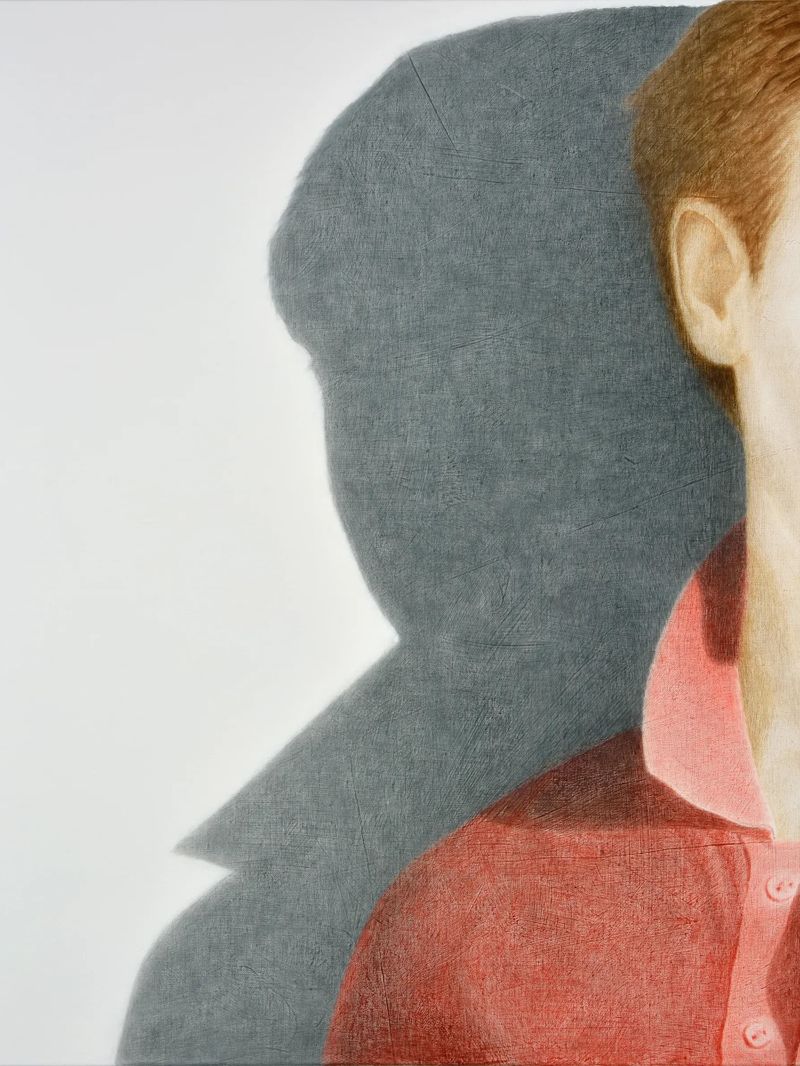
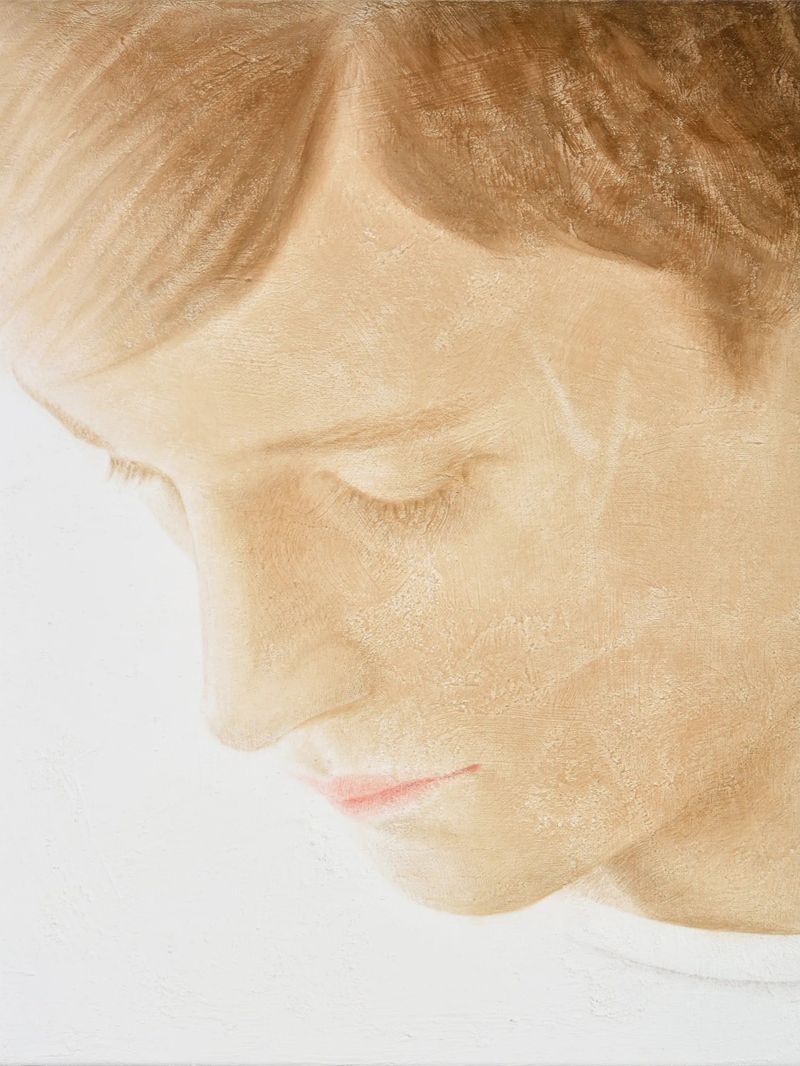
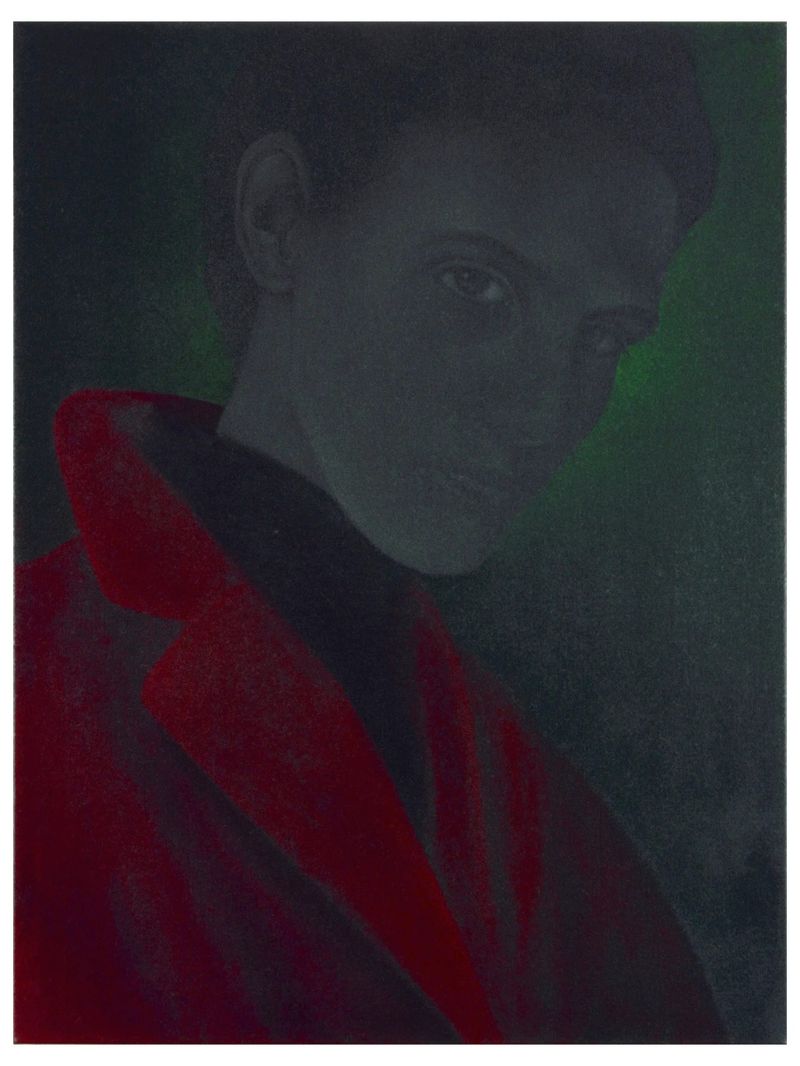
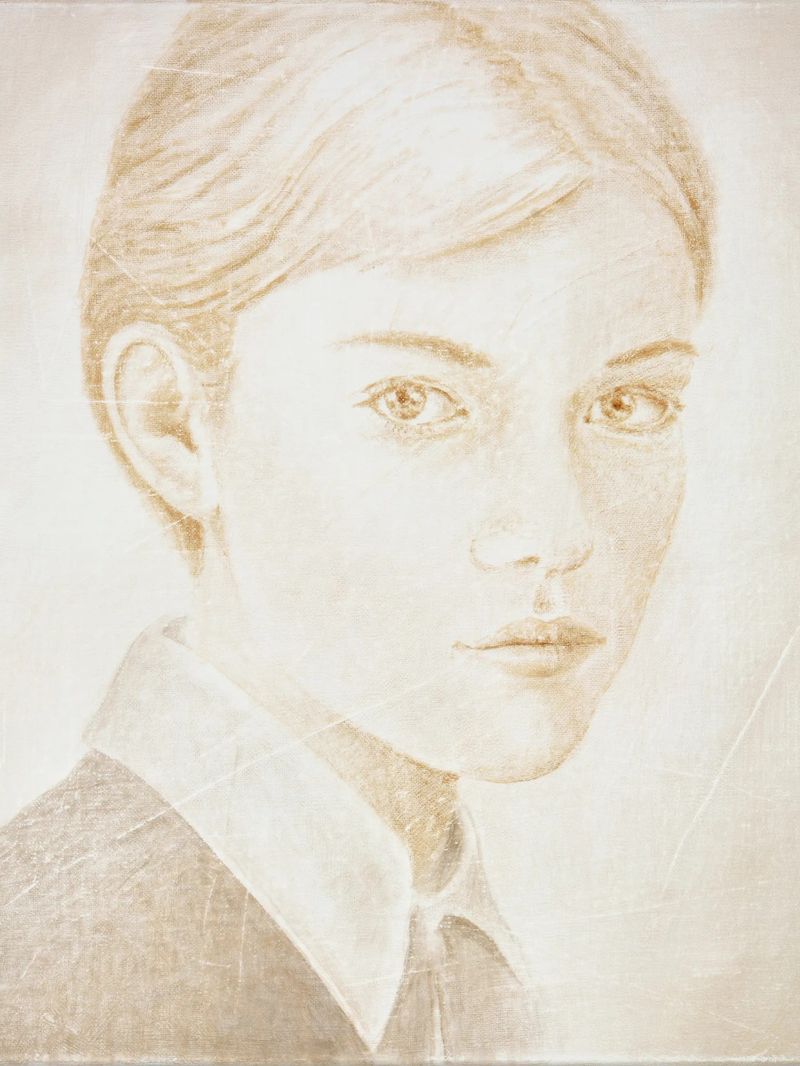
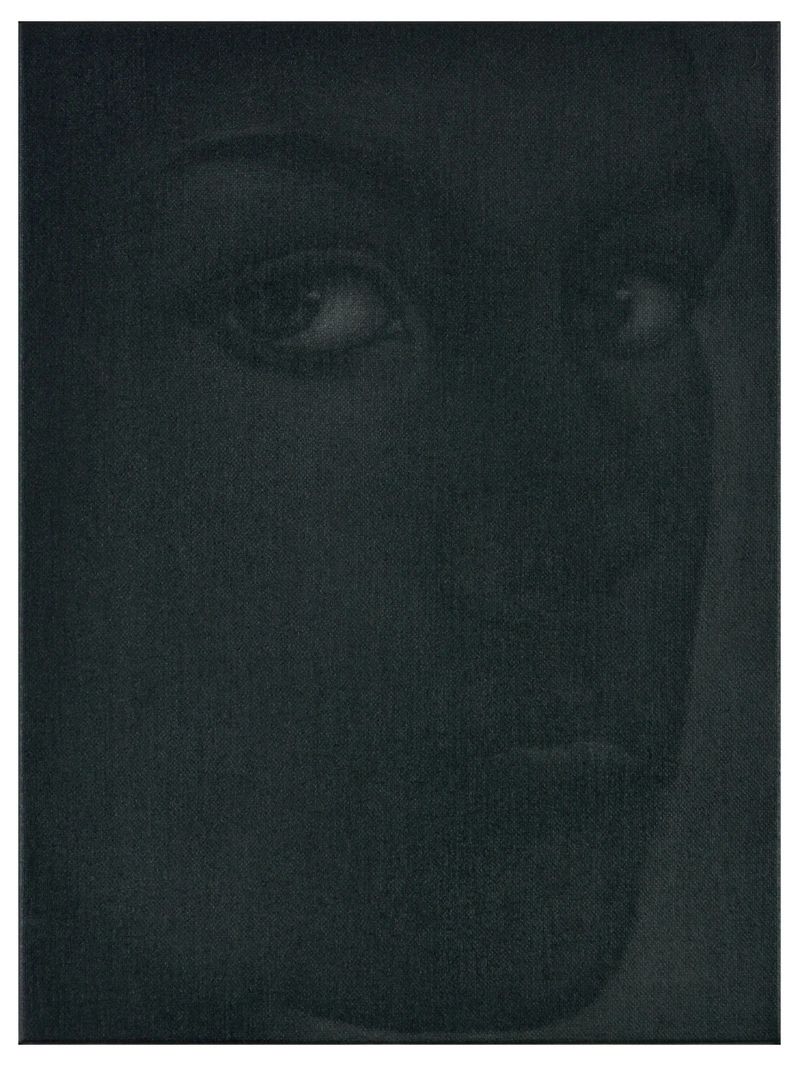
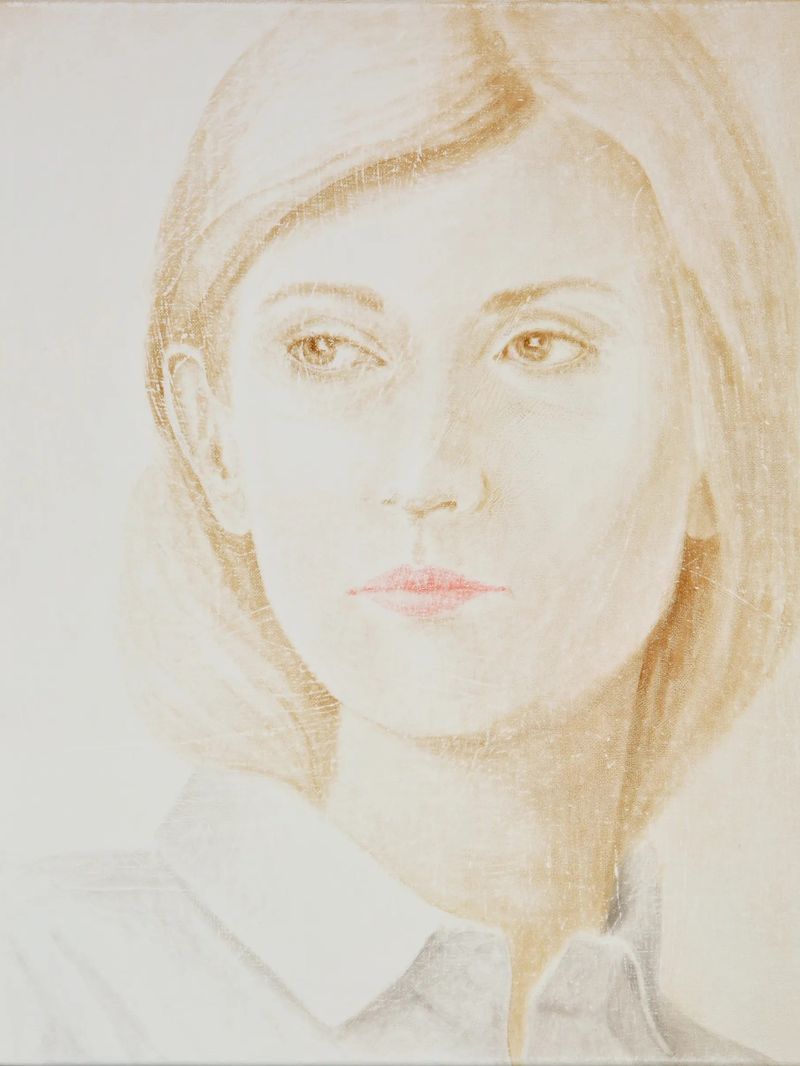
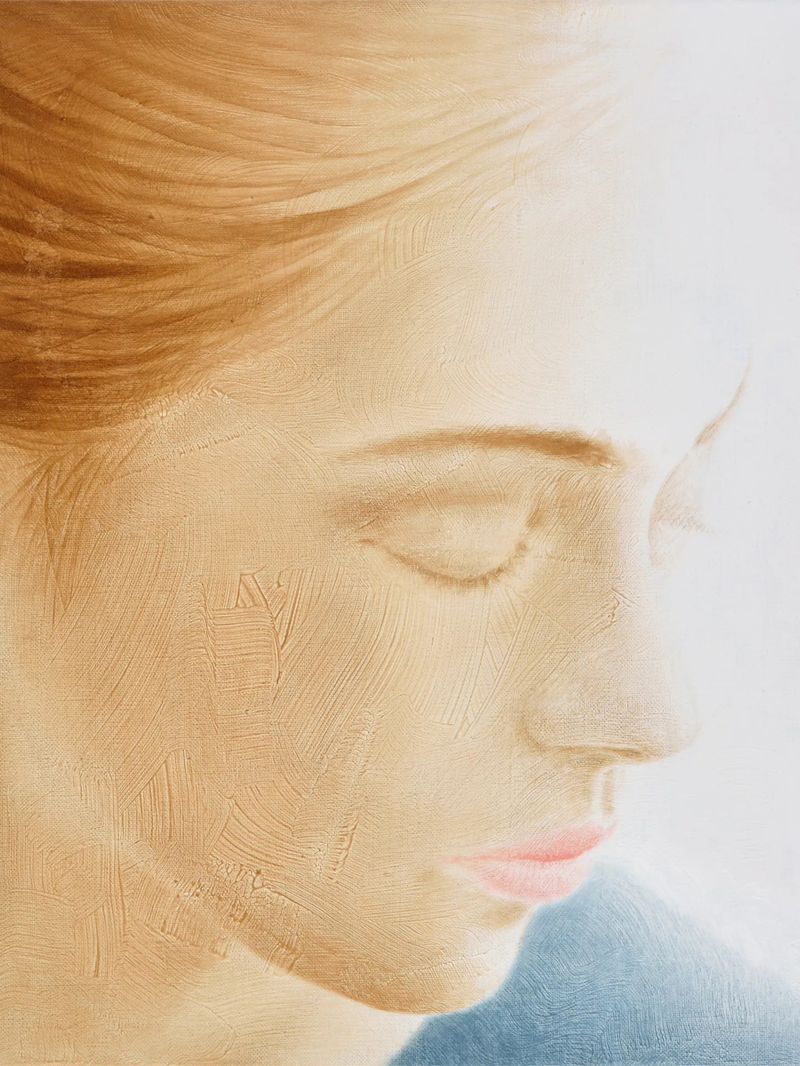
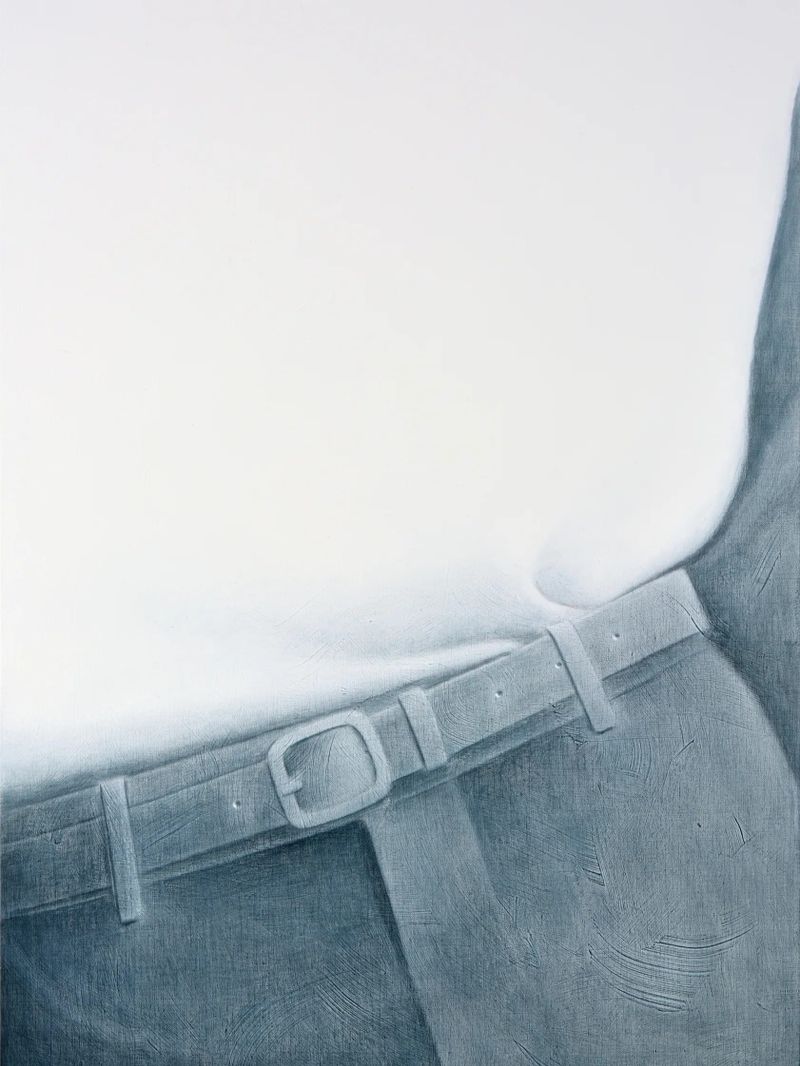
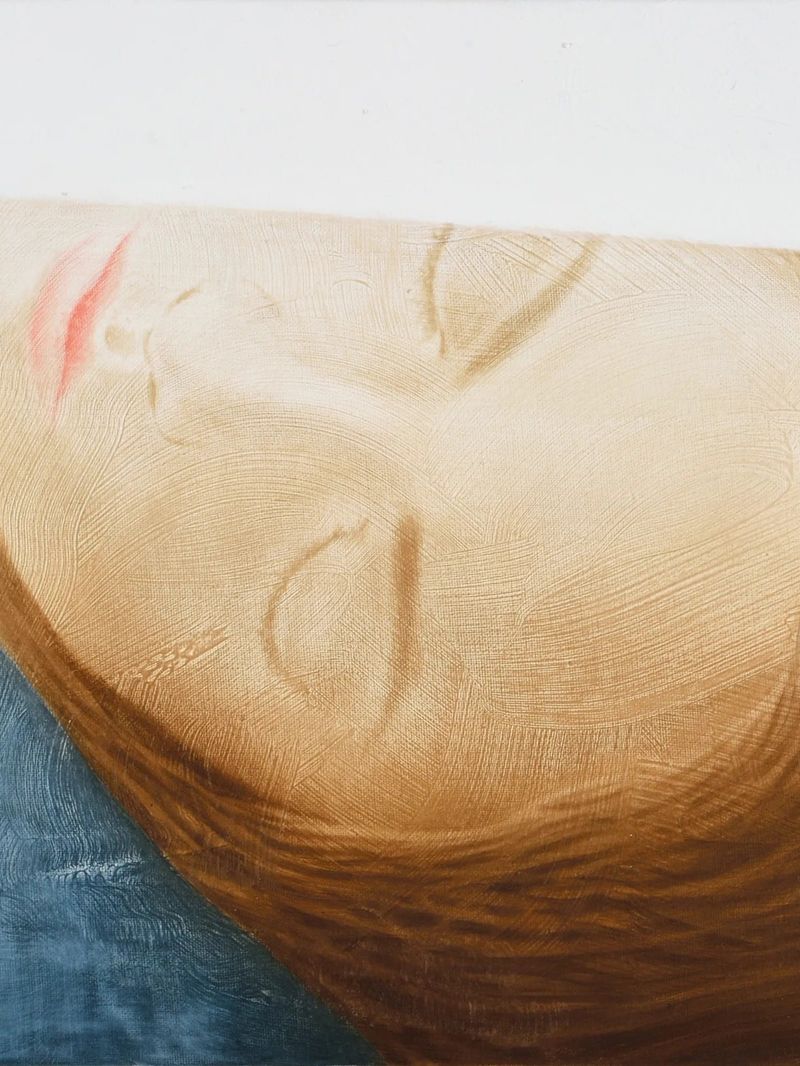
Faces drift in and out of focus, melting into white light and velvety shadow. Elsewhere, mysterious landscapes seem to rise from deep shades of red and blue. In Trickster, Bertram Hasenauer's solo exhibition at Kristin Hjellegjerde Gallery Berlin, images hover between recognition and uncertainty, drawing the viewer into a world of flickering forms and perceptual play. Throughout the world's mythologies the trickster appears in many guises: a figure who crosses boundaries and slips free of social and cultural expectations. There is playfulness in the trickster, but also deceit – when we meet one, we know to be on our guard, because things may not be what they seem. For Hasenauer, this quality reaches beyond the subjects he paints to the very act of making images. Some of his figures bear the names of famous tricksters, such as Loki, the shape-shifting Norse god of mischief, or Ananse, the West African folk hero who most often takes the form of a spider. Others are named after characters of the artist's own invention. Rather than portraying particular individuals, however, Hasenauer creates what he calls an 'idea of a figure'. Each portrait emerges through a slow and painstaking process: very thin layers of pigment are applied to a white-primed canvas, or a silhouette is drawn with precision in graphite on a black surface. Using as few lines as possible, Hasenauer is drawn to the point where perception ends and imagination takes over. The paintings offer just enough information for us to recognise a face or a body, yet leave enough unresolved for the mind to complete the picture. In Ananse, for instance, the figure is not a spider but a woman. Her face looks almost unfinished, with part of it seemingly missing – erased, perhaps, or simply folded out of sight. Yet we instinctively supply the absent detail and complete the image ourselves. In this way the painting becomes a kind of collaboration between artist and viewer: what we see is partly what is there and partly what we imagine. Like the trickster, the image refuses to be pinned down. Hasenauer extends this game by sowing doubt about the physical nature of the paintings themselves. The ochre works, such as Ratatosk, look like photographs bleached by the sun. To achieve this, he builds up a thick layer of gesso as a textured ground, letting its shapes and lines guide the composition and lend the surface a weathered quality. In Mechaniota, the canvas appears to have been folded and unfolded, like a picture carried around in a wallet or a pocket. In both cases our perception is unsettled: are we looking at a painting, a photograph, or an object that has aged and been handled? Alongside the portraits hangs a series of small 'landscape' paintings, some more abstract than others, in which the brushwork recalls drifting clouds or waves, sea spray or rising fog. 'These could be the in-between spaces which the tricksters inhabit,' Hasenauer suggests. Like the figures, these landscapes resist any fixed reading, shifting between representation and abstraction and seeming to appear and disappear as we look at them. Seen together, the paintings create a quiet sense of wonder. Each time we return to them, something seems to have changed: a detail comes to light while another vanishes, a face grows sharper or melts into nothing. These are paintings that ask us not only to look again, but to question the images that surround us every day.