
Abu Dhabi · 18/09/2025
Heritage, Memory, & The Body
Abu Dhabi
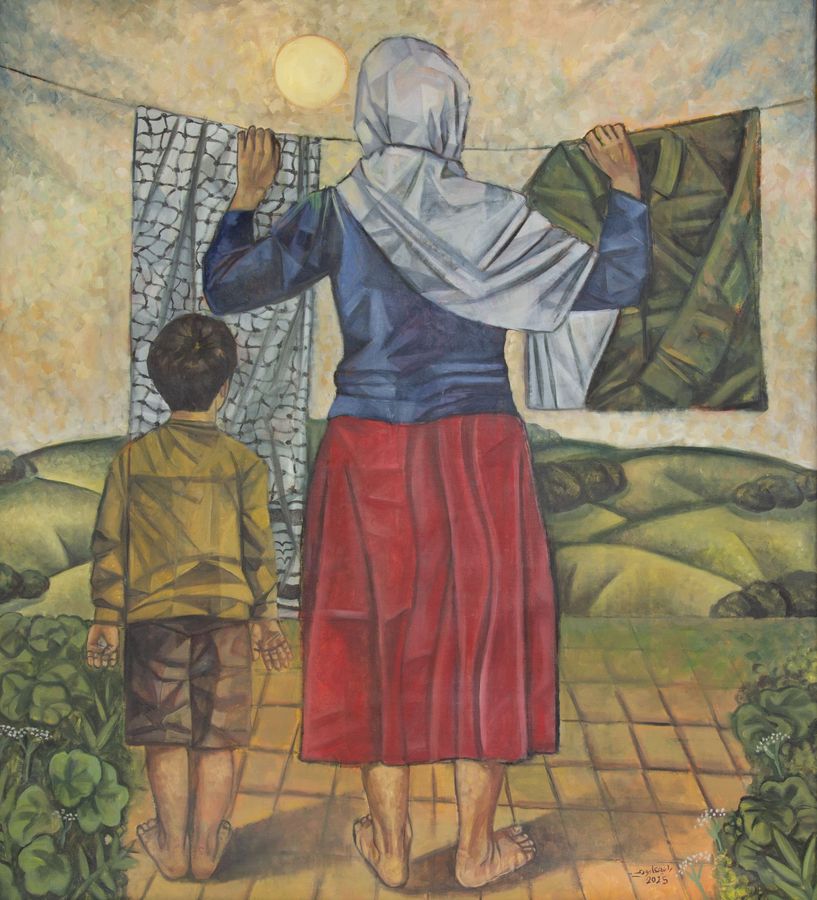
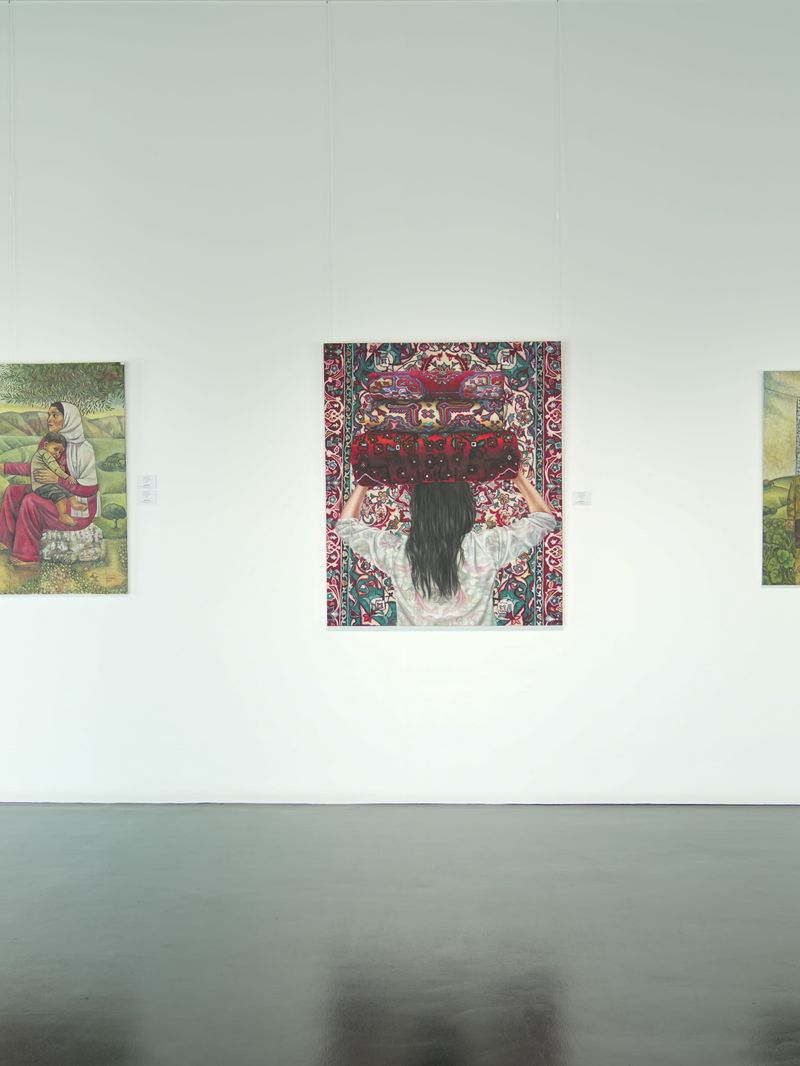
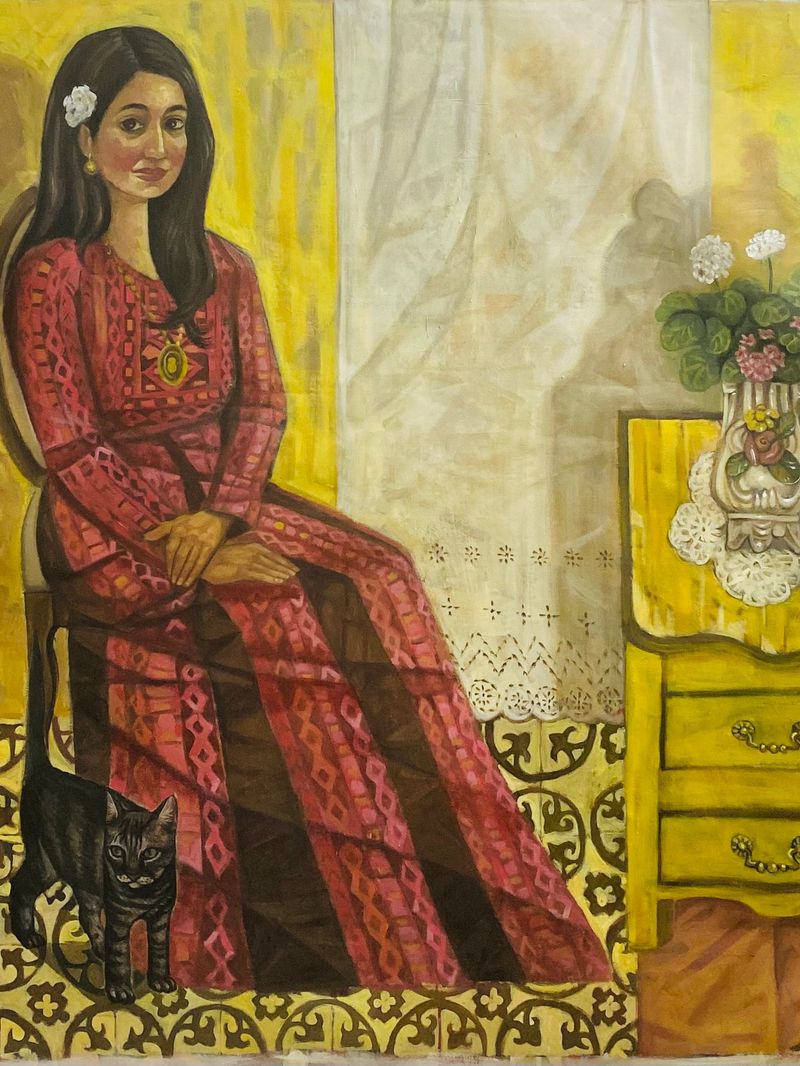
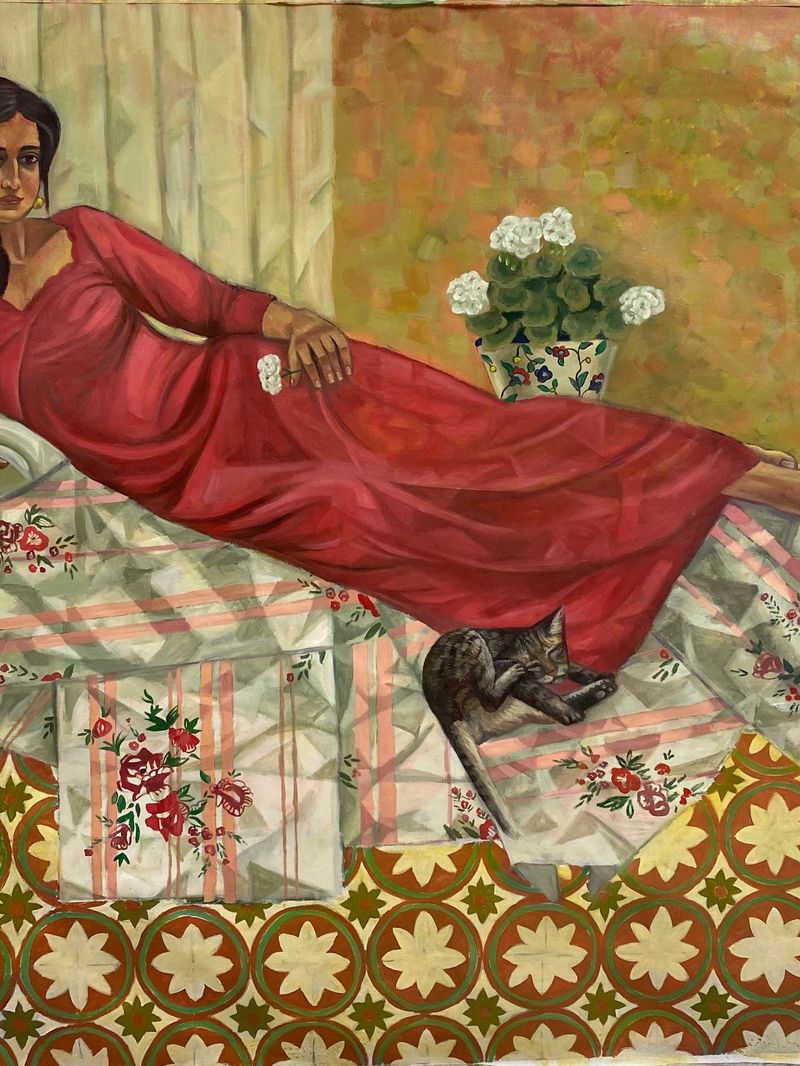
Artbooth Gallery is pleased to present Heritage, Memory, and the Body, a group exhibition featuring the works of four distinguished Palestinian women artists: Rania Amoudi, Dina Matar, Fatima Abu Rumi, and Marwa Alnajjar. Curated by Rula Dughman, founder of Bab ed Deir Art Gallery, this exhibition also stands as a tribute to the role of visionary curators in shaping spaces of memory and cultural continuity. On view from September 18 to October 31, 2025, at Artbooth Gallery Abu Dhabi, the exhibition unfolds as a lyrical meditation on identity, displacement, and the enduring language of the female form. In a time when the voices of Arab women artists are becoming increasingly central to cultural discourse, these four artists offer a powerful and resonant alternative to static portrayals of femininity and nationhood. While their work is grounded in place, it resists the constraints of borders, following a shared instinct to reclaim the female figure as a vessel of memory, heritage, and quiet resistance. Each painting, each motif, becomes more than a reflection of individual experience; it emerges as a fragment of collective history, layered, and alive.
Participants
Works
News by Exhibo
Editorial coverage on Exhibo
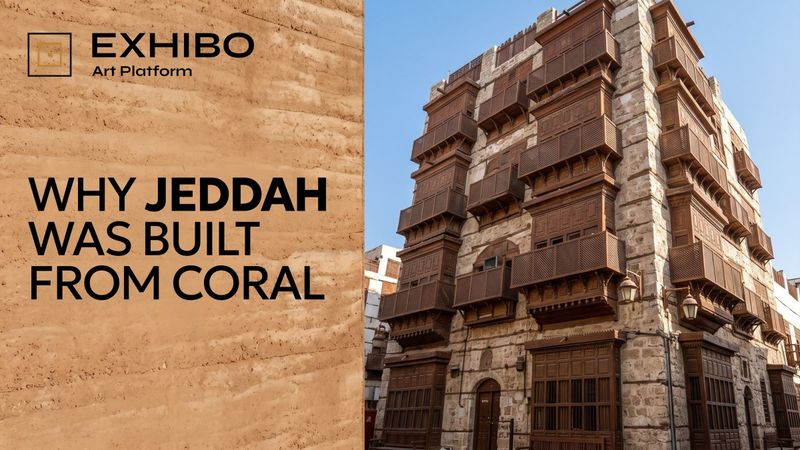
Why Jeddah Was Built From Coral
A treeless port with no stone quarried its whole city out of the reef offshore — then oil and concrete let it walk away from the sea that built it.
Jeddah's old town isn't decorated with coral. It's made of it — reef cut soft from the water and hardened into towers. The strange part is what happened when the city no longer needed the sea.
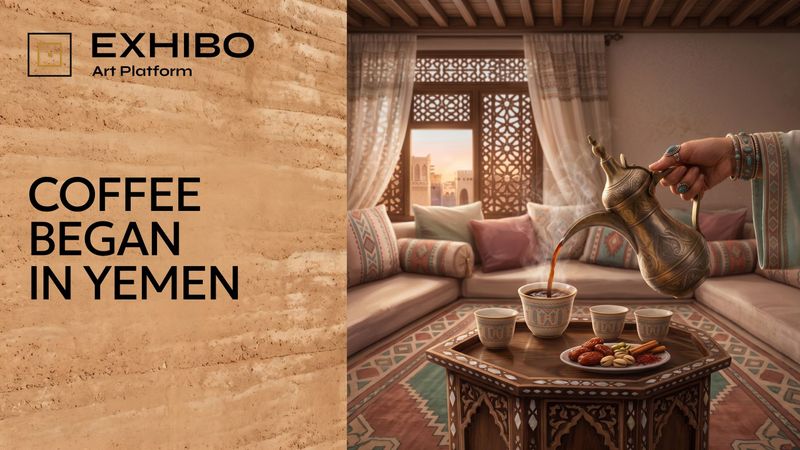
Coffee Began in Yemen
The coffee plant is Ethiopian. But the drink — roasted, brewed, and made the center of a culture — is Yemeni.
Before the espresso machine, before the café, a Sufi in Yemen brewed a bean to stay awake for God. This is the story of how coffee became coffee — from the prayer lodges of the Shadhili order to the Red Sea port of Mocha that named a drink, and finally to the shape the Gulf poured all of it into: the dallah on the one-dirham coin.
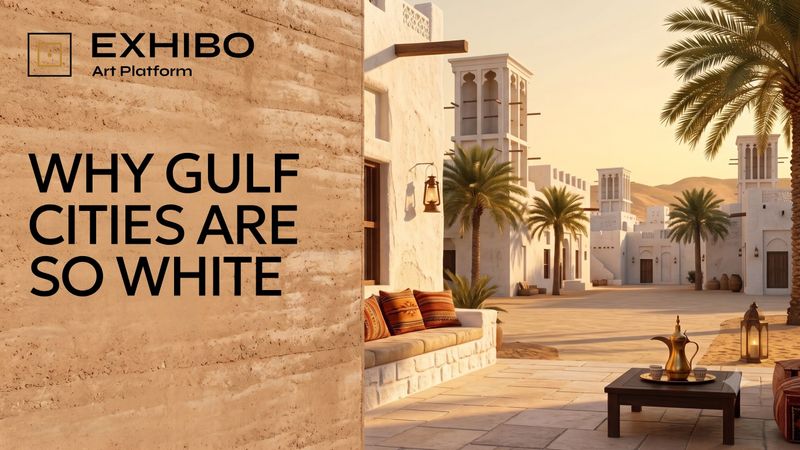
Why Gulf Cities Are So White
The dazzling white of Gulf cities looks like simple physics — sunlight, reflected. The real story runs through coral, lime, faith, oil and the way traditions acquire their reasons after the fact.
Everyone knows why Gulf cities are white: white reflects the sun. It isn't wrong — it's just one strand of a much thicker rope. Follow it back through coral walls and lime skins, a sustainability code that never mentions colour, and a desert that was never really dark and the tidy explanation starts to look like something we tell ourselves afterward.