Marrakech

Sidi Ghanem

5 galleries · 0 museums · 0 places

About this district

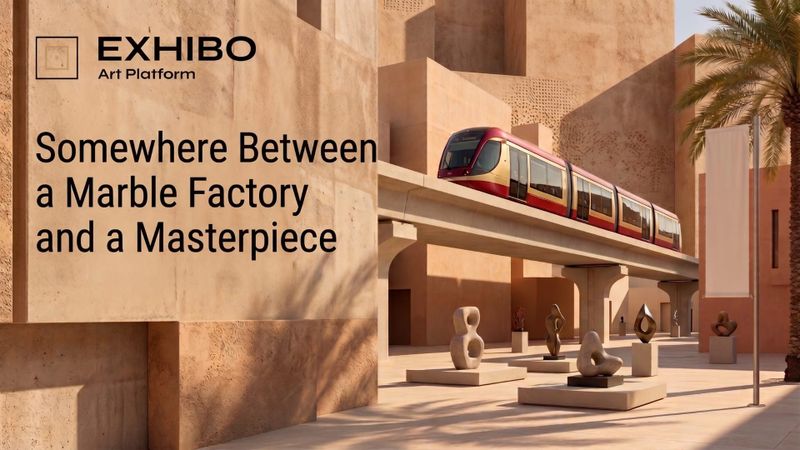
Sidi Ghanem is Marrakech's industrial quarter, and it still looks the part — wide, blocky avenues, loading bays, workshops behind roller shutters, on the northern edge of the city where the taxis thin out. What changed is what moved into the warehouses. Over the last fifteen years designers, ceramicists and gallerists took the high-ceilinged concrete shells the factories left behind and turned them into studios, showrooms and exhibition spaces. The art here favours the ambitious and the experimental, because the buildings allow it: a former workshop makes a better room for a large installation than any converted riad. You come for the day, on purpose, and you plan your ride home. The scale is generous. The pace is unhurried.

Galleries

Museums

No published museums in this district yet.

Places

No published places in this district yet.

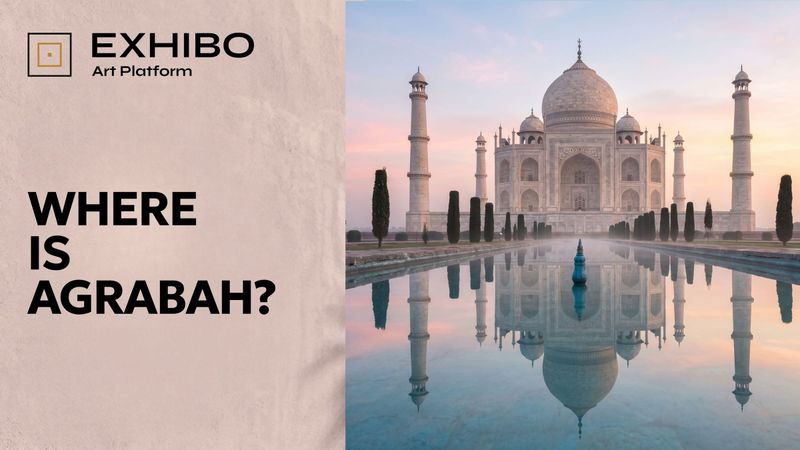
The white marble dome and framing minarets of the Taj Mahal in Agra, mirrored in the still water of its reflecting pool at dawn.
Editorial

Where Is Agrabah? The City Disney Assembled From Real Places

Agrabah was going to be Baghdad. A war made it fictional — and then Disney built it back out of real places, from a tomb in Agra to a valley in Jordan that usually plays Mars.

The Sultan's palace where Princess Jasmine feels trapped has the silhouette of the Taj Mahal — which is not a palace at all, but a tomb. That is how Agrabah works. Disney's fairy-tale city was going to be Baghdad, until the Gulf War made the name impossible; the studio invented a place that could not be found on a map, then quietly rebuilt it out of real ones — Isfahan and Agra, Marrakesh and Mandalay, a Jordanian desert that has played both Arabia and Mars.

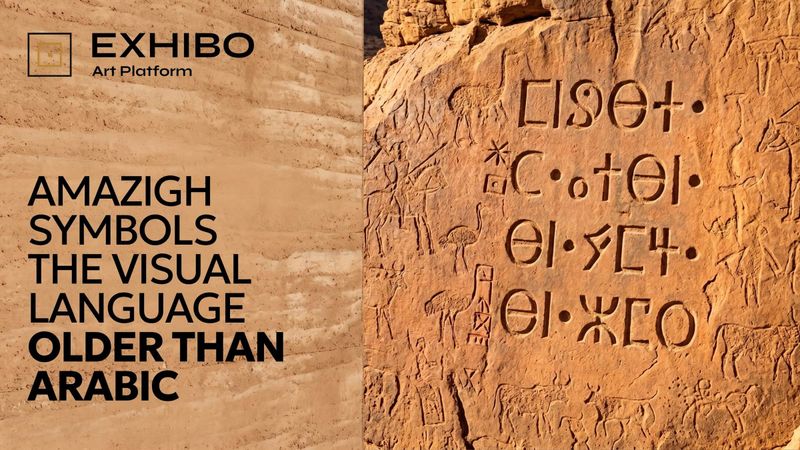
Stylised illustration of Tifinagh-like signs incised on a sandstone panel among desert rock-art figures of cattle, horsemen and ostriches — evoking the Libyco-Berber inscriptions of southern Morocco.
Editorial

The Visual Language Older Than Arabic

How one of North Africa's oldest writing traditions survived conquest, colonial classification and the loss of its readers — and why, for much of it, we still cannot say what the marks mean.

A flat rock in southern Morocco is covered in a script you can see is writing and still cannot read a word of. It belongs to the Amazigh — a visual language older in North Africa than the Arabic alphabet, carried onto skin and wool and silver, nearly erased, and now reassembled into an alphabet on ministry walls. This is the story of what survived, what didn't, and why almost everything we "know" these signs mean was added later.

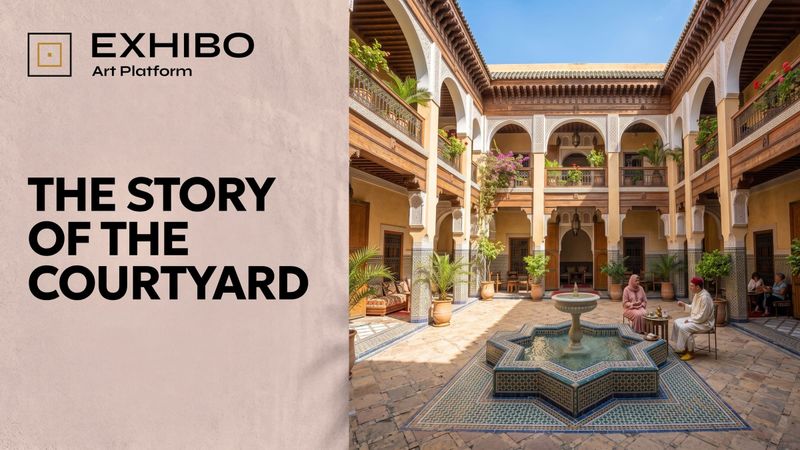
Sunlit central courtyard of a traditional Moroccan riad in the Fez medina, with zellij tilework, arched galleries and a fountain beneath an open square of sky.
Editorial

Why North African Cities Turn Inward: The Story of the Courtyard

A courtyard plan far older than Islam turned North African houses — and the medinas built from them — to face inward. Climate and religion only half-explain why, and what finally displaced the courtyard says the rest.

The blank walls and inward courtyards of Fez, Tunis, Algiers and Cairo are usually explained by heat or religion. Both are true; neither is the whole story. The clue is in what eventually pushed the courtyard out of the modern city.