Crafts & Materials of the Arab World
The objects, materials and trades that built the region's visual culture — pearl, frankincense, indigo, cobalt, silver and salt. Where a colour came from, why a carpet is a coded map, how a single blue got trademarked by a painter. The things themselves, and what they carry.
Pick up a Beni Ourain carpet and you are holding a map. The knots record a place, a family, a grammar of signs older than the alphabet — information, not just pattern. That is the premise here: in this region, the object is never only an object. A material carries a trade route, a colour carries a chemistry, a woven line carries a language. This series works through the things themselves — pearl, frankincense, indigo, cobalt, silver, salt, coffee — and reads each one for the visual culture it built. Craft as evidence, not decoration.
The materials that made the money
Some substances were the economy, and the art followed the wealth. The pearl built the Gulf before oil — the Muharraq diving path is now a UNESCO route. Frankincense made southern Arabia rich enough to matter to Rome, along the Land of Frankincense from Dhofar to Petra. Dates grew the oasis civilisations; coffee began in Yemen, in the Sufi lodges of Mocha, before the dallah pot gave it a shape. Each essay follows one material from the ground to the object it turned into.
Textiles as coded language
A carpet is concept art you can walk on. Beni Ourain, Azilal and Boucherouite carry the Amazigh grammar of the Atlas; Sadu weaving encodes Bedouin geometry, a women's craft carried down through UNESCO-listed intangible heritage; the ceramics of Sejnane in Tunisia are hand-built by women to patterns thousands of years deep. These pieces read cloth and clay as writing — coded space, natural dye, motifs that travelled the trade routes as surely as the goods did.
The chemistry of colour
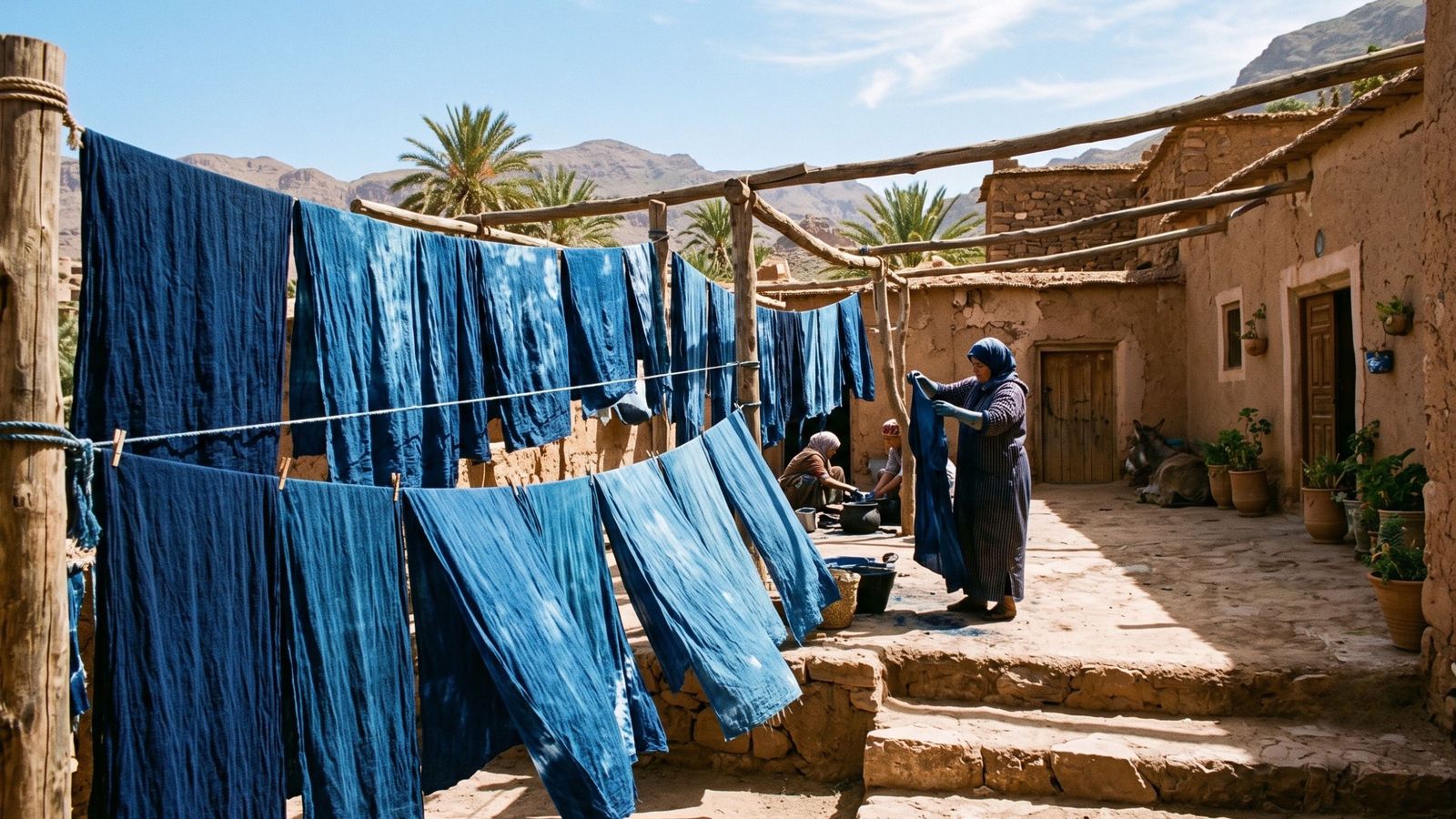
Every colour here has a source and a story. Cobalt turned tilework a sacred blue, its supply chain a piece of medieval chemistry. Indigo dyed everything from Tuareg veils to Fes vats. And in Marrakech a French painter named a single ultramarine after himself and trademarked it — Majorelle Blue, drawn from the cobalt of Moroccan tiles and the indigo of kasbah windows, then turned into private property. Each essay traces a pigment from where it was mined or grown to where it ended up on a wall.
Metal, glass and the maker's hand
Craft is also technique you can date by eye. Mamluk Cairo blew enamelled glass and inlaid brass; the astrolabe was a scientific instrument engraved like a masterwork; the mosque lamp — the mishkat — was arguably the first light installation. The Omani khanjar compressed silver, proportion and national identity into a curved dagger. These essays read the object for the hand and the workshop behind it.
The routes that carried it all
Nothing here stayed put. The salt caravans of the Sahara, the gold routes that ran before empires from Ghana and Mali to Fes, the indigo trade across the desert — motifs, materials and money moved along the same lines, and the visual culture moved with them. Each essay ends where Exhibo begins — with the crafts, works and places near you, so a material you came to understand opens onto where it is still being made and shown.
Articles in this series
- EditorialMaterials
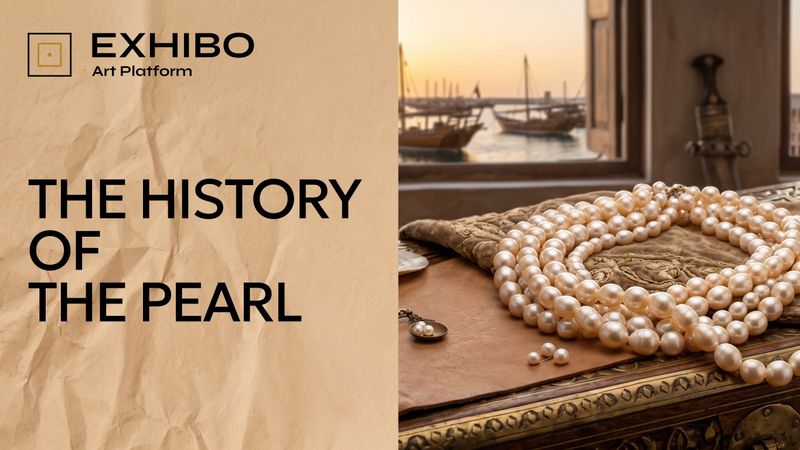
The Sea That Came Before the Oil: The History of the Pearl
Eight thousand years before the first barrel, the Gulf had already built a global economy — out of an oyster, a held breath, and a rope.
Before oil, the Arabian Gulf ran on the pearl: a global luxury trade that raised its cities from the sand, drew fortunes and real suffering in equal measure, and then vanished almost overnight. The story of the industry that made the modern Gulf — and the quiet way it is coming back.
- EditorialMaterials
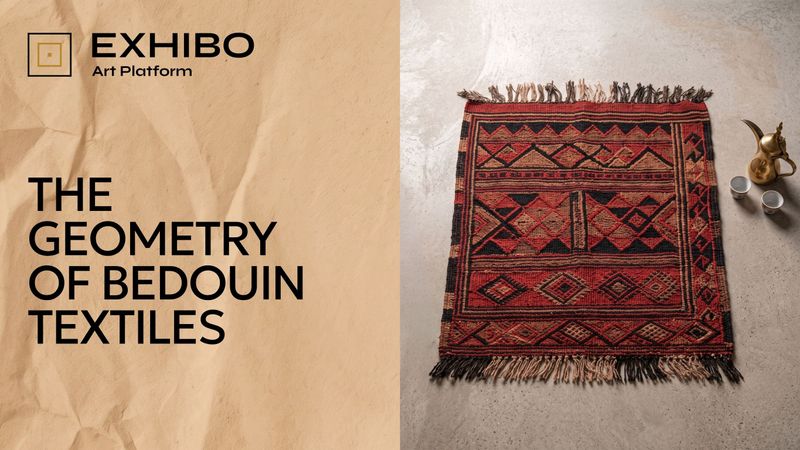
Sadu Weaving: The Geometry of Bedouin Textiles
The geometry the Bedouin wove, and the women who carried it in memory because nothing was written down.
On a loom you stake into the sand, Bedouin women wove the interior world of the Gulf — tents, dividers, camel trappings — and threaded through the wool a geometry that carried tribe, family and meaning. A story of Sadu: the patterns and their names, the women who transmitted them without a single written word, and the quiet work of keeping the craft alive.
- EditorialMaterials
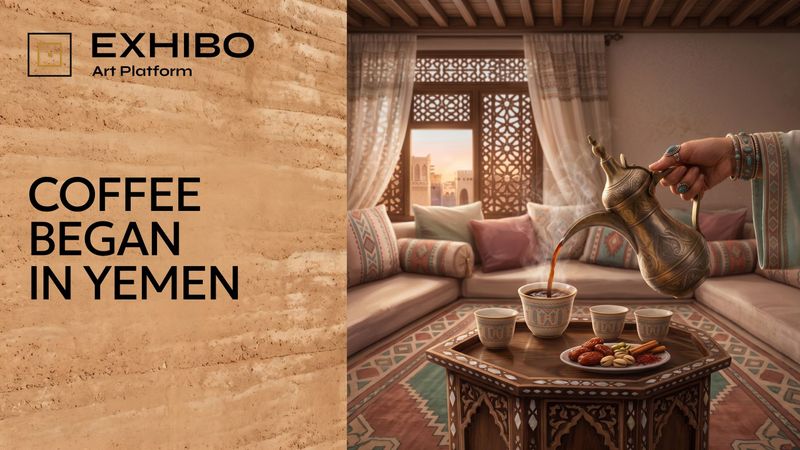
Coffee Began in Yemen
The coffee plant is Ethiopian. But the drink — roasted, brewed, and made the center of a culture — is Yemeni.
Before the espresso machine, before the café, a Sufi in Yemen brewed a bean to stay awake for God. This is the story of how coffee became coffee — from the prayer lodges of the Shadhili order to the Red Sea port of Mocha that named a drink, and finally to the shape the Gulf poured all of it into: the dallah on the one-dirham coin.
- EditorialMaterials
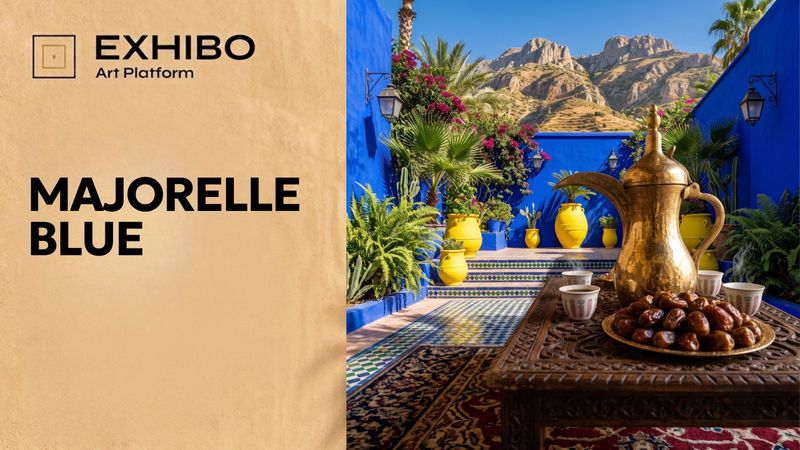
Majorelle Blue: How a Painter (Almost) Trademarked a Colour
How a French painter lent his surname to a blue that Morocco had been dyeing, firing and painting for centuries — and what that tells us about who gets to own a colour.
Everyone repeats the same tidy line: a painter fell in love with Marrakech, invented an electric blue, and trademarked it. Almost every clause is a simplification. The colour was already deep in Morocco's visual language — in indigo, in the cobalt of Fez, in the blue of zellige — long before Jacques Majorelle poured it over a single studio wall. What he actually did was rarer and stranger: not invent a colour, but compose a place, and attach a name to a hue no one can truly own.