Explainers

Guides

Periods, techniques and visual vocabularies. The labels half-remembered from school, rebuilt through the works that earned them.

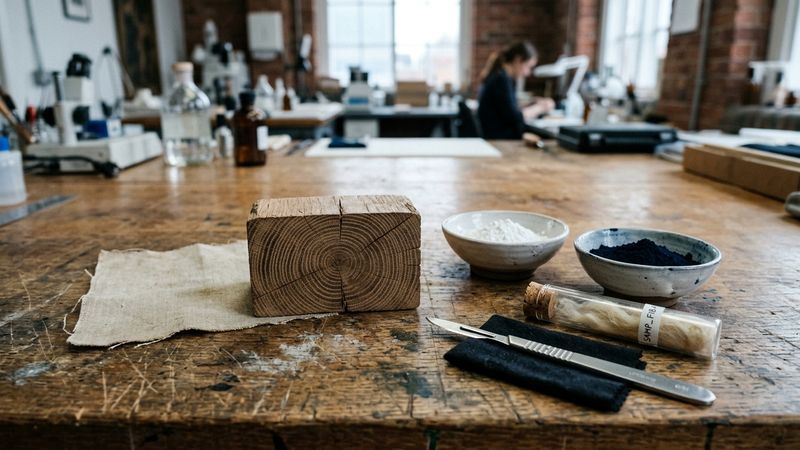
Conservation-science still life with linen canvas scrap, oak panel end-grain, and bowls of white and blue pigment on a north-lit bench
Guide

Radiocarbon and Pigment Dating

How carbon-14, pigment first-use dates and tree rings date a painting, and why those laboratory results still cannot name the artist

A date on a painting is a date on a material: flax in the canvas, oil in the binder, a growth ring in a panel, a pigment that did not exist before a given year. This guide covers radiocarbon including the bomb peak, pigment terminus post quem, dendrochronology and lead isotopes, then the failure modes that keep a calendar from proving authorship.

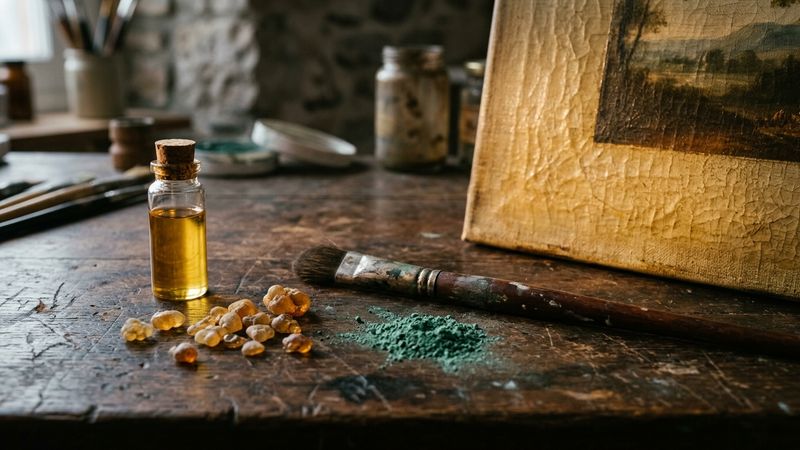
Close-up of linseed oil, amber resin tears and green copper pigment on a scarred oak bench, with a yellowed varnish film catching raking light
Guide

Why Paintings Darken and Yellow

Linseed oil, aged varnish, dirt and unstable pigments each yellow or darken a picture, and cleaning reverses only some of those changes

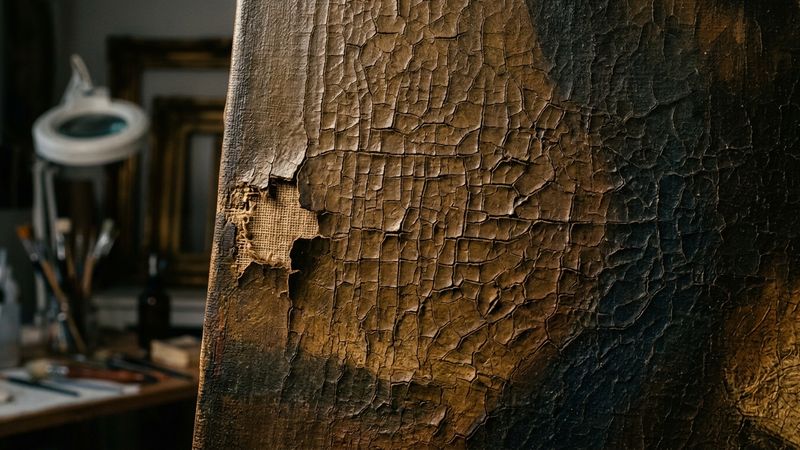
Old pictures look brown for mixed reasons: soot, oxidised varnish, yellowed linseed oil, and pigments that have changed in the film. Conservators can lift dirt and later varnish in many cases. They cannot restore copper greens gone brown or lead white turned transparent. The chemistry, the history of noticing it, and the limits of treatment.