Explainers

Guides

Periods, techniques and visual vocabularies. The labels half-remembered from school, rebuilt through the works that earned them.

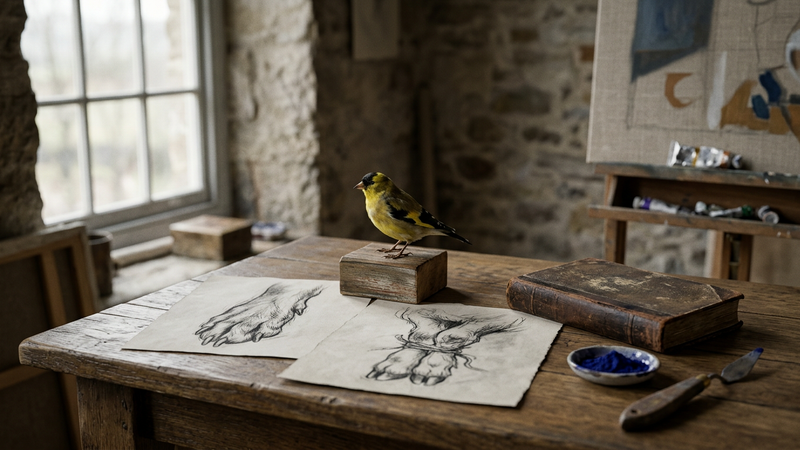
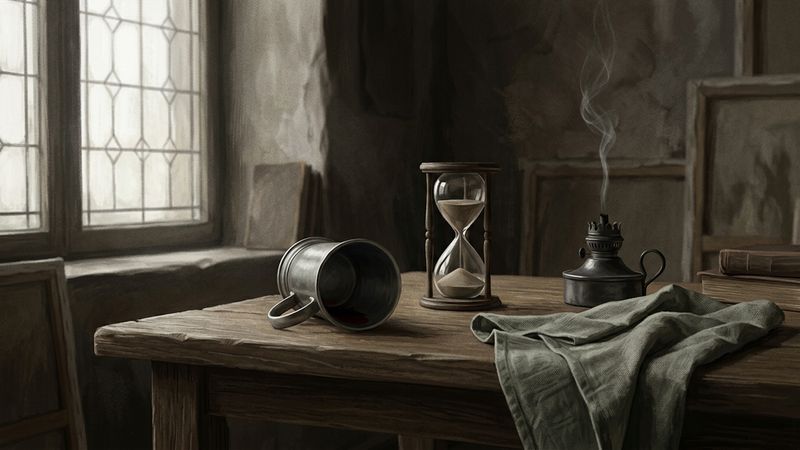
Oak table in north light with pewter cup, snuffed wick, hourglass and folded linen in a seventeenth-century still-life studio, no readable text and no copy of a famous painting.
Guide

Vanitas Painting, Explained

Netherlandish still life as a moral argument: how painters built vanitas tables, six named works, and how to recognise the type.

Vanitas is a Netherlandish still-life type: a table of goods and mortality markers arguing that status and pleasure do not last. This guide defines the type, shows how Haarlem and Leiden workshops built it, reads six named works from 1603 to 1977, and keeps it distinct from memento mori history, object dictionaries, and pop-culture namesakes.

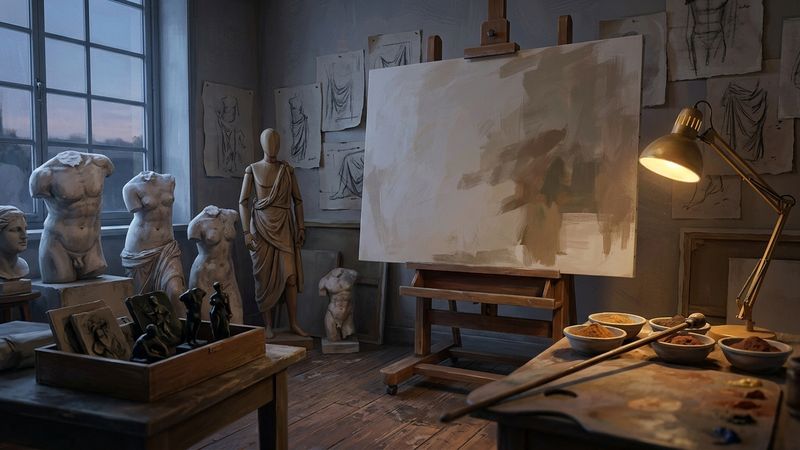
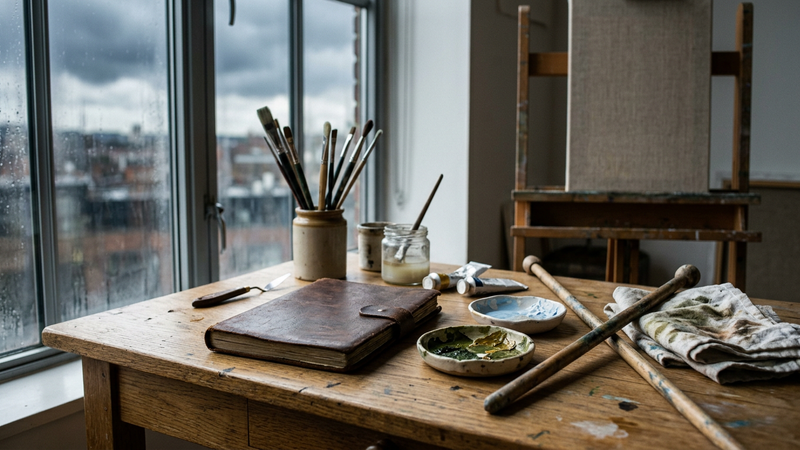
Oak studio table with a worn leather sketchbook, earth-green and sky-blue pigments in ceramic dishes, and a rain-heavy sky beyond a north-facing window, suggesting European landscape practice.
Guide

Landscape Painting: A History

How Western painters turned scenery from a backdrop into a genre, from Dutch mills and Claude’s ports to Constable and Impressionist weather

Landscape painting became a European specialism in the seventeenth century, then a vehicle for national feeling, scientific looking and modern colour. This history follows the genre from antiquity’s backgrounds through Dutch naturalism, Claude, the picturesque, Romantic weather and Impressionist light, with four works read in museum collections.

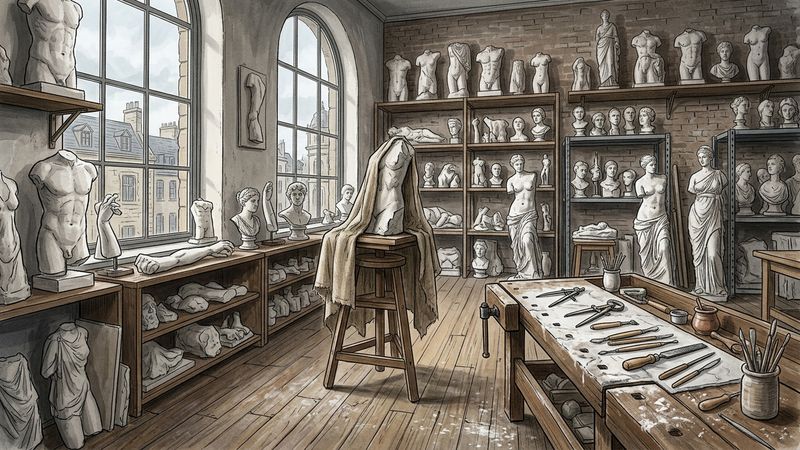
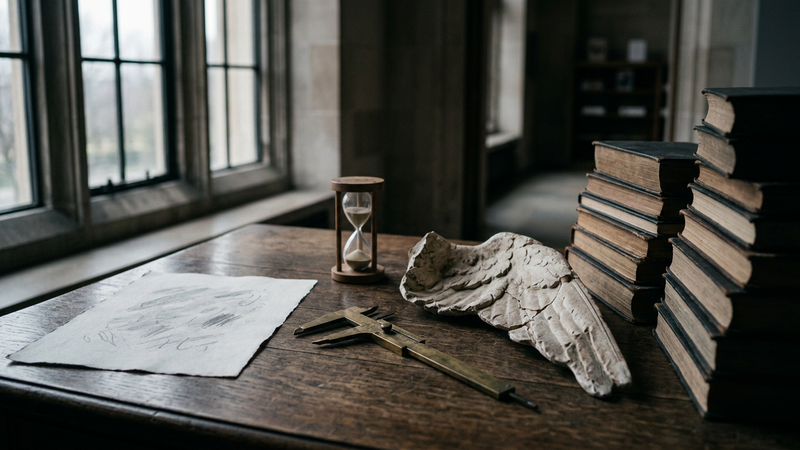
Oak study table with brass calipers, an hourglass, a plaster wing fragment and a closed old book under cool north-window light, no readable text.
Guide

Iconography: How to Read Symbols in Art

Panofsky’s three levels, attributes and source-checking: a method for reading Western pictures without treating every object as a code.

Iconography in art history is a method: name what you see, match it to a conventional type, then test that match against a dated source. This guide walks Panofsky’s levels, Ripa and ICONCLASS, and six museum works from Botticelli to Beuys, and keeps Christian saints, MENA symbol lists and the Symbolist movement on their own pages.

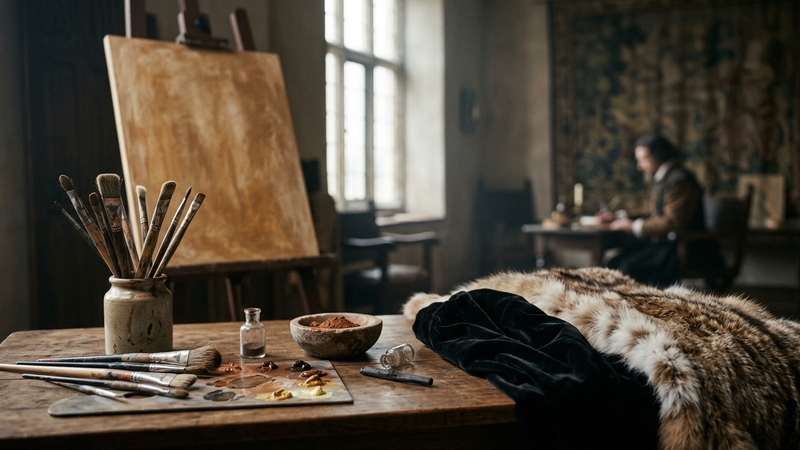
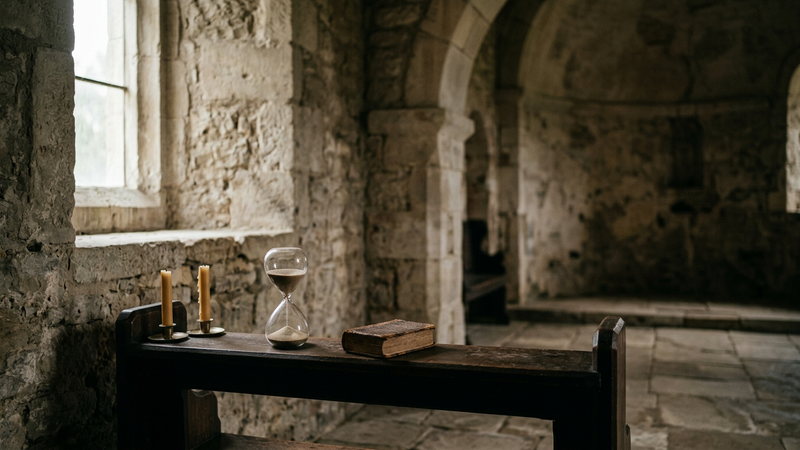
Candlelit stone chapel with an hourglass, closed leather-bound book and unlit beeswax tapers on an oak bench, cool north window light, no figures.
Guide

Memento Mori: A Cultural History

From a slave's whisper on a Roman chariot to Tudor rings, printed knights and later fashion, Europe kept death in daily view.

Latin tags and skull rings sit in search results next to stoic merch. The older story is public ritual: triumphs, cadaver tombs, rosary beads, marriage portraits and prints that put mortality on a body you could wear or a wall you had to pass. This guide tracks that history without turning it into a Dutch still-life lesson or a tattoo catalogue.

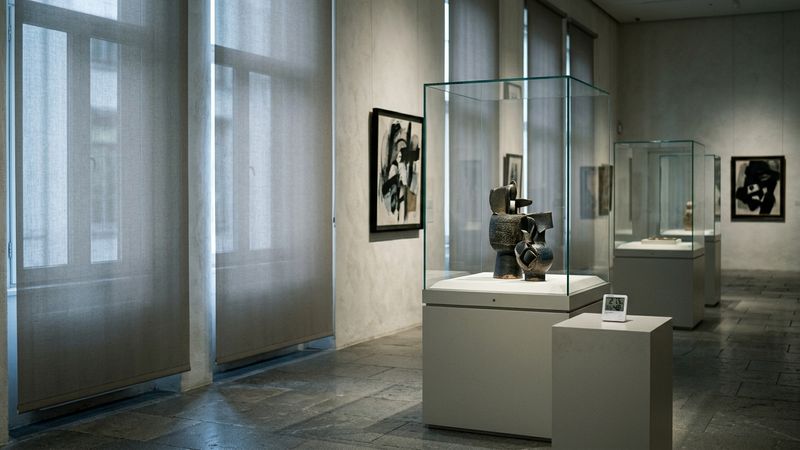
Dim museum gallery with lowered blinds, sealed display cases and a small climate sensor on a plinth, cool north light, no readable labels
Guide

Preventive Conservation, Explained

How museums slow collection damage with climate, pests and risk, using sourced ranges rather than a single 50% RH target

Staff keep collections usable by managing climate, pests, storage and risk at room scale. This guide sets out ICOM-CC and AIC definitions, CCI’s ten agents of deterioration, and museum humidity, temperature and light bands with their source caveats. It covers risk ranking, historic-house limits, monitoring costs and when to hire a specialist.