
Re-examining Colonial Imaginaries
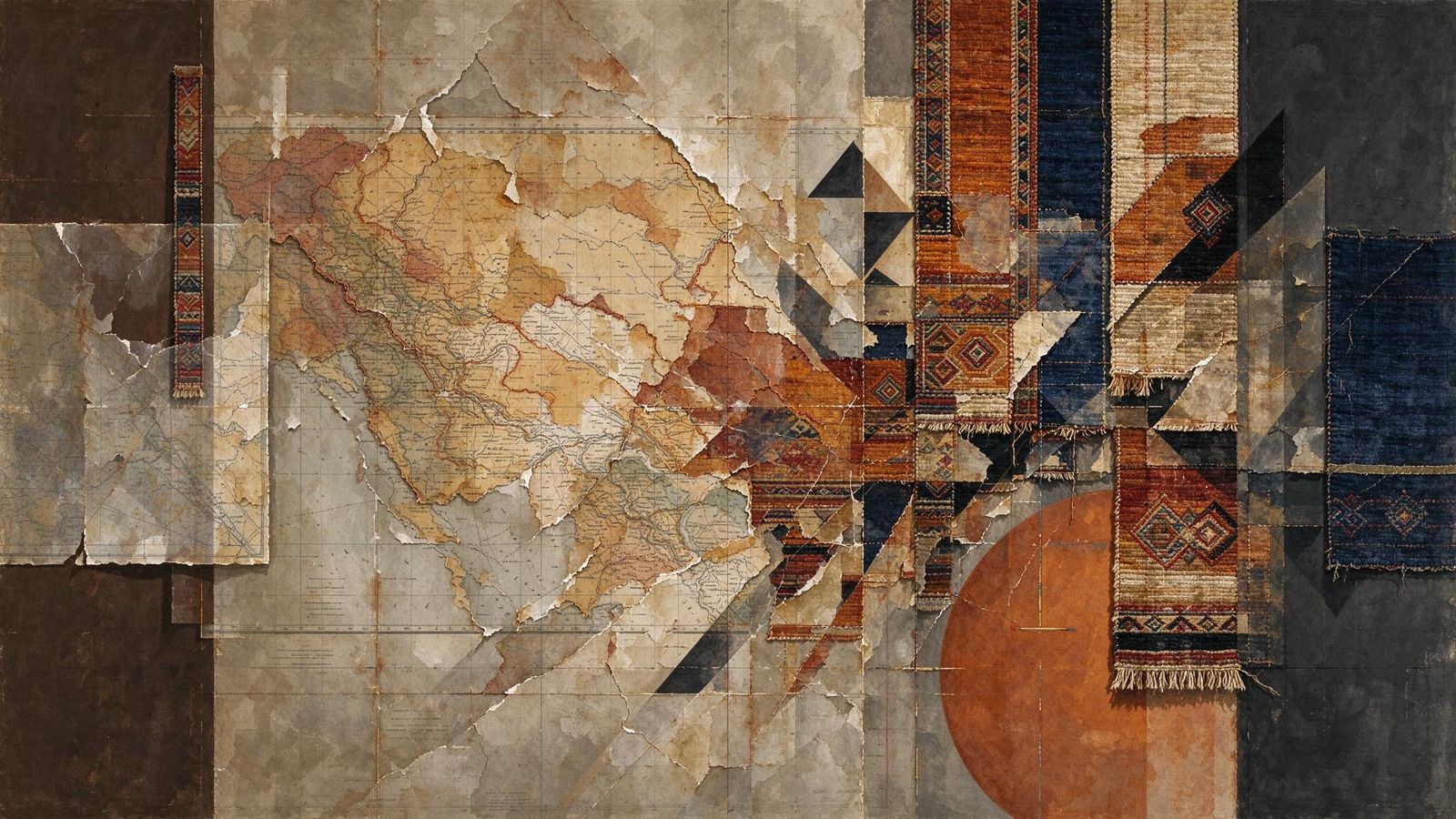
Opening at TEA Tenerife Espacio de las Artes from 3 October 2026 through 24 January 2027, Whilst We Are Savages interrogates how colonial frameworks manufactured archetypes such as the barbarian, the Indigenous subject, and the rural labourer. By positioning the Canary Islands as a primary node in early Atlantic expansion, the presentation establishes a transatlantic conversation spanning European, African, and Latin American contexts. The project scrutinises how territorial boundaries and personal identities remain filtered through inherited visual and conceptual templates.
The Weight of Historical Constructs
Central to the investigation is the scholarship of Canarian anthropologist Fernando Estévez. His work illuminates how seemingly innate markers of local heritage actually emerge from intricate cultural engineering. The Guanche, originally the archipelago's original inhabitants, were framed using the same representational machinery that Europe deployed to marginalise distant populations. Similarly, the figure of the mago—a historical descriptor for the local farming class—functioned as an internalised outsider within island communities. Over time, this archetype shifted into a commodified symbol of regional folklore. Both examples underscore how belonging is continually negotiated, contested, and rewritten through dominant narratives.
A Curatorial Methodology of Reading
Rather than delivering a linear storyline, the show adopts an open-ended approach to interpretation. Historical artefacts, archival photographs, contemporary artworks, and ethnographic materials are arranged to trace the lifecycle of specific tropes across centuries and continents. This method encourages visitors to draw connections between disparate epochs, recognising that historical categorisations rarely remain static. Viewers are invited to observe how these classifications mutate, resurface, or linger within unexpected environments. Such spatial and temporal fluidity reframes disciplines like archaeology and museum studies. They cease to be neutral repositories of fact, instead revealing themselves as active arenas where hierarchy, taxonomy, and representation are continuously enforced or challenged.
Preserving Alternative Cosmologies
Alongside its critique of imposed systems, the presentation highlights epistemologies that outlasted imperial disruption. It emphasises enduring traditions, oral histories, and ecological worldviews that have consistently offered alternative frameworks for understanding land, lineage, and collective life. The initiative refuses to resurrect static categories forged by imperial records. Instead, it champions the ongoing presence of diverse practices and relational models that survived despite systematic erasure. Through this lens, the gathering envisions collaborative horizons built upon plural ways of knowing and mutual inhabitation rather than singular origin stories.
The undertaking brings together a substantial roster of practitioners, including Sergio Acosta, Eileen Agar, Tarsila do Amaral, Sammy Baloji, Yto Barrada, Coco Fusco, Ana Mendieta, Wifredo Lam, Rosângela Rennó, Kent Monkman, Daniela Ortiz, and Man Ray, among numerous others. Seven specialists steer the conceptual direction: Alejandro Castañeda, Néstor Delgado, Katya García-Antón, Roberto Gil, Narelys Hernández, Joel Peláez, and Sergio Rubira. Their combined expertise ensures the presentation maintains rigorous academic grounding while remaining visually dynamic.
Related reading
The Visual Language Older Than Arabic
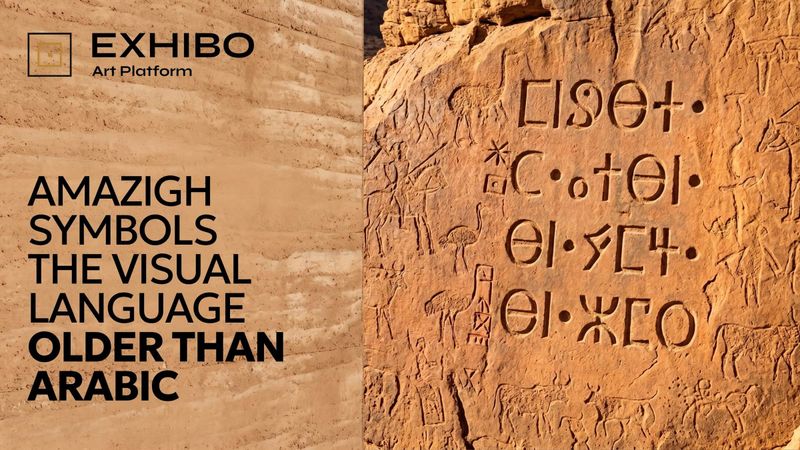
How one of North Africa's oldest writing traditions survived conquest, colonial classification and the loss of its readers — and why, for much of it, we still cannot say what the marks mean.
A flat rock in southern Morocco is covered in a script you can see is writing and still cannot read a word of. It belongs to the Amazigh — a visual language older in North Africa than the Arabic alphabet, carried onto skin and wool and silver, nearly erased, and now reassembled into an alphabet on ministry walls. This is the story of what survived, what didn't, and why almost everything we "know" these signs mean was added later.
Pérez y Requena: A Parrot, Three Bars, and Gold Teeth at TEA Tenerife
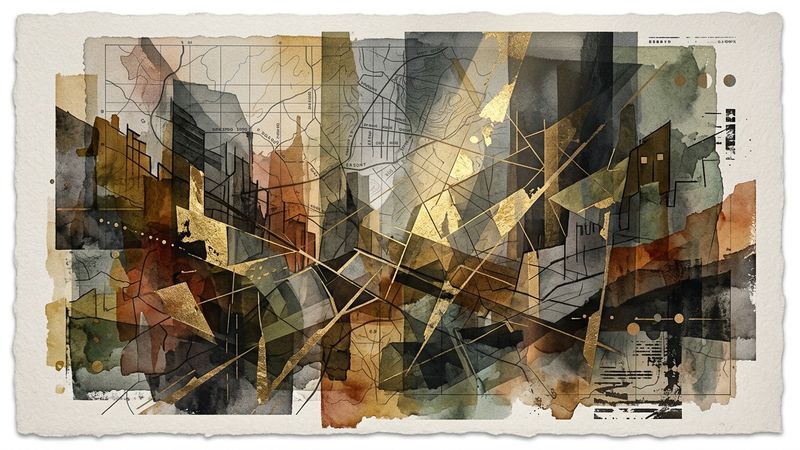
New commission examines urban memory through sixteen site-specific works
TEA Tenerife Espacio de las Artes presents Pérez y Requena's investigation into the fragmented memory of Santa Cruz de Tenerife, opening July 3.
William Morris Gallery Reopens With Intimate Restoration and New Focus
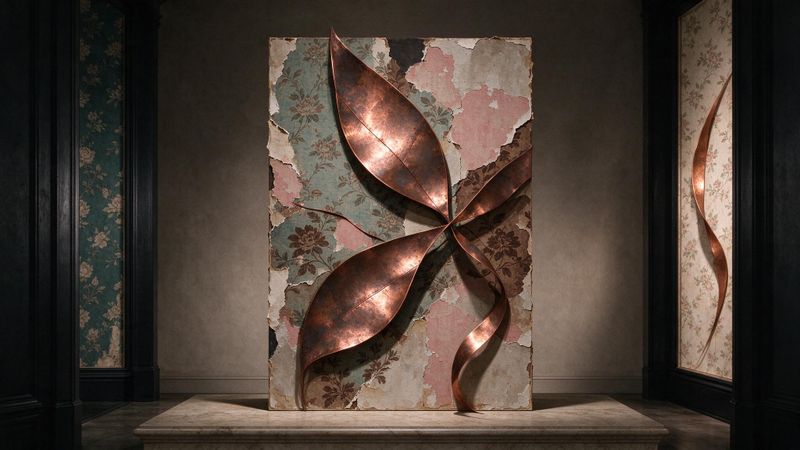
A comprehensive overhaul at the Walthamstow venue explores the designer's contradictions through newly displayed archives and a domestic curatorial approach.