
Tenerife · Spain
Pérez y Requena: A Parrot, Three Bars, and Gold Teeth at TEA Tenerife
New commission examines urban memory through sixteen site-specific works
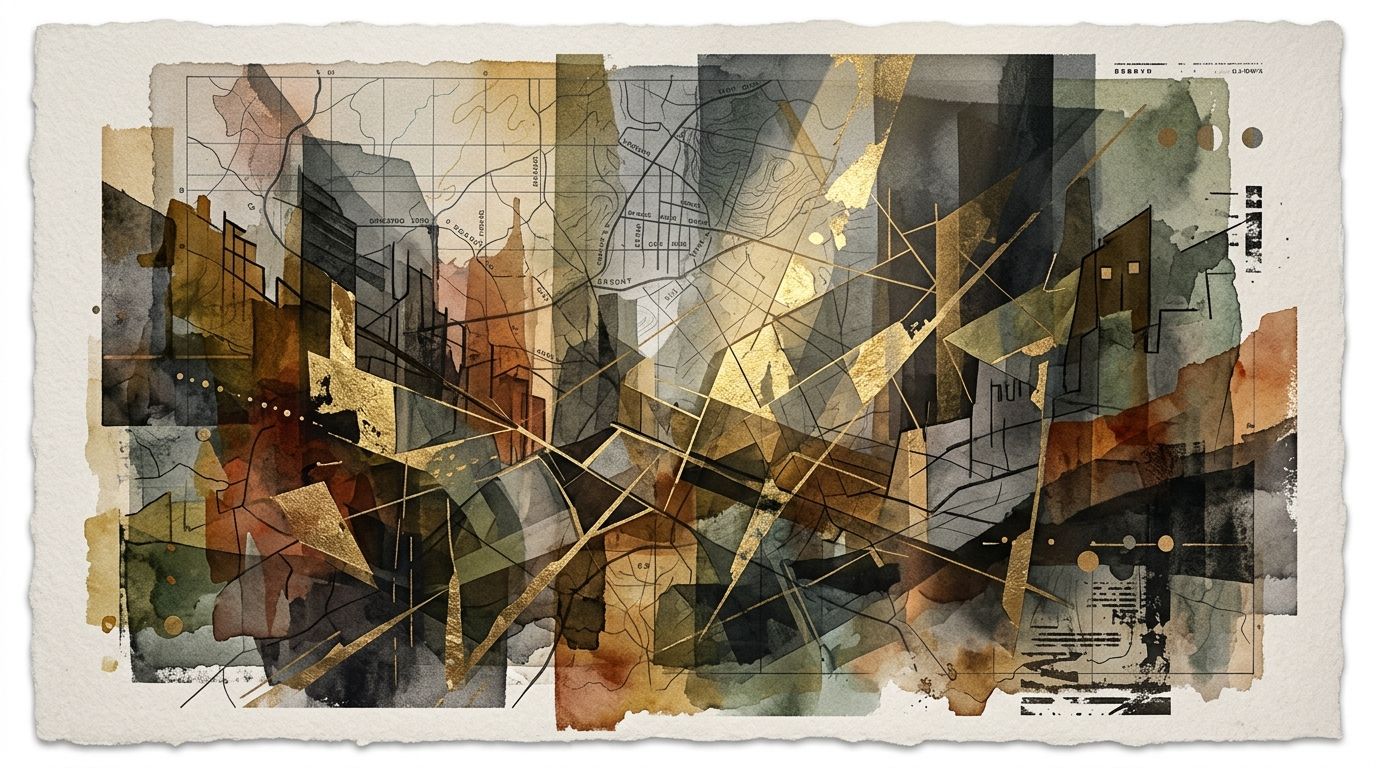
Urban Fragments and Memory Traces
TEA Tenerife Espacio de las Artes opens a new exhibition by collaborative duo Pérez y Requena on July 3, running through October 18. The show brings together sixteen newly commissioned works that engage directly with the museum's immediate surroundings, exploring how urban transformation reshapes collective memory and lived experience.
Co-curated by Latitudes and Néstor Delgado Morales, the exhibition approaches Santa Cruz de Tenerife as an archive in constant flux. The artists have spent decades documenting a territory once defined by travelling fairs, informal bars, improvised structures, and clandestine meetings. Today, this landscape survives only through scattered traces, whispered stories, and residual imagery.
Rather than reconstructing what has been lost, Pérez y Requena offer an alternative editing of urban fragments. Their works function as partial scenes rather than complete narratives, embracing instability as a mode of representation. Discarded photographs, architectural echoes, obsolete decorative motifs, sculptural interventions, and drawings coexist as evidence that resists definitive interpretation.
Drawing as Method
Drawing occupies a central position throughout the exhibition, functioning not merely as artistic medium but as a cognitive tool. It bridges lived experience with knowledge production, tracing what remains embedded in places after apparent disappearance. The artists deploy strategies of copying, erasure, montage, and distortion to reveal how memory persists through discontinuity rather than continuity.
Straight lines intersect with meandering curves, formal urban planning meets informal occupation, documentation merges with imagination. This approach produces a cartography where memory remains unfixed and non-nostalgic, continuously rewritten through visual encounter. The resulting city emerges as an unstable surface bearing the imprints of recurring desires, anxieties, and forgotten narratives.
Artists' Background
Israel Pérez (born 1975) and María Requena (born 1978) completed Fine Arts studies at the University of La Laguna in 2000, later obtaining Diplomas of Advanced Studies in Painting at the same institution where they now teach. Their collaborative practice intertwines research with artistic production, activating relationships between sculpture, drawing, installation, and urban exploration.
Recent group presentations include Nudos y enredos 2/5 at Círculo de Bellas Artes de Tenerife (2025-26), Pintura enojada at Travesía Cuatro in Mexico City (2024-25), and Concretos at TEA Tenerife Espacio de las Artes and MUSAC (2022-23). Solo exhibitions have featured Conquistador at Galería BIBLI (2022) and The Fall at Sala de Arte Contemporáneo (2017), both in Santa Cruz de Tenerife.
Their work consistently investigates overlooked geographies through expanded sculptural and graphic languages, combining archival research, observation, and spatial intervention. This latest exhibition continues their examination of how contemporary cities retain traces of erased histories through material and visual culture.
The exhibition opens Tuesday to Sunday and on public holidays, 10am-8pm, through October 18, 2026.
Galleries mentioned
Related reading
The Visual Language Older Than Arabic
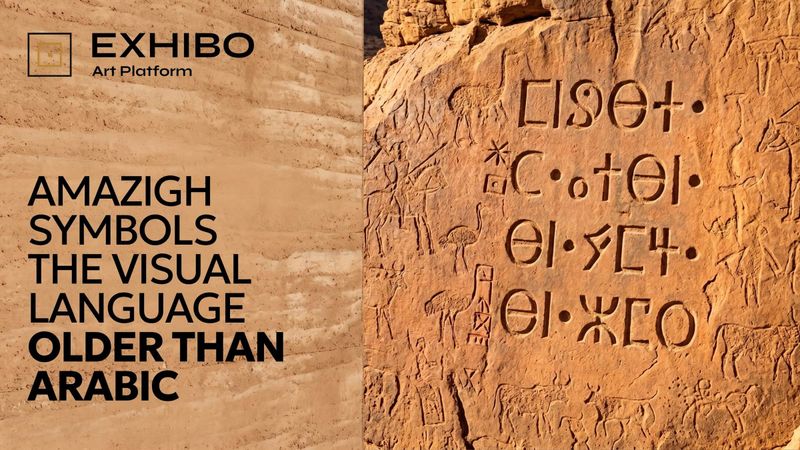
How one of North Africa's oldest writing traditions survived conquest, colonial classification and the loss of its readers — and why, for much of it, we still cannot say what the marks mean.
A flat rock in southern Morocco is covered in a script you can see is writing and still cannot read a word of. It belongs to the Amazigh — a visual language older in North Africa than the Arabic alphabet, carried onto skin and wool and silver, nearly erased, and now reassembled into an alphabet on ministry walls. This is the story of what survived, what didn't, and why almost everything we "know" these signs mean was added later.
Kiasma Outlines a Robust 2027 Season Featuring Major Surveys and Prize Showcase
Helsinki's Museum of Contemporary Art Kiasma unveils a comprehensive schedule balancing institutional retrospectives, immersive solo projects, and regional award programmes.
The 2027 calendar at Kiasma positions spatial experimentation and critical historiography at the forefront of Nordic contemporary practice.
Ana Vaz: The Camera is the Body at Mudam Luxembourg
Mudam stages the inaugural major institutional survey of the Brazilian filmmaker's interdisciplinary practice
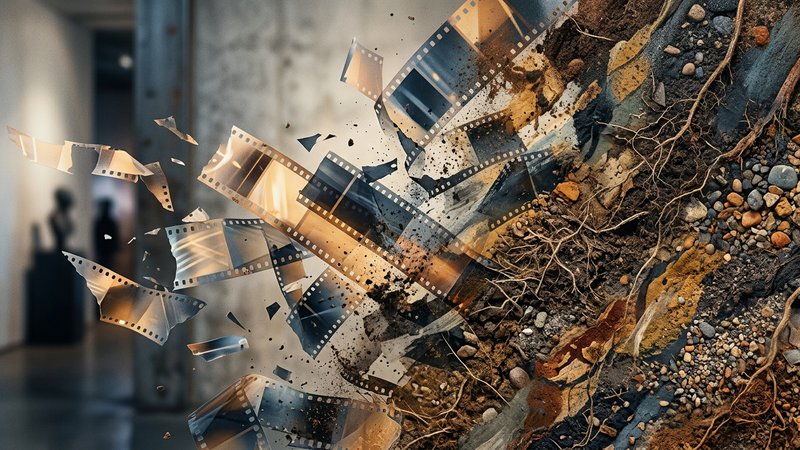
An immersive exhibition reimagines cinematic perception through embodied filmmaking, ecological inquiry, and postcolonial critique.