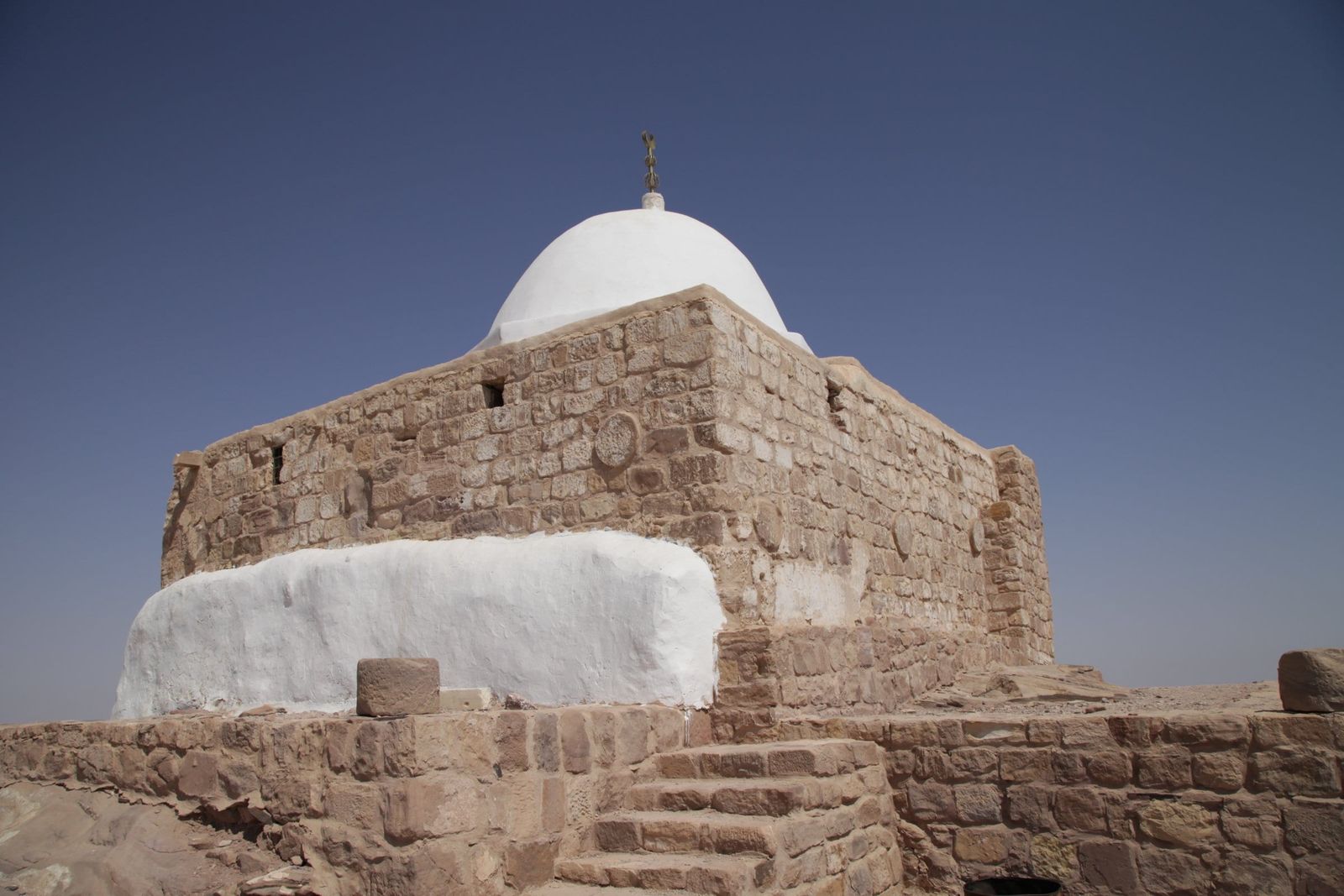
Jabal Harun (Tomb of Aaron), Petra
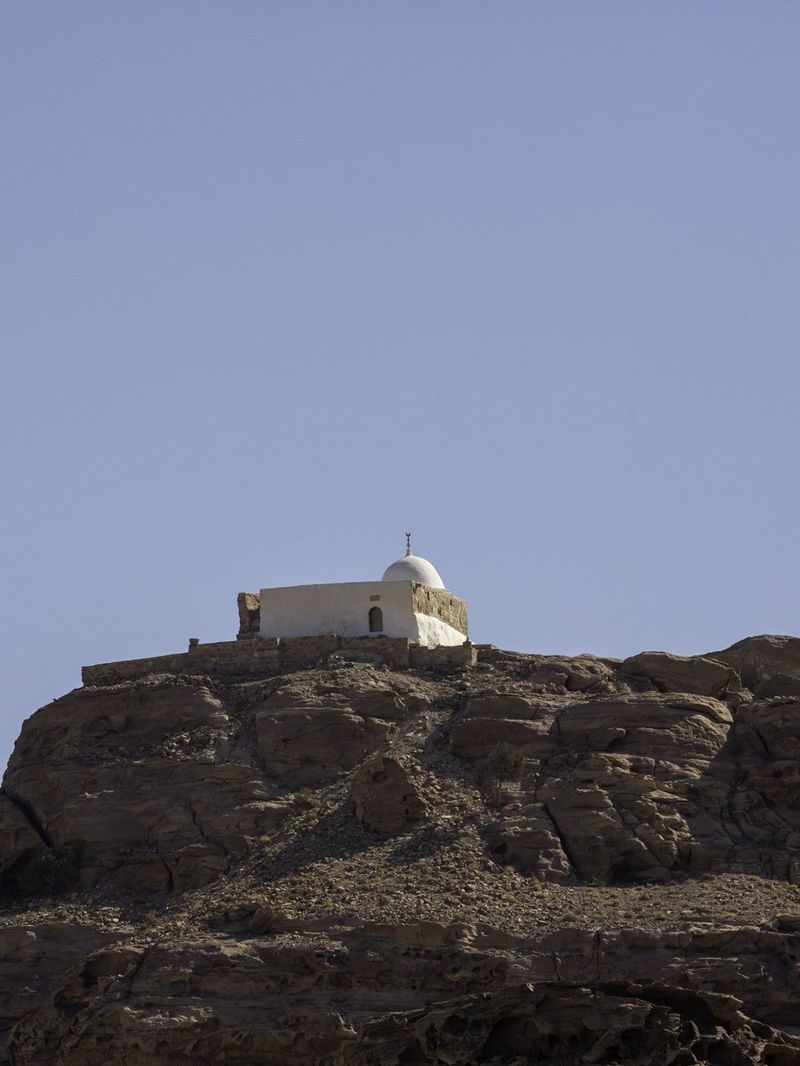
The white-domed shrine of Aaron on Petra's highest mountain, above the ruins of a Byzantine pilgrim monastery.
The mountain of Aaron
Jabal Harun, the Mountain of Aaron, rises south-west of the ancient city of Petra and is the highest peak around it. On its summit stands a small white shrine with a dome, visible from almost everywhere in Petra. Local tradition, shared by Jews, Christians and Muslims, identifies the mountain with Mount Hor of the Book of Numbers, where Aaron, the brother of Moses, died and was buried.
A Byzantine monastery for pilgrims
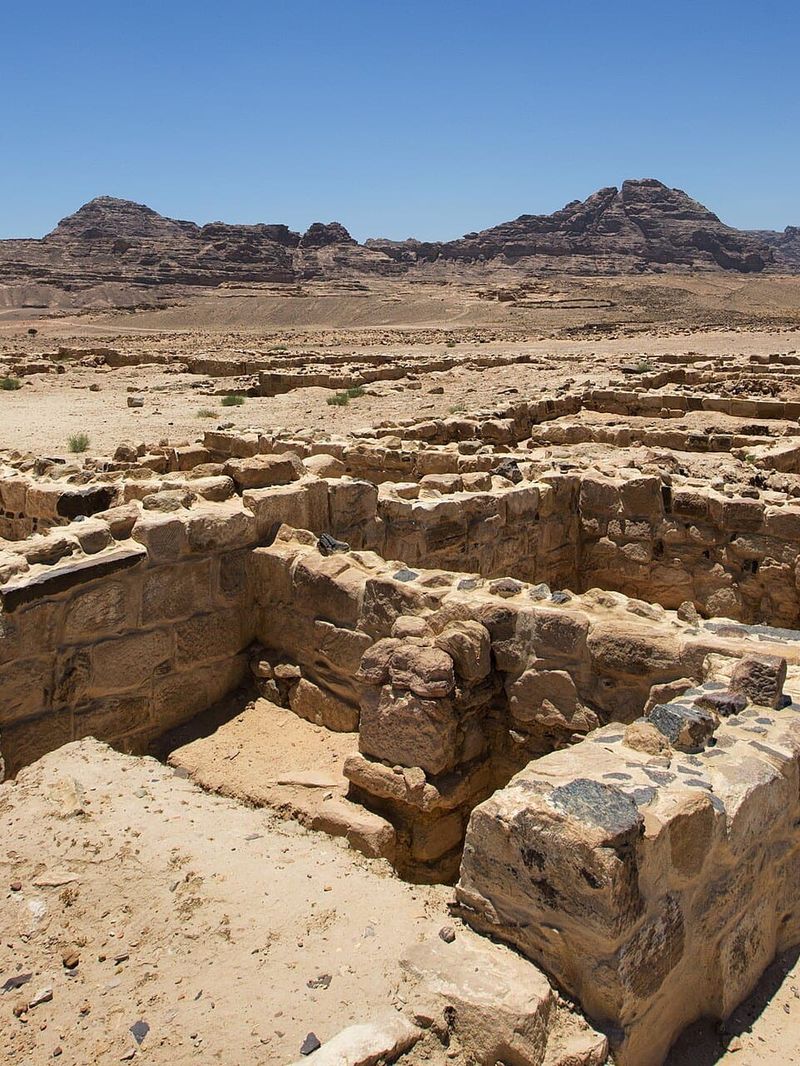
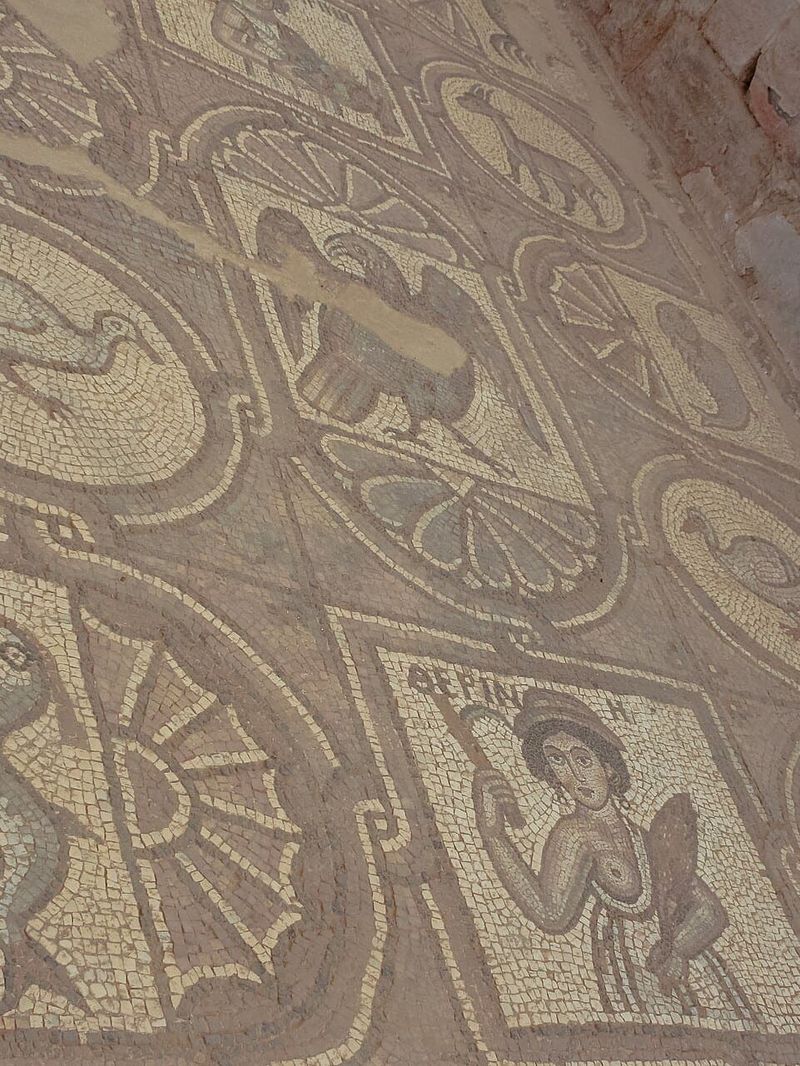
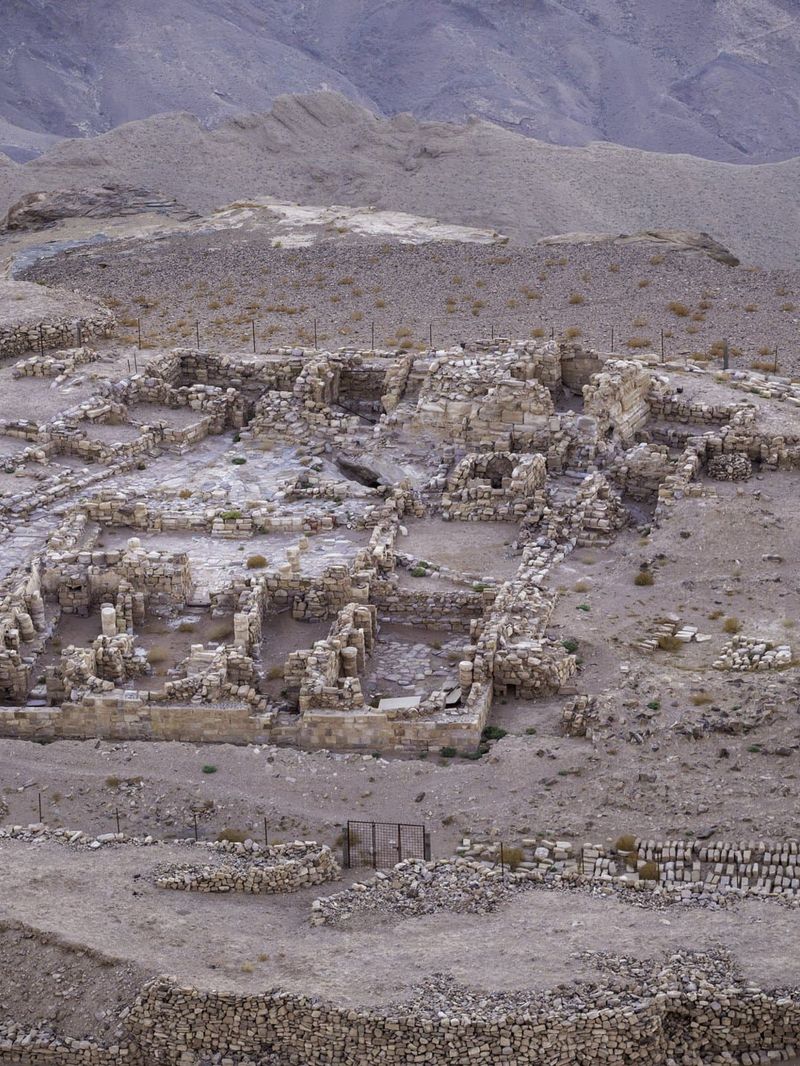
On a plateau about seventy metres below the summit lie the ruins of a large Byzantine monastery. The Finnish Jabal Haroun Project, led by Jaakko Frösén with Zbigniew Fiema as chief archaeologist, excavated it between 1997 and 2013. The complex dates from the late 5th century and grew around a basilica, a chapel, a baptistery with its font and a hostel for pilgrims. It has been identified with the "House of our Lord the Saint High-Priest Aaron" named in the Petra Papyri, the 6th-century archive of carbonised scrolls found in a Petra church.
The excavators have argued that the mountain was sacred long before Christianity, possibly to a Nabataean deity. In their reading its holiness passed from one faith to the next.
The shrine on the summit
The domed shrine on the peak, a weli, was built over the remains of a Byzantine church. It dates from the Mamluk period. An Arabic inscription over the door records Mamluk work on the building in the 14th century. Inside, a cenotaph marks the traditional grave of Aaron. It is partly built from reused marble chancel posts of the earlier Byzantine shrine and carries Hebrew inscriptions left by Jewish pilgrims.
Pilgrimage
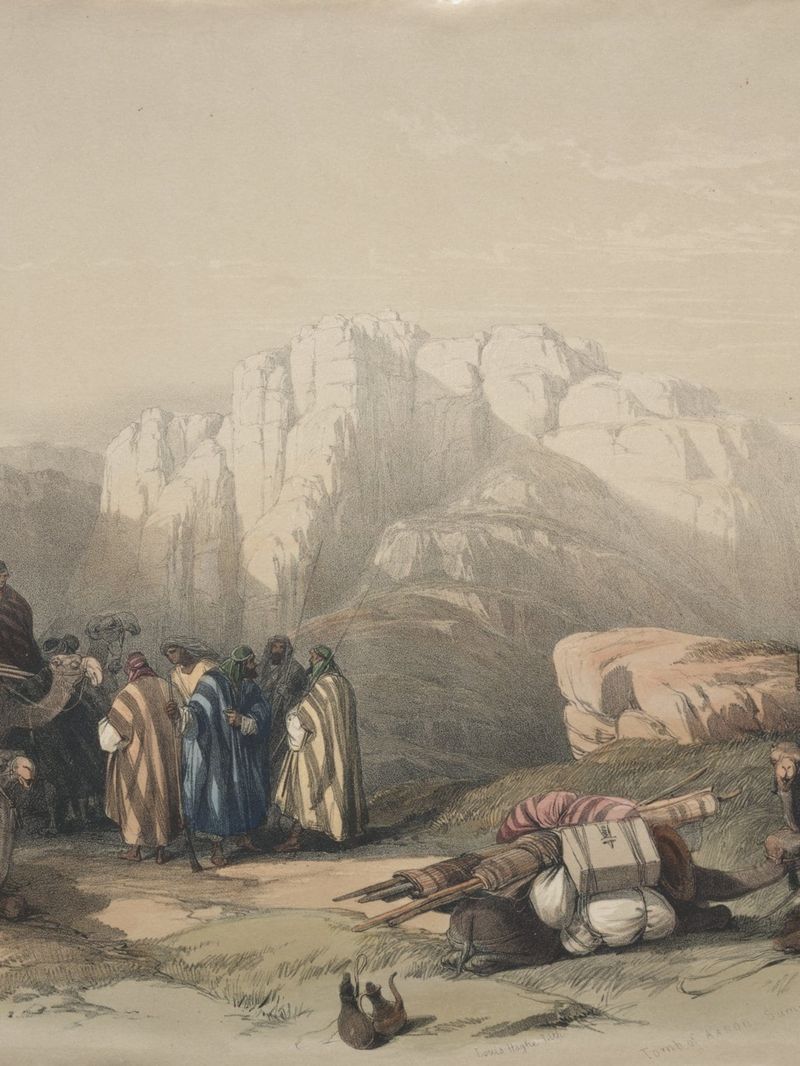
The mountain has drawn pilgrims for centuries. In the early 20th century the Bdul Bedouin of Petra still climbed it every year. A local festival in honour of Aaron used to be held each autumn. The shrine remains a place of prayer.
Exhibo editorial
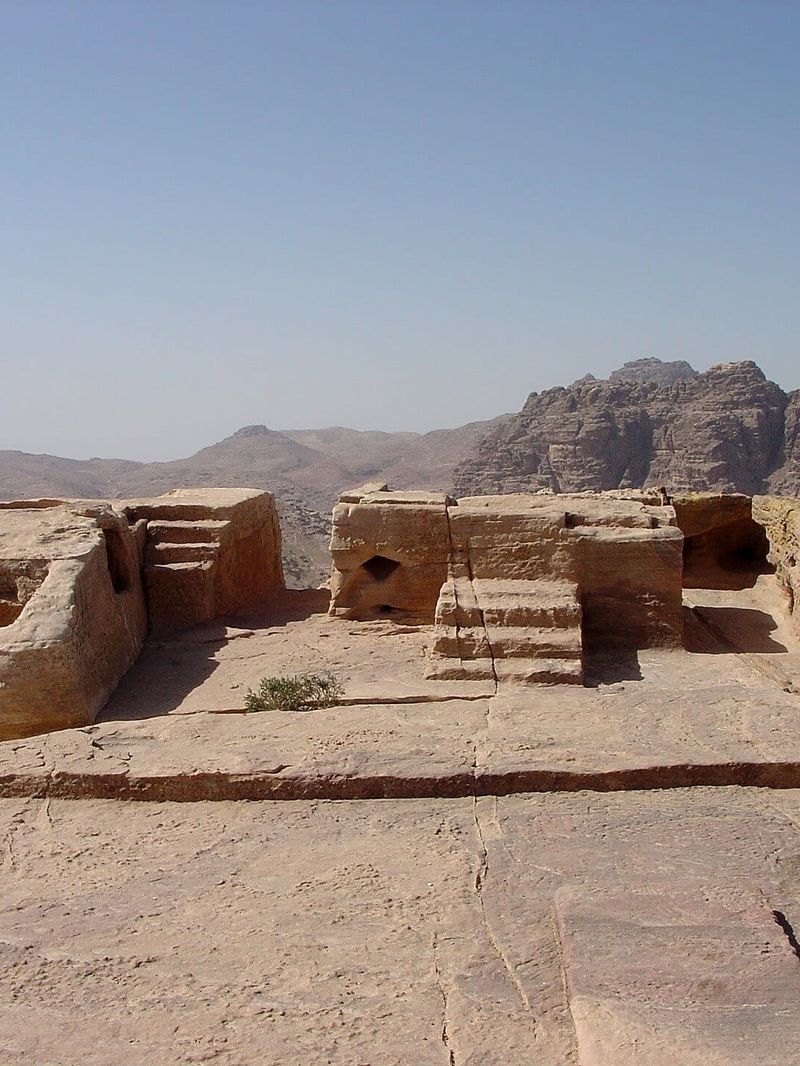
From the High Place of Sacrifice or the Monastery your eye keeps landing on one small white dot on the highest summit. That is Aaron's shrine. The walk to it is the most serious one in Petra: long, empty, through rose and ochre rock.
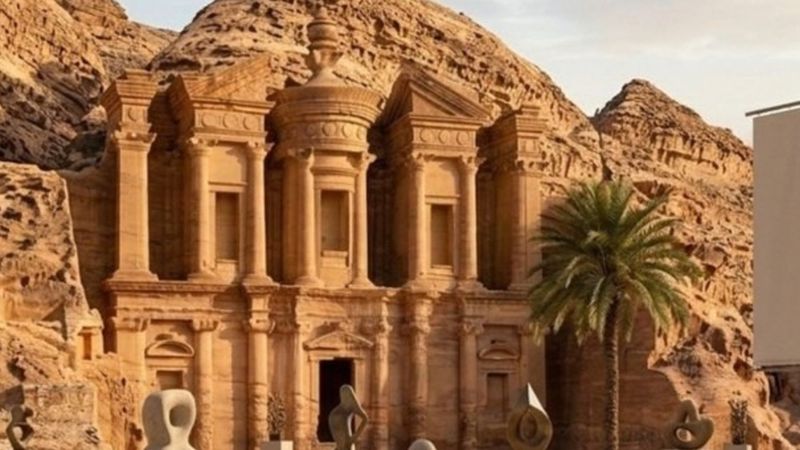
Few people do it. Those who do find a monastery where pilgrims slept fifteen hundred years ago, a shrine three religions agree on and a view back over the whole of Petra that makes the Treasury look like a doorway in a much bigger house.
Gallery
How to find it
Jabal Harun lies outside the main Petra trail network, south-west of the city centre. The usual route leaves the colonnaded street past Qasr al-Bint and heads south past the Snake Monument towards the mountain, a long walk of several hours each way. Go with a local Bdul guide, who will also know whether the shrine's keeper is there to open the door. Start early and carry plenty of water.