Humayma (Ancient Hawara)
A Nabataean desert town fed by a long aqueduct, where the Abbasid family planned its rise to the caliphate.
The site
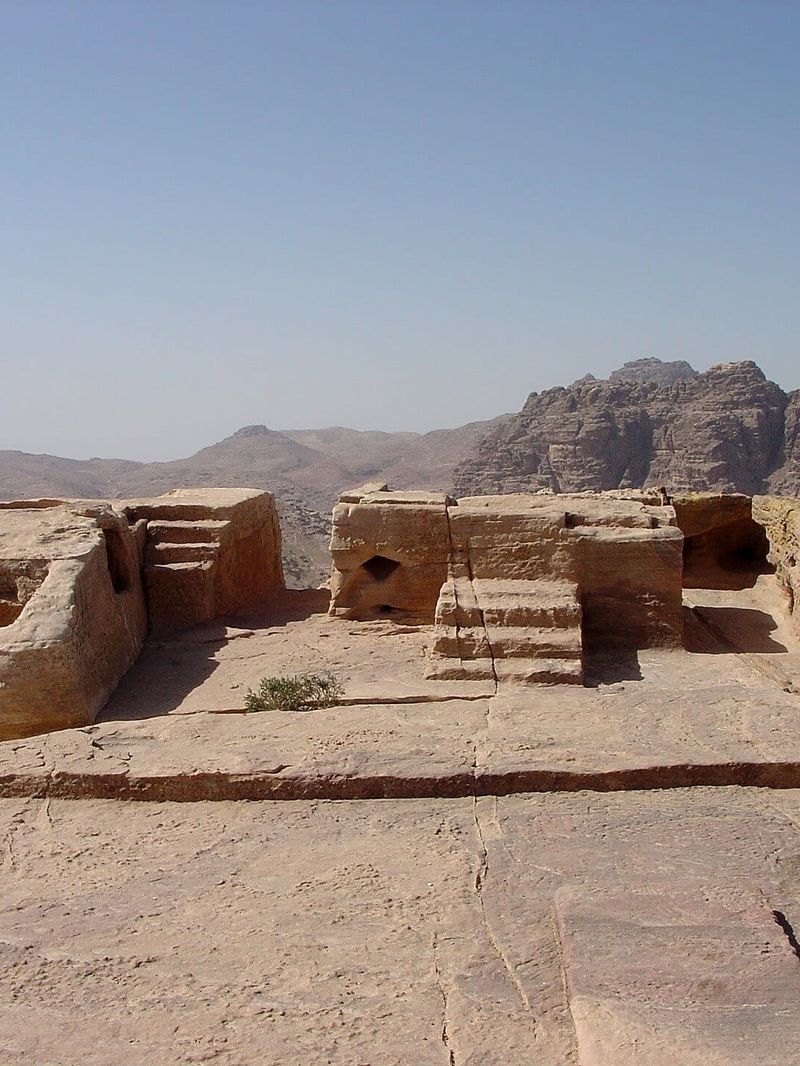
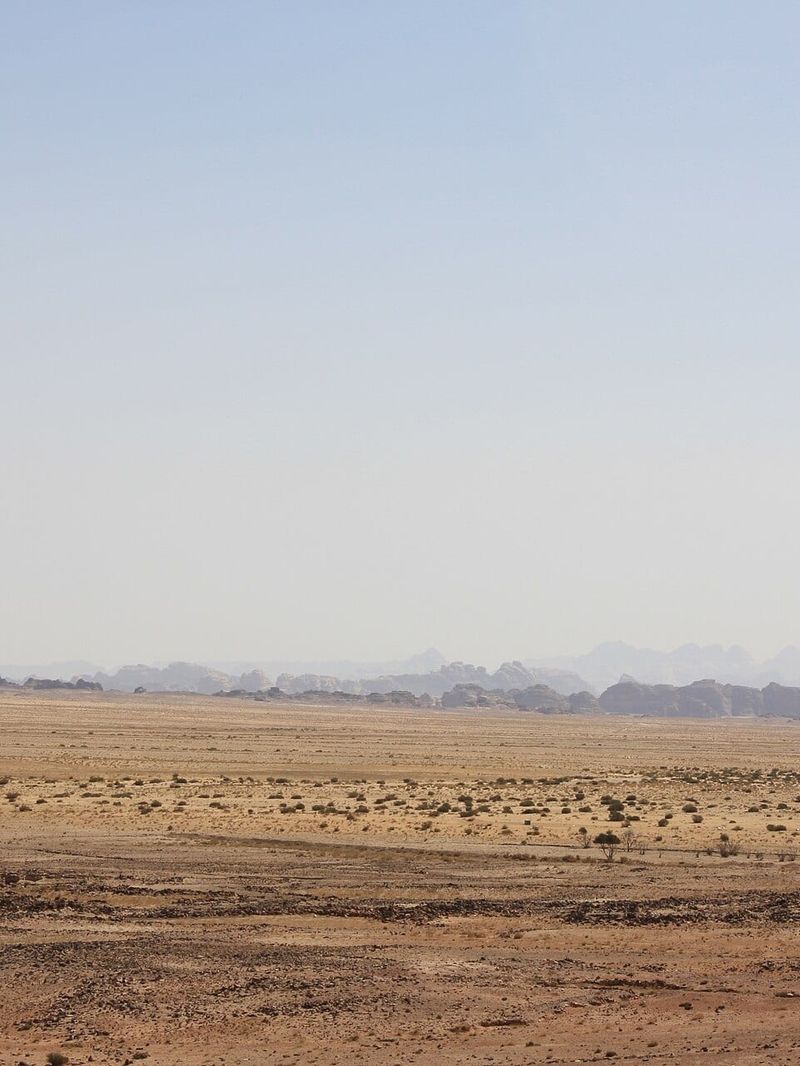
Humayma, ancient Hawara, lies in the Hisma desert of southern Jordan, between Petra and Aqaba. The Nabataeans founded it in the first century BC. It later became a Roman fort, a Byzantine village and an early Islamic estate.
Water in the desert
Ancient tradition credits the Nabataean king Aretas III with founding the town. Its life depended on an aqueduct about 27 kilometres long that carried water from springs on the plateau to a reservoir in the town, backed up by dozens of cisterns and dams. It is one of the most impressive water systems in the Nabataean world.
Rome, Byzantium and the Abbasids
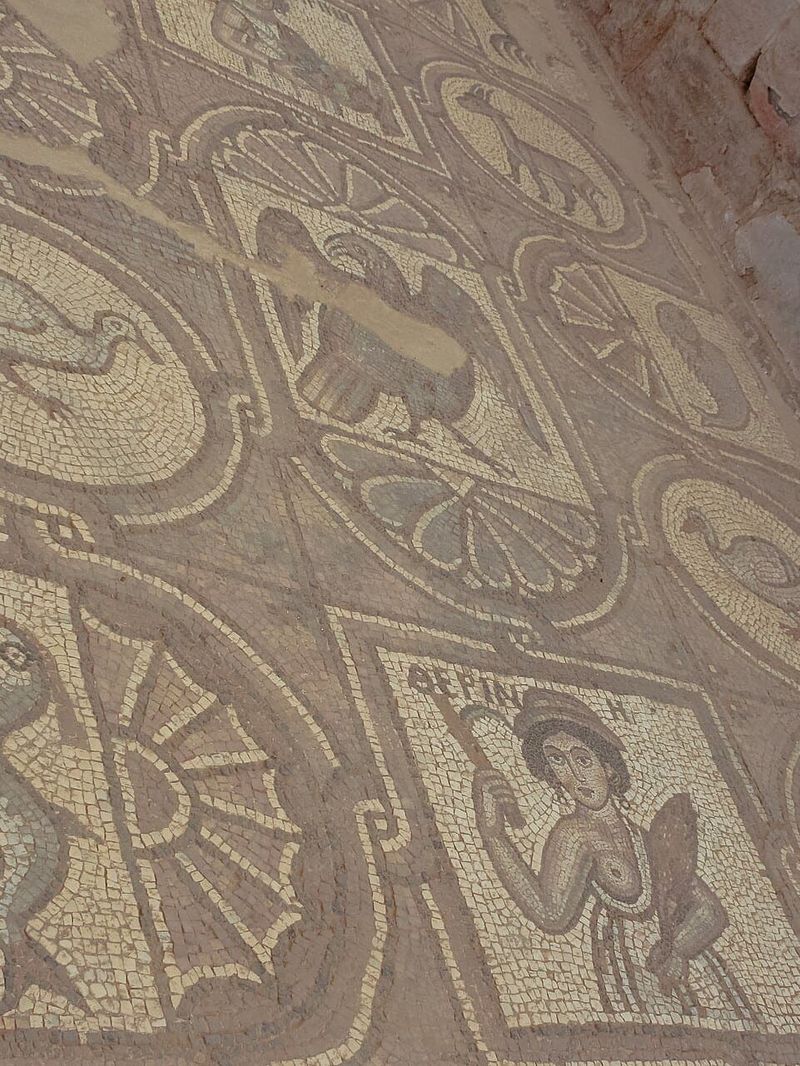
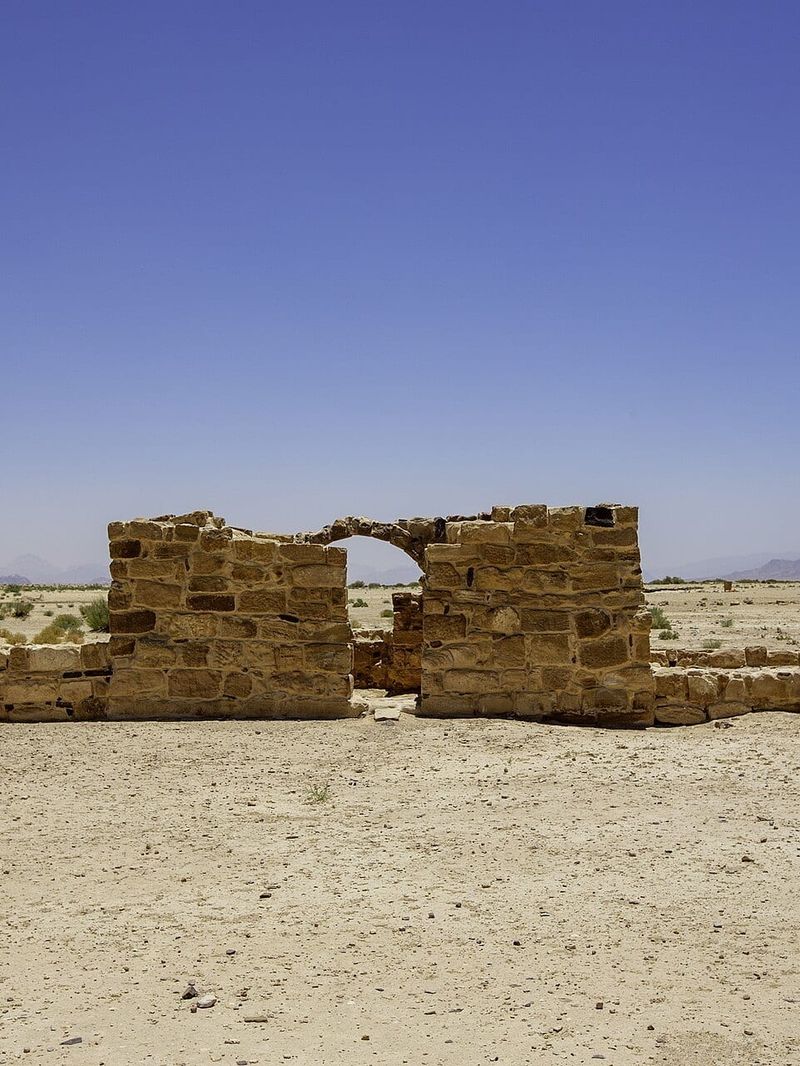
After the Roman annexation of 106 a fort for a garrison was built here. Several churches went up in the Byzantine period. Around the turn of the eighth century the Abbasid family, descendants of the Prophet's uncle al-Abbas, acquired Humayma and built a residence and a mosque. From this remote estate they prepared the movement that overthrew the Umayyad caliphate in 750. The first two Abbasid caliphs, as-Saffah and al-Mansur, grew up here.
Excavation
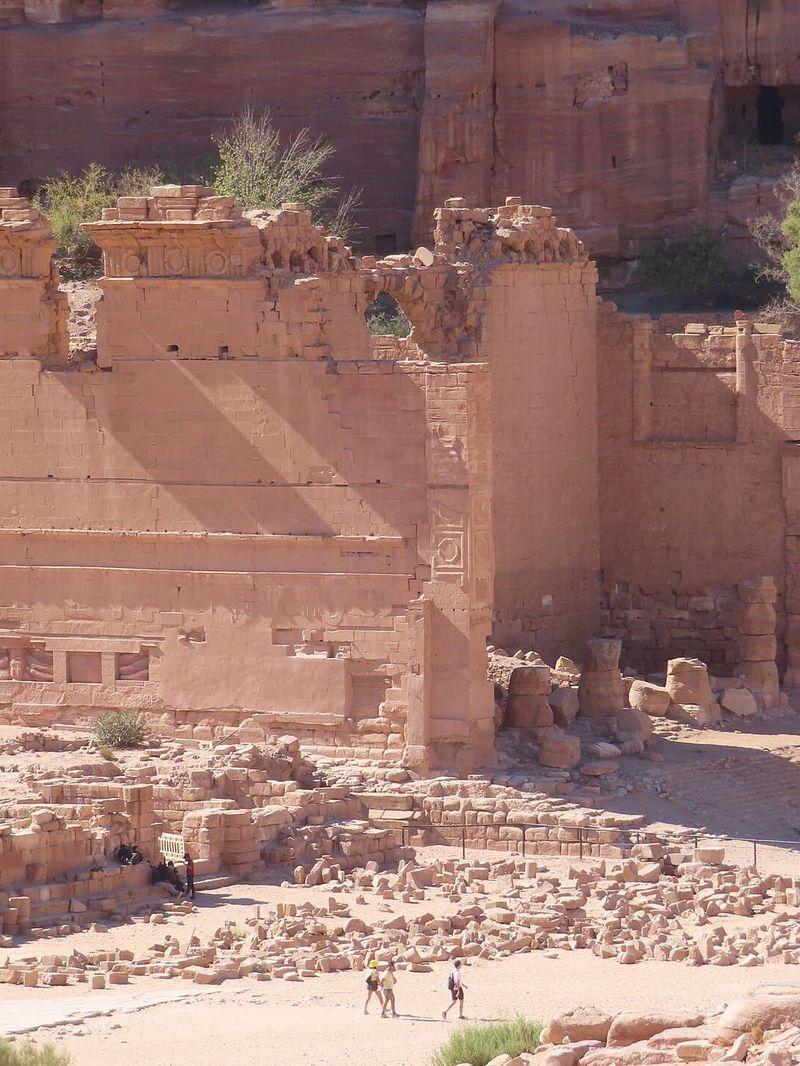
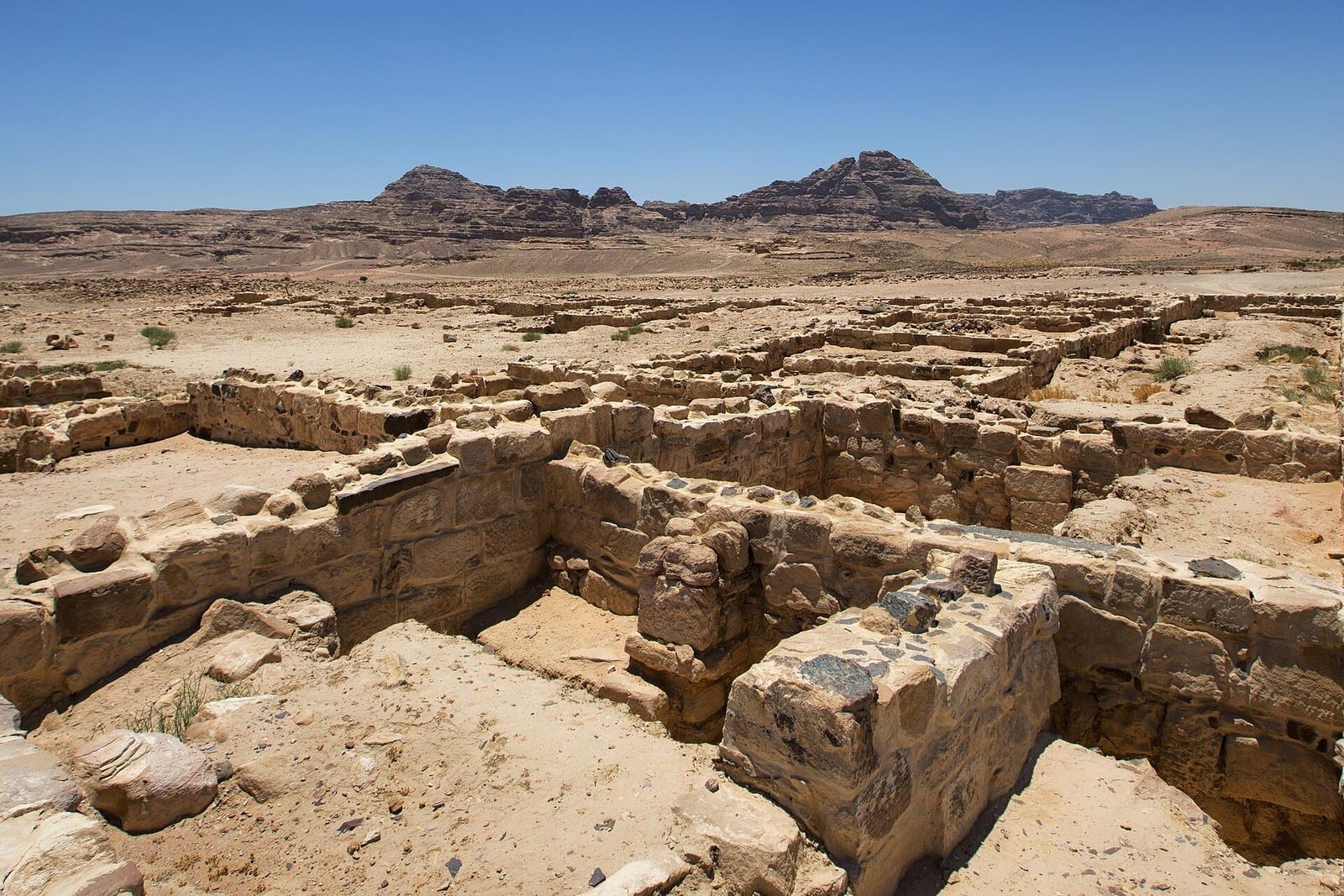
A Canadian team led by John Oleson excavated Humayma from 1986. The site is wide and low. The fort, the reservoir and the Abbasid residence are easiest to read with a guide. Humayma belongs to the same Nabataean world as Petra.
Exhibo editorial
There is not much to look at and that is exactly what holds you. Low walls, cisterns, the outline of a fort in the sand. And the knowledge that the dynasty which later built Baghdad was planned in a house here.
Bring the aqueduct into focus and the place comes alive. Twenty-seven kilometres of channel carrying water across the desert to a town that had no other reason to exist. Humayma was always an argument with the landscape. For several centuries it won.
Gallery
How to find it
Turn west off the Desert Highway about 80 km north of Aqaba and follow the brown signs to Humayma. A paved road, then a gravel track, leads about 12 km to the site. The site guard or a local guide can show the fort, the reservoir and the Abbasid residence.