Kasbah and Old Town of Le Kef
An Ottoman citadel on the rock above Roman Sicca Veneria, with a Roman church and a Sufi shrine in the lanes below.
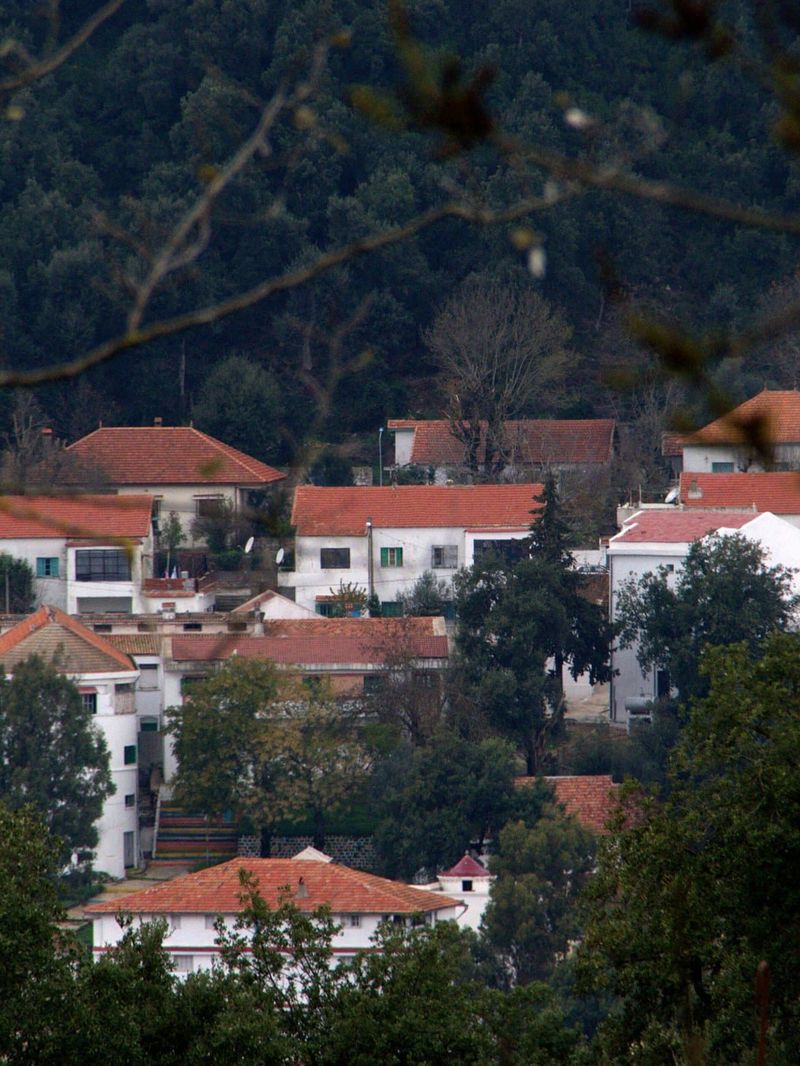
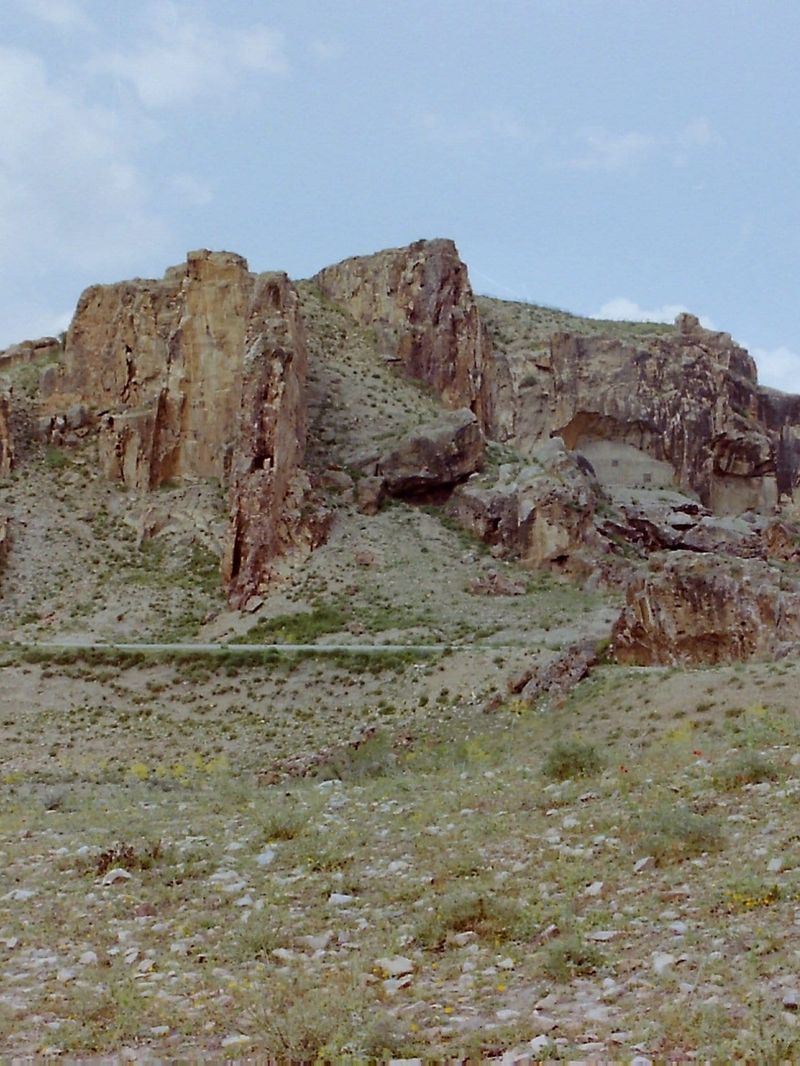
Le Kef clings to the southern slope of Jebel Dyr at about 780 metres, close to the Algerian border in north-west Tunisia. Its Arabic name means the rock. The old town climbs the hillside to a kasbah on the summit.
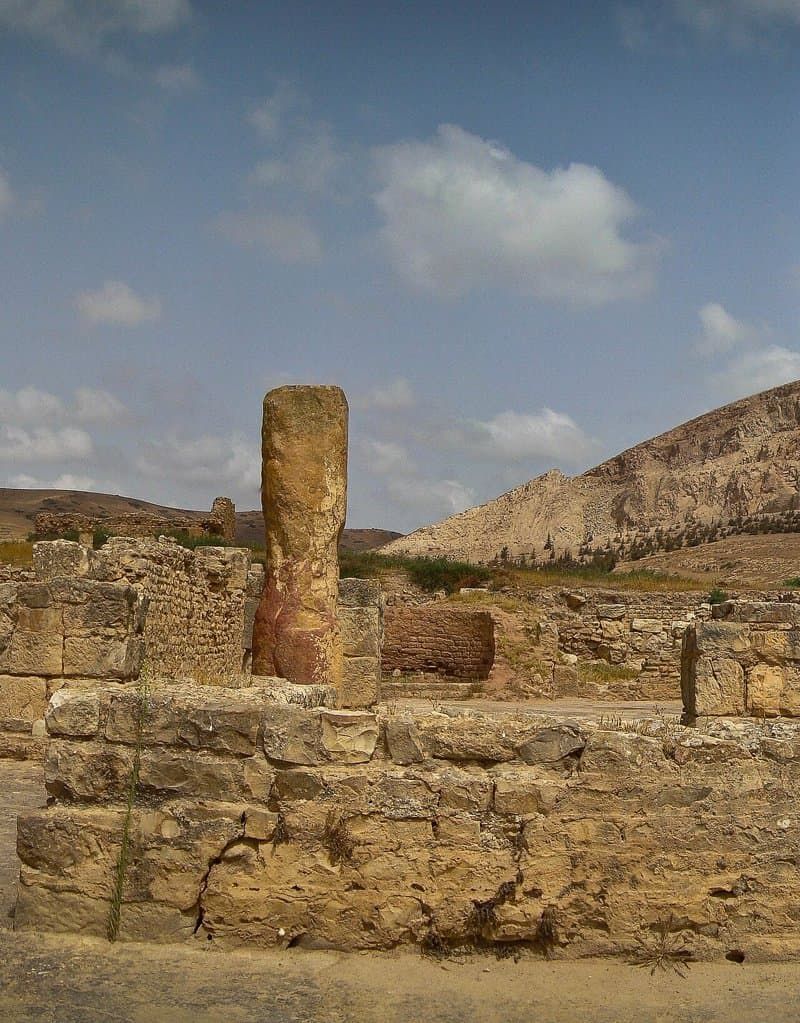
In antiquity the town was Sicca Veneria. It was a Numidian town before it became a Roman colony on the road west from Carthage. Its Roman name recalls the cult of Venus. Under the empire Sicca had baths, temples and great cisterns. Many Roman stones were later built into the houses and walls of the town.
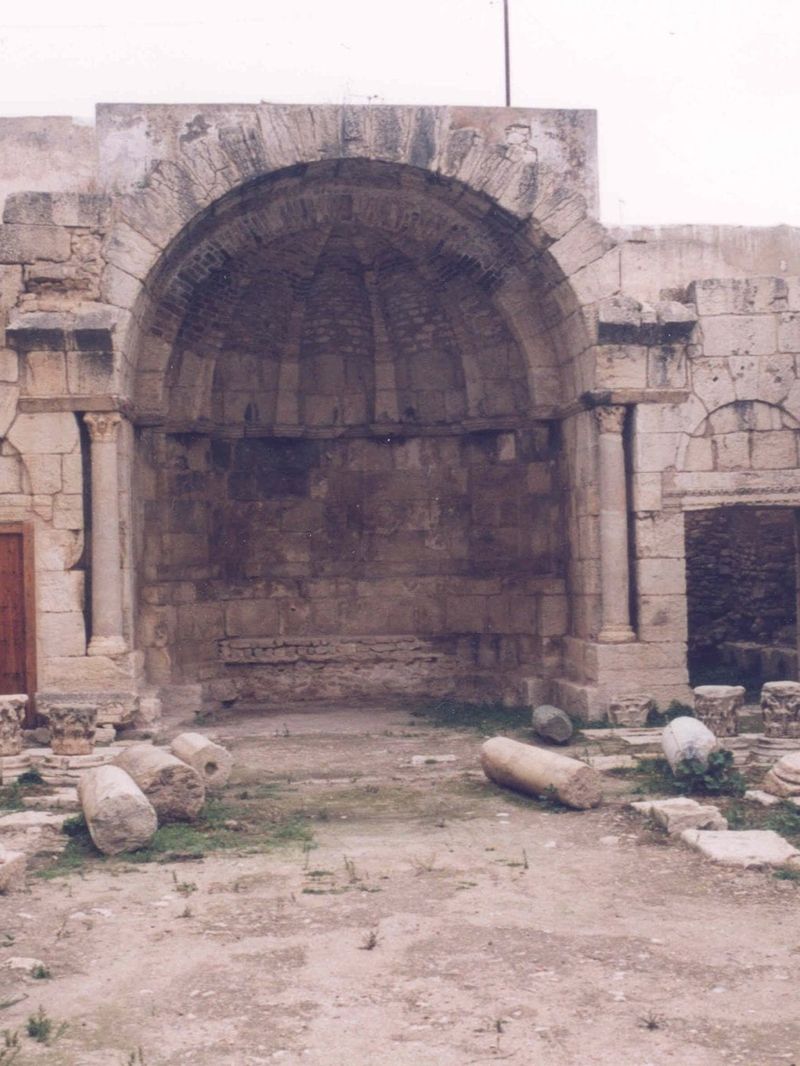
Dar el Kous is the best-preserved monument of Christian Sicca. It is a church built in the late fourth or fifth century. It is thought to stand on the site of the old Capitolium. Its apse, its narthex and walls of large reused blocks still stand. A lintel carries Christian symbols. The church is traditionally dedicated to St Peter. Nearby the Great Mosque occupies another late Roman building, converted into a mosque in the early Islamic period.
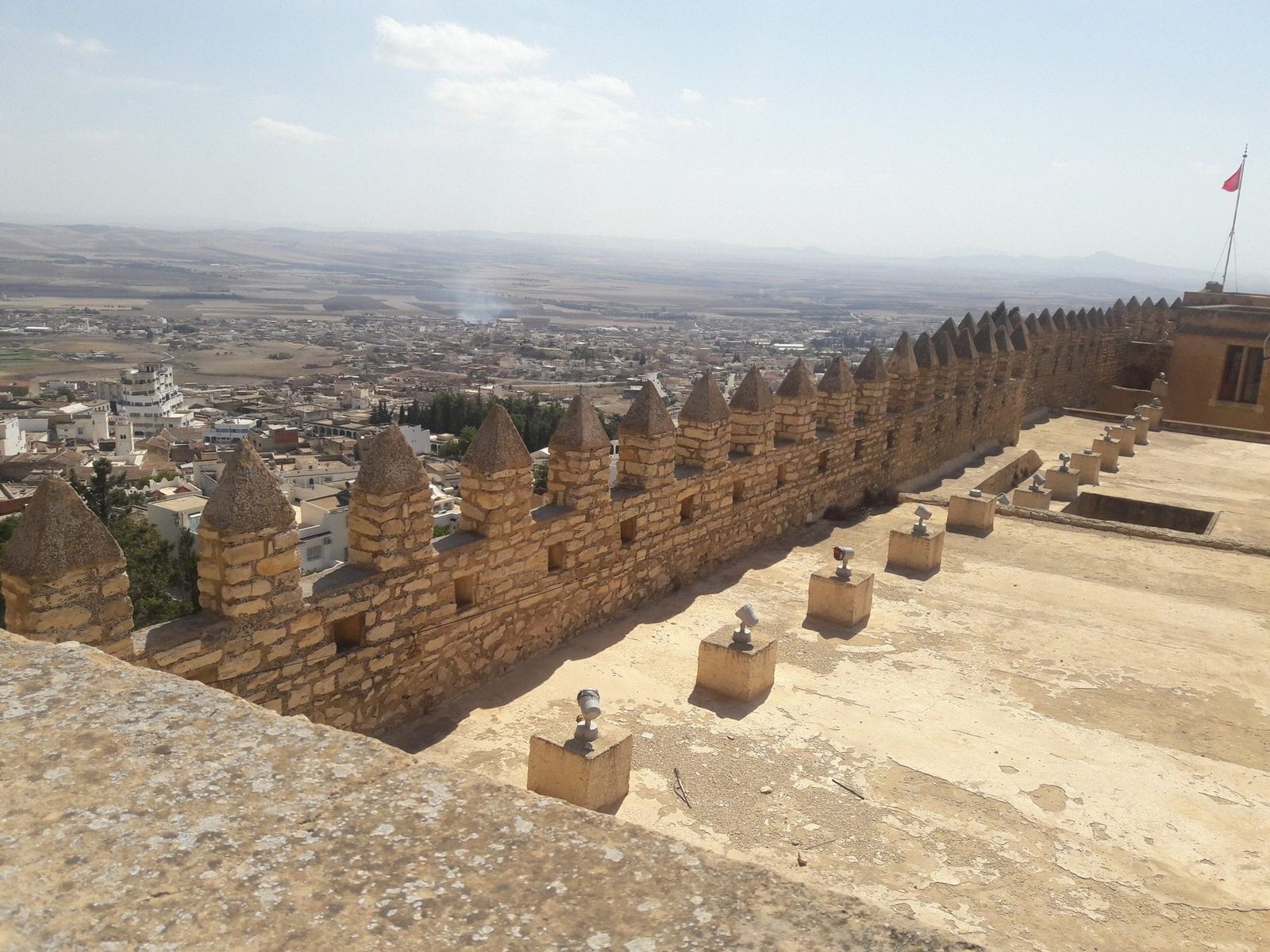
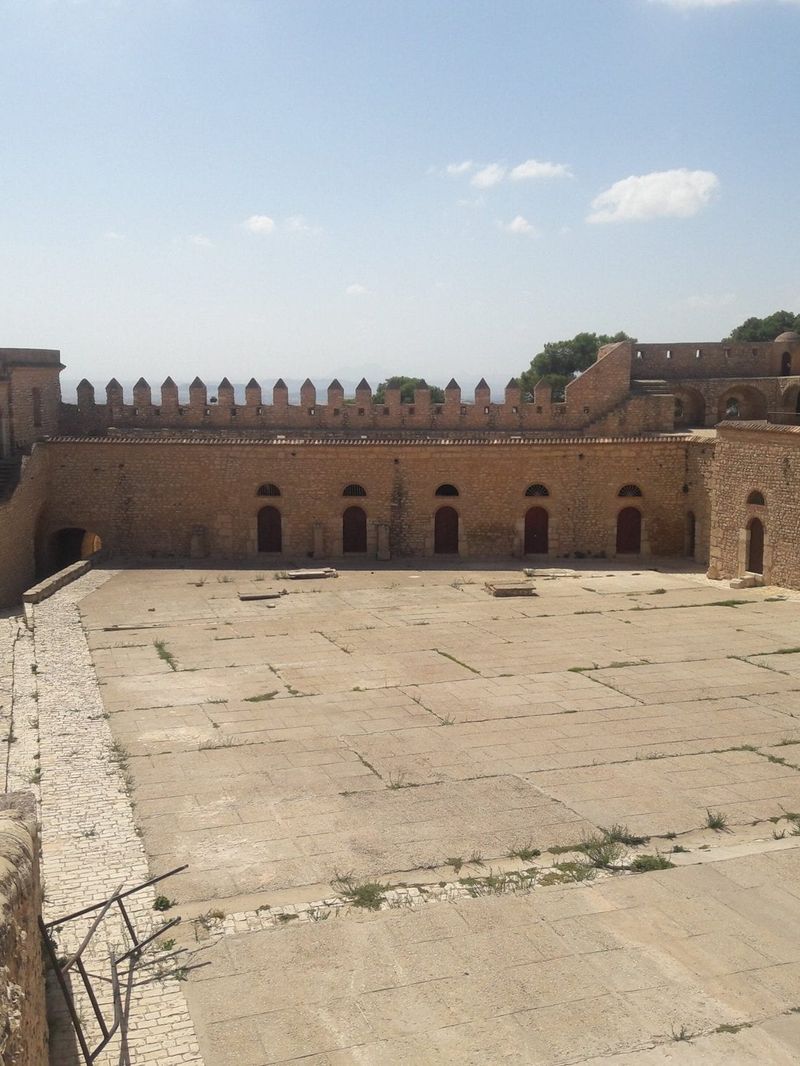
The kasbah grew from a first fort built by the Ottomans around 1600. Le Kef faced the regency of Algiers across the border. The two powers fought over the frontier more than once. The town was walled in 1740 and the fortress became the bastion of Tunis in the west. Its crenellated walls enclose large courtyards and vaulted halls.
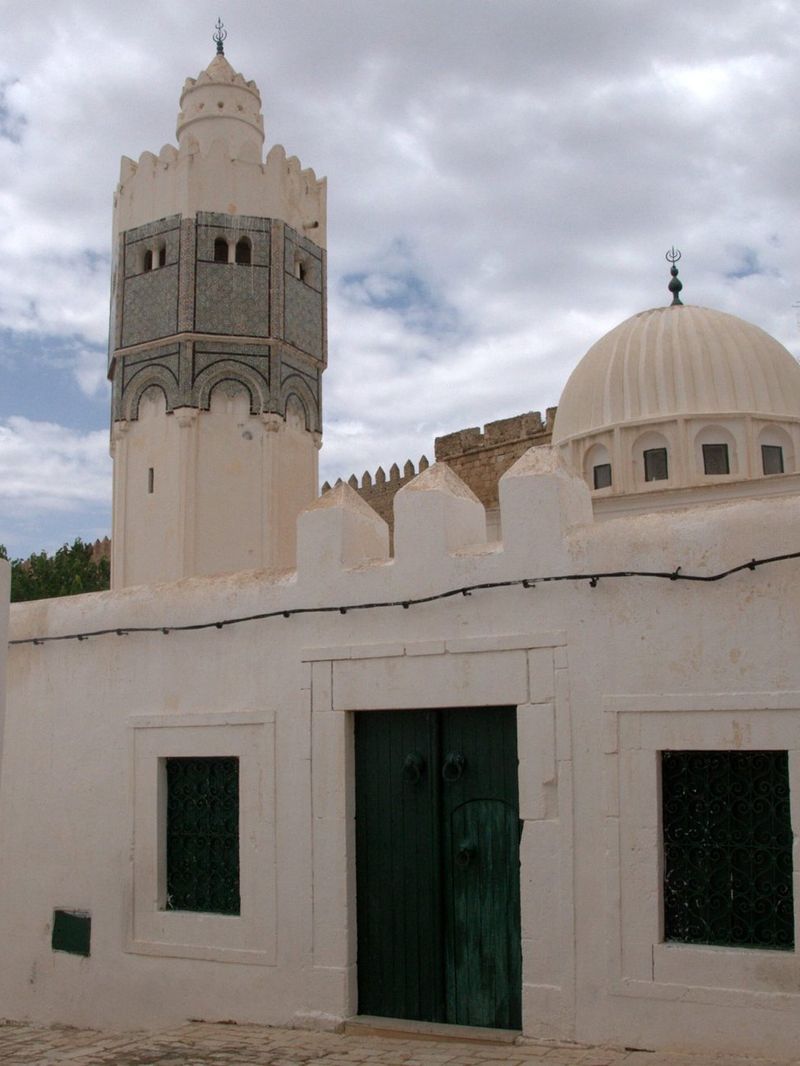
Below the kasbah stands the zaouia of Sidi Bou Makhlouf, a seventeenth-century Sufi shrine with white domes and an octagonal minaret. Le Kef was also home to the family of Husayn ibn Ali, who founded the Husainid dynasty in 1705. The mausoleum of his father, Ali Turki, stands in the town.
Exhibo editorial
Le Kef feels like a frontier town. You arrive from the plain and the road keeps climbing. The town hangs on the rock. At the top the kasbah walls look west towards Algeria, as they were built to do.
Climb up in the late afternoon. Walk the ramparts, then come down through the lanes to the white domes of Sidi Bou Makhlouf and on to Dar el Kous, where a church of Roman Sicca still stands after some sixteen centuries. Stay the night if you can. From here the Roman towns of Dougga and Mustis are an easy morning's drive. Makthar lies south-east across the plateau.
Gallery
How to find it
The kasbah crowns the old town; follow the signs uphill from the centre or drive round to the gate on Rue de la Kasbah. The zaouia of Sidi Bou Makhlouf is just below it. Dar el Kous stands a few minutes' walk further down in the old town. The lanes are steep. The Ghriba synagogue stands in the old Jewish quarter close to Dar el Kous.