
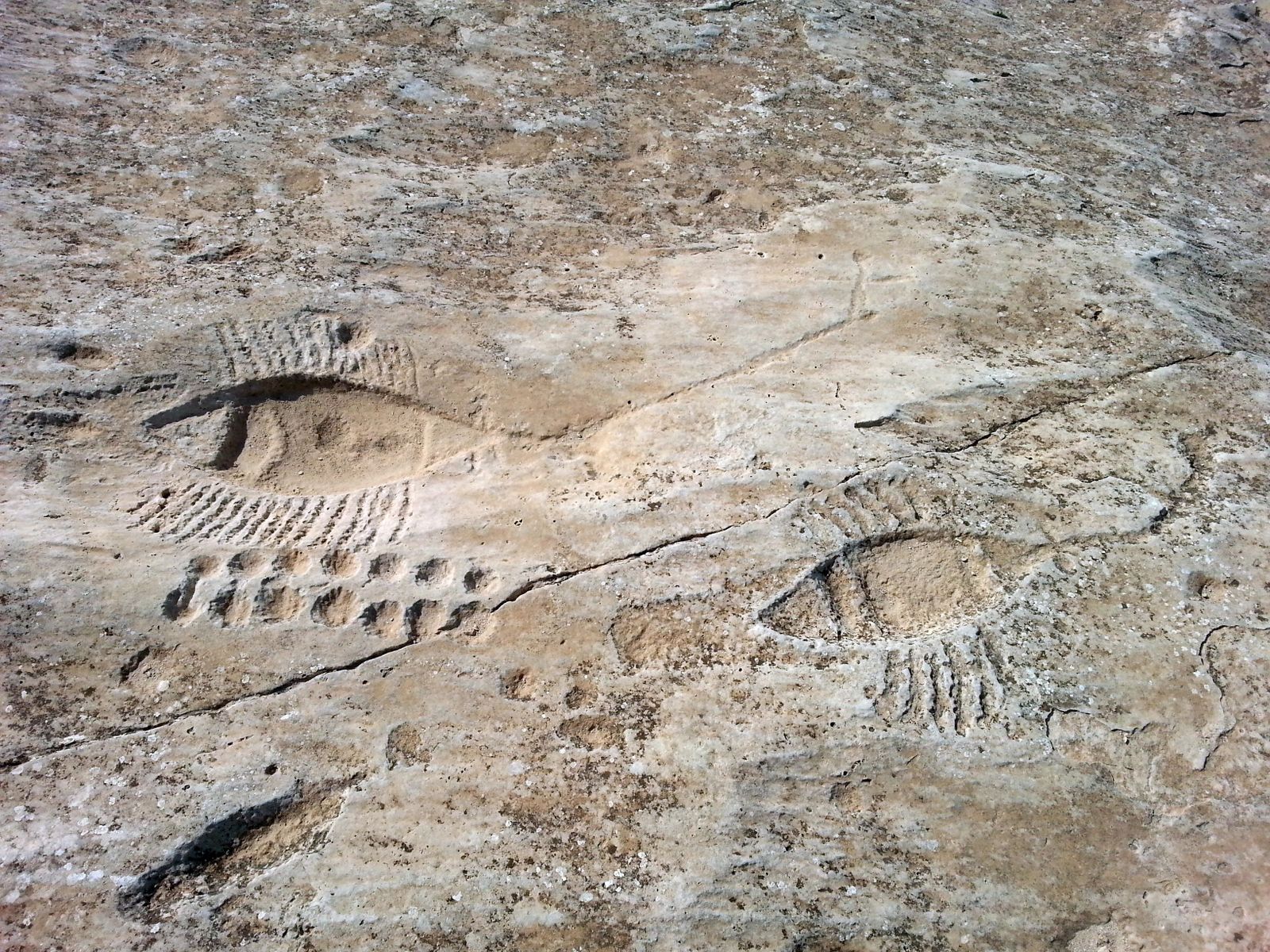
Al Jassasiya Rock Art Site
874 petroglyphs on a north-eastern plateau — dhows, ostriches, cup marks and Neolithic mystery.
Al Jassasiya is Qatar's most extensive rock-carving site: 874 petroglyphs spread across a fenced plateau roughly 700 metres wide. Rosettes, fish, ostriches, dhow boats and cup-shaped depressions — possibly used for pearl storage or board games — were carved into sandstone outcrops from Neolithic times through to periods scholars variously place between the third century BC and the eighteenth century AD.
Discovered in 1957, the site likely served as a coastal lookout; nearby beach mangroves and fifteenth-century pottery from excavated dwellings add layers to an landscape that still resists definitive interpretation.
Exhibo editorial
Bring binoculars and patience: the carvings reward slow scanning, not a drive-by.
The fenced perimeter means a short walk from parking; combine with Al Jassasiya beach if you want a swim after the archaeology.
How to find it
~60 km north of Doha via Al Shamal Highway, Exit 66. Park outside the fence and walk in. Sun, Tue, Thu 9:00–17:00; Fri 12:30–17:00.
Similar places
All places
News by Exhibo
Editorial coverage on Exhibo
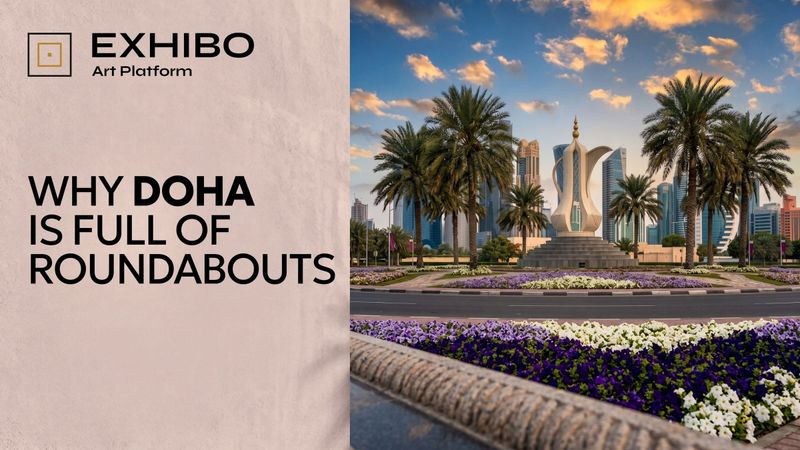
Why Doha Is Full of Roundabouts
An old circle at a crossroads, sharpened by British road engineering, became the way an Arabian city found its way and remembered itself — and it took the bulldozers to reveal it.
In a city where a landmark was more useful than an address, Doha's roundabouts became its navigation, its landscaping and its national image all at once. Now they're being torn out for signalled junctions — and the affection for them arrived, as one scholar put it, only posthumously.
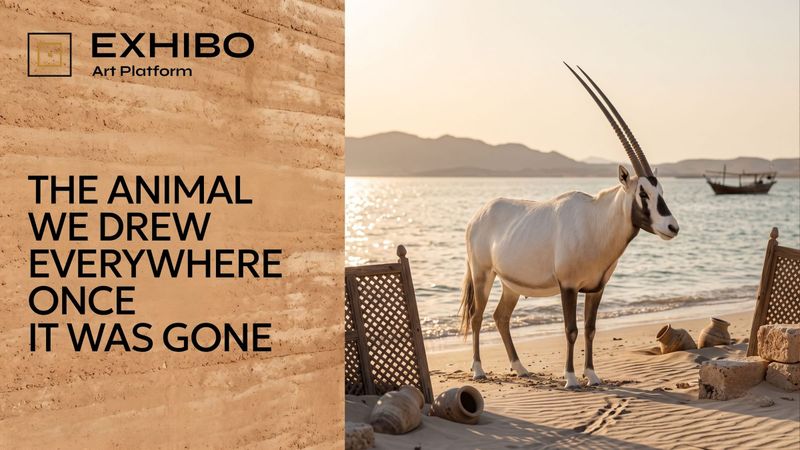
The Animal We Drew Everywhere Once It Was Gone
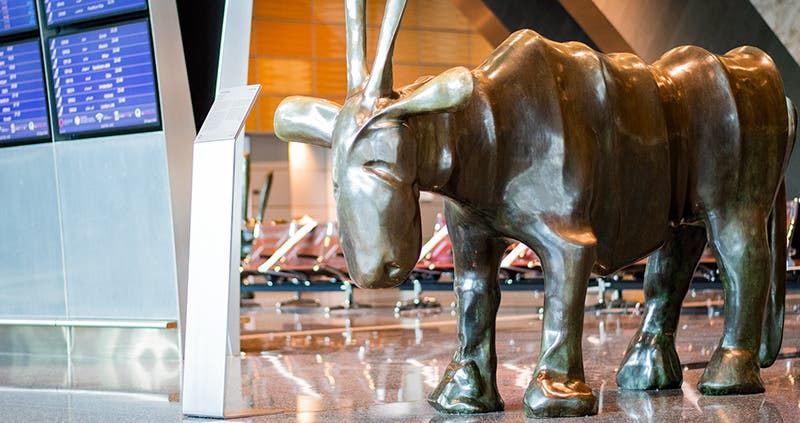
From Neolithic rock to airline tailfin — how the Arabian oryx vanished from the desert, came back from nine animals, and multiplied everywhere as a symbol in the very decades it was gone.
The last wild Arabian oryx was shot in 1972. By then it was already a picture — carved on Bronze Age tombs, mistaken by the ancients for a unicorn, praised by poets as the eyes of the beloved. This is the story of an animal that went extinct in the wild and was brought back from nine survivors, and of the strange gap between the creature and the emblem it became: fast, sharp and ascendant on a nation's tailfin, while the animal itself survives by standing still in the shade.
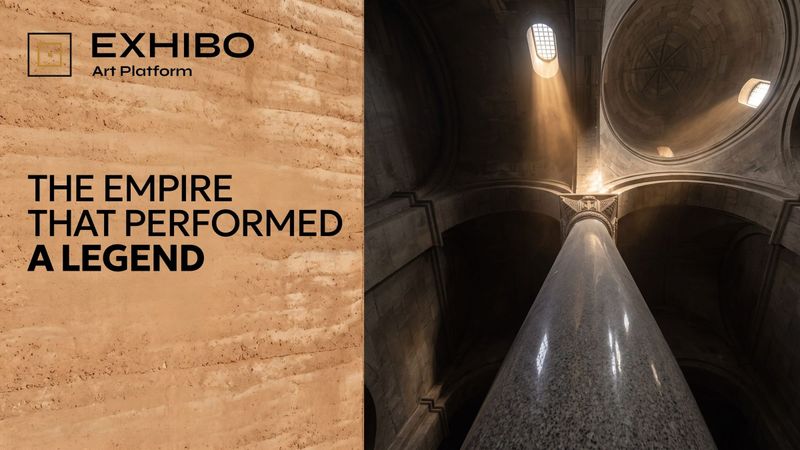
Seventy Thousand Solomons: The Empire That Performed a Legend
A demon catalogue in the conqueror's library, a sixteenth-century text where kingship is an office held seventy thousand times, and the columns a sultan dragged across three provinces to prove he held it.
Mehmed II kept a Greek catalogue of demons in his library at Topkapı. Seventy years later a sultan named for a prophet was rebuilding the walls of Jerusalem and hauling Roman columns out of Egypt and the Lebanon into a mosque above the Golden Horn. In between, Ottoman writers turned Solomon from a warning into a job — and the empire applied for it in stone.