Directory listing — not yet managed by the museum. Spotted something wrong? Suggest an edit →

Topkapı Palace Museum

Topkapı Palace Museum

Fatih & Historic PeninsulaIstanbul

Palace of the Ottoman sultans since 1478: Harem, Treasury, Sacred Relics and the courtyards above the Bosphorus

About

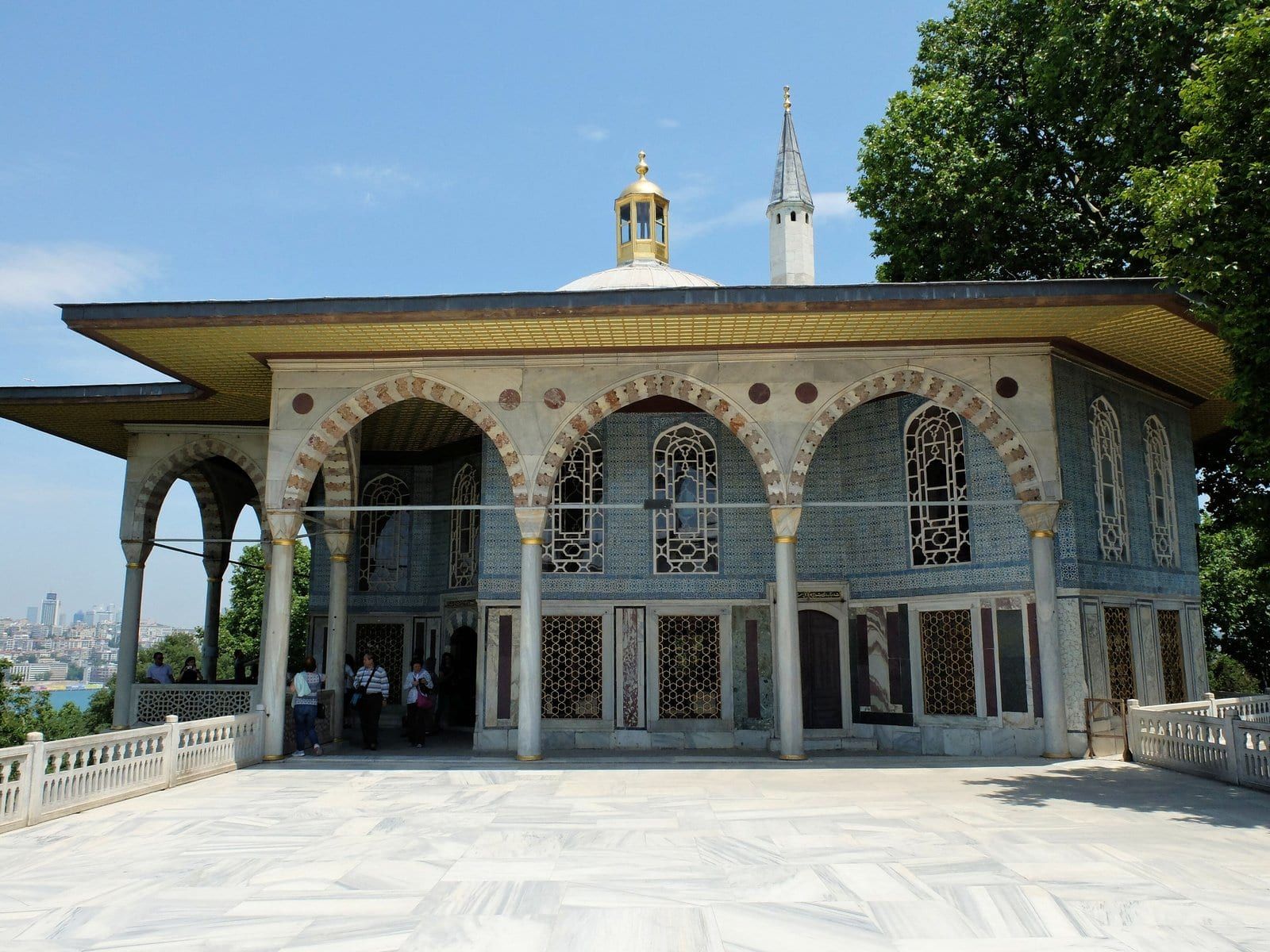
Topkapı Palace was the main residence and seat of government of the Ottoman sultans for almost four hundred years. It stands on Sarayburnu, the point of Istanbul's historic peninsula between the Golden Horn, the Bosphorus and the Sea of Marmara, on the site of the ancient acropolis of Byzantium. Mehmed II built it between 1460 and 1478, soon after the conquest of Constantinople. Later sultans kept adding to it until the court moved to the new Dolmabahçe Palace in the mid-nineteenth century. The name comes from Topkapı, "Cannon Gate", a shore pavilion that has since disappeared. On 3 April 1924 the palace became the first museum of the Turkish Republic. Today it covers about 350,000 square metres and holds about 300,000 archive documents. It is part of the Historic Areas of Istanbul, inscribed on the UNESCO World Heritage List in 1985. Since 2019 it has been run by the Directorate of National Palaces. The palace is a sequence of four courtyards, entered through three gates. The Imperial Gate (Bab-ı Hümayun) leads into the first courtyard, where the Byzantine church of Hagia Irene still stands. The Gate of Salutation (Babüsselam) opens onto the second courtyard. Here the imperial council met under the dome of the Kubbealtı, beside the Tower of Justice and the entrance to the Harem. Beyond the Gate of Felicity (Babüssaade) lay the sultan's private world: the Audience Chamber, the palace school and the Treasury. The Privy Chamber holds the Sacred Relics, brought to Istanbul after Selim I's conquest of Egypt in 1517. The fourth courtyard has terraced gardens and pavilions. The Revan Kiosk (1635) and the Baghdad Kiosk (1639) celebrate Murad IV's campaigns and are among the finest examples of classical Ottoman pavilion architecture. The Treasury holds the Spoonmaker's Diamond of 86 carats and the Topkapı Dagger with its three large emeralds. The dagger was made in 1747 as a gift for Nadir Shah of Iran. It came back to Istanbul after the shah was murdered before the envoys reached him. The palace kitchens hold one of the largest collections of Chinese porcelain outside China, with more than ten thousand pieces. There are also collections of arms, imperial costumes, clocks and manuscripts. The former imperial mint (Darphane-i Amire) in the first courtyard has reopened after seven years of restoration as a group of five specialist museums with about 10,500 objects. The ticket offices are open from 09:00 to 17:00. The palace is closed on Tuesdays. The combined ticket includes the Harem and Hagia Irene; the Museum Pass is not valid for these two sections.

Why this museum matters

Exhibo editorial

Start in the fourth courtyard. The Baghdad Kiosk sits on a marble terrace above the Golden Horn. Its walls are lined with blue and white tiles. The cupboard doors are inlaid with mother-of-pearl and tortoiseshell. Murad IV built it to mark the recapture of Baghdad. It is a victory monument the size of a sitting room. Then think about the dagger. It was made to flatter a rival ruler, set off for Iran and turned back halfway when its owner was killed. It has been one of the palace's most famous objects ever since. Look for the Sofa Kiosk by the Tulip Garden too. The verses of the Ottoman poet Hakani Mehmed Bey are written inside, up near the ceiling. The stone room next to it, the Taş Kule, once served as the palace pharmacy. Plan a full day if you add the Harem and the new Darphane museums. Hagia Irene is in the first courtyard and comes with the combined ticket.

Visit

Hours, tickets, and directions for Topkapı Palace Museum.

Address

Cankurtaran Mah., Babı Hümayun Cad. No: 1, Sultanahmet, Fatih, Istanbul

Opening hours

Monday
09:00 – 17:00
Tuesday
Closed
Wednesday
09:00 – 17:00
Thursday
09:00 – 17:00
Friday
09:00 – 17:00
Saturday
09:00 – 17:00
Sunday
09:00 – 17:00

Ticket offices 09:00–17:00, closed Tuesdays (Directorate of National Palaces). Closed on New Year's Day and the first day of Ramadan Bayram.

News by Exhibo

Editorial coverage on Exhibo

All articles →
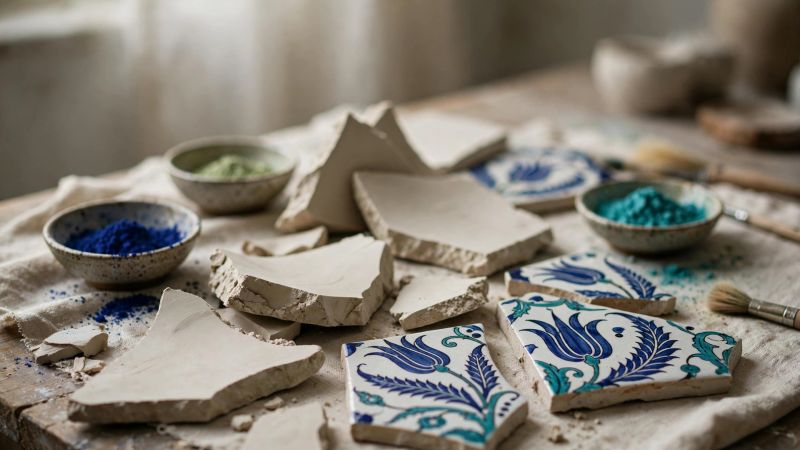
Iznik-style ceramic tile workshop atmosphere with cobalt and turquoise glazed fragments and saz leaf motifs in warm studio light, no readable inscriptions.
Guide

Ottoman Art and the Court Workshop

Court workshops, Iznik tiles, metalwork, textiles and imperial architecture from Bursa to Topkapı, with named museum works

Ottoman art names the luxury objects, tiles, metalwork, textiles and architectural programmes made under sultans from the fourteenth century to the early twentieth. The Ehl-i Hiref court corps and the nakkashane design office coordinated makers in Istanbul, Iznik and Bursa. This survey stays with workshop organisation and decorative media; miniature painting and manuscripts sit in sibling guides.
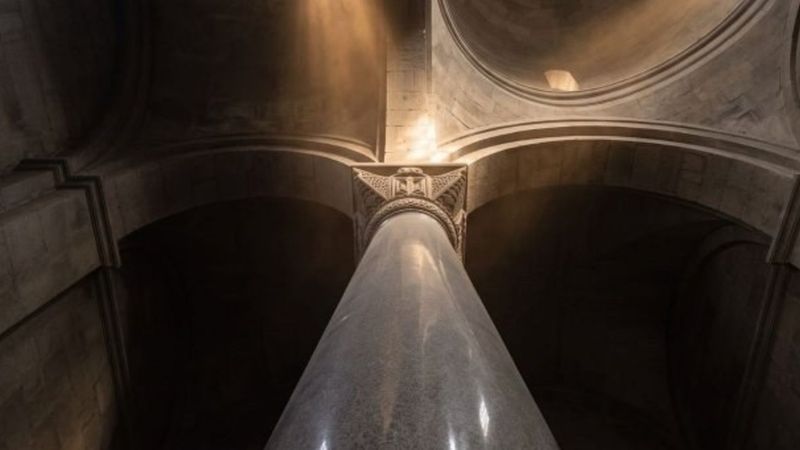
A massive granite column shaft under a stone arch, seen from below, with the dome springing above it.
Editorial

Seventy Thousand Solomons: The Empire That Performed a Legend

A demon catalogue in the conqueror's library, a sixteenth-century text where kingship is an office held seventy thousand times, and the columns a sultan dragged across three provinces to prove he held it.

Mehmed II kept a Greek catalogue of demons in his library at Topkapı. Seventy years later a sultan named for a prophet was rebuilding the walls of Jerusalem and hauling Roman columns out of Egypt and the Lebanon into a mosque above the Golden Horn. In between, Ottoman writers turned Solomon from a warning into a job — and the empire applied for it in stone.