

Galerie Le Violon Bleu
Artists, curatorial team, advisors, and partners connected to Galerie Le Violon Bleu.
Artists
Represented and guest artists exhibiting with the gallery.
Represented artists
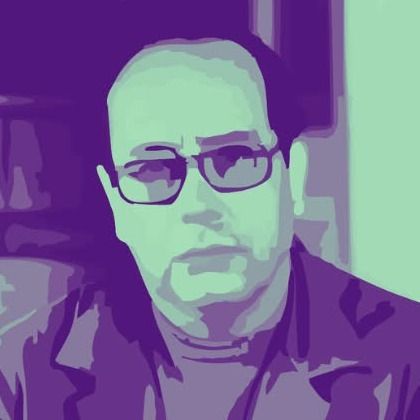
Ali Bellagha
Ali Bellagha (1924–2006) was a Tunisian painter, engraver and designer who brought art and craft together. He came from a family of craftsmen in the medina of Tunis and trained in Tunis and Paris in drawing, engraving, ceramics and decoration. In the 1960s he founded the gallery Les Métiers in Tunis with his wife Jacqueline Guilbert, where antiques, contemporary art and fine craft were shown side by side. He worked in wood, stone, copper, wool, leather and silver as well as paint. He received the Prix national des arts plastiques in 2003.
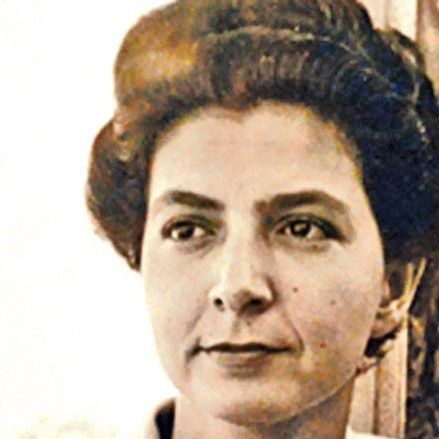
Inji Efflatoun
Egyptian painter and activist, born in Cairo in 1924 into a francophone landowning family. She trained with the surrealist Kamel el-Telmissany and with Margo Veillon, then turned to Marxism and feminism. Arrested in 1959 for her communist ties, she spent four years in women's prisons and kept painting there; her portraits of fellow prisoners are among her strongest work. After her release she painted fields, peasants and workers. She died in 1989.
Adel el Siwi
Farid Belkahia
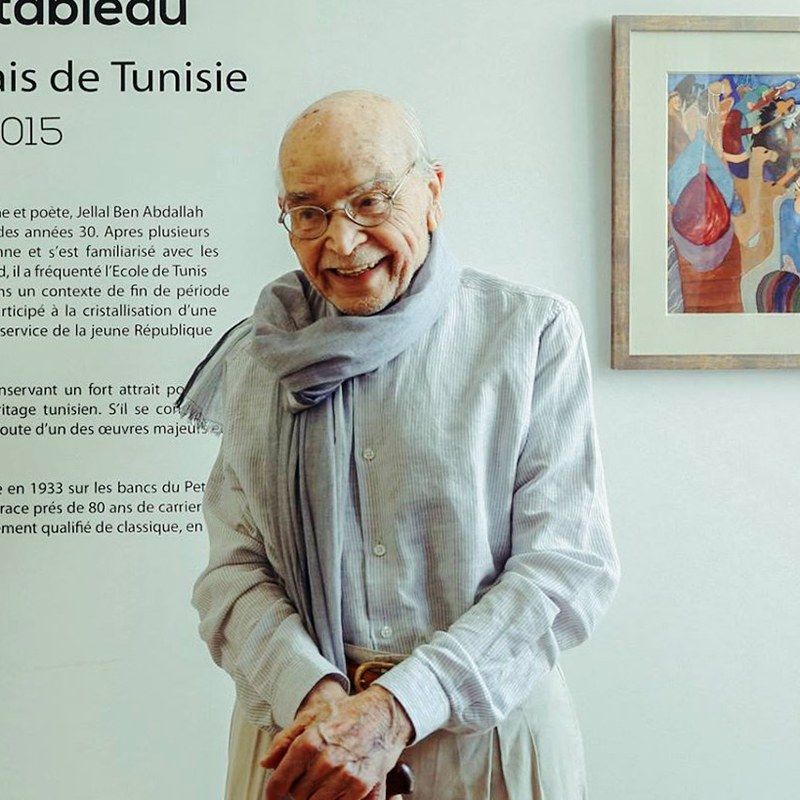
Jellal Ben Abdallah
Jellal Ben Abdallah (1921–2017) was a Tunisian painter of the first generation of modern Tunisian artists and a core member of the École de Tunis. Born in Tunis, he lived and worked in Sidi Bou Said, where he died in 2017. He adapted the fine detail of miniature painting to scenes of daily life, still lifes and portraits of women. His first exhibition, with Hatem El Mekki, took place in 1934.
Guest artists
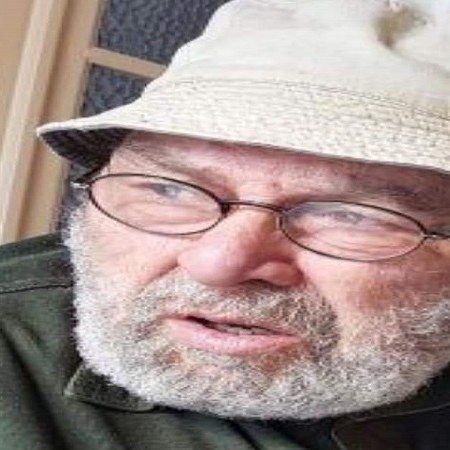
Rafik El Kamel
Rafik El Kamel (1944–2021) was a Tunisian painter born in Tunis. He graduated from the École des Beaux-Arts de Tunis in 1966 and studied at the École des Arts Décoratifs in Paris from 1967 to 1971. He belonged to the generation that renewed Tunisian painting in the years after independence. He later taught at the Tunis fine arts school and received the first prize of the City of Tunis in 1984. His painting moved from expressive faces, as in the series Fou rire, to street scenes and then to lyrical abstraction. He died on 12 March 2021.
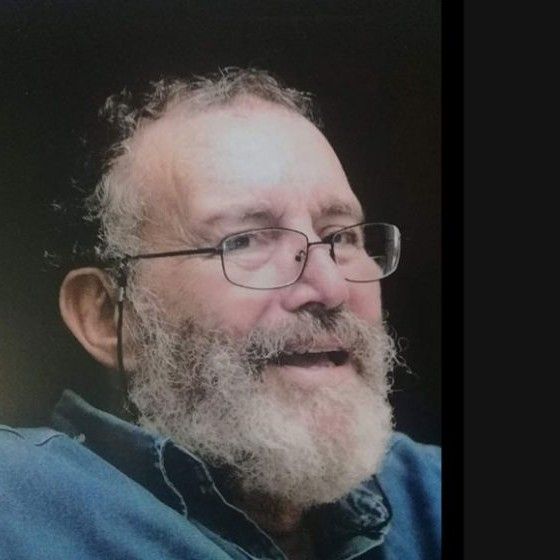
Sadok Gmach
Sadok Gmach (1940–2024) was a Tunisian painter of the generation that came of age after independence. In 1962 he co-founded the Groupe des Six, the first open break with the École de Tunis, and later took part in Groupe 70. Residencies at the Cité internationale des arts in Paris and then in West Berlin between 1969 and 1971 moved his work toward flat colour and, in Berlin, toward pop art and social themes. He showed at the Paris Biennale in 1967 and 1969 and at the São Paulo Biennale, with solo shows in Tunis, Paris, Geneva, Berlin, Frankfurt and Munich. He died in Tunis in August 2024.
Aly Ben Salem
Aly Ben Salem (1910–2001) was a Tunisian painter and one of the pioneers of modern painting in the country. Born in Tunis, he trained at the École des Beaux-Arts de Tunis and in 1936 won the first painting prize of the Tunisian government along with the North African prize for miniature. He later settled in Sweden, which he called his second home, and died in Stockholm in 2001. His work, close to miniature painting, is known for its stylised women, birds and gardens. In 2024 his paintings were shown at the Venice Biennale.
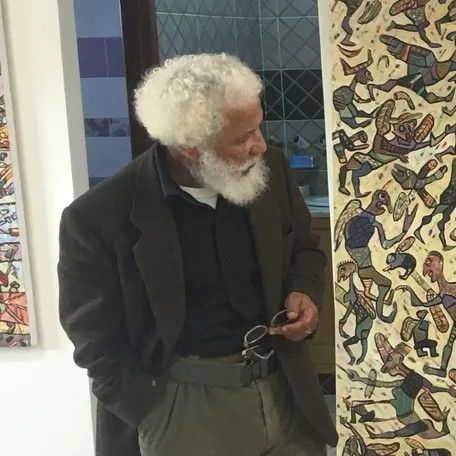
Gouider Triki
Gouider Triki is a Tunisian painter and engraver born in Nabeul in 1949. He studied at the École des Beaux-Arts de Tunis from 1966 to 1971 and later worked in Paris, where he learned woodcut in the Lagrange and Couteau workshops. He belongs to the second generation of modern Tunisian artists and to its first generation of printmakers. His crowded compositions build a language of signs drawn from Islamic and Amazigh traditions. He lives and works in Tunisia.
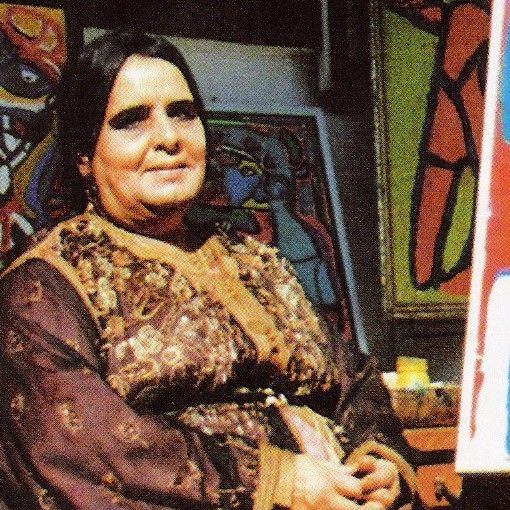
Chaïbia Talal
Chaïbia Talal (1929–2004) was a self-taught Moroccan painter born in Chtouka near El Jadida. Married at thirteen and widowed at fifteen, she never went to school. The painter Ahmed Cherkaoui and the critic Pierre Gaudibert saw her canvases and encouraged her to exhibit. Her bright, flat paintings of women and village life made her one of the best-known Moroccan artists of her century. She died in Casablanca in 2004.
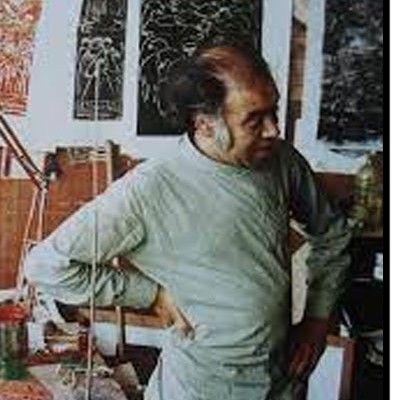
Brahim Dhahak
Brahim Dhahak was a Tunisian painter and engraver associated with the École de Tunis, born in 1931 in El Ksar near Gafsa. He lost his parents young and worked in Tunis cafés before a scholarship took him to the Accademia di Belle Arti in Rome from 1957 to 1961. He later held a residency at the Cité internationale des arts in Paris. He painted village women, landscapes and café scenes. His woodcut series on the Hilalian epic draws on the tradition of popular storytellers. He received the Grand Prix of the City of Tunis in 1991.
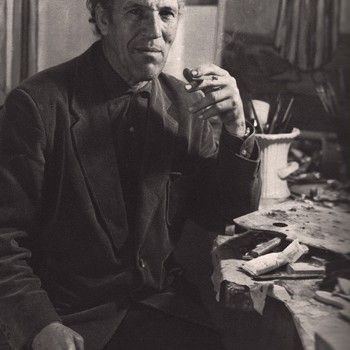
Ammar Farhat
Ammar Farhat (1911–1987) was a self-taught Tunisian painter born in Béja. He grew up poor, left school early and worked many jobs while teaching himself to draw, starting with charcoal portraits as a teenager. French painters noticed his work at the Salon tunisien in the late 1930s. He became one of the painters of the École de Tunis and painted the people of the street: porters, musicians, women at work. A cultural centre in Béja bears his name.
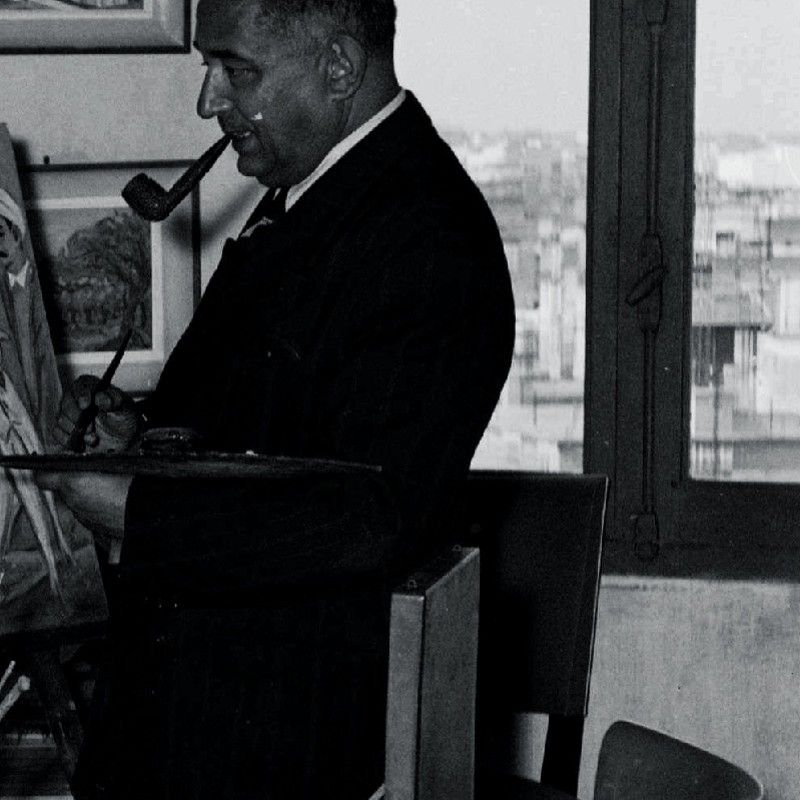
Yahia Turki
Yahia Turki (1903–1969) is often called the father of modern Tunisian painting. Born in Istanbul to a Turkish mother and a Tunisian father from Djerba, he grew up in Tunis and was largely self-taught. He showed at the Salon tunisien from 1923 and spent 1927 and 1928 in Paris. In 1948 he was among the founders of the École de Tunis, which he led until his death. He painted the medina, Sidi Bou Saïd and Djerba, street trades and the daily life of Tunis.
Abdelaziz Gorgi
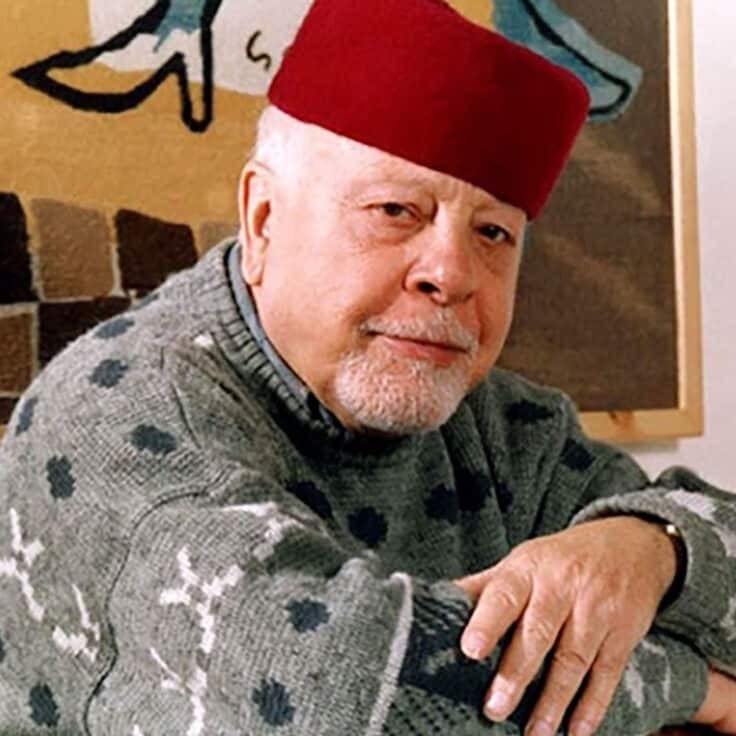
Abdelaziz Gorgi (1928–2008) was a Tunisian painter and ceramist and one of the founders of the École de Tunis. Born in Tunis, he studied at the École des Beaux-Arts de Tunis from 1944 to 1949 and trained in ceramics studios in Paris. He taught drawing, ceramics and painting at the Tunis school of fine arts from 1959 to 1983. In 1973 he opened Galerie Gorgi in Tunis and in 1988 a second space in Sidi Bou Saïd, today A. Gorgi. His playful, elongated figures drew on the medina and its trades.
Abderrazak Sahli
Abderrazak Sahli (1941–2009) was a Tunisian painter born in Hammamet. He graduated from the École des Beaux-Arts de Tunis in 1969, then studied in Paris at Université Paris VIII and the École des Beaux-Arts. Encouraged by Nejib Belkhodja, he began breaking up words and letters in his pictures in the mid 1960s. He worked across painting, sculpture, ceramics, engraving and installation and divided his life between France and Tunisia. From 2003 he taught at the fine arts institute in Nabeul. He died in Hammamet in 2009.