Berlin · 21/11/2026
Hugo Wilson: The Unclean Slate
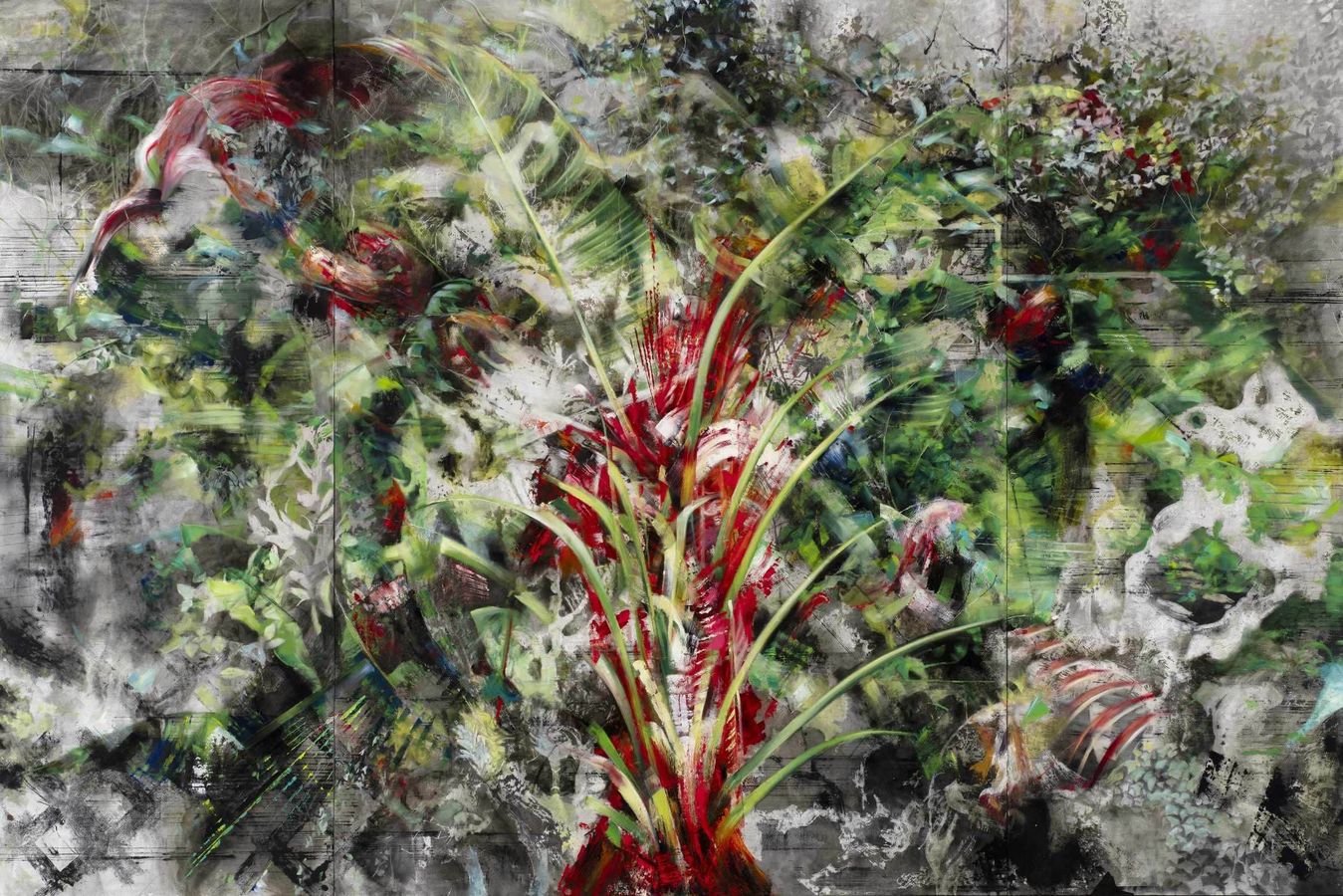
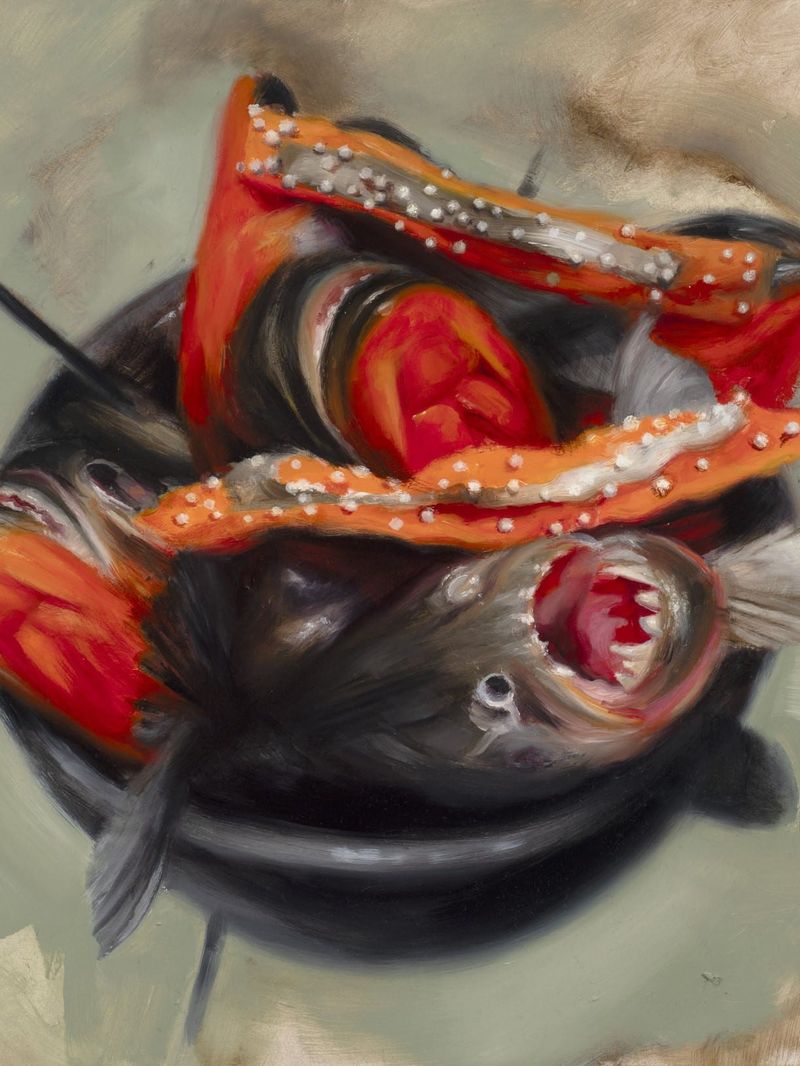
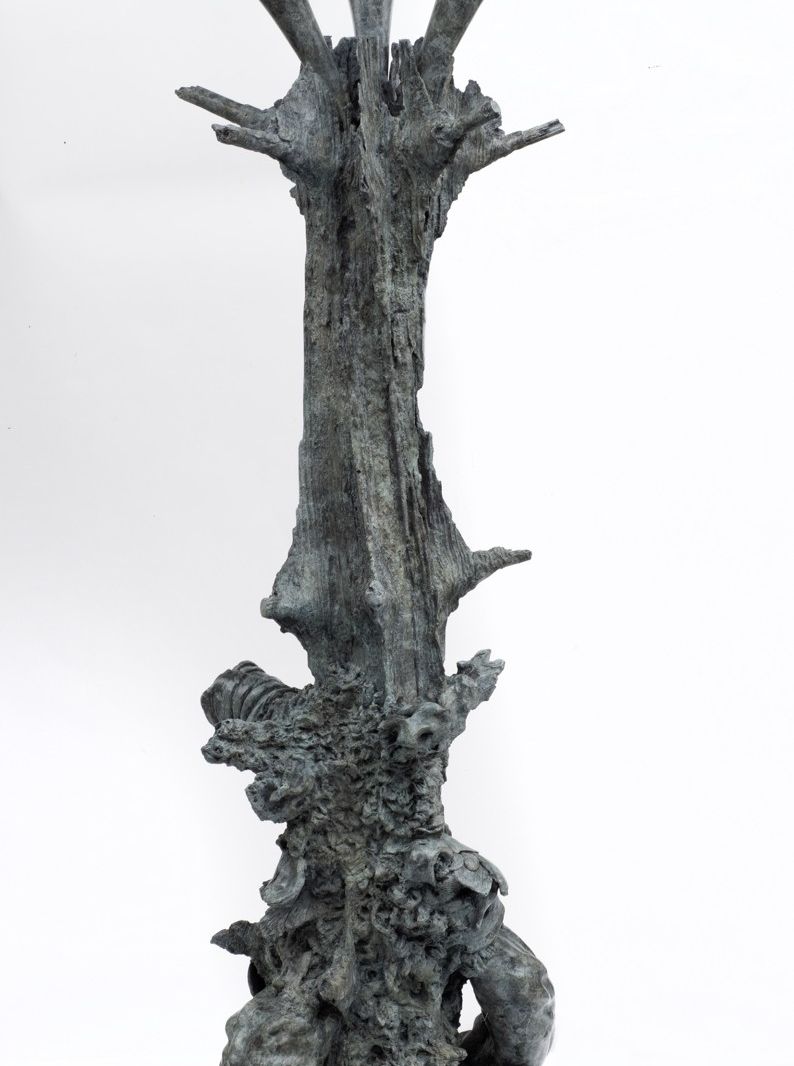
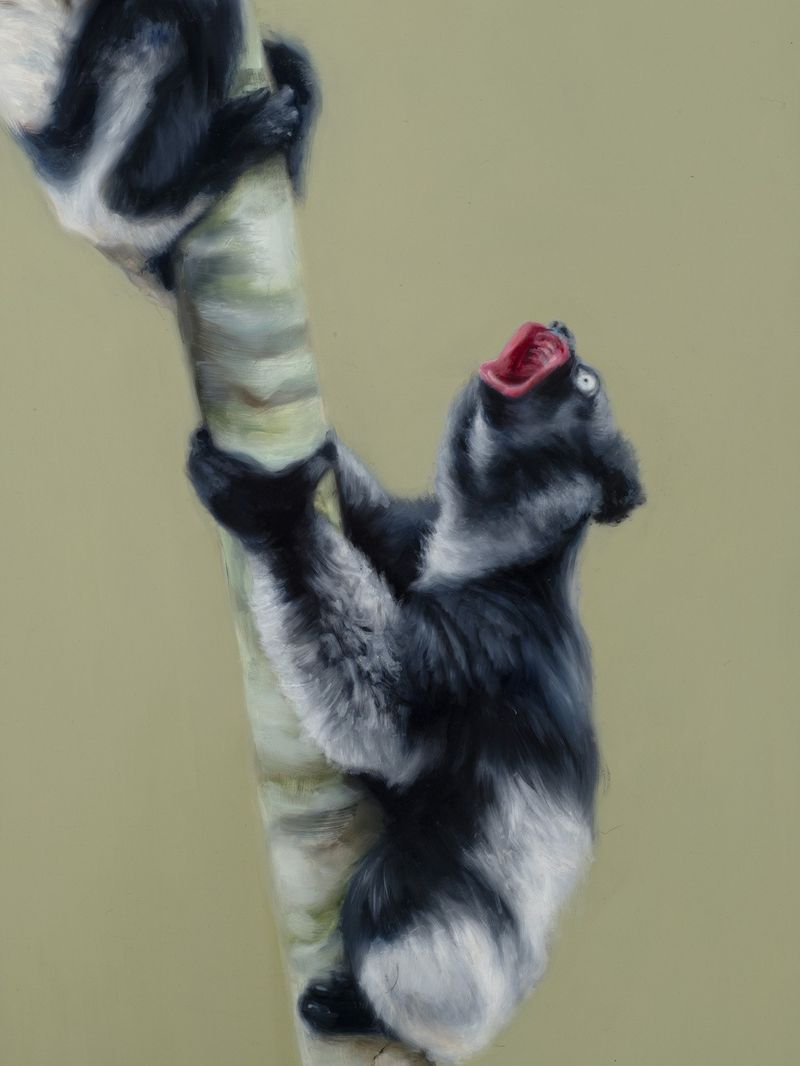
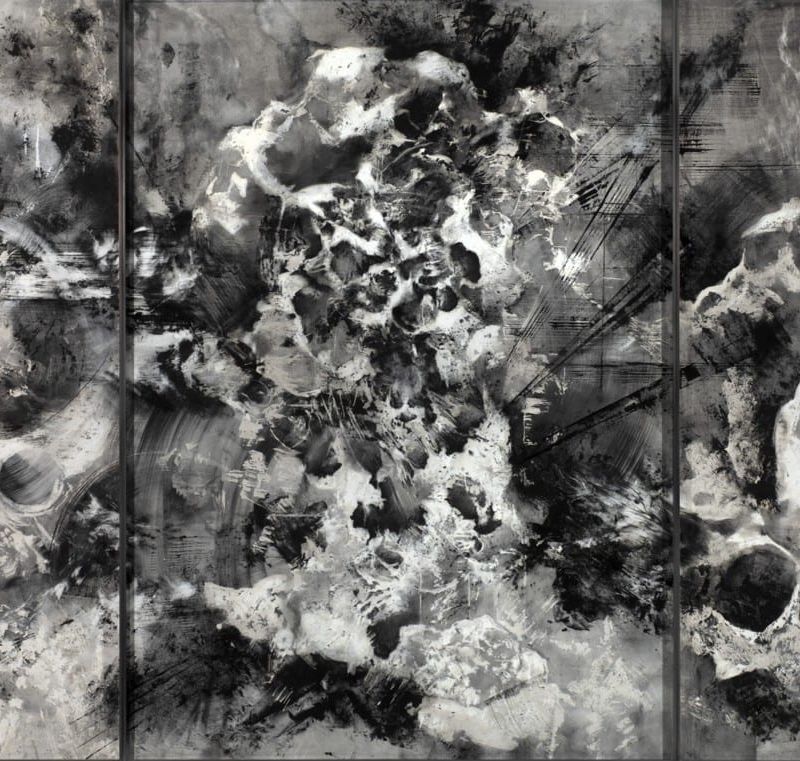
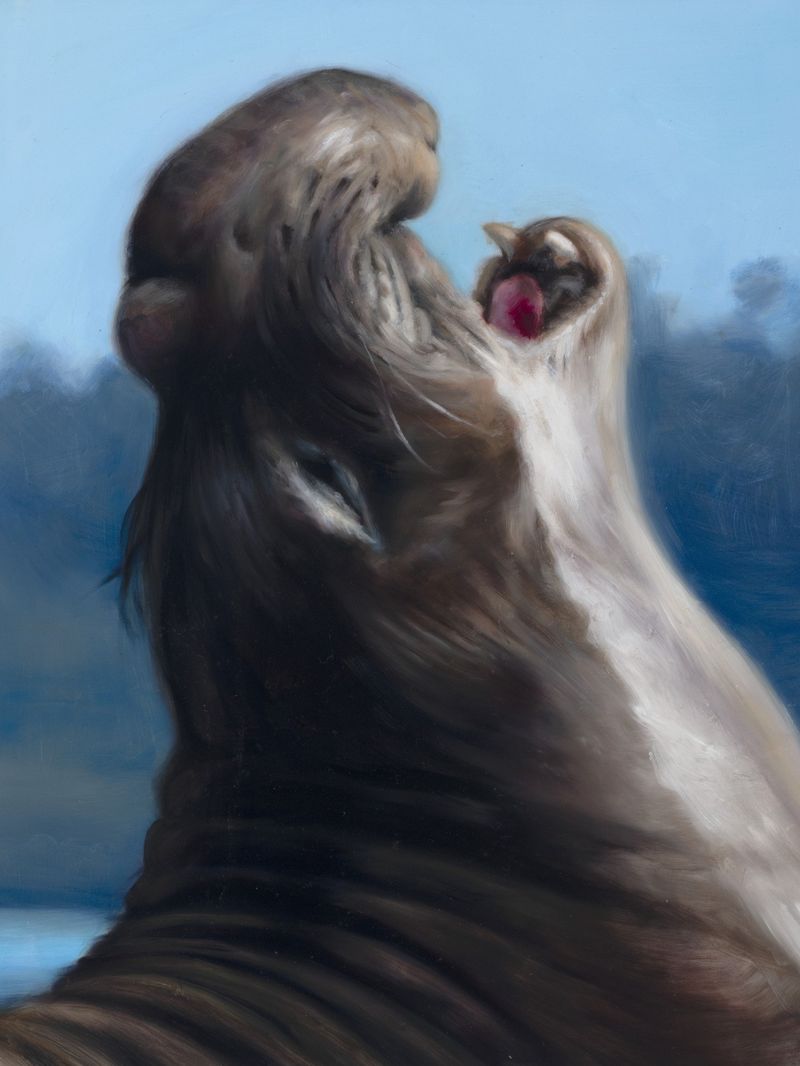
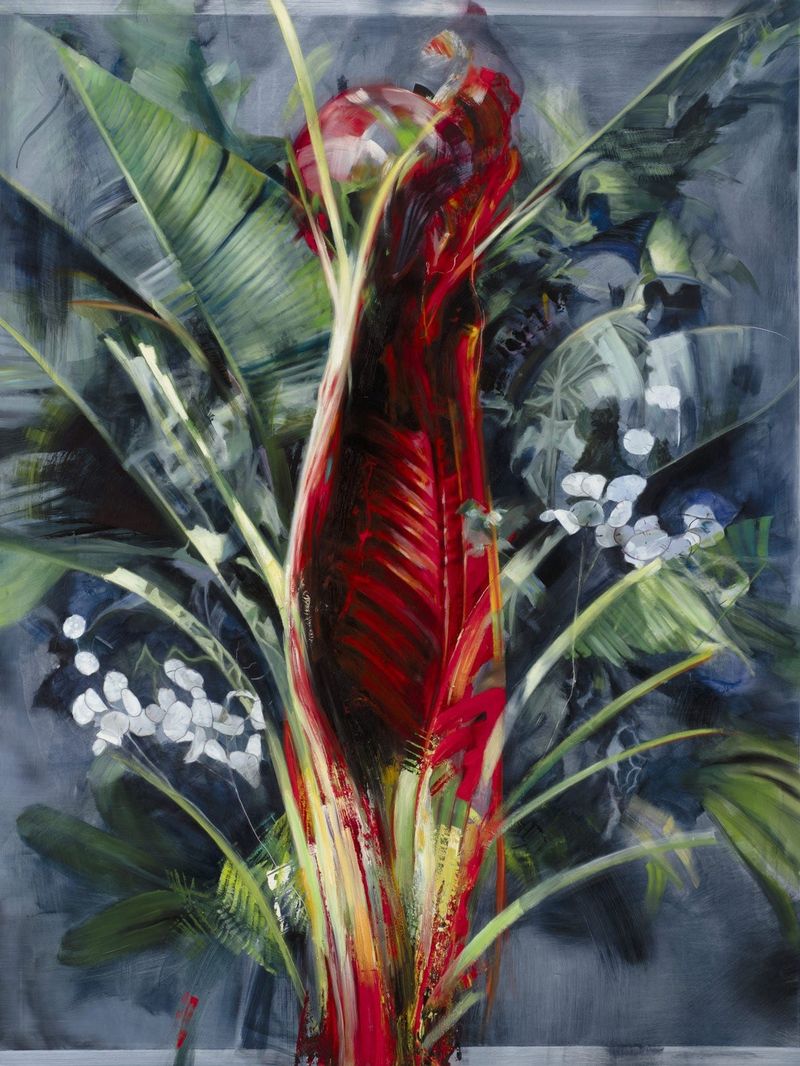
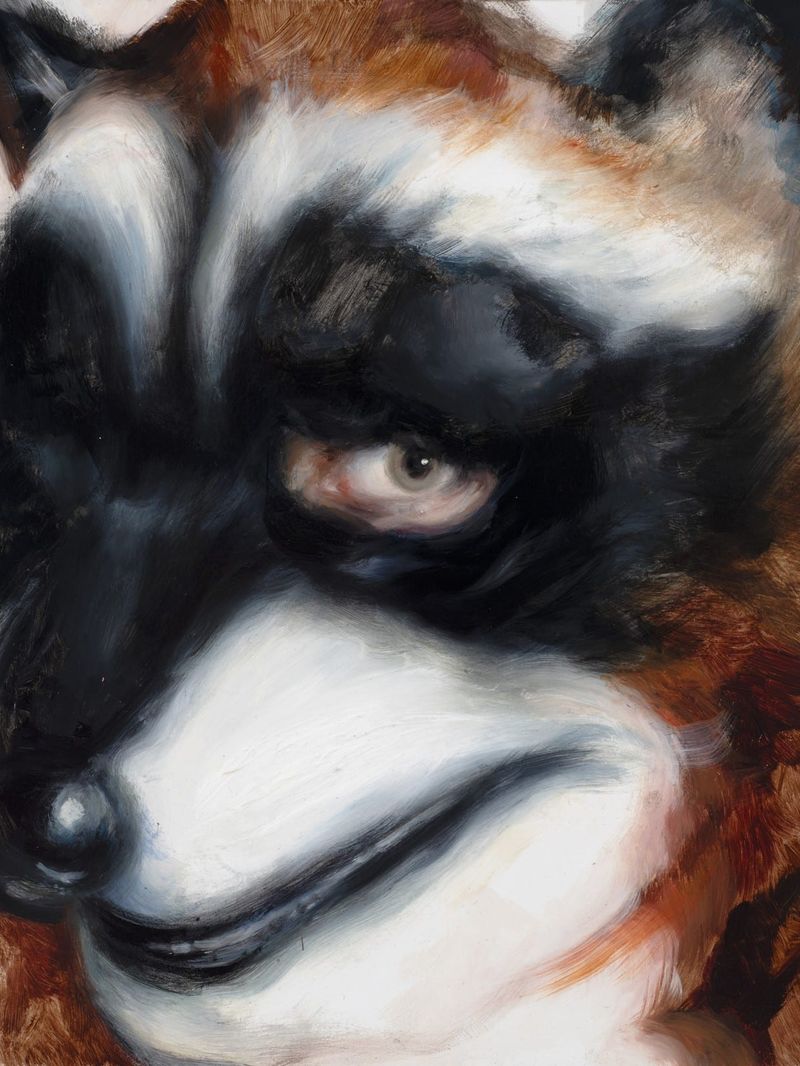
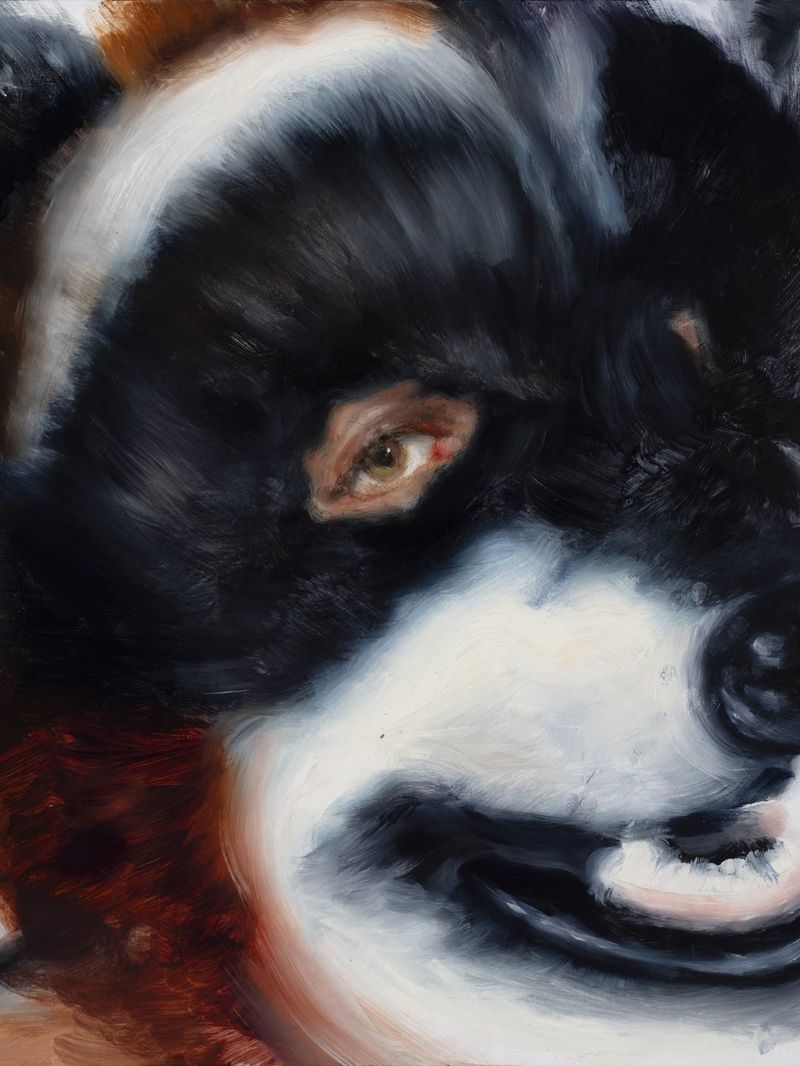
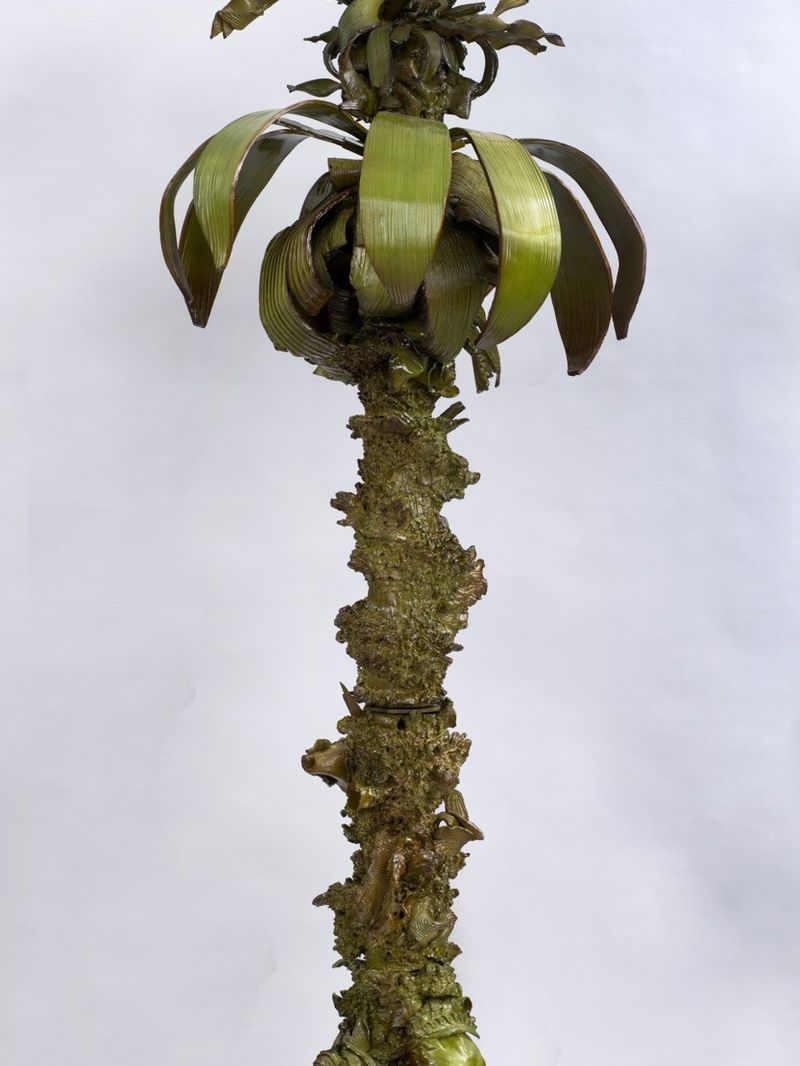
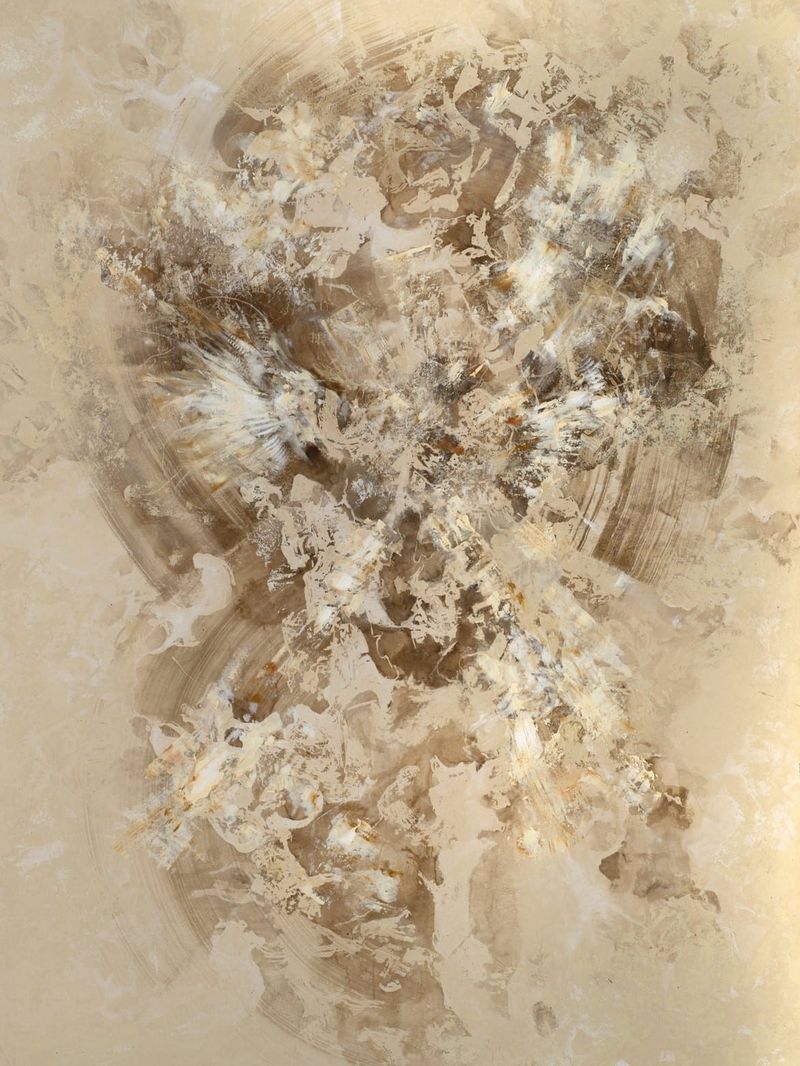
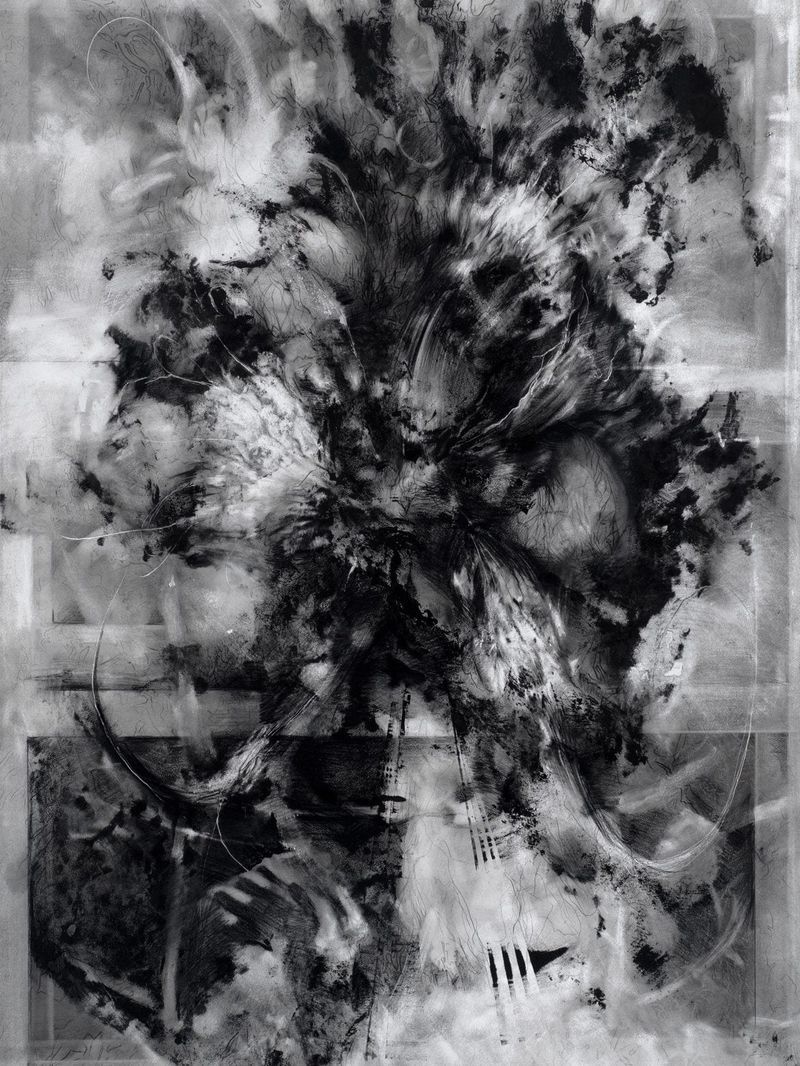
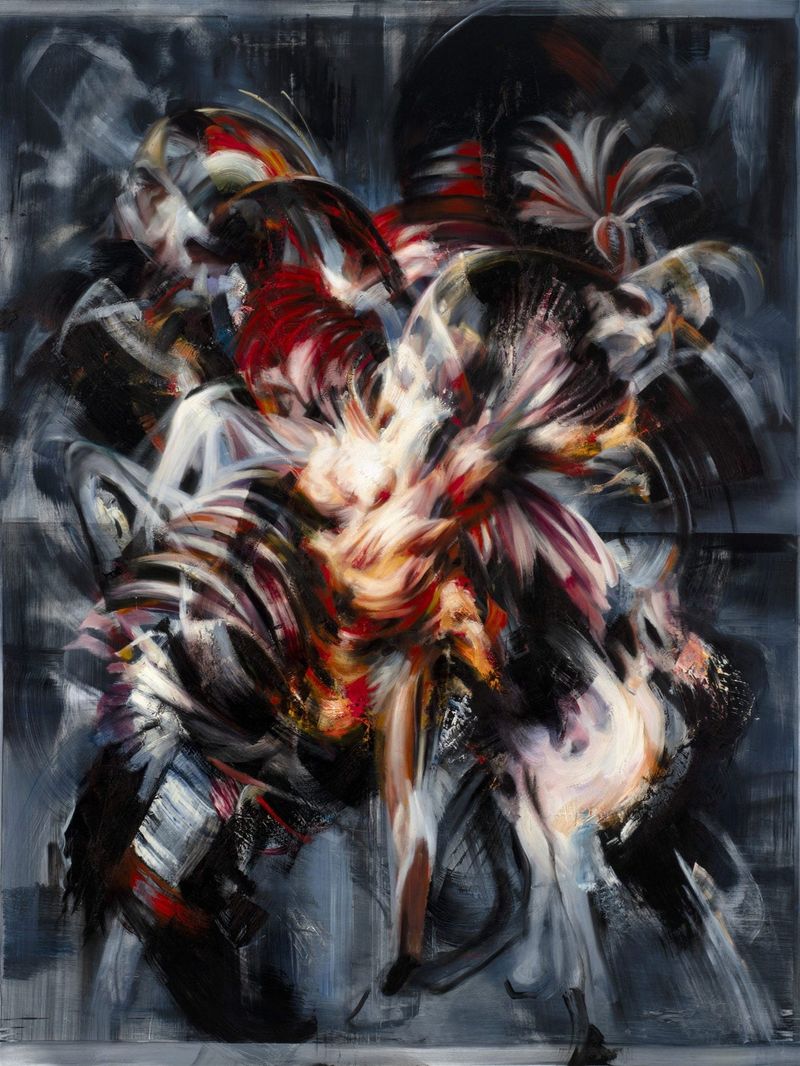
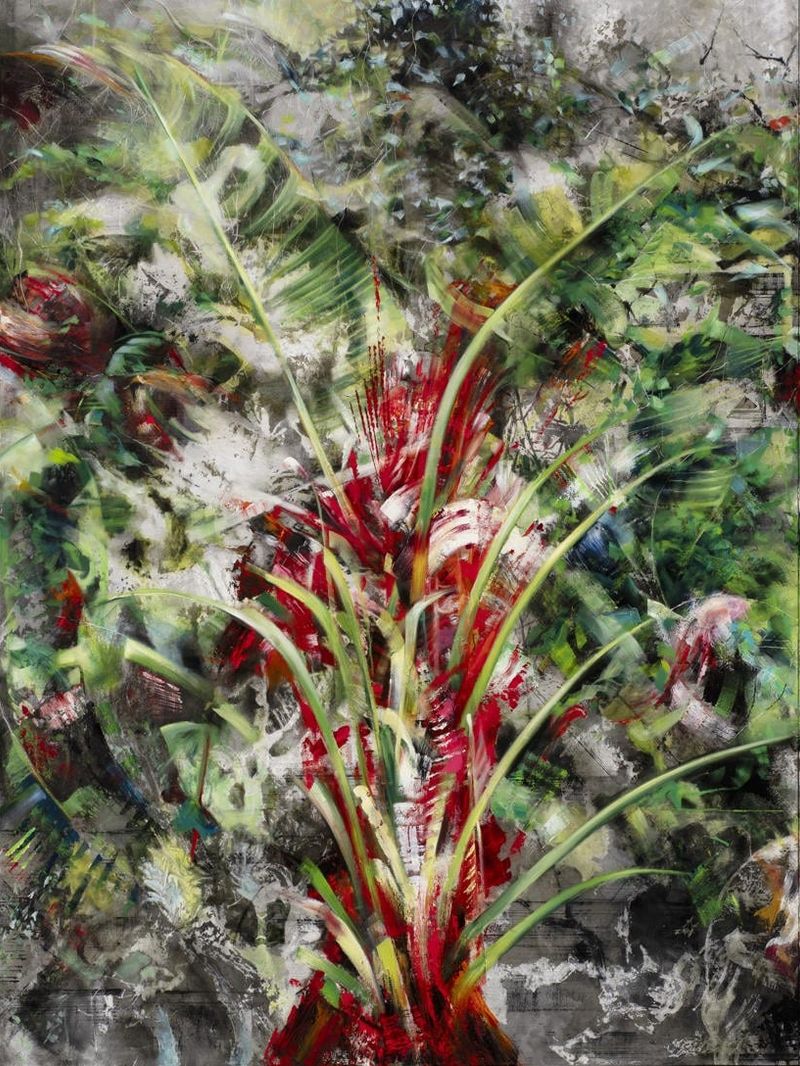
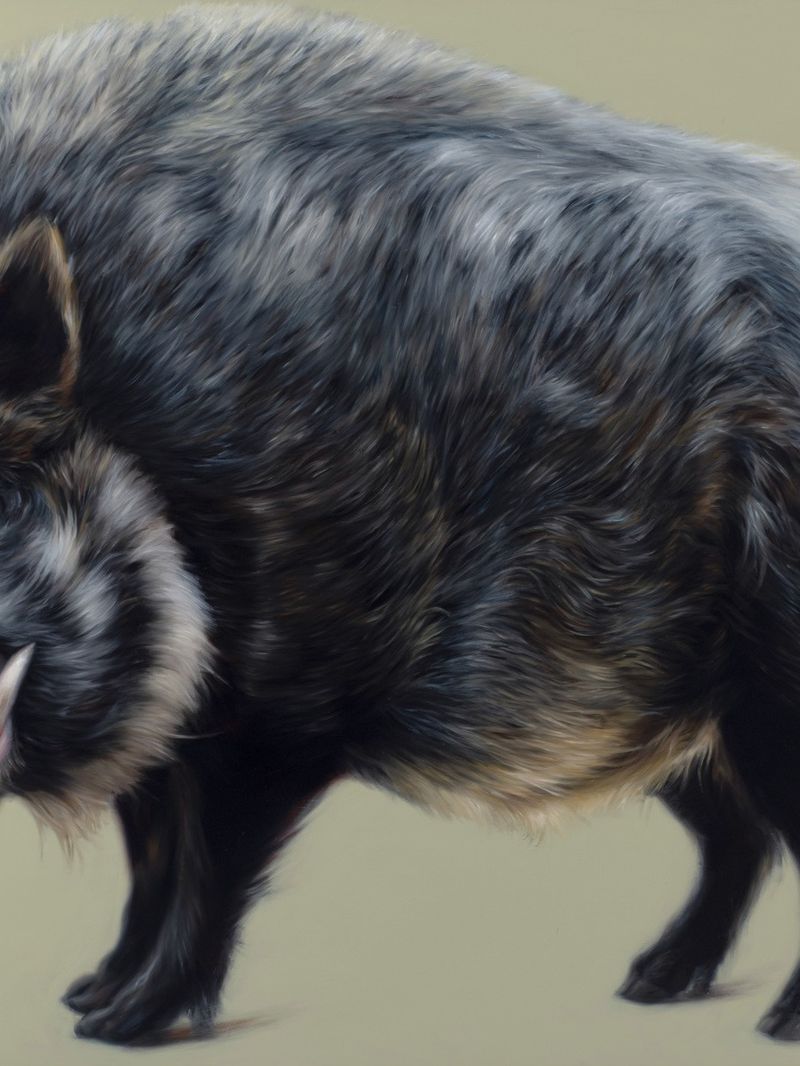
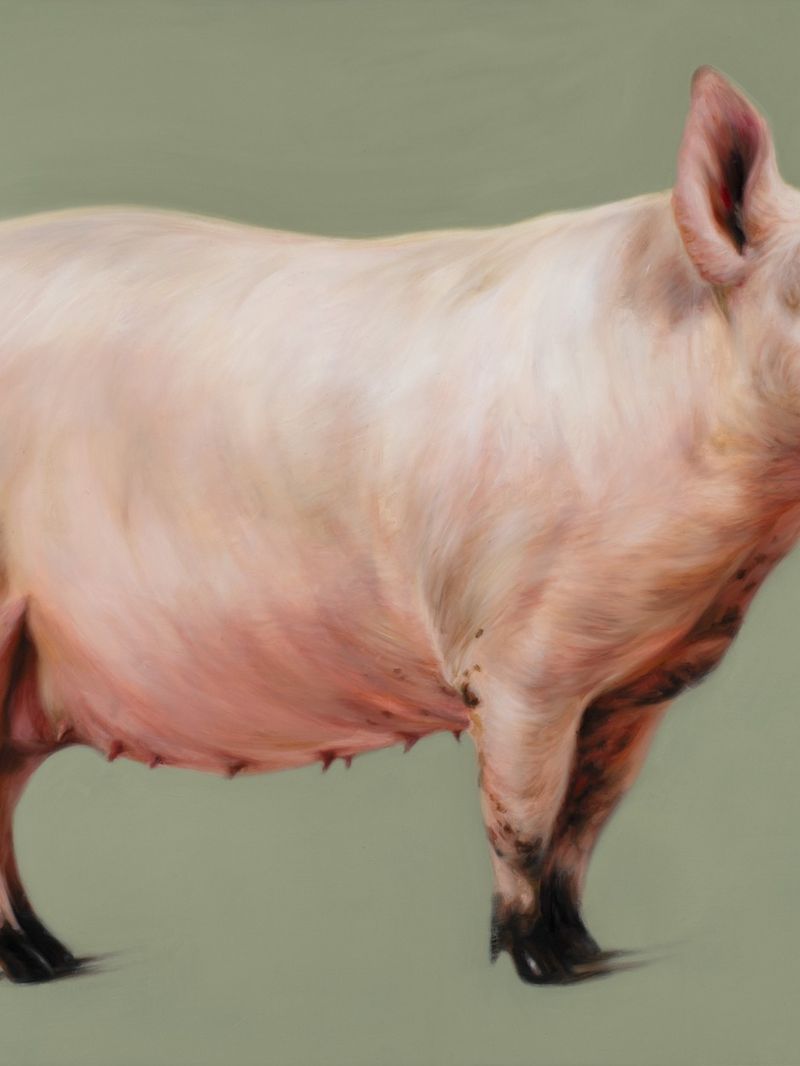
Galerie Judin presents The Unclean Slate, its fourth exhibition with the British artist Hugo Wilson and his first in the gallery's converted mid-century petrol station. At first sight, the works gathered here seem to resist any common denominator. Vast, amorphous formations surge across Wilson's abstract paintings and drawings, building into clouds, eruptions and dense fields of graphite and ink. Elsewhere, animals appear in meticulous, almost Old Masterly detail: a pig gazes contentedly into the distance; a wild boar meets us with an unsettlingly perky stare; two monkeys tumble in boisterous play; piranhas are served up as an exotic delicacy. Stranger still are two furry, vaguely fox-like creatures whose unmistakably human eyes give them away as figures in disguise. What unites these apparently disparate bodies of work is a concern that has occupied Wilson for much of his career: our longing for clarity and stable meaning in a world that stubbornly refuses to provide either. Rather than resolving such ambiguities, his work asks what it might mean to live with them. Closely bound up with this is the question of how images come to mean anything at all – and who, or what, decides. This question is perhaps most evident in Wilson's expansive abstract works on paper. For all their apparent abstraction, they retain something of the scale and compositional ambition of history painting. Forms gather, collide and scatter across the picture plane like protagonists in a story whose plot remains tantalisingly out of reach. In recent years these works have grown increasingly gestural and materially assertive. Graphite and ink are applied, erased, abraded, smeared and reworked, so that the process of building the image remains legibly inscribed in its surface. For the first time, Wilson has also created a hybrid in which drawing and oil painting meet – two media historically linked to conception and execution respectively. Here too the work refuses to settle between opposing positions: if these pictures seem to propose a narrative, they simultaneously lay bare its construction and, with it, its inherent instability. Their abstraction, however, is deceptive. Wilson assembles these compositions from an archive of existing images, in which fragments of Old Master paintings meet his own photographs and pictures drawn from contemporary visual culture. Sources are layered, displaced, enlarged, obscured and collapsed into one another until their original contexts become difficult, if not impossible, to recover. Art history is present less as a repertoire of quotations than as a kind of sediment. The figurative works in the exhibition approach the same question from the opposite side. The small paintings grouped under the title Suggested for You are based on images offered to Wilson by Instagram's algorithm. The artist speaks of his astonishment at 'a digital footprint of behavior that is then mirrored with images back to you,' and wonders whether this amounts to 'an image ideology in itself – or the death of such.' For centuries, institutions and patrons helped to establish a hierarchy of subjects and genres: which bodies deserved to be depicted, which animals could stand for nobility or savagery, which objects might embody wealth, knowledge, faith or power. Wilson's creatures knowingly inhabit this history. The wild boar and the domestic pig may be close relatives, yet Western visual culture has loaded them with sharply different meanings. Today these inherited codes coexist with a radically different mechanism of selection – the algorithm, which does not so much dictate an iconography as continuously infer one from us. Wilson's sculptures are driven by a related instability. In one, the forms of Chinese scholar's rocks collide with the visual language of the hunting trophy, producing an improbable hybrid that offers all the trappings of status while refusing any fixed symbolic reading. Another turns a palm tree into a strangely familiar yet ostentatious domestic object. Natural specimen, cultural artefact, ornament, trophy, status symbol: the categories pile up without ever settling into a single position. For Wilson this ambiguity has a political dimension too: 'Our desire to hold a single position is so tempting, but ultimately impossible without damage.' This idea lies at the heart of The Unclean Slate. The title rejects one of modernity's most enduring fantasies – the dream of starting afresh, untouched by what came before. Art history is full of claims to a clean break, with the new repeatedly announcing itself by repudiating the old. Wilson offers something far messier. Images never begin from zero. They arrive already inhabited – by other images, by conventions and institutions, by the long history of looking, and increasingly by the technological systems through which they circulate.