
Muscat

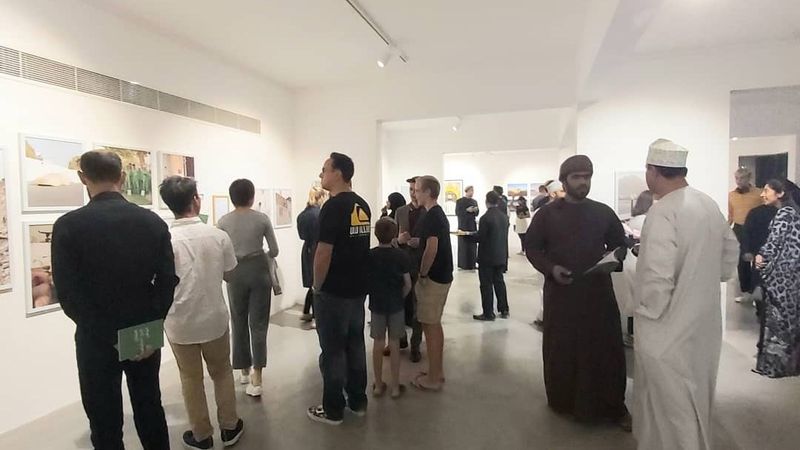
Madinat Al Sultan Qaboos

2 galleries · 1 museum · 0 places

About this district

Madinat Sultan Qaboos is a planned residential district in the modern city — leafy, low-rise, orderly, built around one of Muscat's first proper shopping complexes. For culture it punches above its quiet streets: it holds the city's most significant contemporary gallery alongside two private museums, making it the low-key home of Muscat's contemporary and collector scene. This is residential, modern Muscat, and the art here rewards those who seek it out. The setting is calm. The finds are deliberate.

Galleries

Museums

Places

No published places in this district yet.

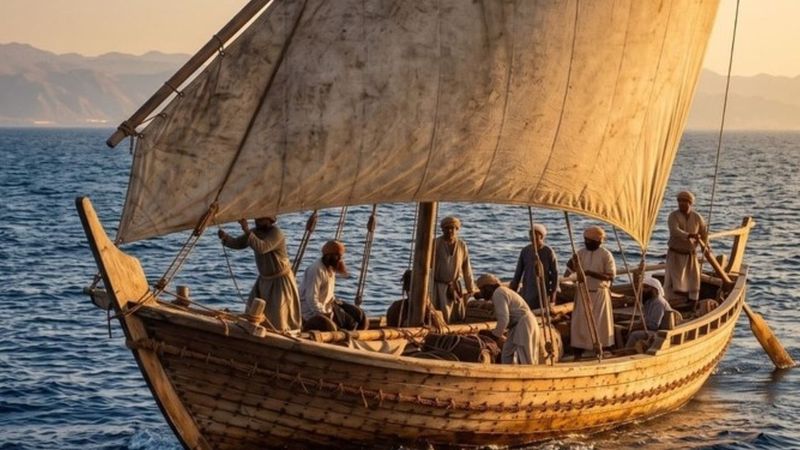
A medieval Arab trading ship with a single triangular sail crossing the Indian Ocean, its wooden planks visibly stitched together with coconut-fibre cord instead of nails.
Editorial

Sinbad and the Real Trade Routes of Oman and Basra

A ninth-century ship sewn together without nails, a hold of Chinese porcelain, and the sailors’ yarns of Basra, Siraf and Sohar: the real sea behind the fantasy.

In 1998, sea-cucumber divers off an Indonesian island found a ninth-century ship stitched together with coconut cord and loaded with some sixty thousand pieces of Chinese porcelain — the only Arab-built vessel then known from Southeast Asian waters. Sinbad’s voyages are fiction.
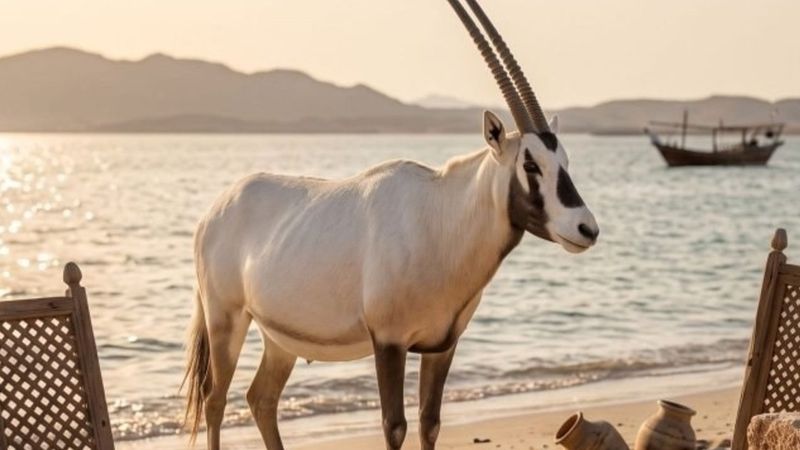
An Arabian oryx, white with long nearly straight ringed horns and dark facial markings, standing in pale desert sand.
Editorial

The Animal We Drew Everywhere Once It Was Gone

From Neolithic rock to airline tailfin — how the Arabian oryx vanished from the desert, came back from nine animals, and multiplied everywhere as a symbol in the very decades it was gone.

The last wild Arabian oryx was shot in 1972. By then it was already a picture — carved on Bronze Age tombs, mistaken by the ancients for a unicorn, praised by poets as the eyes of the beloved. This is the story of an animal that went extinct in the wild and was brought back from nine survivors, and of the strange gap between the creature and the emblem it became: fast, sharp and ascendant on a nation's tailfin, while the animal itself survives by standing still in the shade.

Hatta: The Valley That Changed Hands — blog article
Editorial

Hatta: The Valley That Changed Hands

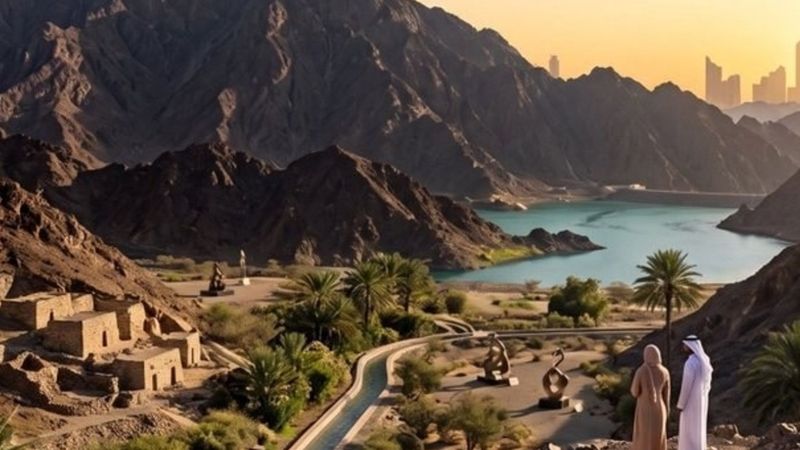
Ninety minutes from Dubai, a mountain town where the same water has shaped human settlement for four thousand years.

Most guides to Hatta list its fort, its dam and its trails. This is the valley told differently — through the single physical problem that has shaped every era of its life. From Bronze Age tombs sited by the water to a mosque timed by shadow to a hydro plant that answers Dubai in ninety seconds, one question runs through four thousand years: where does the water go, and whose turn is it?