Casablanca

Aïn Sebaâ

1 gallery · 0 museums · 0 places

About this district

An industrial district on the northeastern edge of the city that has become the home of Casablanca's warehouse-scale cultural experimentation. Aïn Sebaâ is factories, workshops and roaring boulevards — and among them, L'Uzine, a former industrial building turned into a multidisciplinary art and culture space. This is the gritty, alternative end of the city's art map, where the setting is raw and the programme is broad: exhibitions, concerts, film, dance, debate. The register is independent and experimental.

Galleries

Museums

No published museums in this district yet.

Places

No published places in this district yet.

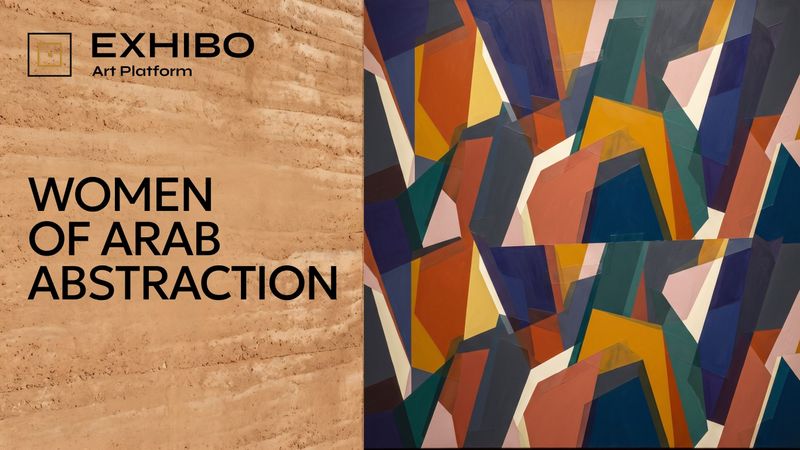
Abstract geometric composition of interlocking angular forms in layered planes of colour.
Editorial

Women of Arab Abstraction

The letter set loose, the line woven, the arabesque the West once threw away — and the women who built modern abstraction out of all three, then got written out of it.

Abstraction is usually told as a Western invention that arrived elsewhere late. Saloua Raouda Choucair, Etel Adnan, Madiha Umar and a room of others tell it differently — often as the only woman in the movement, building modern form from the geometry, craft and calligraphy their own culture already held.

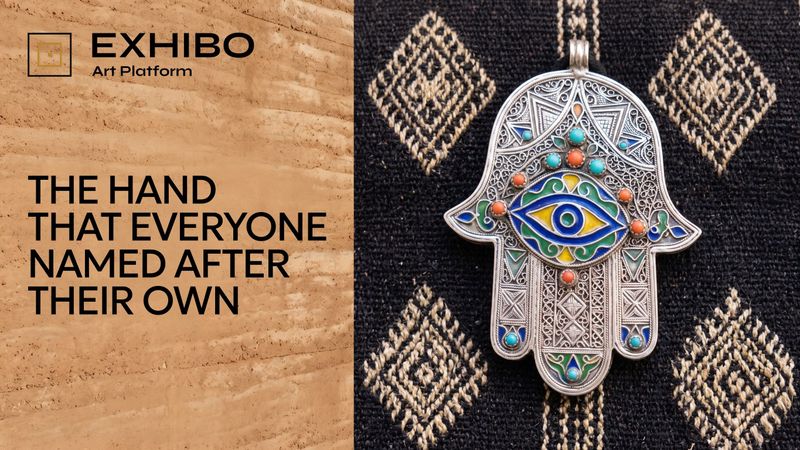
A geometric khamsa — an open five-fingered hand with an eye at its centre — in the Kabyle silver style of North Africa.
Editorial

The Hand That Everyone Named After Their Own

The Khamsa across North Africa — Marrakech, Tunis, Algiers — and why the oldest thing about it is the shape, not the story.

Everyone calls it something different — the Hand of Fatima, the Hand of Miriam, the Hand of Mary. One five-fingered shape, several holy names, each written onto it by a community that made it its own. From a carved hand over the Alhambra's gate to Kabyle silver, synagogue lamps and a boy on a Marseille motorway, this is the story of a symbol older than the names it carries — and shared by more people than any one of them.