
London · United Kingdom
Trent Park Mansion Opens as Museum Revealing Its Secret WWII Surveillance Past
The House of Secrets in north London tells the remarkable story of covert listening operations that captured German POW conversations during the Second World War
From Aristocratic Retreat to Intelligence Hub
Trent Park's mansion in Enfield has witnessed two vastly different eras. Built in the 1780s for royal physician Richard Jebb by architect William Chambers, the house later became the backdrop for some of London's most glamorous gatherings before assuming its most consequential role during the Second World War.
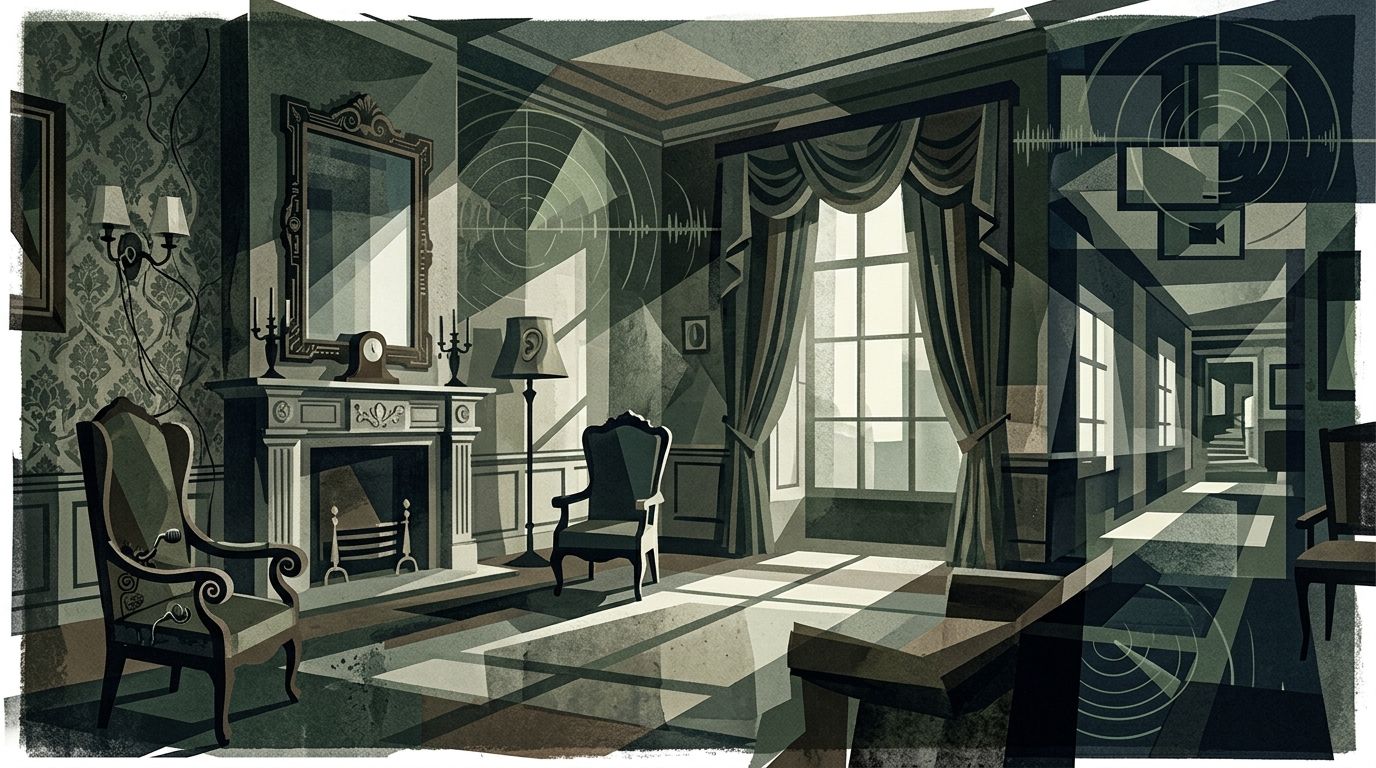
The property entered its golden age when Edward Sassoon's son Philip inherited it in 1912. A Conservative MP with an extensive network spanning politics, arts and high society, Sassoon transformed the Victorian mansion with Georgian refinements, filling it with period furniture and hosting luminaries including Churchill, Edward VIII, Charlie Chaplin and George Bernard Shaw. This opulent setting would prove crucial to what followed.
The Listening Rooms
When war broke out, the mansion was requisitioned as 'Cockfosters Camp' – a surveillance centre where German officer prisoners enjoyed what appeared to be comfortable house arrest. Unbeknownst to them, every conversation was captured through ingeniously concealed listening devices installed in lamps, furniture and even garden benches. These covert operations, staffed largely by German-speaking Jewish refugees, recorded thousands of hours of material seven minutes at a time using equipment designed by General Post Office engineers.
The intelligence gathered proved invaluable. Among the revelations were details of V2 rocket development, eyewitness accounts of concentration camps, and candid assessments from disillusioned officers who believed Hitler was insane and Germany doomed. Most listeners never spoke publicly of their work; comedian Helen Lederer, now a museum trustee, discovered only after her grandfather's death that he had been part of this secret operation.
Preservation Against the Odds
After the war, the mansion served various purposes including as a teacher training college, before falling into dereliction following Middlesex University's departure in 2012. Local councillor Jason Charalambous, who grew up nearby, knew nothing of its history when he joined campaigners in 2014 to save the deteriorating property with a 10,000-signature petition.
Their efforts succeeded. Berkeley Homes, which has developed residential units on the site, granted a long lease to the Trent Park Museum Trust for the restored ground-floor state rooms and basement areas. Original Sassoon family pieces, including a Rex Whistler decoration featuring the family's dog, have been returned on loan for the new displays.
A Suburban Landmark Reclaimed
Today, luxury apartments occupy the upper floors while the mansion's most significant rooms house this new museum. The surrounding park remains largely intact as public space, making this one of London's more unusual heritage sites – where the boundary between historical preservation and contemporary development has been thoughtfully negotiated.
The House of Secrets offers a compelling narrative about how intelligence work operated in an era before digital surveillance, when human expertise and carefully placed microphones could capture history-changing conversations in drawing rooms and gardens.
Galleries mentioned
Museums mentioned
Related reading
Shifting Perspectives on the Elgin Sculptures: A Proposal for Transnational Display
Institutional leadership explores rotating exhibition frameworks for contested antiquities
A New Chapter After Collapse: Artists Find Fresh Representation at Frieze London
Navigating the commercial landscape after the Stephen Friedman Gallery dissolution
One Thousand and One Nights as a Visual Network
The book that taught Europe to picture the East arrived with no pictures at all. Three centuries of illustrators — Dutch, Egyptian, Persian, French, German, Iraqi — each gave it a face, and every face was a self-portrait.