
London · United Kingdom
Ana Mendieta Survey at Tate Modern Traces Neolithic Connections
Major retrospective reconstructs ephemeral works across symbolic landscapes
Earth Traces and Ancient Marks
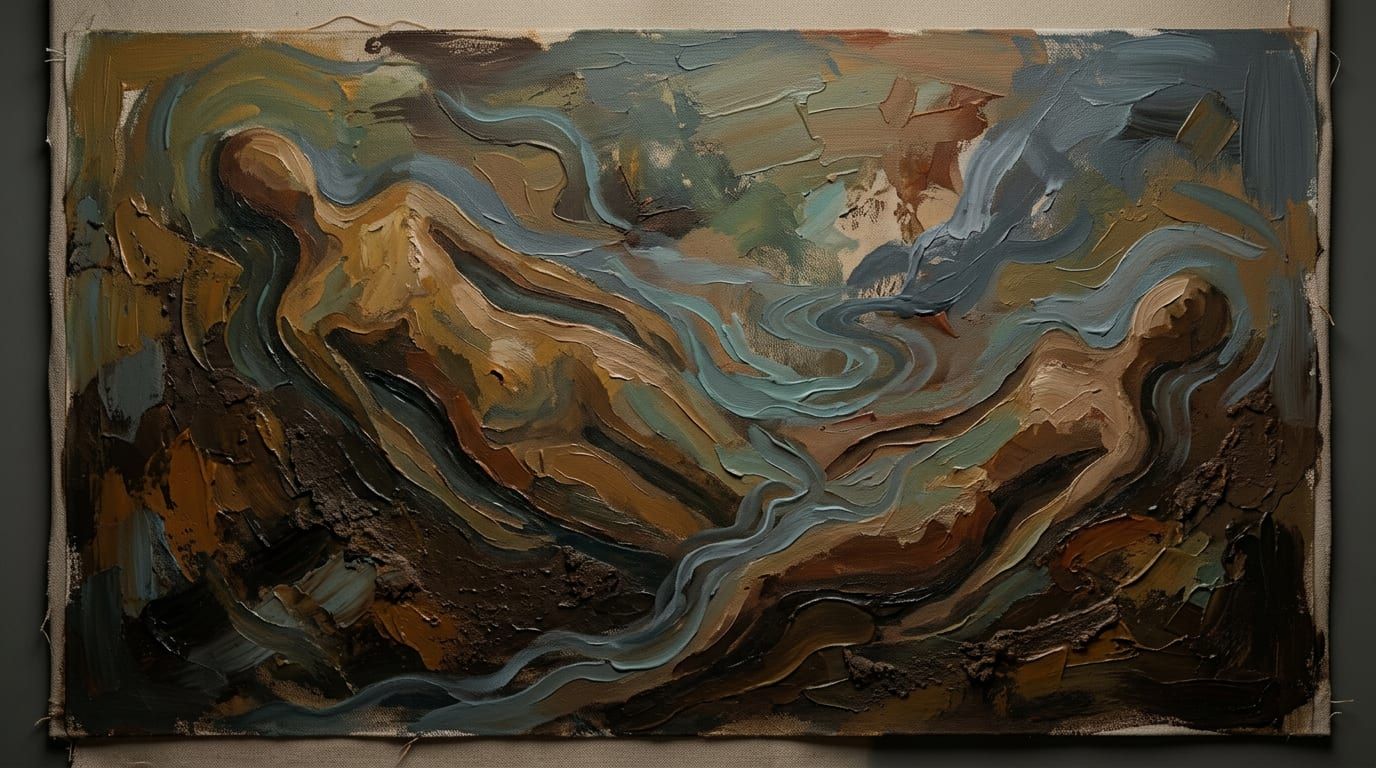
The late Cuban American artist Ana Mendieta created some of contemporary art's most enduring images through her Silueta Series (1973-80). These photographs and films document bodily silhouettes pressed into landscapes - etched in soil, nestled among blooms, or consumed by flame. Whether physically present or merely imprinted, these temporary interventions marked moments of communion between body and terrain.
In her final years, Mendieta turned her attention to prehistoric sites across Europe: Malta's Mnajdra temple complex, Italy's Etruscan necropolis at Cerveteri, and Ireland's Newgrange passage tomb. Standing among these ancient markings, she recognised parallels with her own practice. Speaking in 1984, she observed that her work belonged to 'a tradition of Neolithic art,' prioritising emotional resonance over formal material concerns.
Curating Through Landscape
This connection forms the backbone of Tate Modern's forthcoming retrospective, simply titled Ana Mendieta. Rather than following a chronological path, curator Valentine Umansky has organised the exhibition around symbolic territories: Neolithic sites, natural elements like caves and waterways, and liminal spaces representing transformation. The approach invites visitors to experience Mendieta's output as part of an ancient continuum of expression rooted in place and community.
As Umansky notes, this framing reveals Mendieta as simultaneously contemporary and primordial - an artist working in performance and film who positioned herself within 'the long arc of time' alongside prehistoric mark-makers.
Reconstructing Presence
The survey brings together 150 works, including remastered films, seldom-seen drawings, and late sculptures. Several pieces have been specially recreated to convey their original impact. Ñañigo Burial (1976) returns as a silhouette formed from black ritual candles, periodically illuminated throughout the exhibition. An early earth-body work, originally created for an indoor gallery, has been reconstructed to demonstrate Mendieta's adaptation of outdoor processes to institutional spaces. Outside the gallery, a tree sculpture from 1982 has been restaged, reintroducing living material to the urban environment.
The exhibition opens with Ochún (1981), Mendieta's final moving-image piece. Waves cascade around an open human form, immediately immersing visitors in the sensory experience she sought to create. As Umansky explains, the sound of rushing water literally slows visitors' pulses, preparing them to engage with the physical and spiritual dimensions of the work.
Legacy in Motion
This marks the first substantial UK examination of Mendieta's practice in more than ten years. By foregrounding her relationship to ancient sites and their enduring traces, the exhibition suggests that her ephemeral gestures participate in something far older than contemporary art's usual frameworks. The recreated elements serve not as mere spectacle but as invitations to feel the weight of presence in absence, the communion between body and earth that defined her brief but influential career.
The show runs from 15 July 2026 through 17 January 2027, offering audiences multiple opportunities to witness these reconstructions and reconsider Mendieta's place within both contemporary practice and ancient tradition.
Galleries mentioned
Related reading
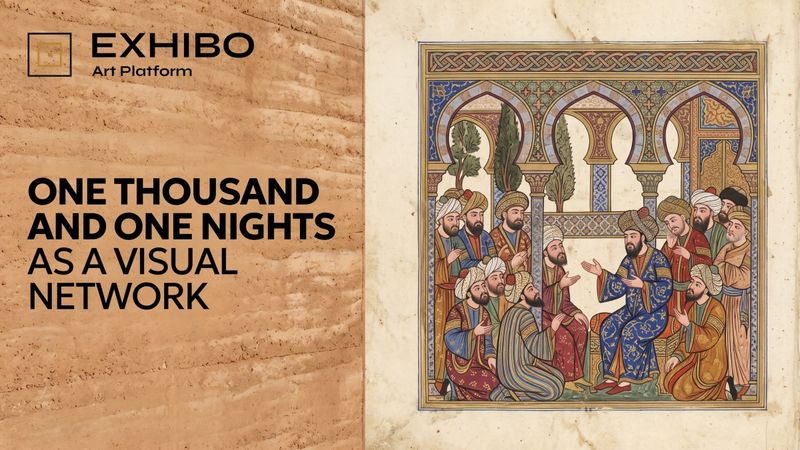
One Thousand and One Nights as a Visual Network
The book that taught Europe to picture the East arrived with no pictures at all. Three centuries of illustrators — Dutch, Egyptian, Persian, French, German, Iraqi — each gave it a face, and every face was a self-portrait.
Open Galland's Thousand and One Nights, the edition that conquered Europe, and there is nothing to look at: no genie, no lamp, not one illustration. The most visually imagined book in the world began blind — and because its text was never fixed either, no picture of it could ever be a copy.
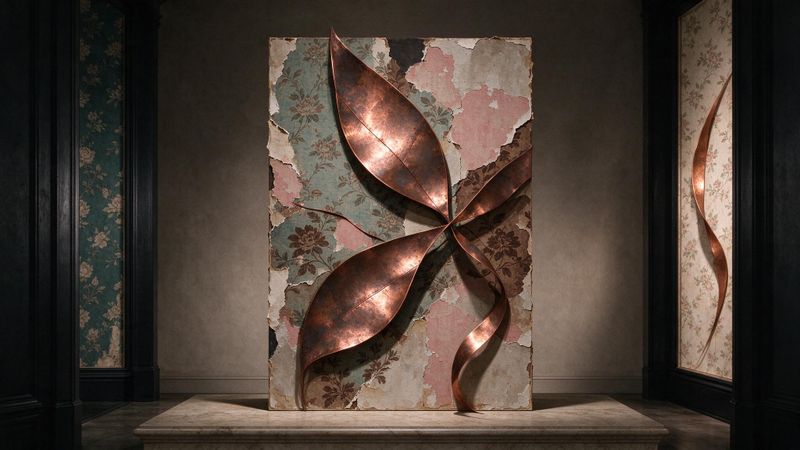
William Morris Gallery Reopens With Intimate Restoration and New Focus
A comprehensive overhaul at the Walthamstow venue explores the designer's contradictions through newly displayed archives and a domestic curatorial approach.

Bridging Japanese Craftsmanship and Contemporary Design
How international makers engage with Tokai's industrial heritage at the V&A
An exploration of how global designers collaborate with Japanese artisans to fuse ancestral techniques with modern conceptual frameworks.