
London · United Kingdom
Audrey Amiss: Rediscovered Artist Chronicles Life Through Mental Health Struggles
Wellcome Collection exhibition reveals the extraordinary archive of a Royal Academy student whose career was interrupted by psychiatric detention
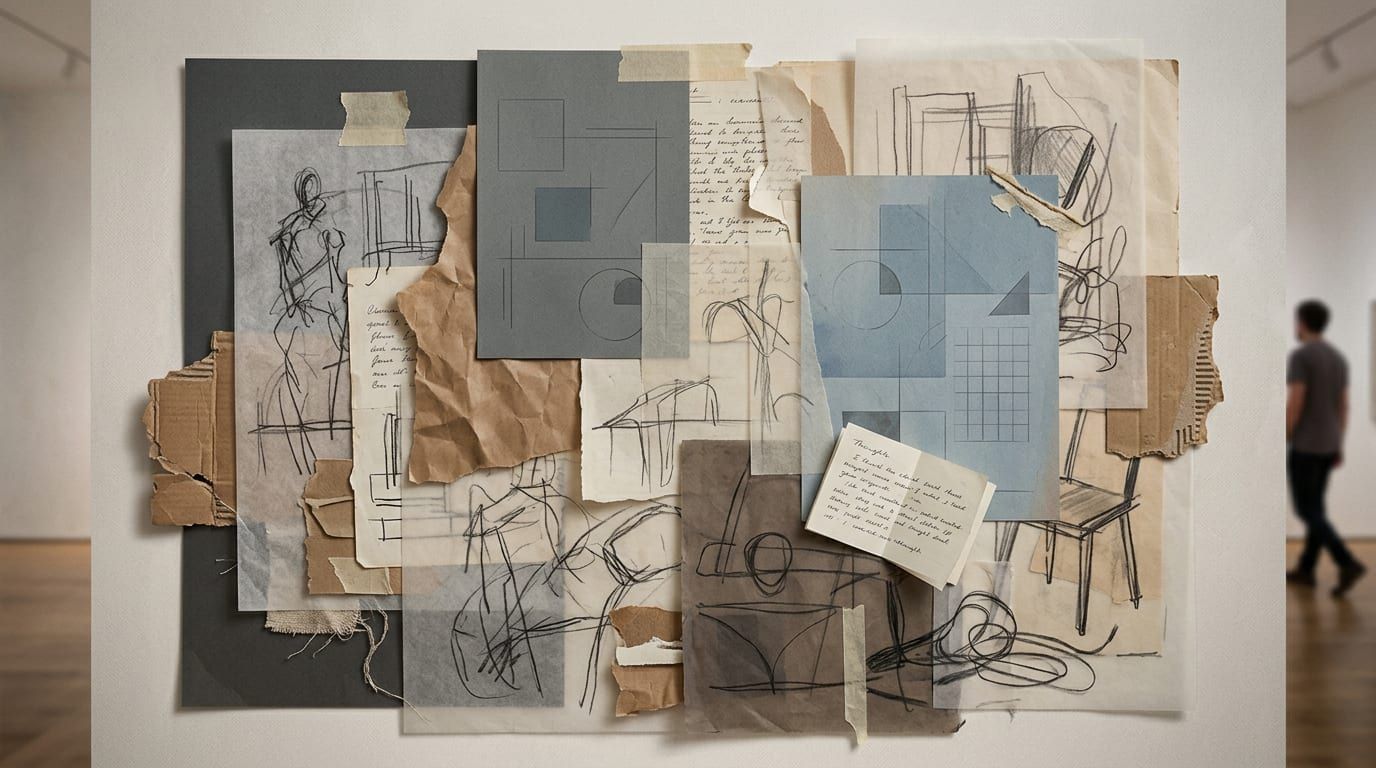
When Elena Carter, archivist at the Wellcome Collection, began sorting through the contents of Audrey Amiss's flat in Clapham after her death in 2013, she found more than mere accumulation. The sketches, posters, notebooks and scrapbooks—many filled with food packaging—revealed an artist who had spent a lifetime observing and recording the minutiae of existence.
Amiss had once shown considerable promise as a student at the Royal Academy Schools in the late 1950s. Yet her trajectory shifted dramatically when mental illness led to repeated psychiatric detentions, effectively derailing what might have been a significant artistic career. Rather than disappearing entirely, she continued creating in private, amassing an extraordinary body of work that remained largely unseen during her lifetime.
The current exhibition draws from more than 350 paintings, prints and drawings, alongside approximately 50,000 sketches and 230 scrapbooks. Curator Madeleine Kennedy describes the selection process as complex, centred on understanding how Amiss might have wished her work displayed. This question proved particularly delicate given Amiss's detailed chronicling of personal interactions, food consumption and daily encounters—all preserved with remarkable precision.
Perhaps most compelling are the protest signs created for a 2002 demonstration against the draft Mental Health Bill. Bold slogans such as "Freedom for Lunatics" and "Psychiatry. Harming in the Name of Healthcare" demonstrate both her engagement with contemporary issues and her willingness to challenge institutional power. These works sit alongside more intimate pieces that reveal an artist consistently attentive to her surroundings, finding significance in the ordinary.
Despite her struggles, Amiss maintained a presence in the art world, exhibiting regularly in small solo shows and artists' society exhibitions. Kennedy notes this helped inform the exhibition's central tension: honouring Amiss's artistic intentions while respecting her privacy and the deeply personal nature of much of the work.
Amiss's story reached wider audiences through Carol Morley's 2022 film "Typist Artist Pirate King," which takes its title from how Amiss described her occupation in her passport. Morley discovered the archive after receiving a Wellcome Trust Screenwriting Fellowship in 2015, and was immediately struck by Amiss's ability to draw attention to the world we inhabit. "She was drawn to the everyday and brought with it an artist's eye that for me is entirely appealing," Morley observes.
The filmmaker's engagement with Amiss's legacy continues with a forthcoming book, "Typist Artist Pirate King: The Life and Times of Audrey Amiss as Told by Those Who Knew Her and Those Who Didn't." For Morley, Amiss's value lies in her capacity to disclose something essential about lived experience: "I think she gives us all the opportunity to stop, breathe and look."
The exhibition runs from 10 July 2026 until 7 February 2027, offering visitors a chance to encounter an artist whose work bridges outsider art traditions with rigorous observational practice. In an era increasingly attentive to mental health discourse, Amiss's archive provides both historical perspective and contemporary resonance.
Related reading
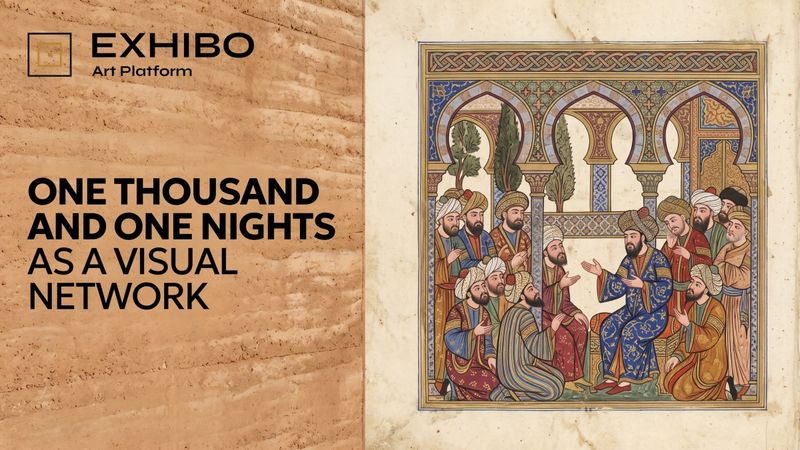
One Thousand and One Nights as a Visual Network
The book that taught Europe to picture the East arrived with no pictures at all. Three centuries of illustrators — Dutch, Egyptian, Persian, French, German, Iraqi — each gave it a face, and every face was a self-portrait.
Open Galland's Thousand and One Nights, the edition that conquered Europe, and there is nothing to look at: no genie, no lamp, not one illustration. The most visually imagined book in the world began blind — and because its text was never fixed either, no picture of it could ever be a copy.
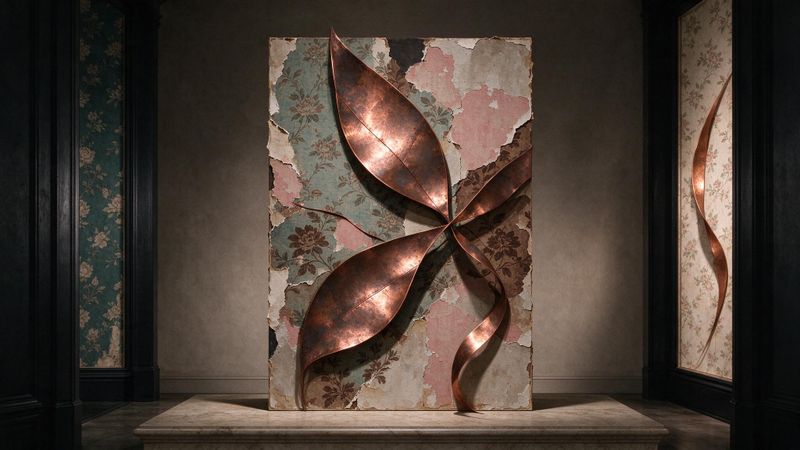
William Morris Gallery Reopens With Intimate Restoration and New Focus
A comprehensive overhaul at the Walthamstow venue explores the designer's contradictions through newly displayed archives and a domestic curatorial approach.

Bridging Japanese Craftsmanship and Contemporary Design
How international makers engage with Tokai's industrial heritage at the V&A
An exploration of how global designers collaborate with Japanese artisans to fuse ancestral techniques with modern conceptual frameworks.