
London · United Kingdom
Bayeux Tapestry Arrives at British Museum After Secret Channel Crossing
The medieval embroidery returns to England for the first time in nearly a millennium ahead of its autumn exhibition
A Medieval Masterpiece Crosses the Channel
In the early hours of Friday, 10 July, one of history's most significant artworks completed a remarkable journey. The Bayeux Tapestry arrived at the British Museum in London, marking its first return to England in almost a thousand years.
Museum director Nicholas Cullinan confirmed the arrival via social media, noting that the 70-metre embroidered narrative had travelled across the Channel for the first time since its creation in the 1070s. The delicate operation saw the tapestry transported by lorry through the Channel Tunnel following an 11-hour, 350-mile journey from a secret location in northern France.
Meticulous Protection
Given the tapestry's fragility, conservators employed extraordinary measures. The embroidered panel, which had been removed from display at the Bayeux Tapestry Museum in Normandy last year, was carefully placed in a climate-controlled crate. This inner container was then secured within an outer cage fitted with metal springs designed to absorb road vibrations during transit.
The Metropolitan Police Service and Kent Police oversaw the overnight transport from Folkestone to London, ensuring the 11th-century work reached its destination safely. French ambassador to the UK, Hélène Tréheux-Duchêne, was among the select witnesses present as the tapestry entered the museum's loading bay around 2.50am.
Historical Significance
The Bayeux Tapestry depicts the events leading to the 1066 Norman invasion and the Battle of Hastings, making it an invaluable document of medieval European history. From September 2026 until July 2027, it will be exhibited in the Sainsbury Exhibitions Gallery, where curators plan to display it horizontally for the first time—a presentation that may offer visitors a fresh perspective on this iconic work.
The loan represents more than a simple museum exchange. As Cullinan observed in Le Monde, France has safeguarded this treasure for nearly a millennium before entrusting it to British care. President Emmanuel Macron echoed this sentiment in The Times, describing the arrangement as sharing "the great narratives of European history's origins" rather than merely lending artworks.
The gesture carries profound diplomatic weight. Entrusting such a cherished cultural artefact to another nation speaks to confidence and friendship between the countries, transcending ordinary cultural agreements.
Public Response
Anticipation for the exhibition proved immediate and substantial. Ticket sales exceeded £2.5 million on the first day alone, representing the single largest day of sales in the British Museum's history. This remarkable figure underscores public fascination with experiencing this medieval masterpiece on British soil.
As the tapestry settles into its temporary home, projections of its image appeared on the white cliffs of Dover facing France, accompanied simply by the word 'merci'—a fitting acknowledgment of the trust that made this historic loan possible.
The Bayeux Tapestry's journey reminds us that great artworks continue to forge connections across borders, carrying stories that belong not to single nations but to shared human heritage.
Galleries mentioned
Related reading
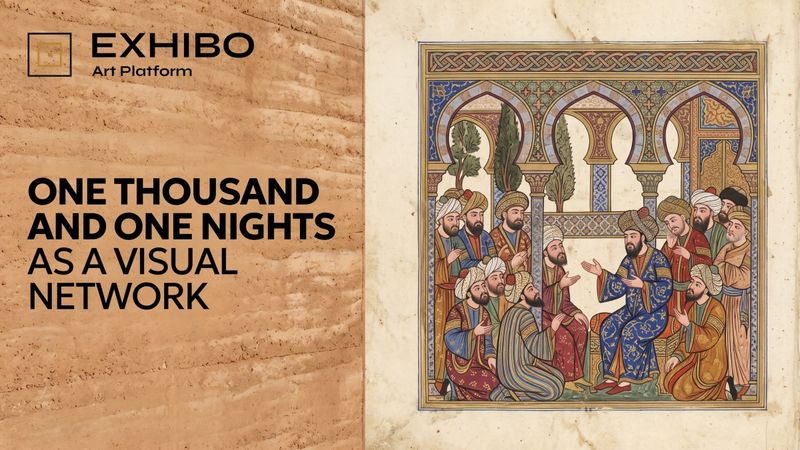
One Thousand and One Nights as a Visual Network
The book that taught Europe to picture the East arrived with no pictures at all. Three centuries of illustrators — Dutch, Egyptian, Persian, French, German, Iraqi — each gave it a face, and every face was a self-portrait.
Open Galland's Thousand and One Nights, the edition that conquered Europe, and there is nothing to look at: no genie, no lamp, not one illustration. The most visually imagined book in the world began blind — and because its text was never fixed either, no picture of it could ever be a copy.
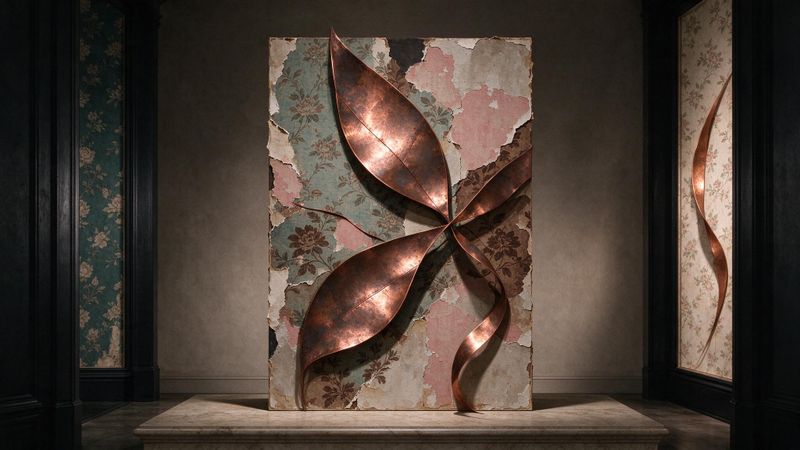
William Morris Gallery Reopens With Intimate Restoration and New Focus
A comprehensive overhaul at the Walthamstow venue explores the designer's contradictions through newly displayed archives and a domestic curatorial approach.

Bridging Japanese Craftsmanship and Contemporary Design
How international makers engage with Tokai's industrial heritage at the V&A
An exploration of how global designers collaborate with Japanese artisans to fuse ancestral techniques with modern conceptual frameworks.