
London · United Kingdom
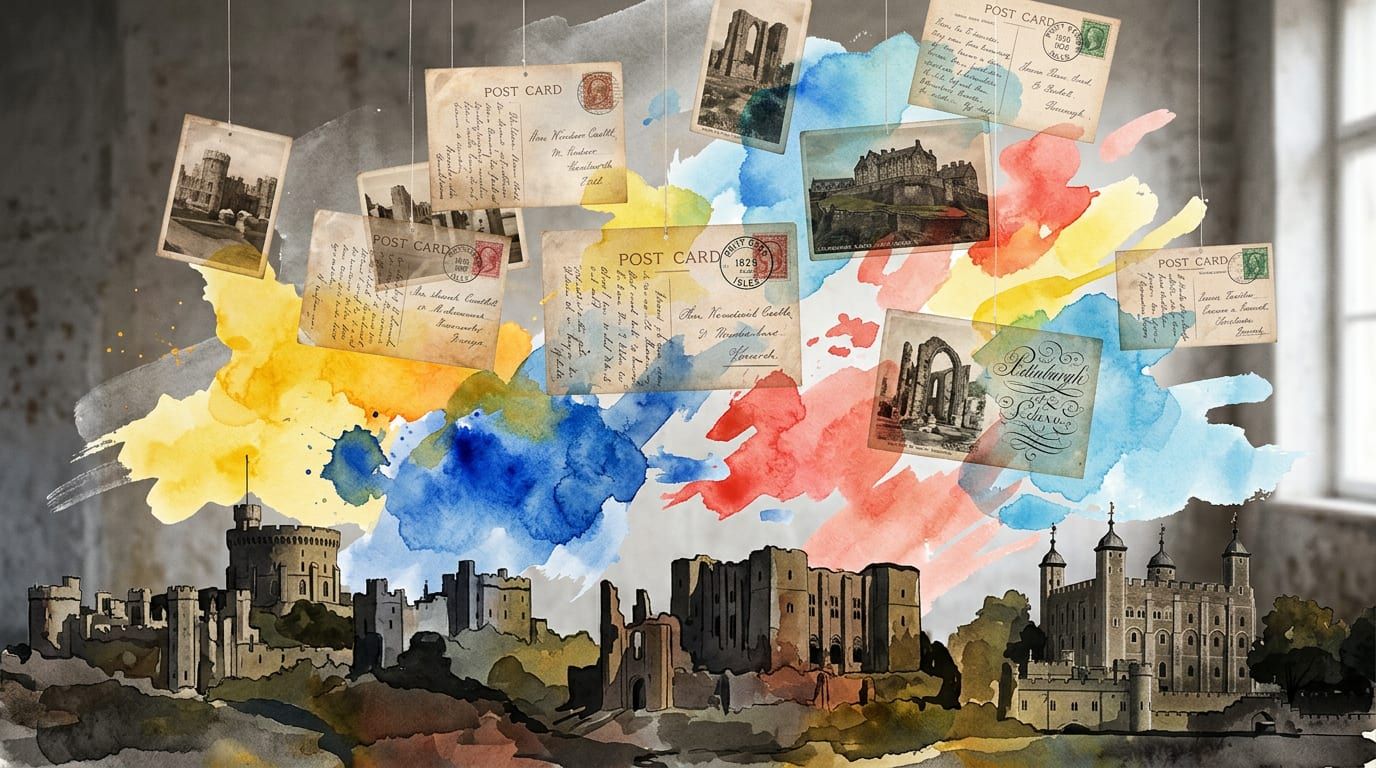
English Heritage Revives Postcard Tradition with Limited-Edition Children's Designs
New campaign aims to rekindle the fading art of handwritten holiday correspondence through historic sites and celebrated illustrators
The Decline of a British Institution
The picture postcard, once a staple of British seaside holidays and family communication, appears to be facing extinction. New research by English Heritage reveals that only 8% of British adults send a postcard annually, while a concerning 52% never send them at all. This represents a dramatic shift from the early 20th century, when 800 million postcards circulated annually by 1910, just four decades after their introduction to Britain in 1870.
Matt Thompson, English Heritage's director of conservation and learning, reflects on the cultural significance: "The postcard was once as integral to British holidays as buckets and spades. Our research shows this habit fading rapidly, and if the decline continues, it risks becoming nothing more than a nostalgic memory. There's genuine sadness in witnessing this tradition disappear."
A Creative Intervention
Rather than accepting this decline passively, English Heritage has launched an initiative to reintroduce postcards to younger generations. The organisation has commissioned three limited-edition designs from renowned children's illustrators Nick Sharratt and Quentin Blake. These cards are available free of charge from 18 historic sites throughout the summer months.
Sharratt, known for his distinctive children's book illustrations, hopes the designs will inspire young visitors to make their first trip to a postbox: "If they do, then perhaps postcards have a future after all."
Blake, whose work has delighted generations of readers, maintains that postcards retain unique emotional value: "There's no better way to put a smile on someone's face than with a postcard."
The cards have been printed by Judge's, England's final remaining family-run postcard business. Graeme Wolford, whose family assumed control of the 1902-established firm in 1983, recalls the industry's heyday: during the 1960s and 70s, the company sold 12 million cards annually.
Preserving Postal History
English Heritage has simultaneously undertaken efforts to preserve existing postcard heritage. The organisation recently acquired an extensive collection of over 800 historic postcards depicting Dover Castle, amassed over decades by Pat Cunningham, former head historian at the Kent site. A curated selection now resides in the castle's study centre, where visitors are invited to participate in transcription projects.
While many messages prove prosaic, others offer fascinating glimpses into the past. Some cards from the castle's garrison days contain unexpectedly poignant or humorous observations, including requests for potatoes and affectionate farewells from absent fathers. These handwritten fragments provide valuable insights into everyday life at historic sites, complementing formal historical records.
Cultural Memory and Future Possibility
The survey revealed that adults maintain strong nostalgic connections to postcards: 86% reported sending them during childhood, and 62% expressed hopes that their own children would continue the tradition. This suggests that while current practice may be waning, cultural attachment remains robust.
English Heritage's intervention represents more than mere nostalgia—it's an attempt to preserve a form of communication that, despite its simplicity, carries emotional weight often lost in digital exchanges. The combination of celebrated illustrators, historic venues, and community participation in transcription work creates multiple entry points for engagement.
Whether this initiative can truly arrest the decline remains uncertain. However, by connecting contemporary children with both artistic creativity and historical preservation, English Heritage offers a thoughtful response to cultural change—one that honours the past while potentially securing postcards' future.
Museums mentioned
Related reading
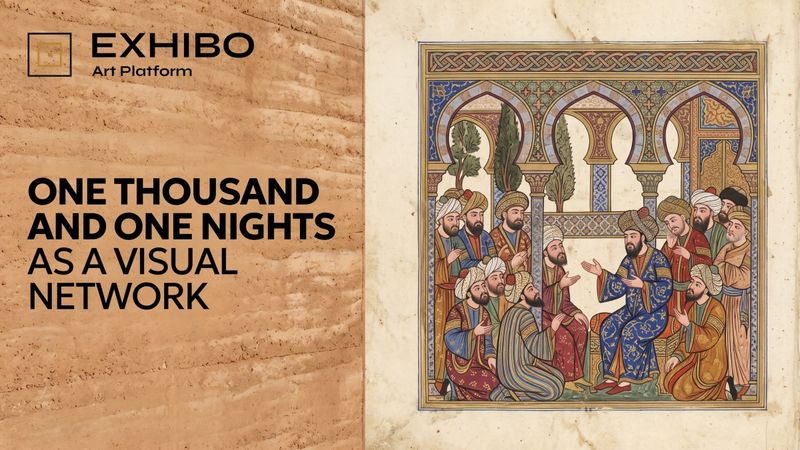
One Thousand and One Nights as a Visual Network
The book that taught Europe to picture the East arrived with no pictures at all. Three centuries of illustrators — Dutch, Egyptian, Persian, French, German, Iraqi — each gave it a face, and every face was a self-portrait.
Open Galland's Thousand and One Nights, the edition that conquered Europe, and there is nothing to look at: no genie, no lamp, not one illustration. The most visually imagined book in the world began blind — and because its text was never fixed either, no picture of it could ever be a copy.
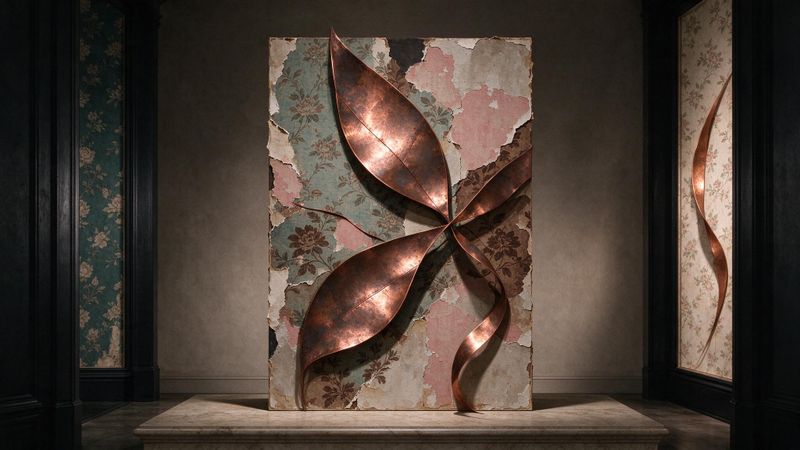
William Morris Gallery Reopens With Intimate Restoration and New Focus
A comprehensive overhaul at the Walthamstow venue explores the designer's contradictions through newly displayed archives and a domestic curatorial approach.

Bridging Japanese Craftsmanship and Contemporary Design
How international makers engage with Tokai's industrial heritage at the V&A
An exploration of how global designers collaborate with Japanese artisans to fuse ancestral techniques with modern conceptual frameworks.