
Milan · Italy
Chiharu Shiota: The Moment the Snow Melts at MUDEC
Tracing severed connections through suspended filaments and collective memory
A Threadbare Landscape of Memory
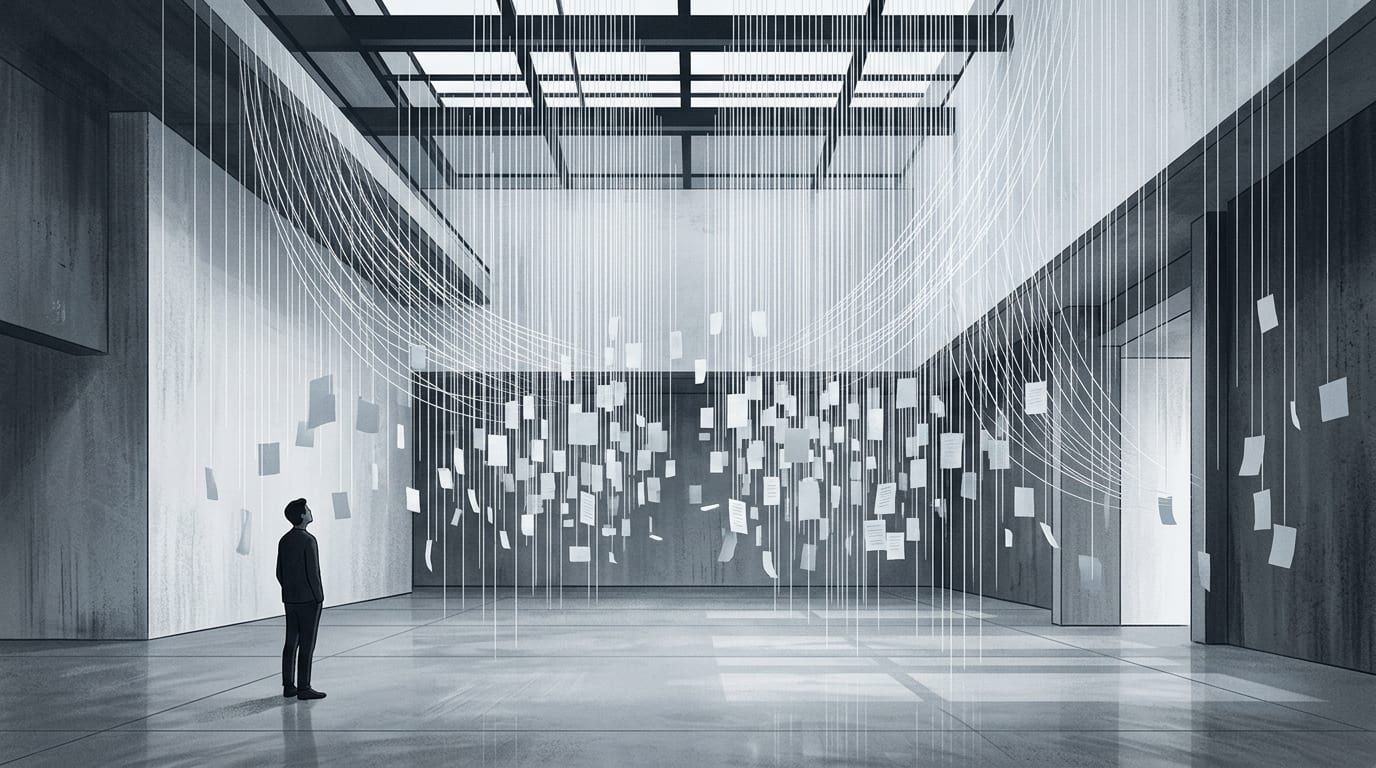
Japanese practitioner Chiharu Shiota has unveiled a new spatial intervention at Milan's Museo delle Culture. Titled The Moment the Snow Melts, the project occupies the museum's central Agora, transforming the architectural void into a delicate field of descending filaments. From the upper reaches of the ceiling, countless white strands cascade downwards, creating a suspended atmosphere that blurs the boundary between built environment and atmosphere. Interspersed throughout this vertical weave are fragments of paper bearing handwritten names. These inscriptions mark individuals whose relationships have dissolved, serving as tangible markers of connection lost.
Prior to the official inauguration, visitors were encouraged to engage directly with the work. Through physical collection points inside the building and an online portal, members of the public submitted personal reflections and sketches. Shiota explicitly frames this participatory element as essential to the piece's completion. She argues that solitary gestures remain private until woven into a shared narrative, thereby elevating individual sentiment into a communal artwork.
Cyclical Time and Collective Echoes
The artist describes the environment as a contemplative zone designed to make viewers acutely aware of what remains when someone departs. Drawing upon the transient quality of winter precipitation, Shiota uses dissolving ice as a metaphor for concluding chapters. She suggests that thawing signifies a final reverberation, marking the cessation of prolonged quietude and the gradual withdrawal of emotional frost. Rather than viewing separation as purely tragic, the installation proposes a rhythmic understanding of human ties. Relationships inevitably form and fracture, leaving behind residual melancholy, yet the recorded names guarantee remembrance. This perspective rejects linear chronology in favour of recurring cycles, where periods of isolation eventually yield to renewal. The frozen, swirling arrangement of fibres captures this suspended equilibrium between attachment and detachment.
Born in 1972, Shiota gained international recognition after representing her home nation at the Venice Biennale in 2015. Her practice consistently translates intimate psychological states into expansive environmental sculptures. By enveloping everyday artefacts—footwear, furniture, garments—within vast web-like constructions, she investigates how memory persists beyond physical proximity. Her multidisciplinary output spans performance documentation, photography, painting, and large-scale fabrication, all united by an exploration of consciousness and loss.
Situating the Work Within a Wider Programme
This commission marks the fourth location-specific project developed by MUDEC during the current autumn season. It operates under the umbrella of a broader curatorial framework titled The Sense of Snow. Peoples, Ancient Art, and Contemporary Perspectives, which runs from February through June next year. Developed alongside preparations for the upcoming Milan Cortina Games, the initiative collaborates with the Italian Museums with World Heritage network to construct a cross-disciplinary dialogue. Running across multiple disciplines, the parent exhibition presents more than one hundred and fifty objects, ranging from historical ethnographic materials to modern paintings and digital works.
Several contemporary figures contribute to this extended survey. Artists such as Shimabuku, Xu Zhen, Irene Kopelman, Walter Niedermayr, and Zhang Huan address pressing environmental and social challenges including ecological disruption and mass tourism. Adjacent display cases house When Fox is a Thousand, a separate fabric by Summer Mei-Ling Lee. Historical trajectories are also examined, tracing how European painters shifted from treating frozen landscapes as mere backdrop to elevating them as primary symbolic devices, culminating in conceptual pieces by Judy Chicago and Barbara T. Smith. Meanwhile, traditional Japanese woodblock prints by Hiroshige and Kunisada highlight cultural associations linking winter weather to spiritual clarity and transient aesthetics.
Sara Rizzo oversees the curation of Shiota's contribution, with backing from 24 ORE Cultura. The project remains firmly embedded within the cultural calendar surrounding the forthcoming winter sporting event.
Related reading
Shilpa Gupta: One Palm Closer to the Sky
A survey of surveillance, language, and collective resilience at Milan's GAM
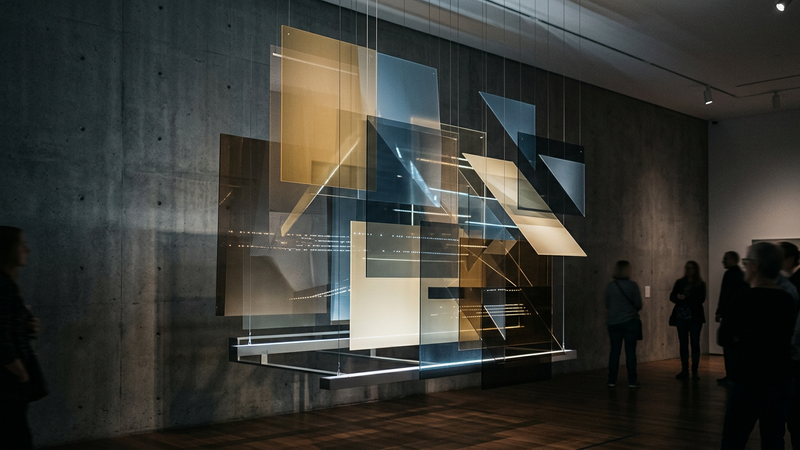
Shilpa Gupta's latest presentation at Milan's Galleria d'Arte Moderna examines how power structures permeate daily routines while proposing alternative modes of civic engagement.
Reimagining Ancient Crossroads at Fondazione Prada
A new exhibition maps millennia of Mediterranean-Asian exchange through curated artefacts and architectural design.
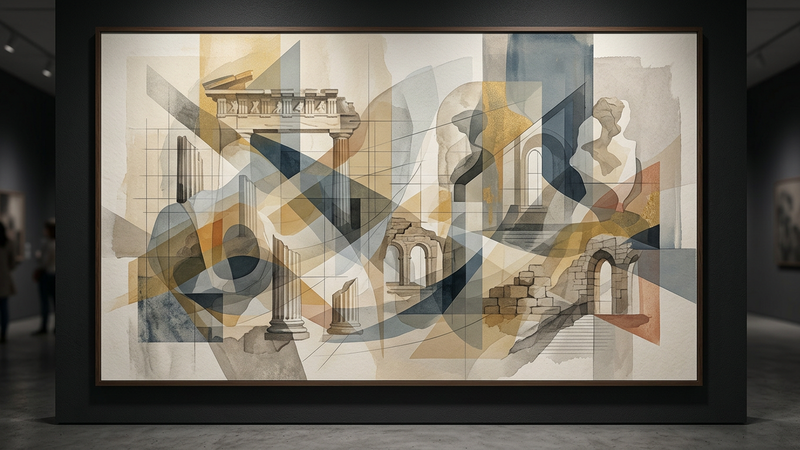
Fondazione Prada's latest survey traces over seventeen centuries of cultural dialogue between Europe and Asia, challenging modern notions of isolationism through ancient artefacts and innovative spatial planning.
Gustave Fayet: Collector—Artist Designer
A comprehensive survey at the Fondation Louis Vuitton reuniting collected masterpieces with the designer's own studio practice.
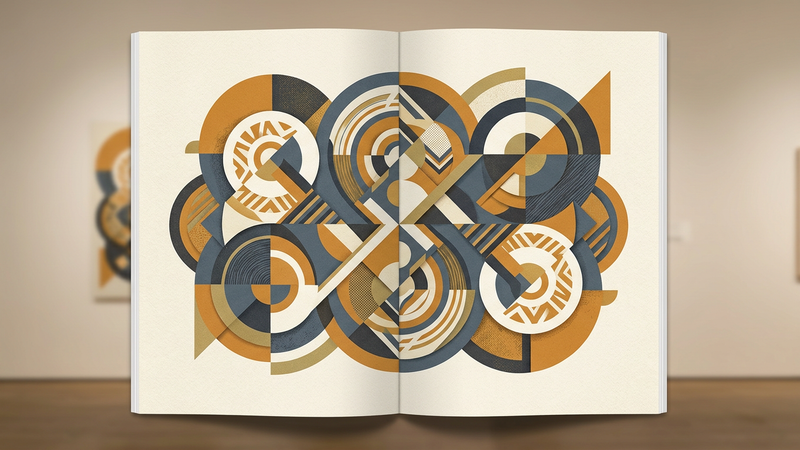
The Paris institution expands its patronage series with a dual-focused examination of Gustave Fayet, bringing together hundreds of acquired works and restored creations to chart his impact on early modernism.