
St. Louis · United States
Olga de Amaral: Weaving the Infinite
A transatlantic survey tracing six decades of textile innovation across architecture and craft.
Transatlantic Survey and Curatorial Vision
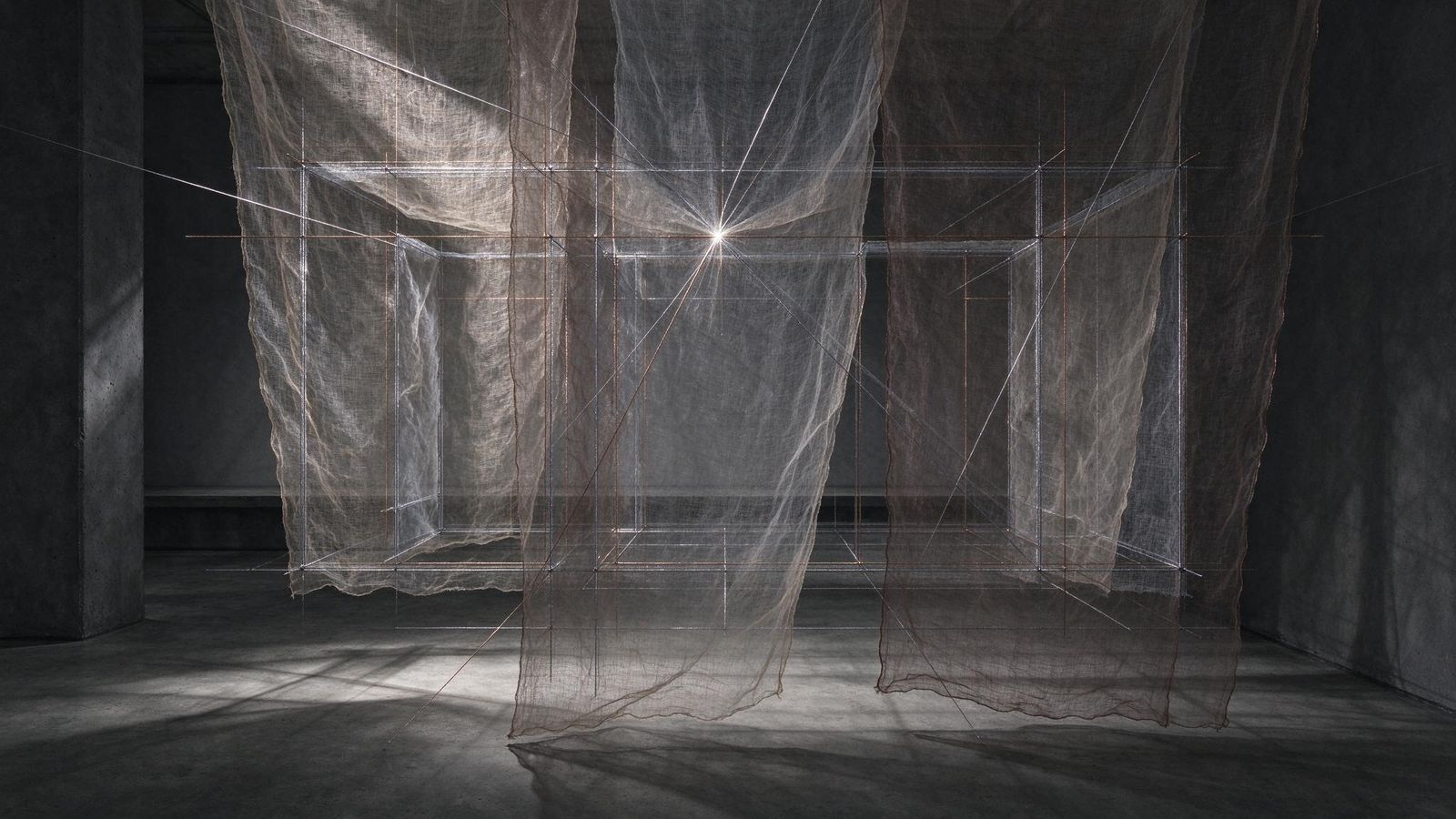
The Pulitzer Arts Foundation in St Louis has recently unveiled a substantial overview of Olga de Amaral's practice, running until late January 2027. This presentation travels northwards to Cooper Hewitt, Smithsonian Design Museum in New York from April next year. Jointly mounted by these two institutions, the project brings together Stephanie Weissberg and Christina L. De León to guide visitors through more than six decades of creative output. By assembling textile pieces alongside drawings on paper, the show constructs a detailed narrative around the Colombian maker's role in elevating material culture within contemporary visual arts. Rather than presenting a chronological timeline, the curatorial team favours thematic groupings that emphasise process, material transformation, and the persistent dialogue between handcraft and conceptual rigour.
Drafting Lines and Tactile Structures
De Amaral's early education in architectural drafting proved fundamental to her later approach to spatial organisation. Coursework at Bogotá's Colegio Mayor de Cundinamarca preceded formal textile training at Michigan's Cranbrook Academy of Art in 1954. Subsequent teaching appointments across the United States further refined a methodology that treats fabric as both structural medium and pictorial surface. The current installation highlights this intersection by displaying archival documents from her own Telas Amaral enterprise, offering fresh perspectives on how commercial commissions intersected with autonomous studio production. Scale shifts dramatically throughout the galleries, mirroring the precision required in technical drawing while embracing the organic behaviour of natural fibres. Metallic threads and layered gauze create luminous surfaces that respond dynamically to changing light conditions, effectively dissolving the traditional hierarchy between decorative arts and fine art painting.
Global Networks and Historical Milestones
Born in Bogotá during the summer of 1932, the artist maintained strong ties to her hometown despite extensive periods spent abroad. Early exposure to European modernist circles occurred during residencies in Barcelona and Paris, yet she consistently returned to South America to develop her signature aesthetic. Critical recognition arrived swiftly in the mid-twentieth century, including participation in landmark group presentations at the Museum of Modern Art and solo investigations at New York's Museum of Arts and Design. International acclaim followed through repeated selections for the Lausanne biennials and a national pavilion commission at Venice. The exhibition also incorporates objects drawn from her private archive, demonstrating how cross-cultural exchange shaped her understanding of indigenous weaving techniques and Mediterranean craft histories. These acquisitions reveal a lifelong commitment to documenting regional methodologies while simultaneously pushing them toward abstract expression.
Scholarly Resources and Institutional Context
Accompanying the gallery programme, Princeton University Press will issue a fully illustrated volume in the spring of next year, consolidating essays and visual documentation for academic audiences. The Pulitzer Arts Foundation continues to operate as a publicly accessible cultural hub, maintaining free admission across selected weekdays and extended evening hours. Meanwhile, Cooper Hewitt leverages its position within the Smithsonian network to examine design heritage through rotating installations and educational initiatives. Together, these partnerships ensure that de Amaral's interdisciplinary legacy receives sustained scholarly attention and public engagement across North America, cementing her status as a pivotal figure in twentieth-century material innovation.
Museums mentioned
Related reading

Coyote Time: Counterpublic's Third Triennial Takes Root in St. Louis

São Paulo's MAM Returns With Landmark Art Survey After Renovation
The 39th Panorama of Brazilian Art opens the renovated pavilion, exploring representation through contemporary practice.
Ukrainian Museum Celebrates Half-Century With Community-Led Lobby Project
Molly Gochman transforms archive fragments into a projected collage marking five decades of cultural preservation