Beidha Neolithic Village
Foundations of one of the earliest farming villages in the region, a short walk from Little Petra.
The village
Beidha is a Neolithic settlement a few hundred metres from Little Petra and one of the earliest excavated villages in the Middle East. It was lived in during the Pre-Pottery Neolithic period, about 9,000 years ago, when people in this region were among the first in the world to settle in permanent villages, grow crops and herd animals.
Excavation
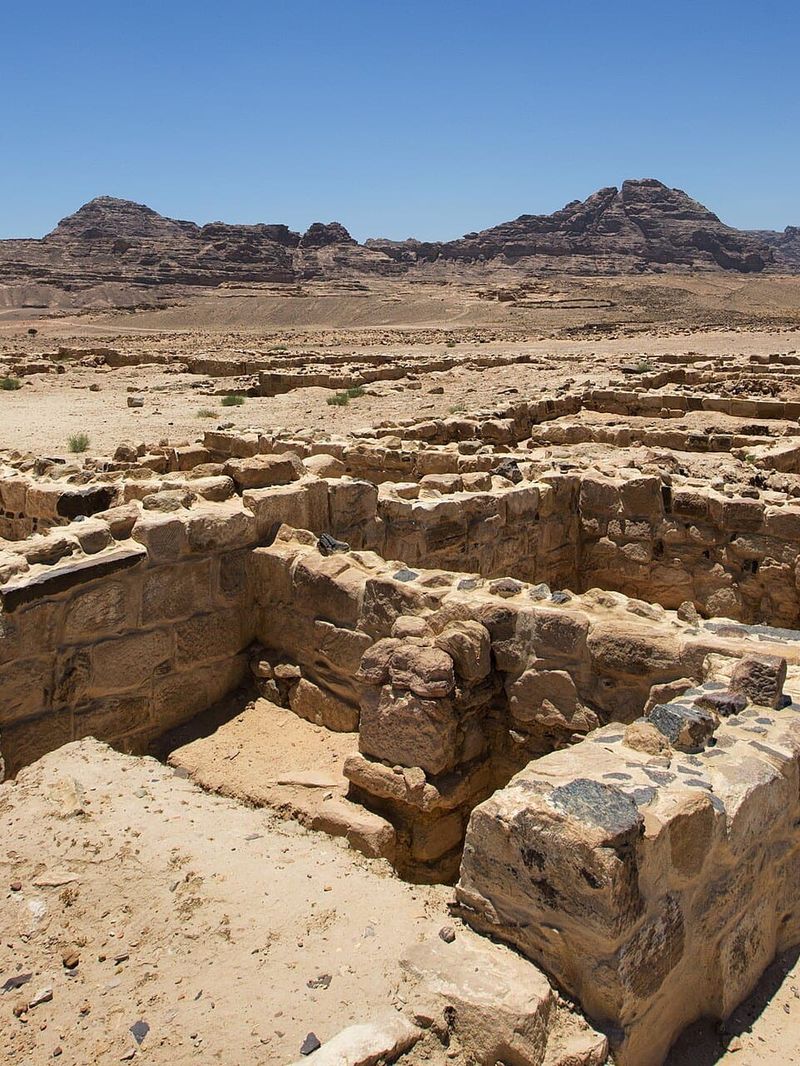
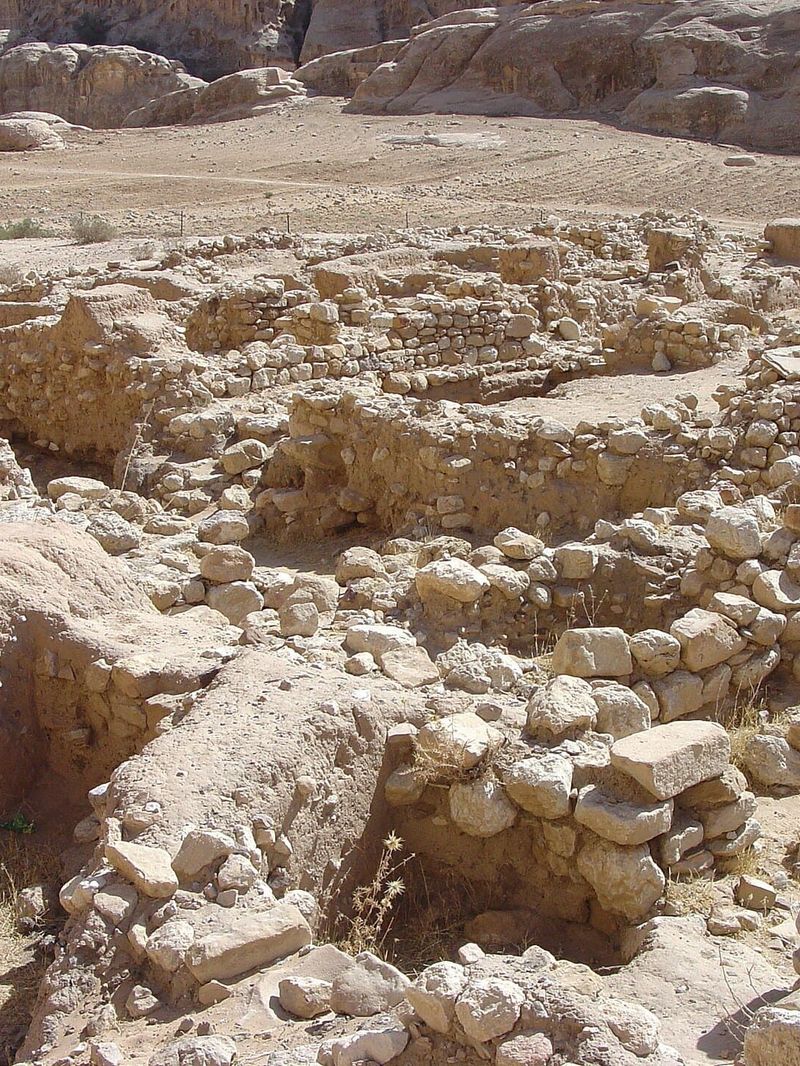
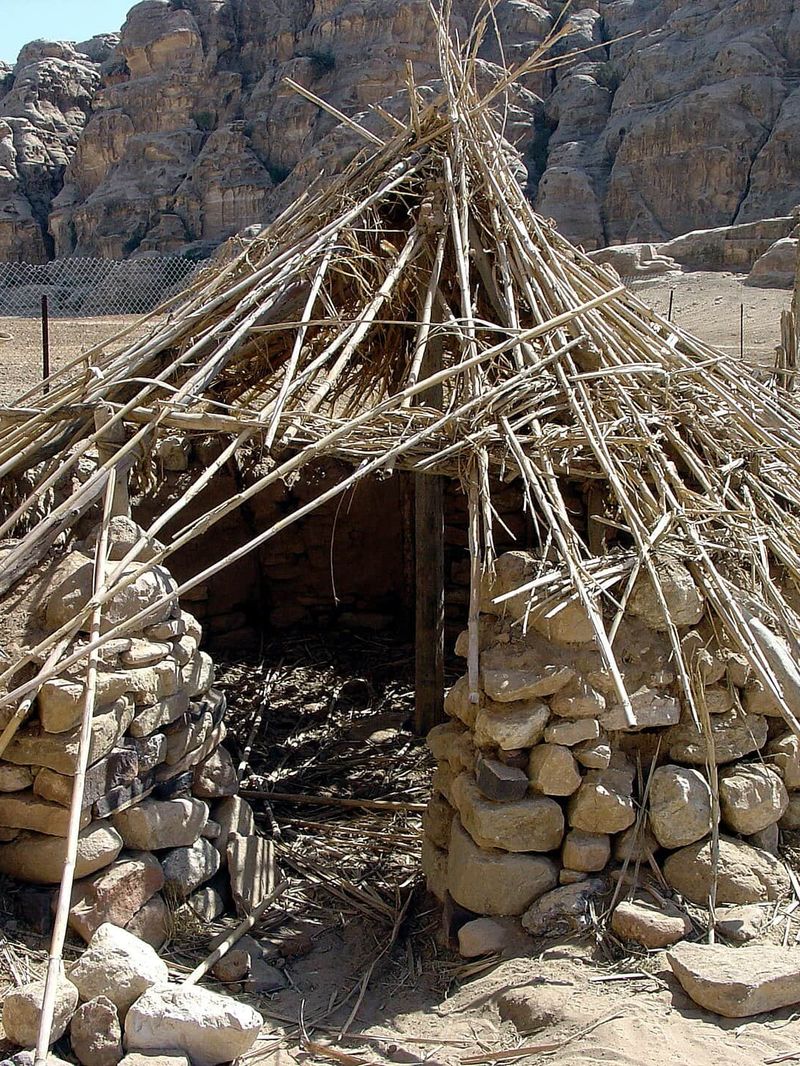
The British archaeologist Diana Kirkbride excavated the site from 1958. She uncovered several phases of building. The earliest houses were round and partly sunk into the ground, set close together. Later the villagers built rectangular houses and workshops, a change from curved to straight walls that Beidha documents unusually well. Finds include flint tools, grinding stones and evidence for early wheat and barley and for goat herding.
The site
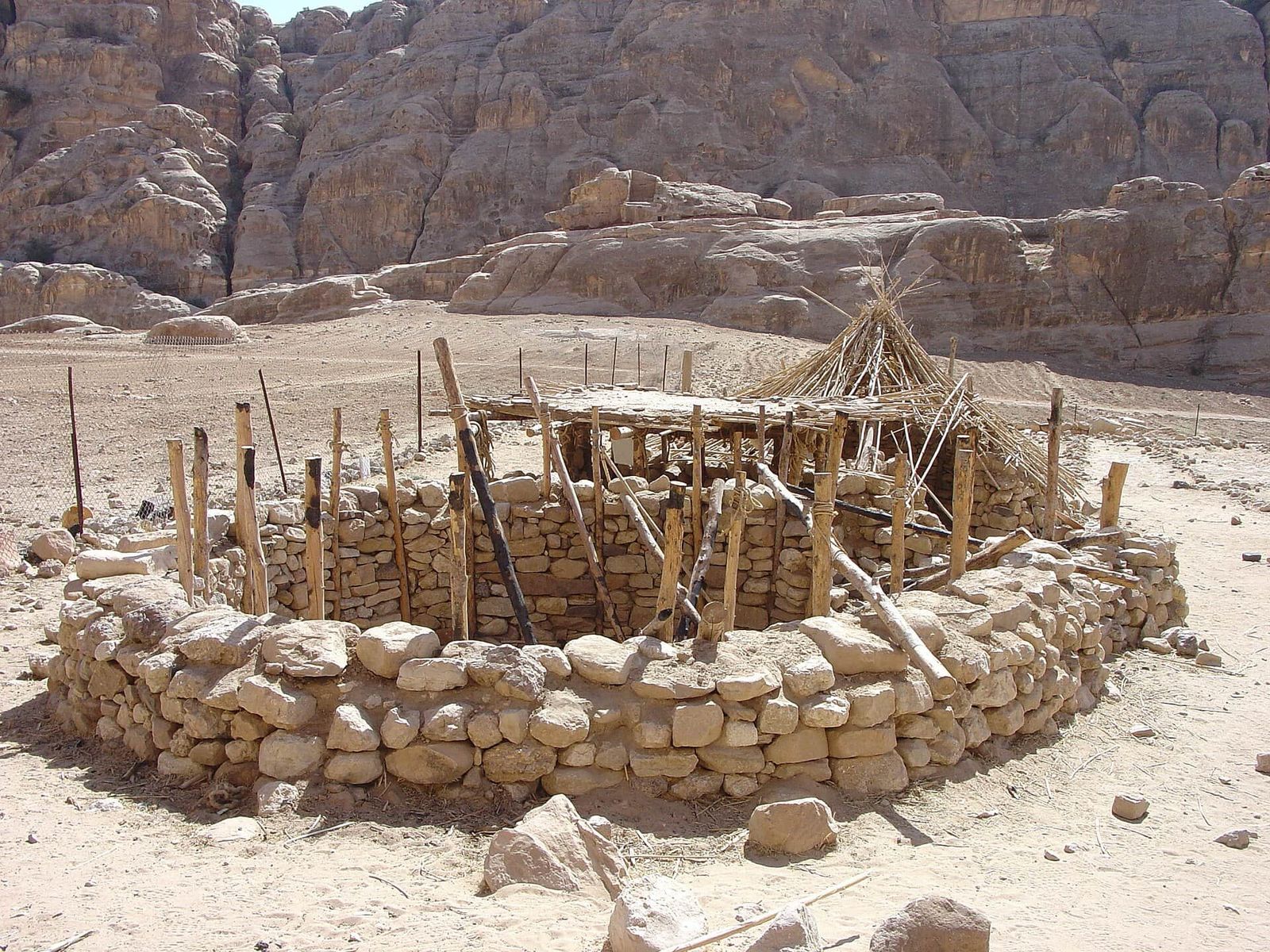
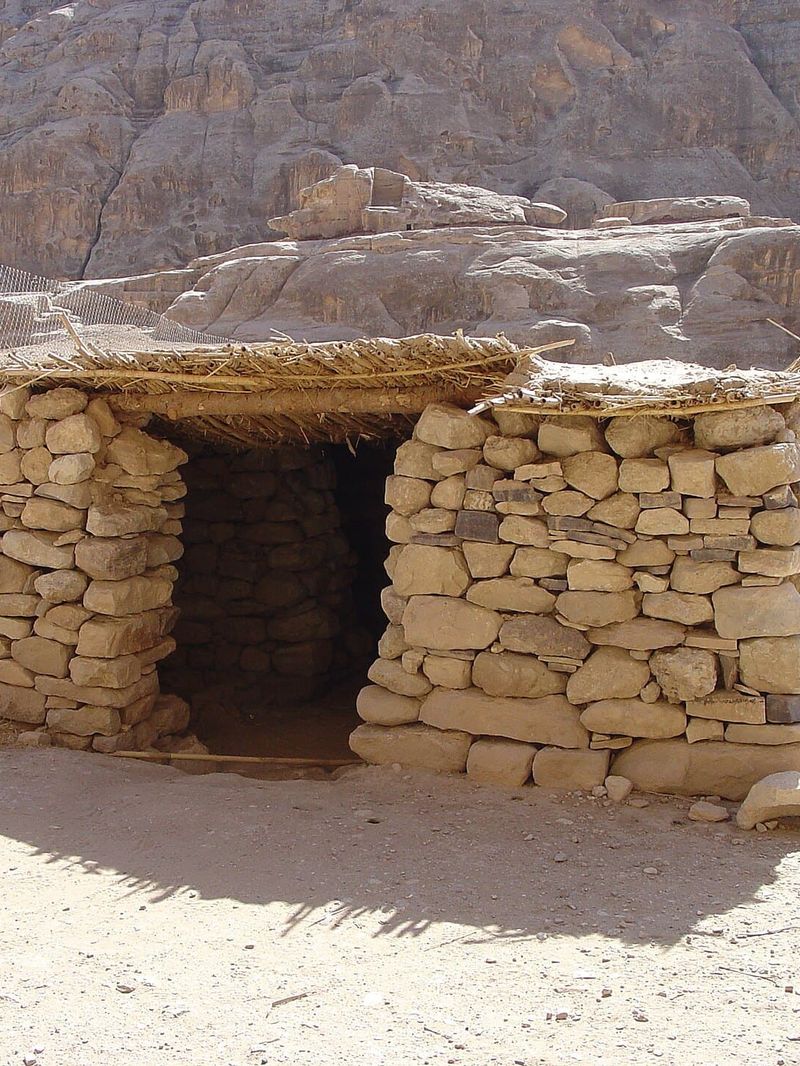
Stone foundations of houses and walls lie on a low terrace. Reconstructions of a round house and a rectangular house stand nearby and show how the buildings may have looked.
Exhibo editorial
Nine thousand years ago, long before anyone carved a facade in Petra, people built round houses here and began to plant wheat. The walls now come up to your knees, the terrace is quiet and many visitors pass it by on the way to Little Petra.
Stand among the circles and look across at the cliffs of Siq al-Barid. When the Nabataeans arrived, this valley had already been somebody's home for seven thousand years.
Gallery
How to find it
About ten minutes on foot from the Little Petra car park. Follow the signposted path south-west across the valley to the excavated terrace and the reconstructed houses.