Tell Hesban (Heshbon)
A hill near Madaba stacked with three thousand years of towns, from biblical Heshbon to a Mamluk citadel.
The tell
Tell Hesban is an archaeological mound near the town of Hisban, about 9 km north of Madaba. It is generally identified with biblical Heshbon, the city of the Amorite king Sihon in the Book of Numbers.
Layers
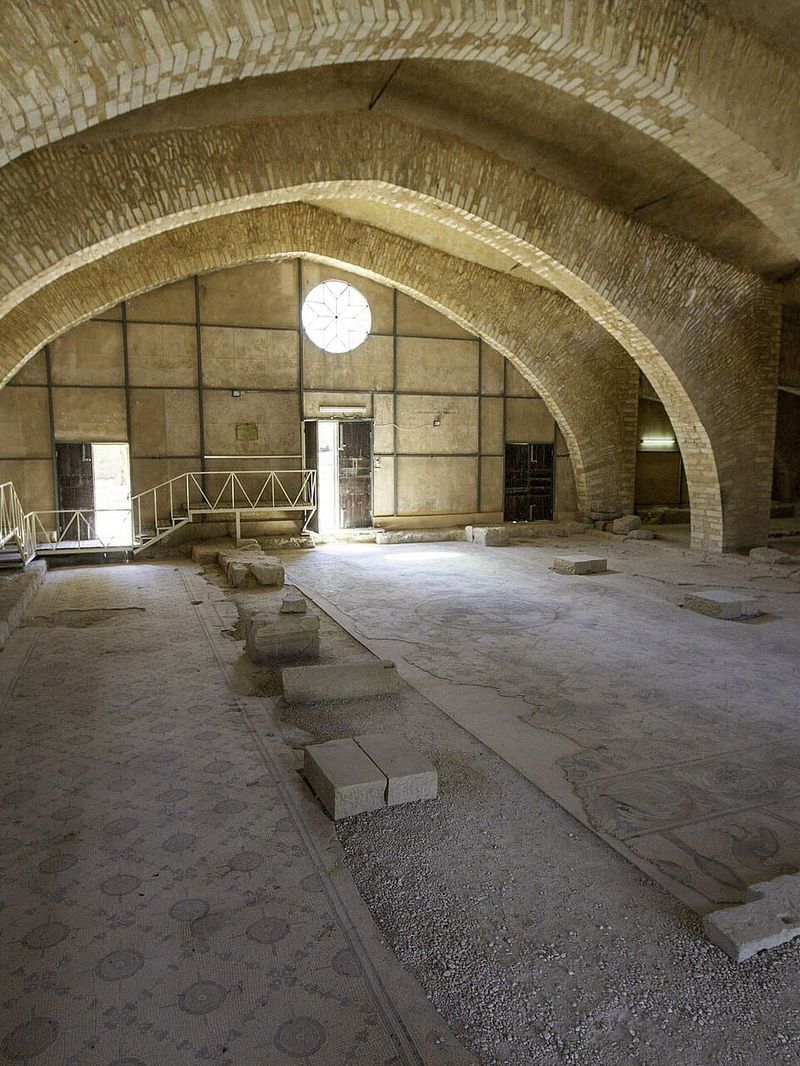
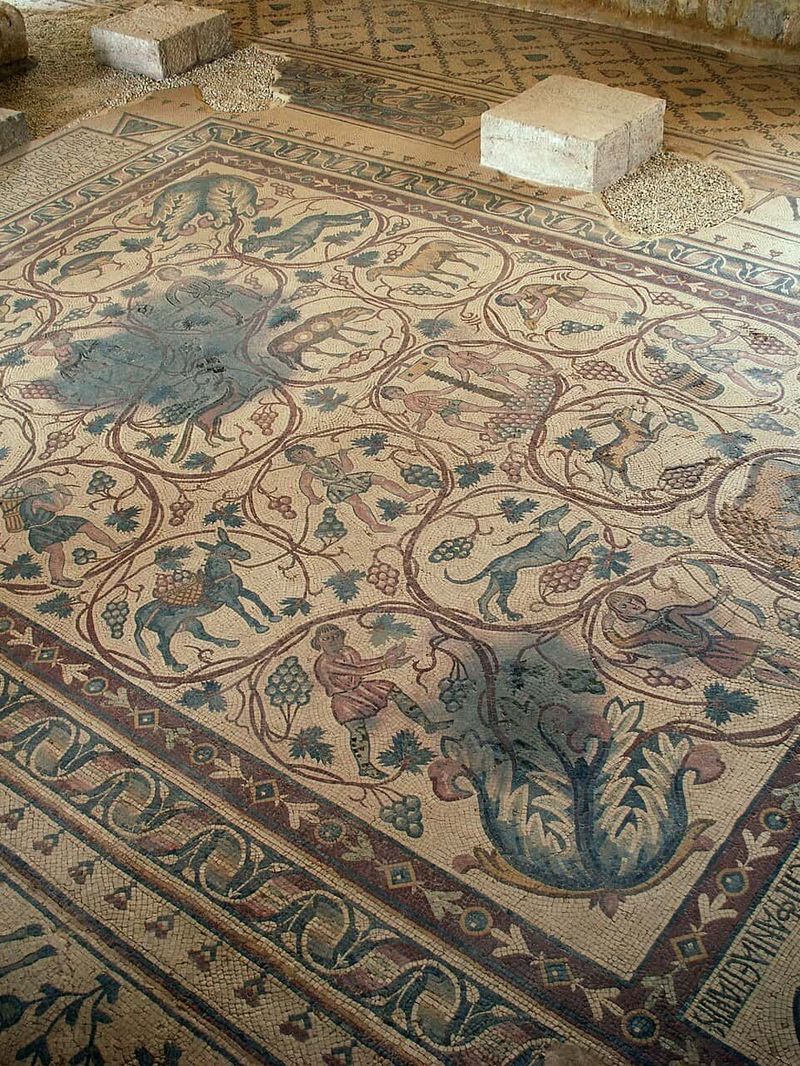
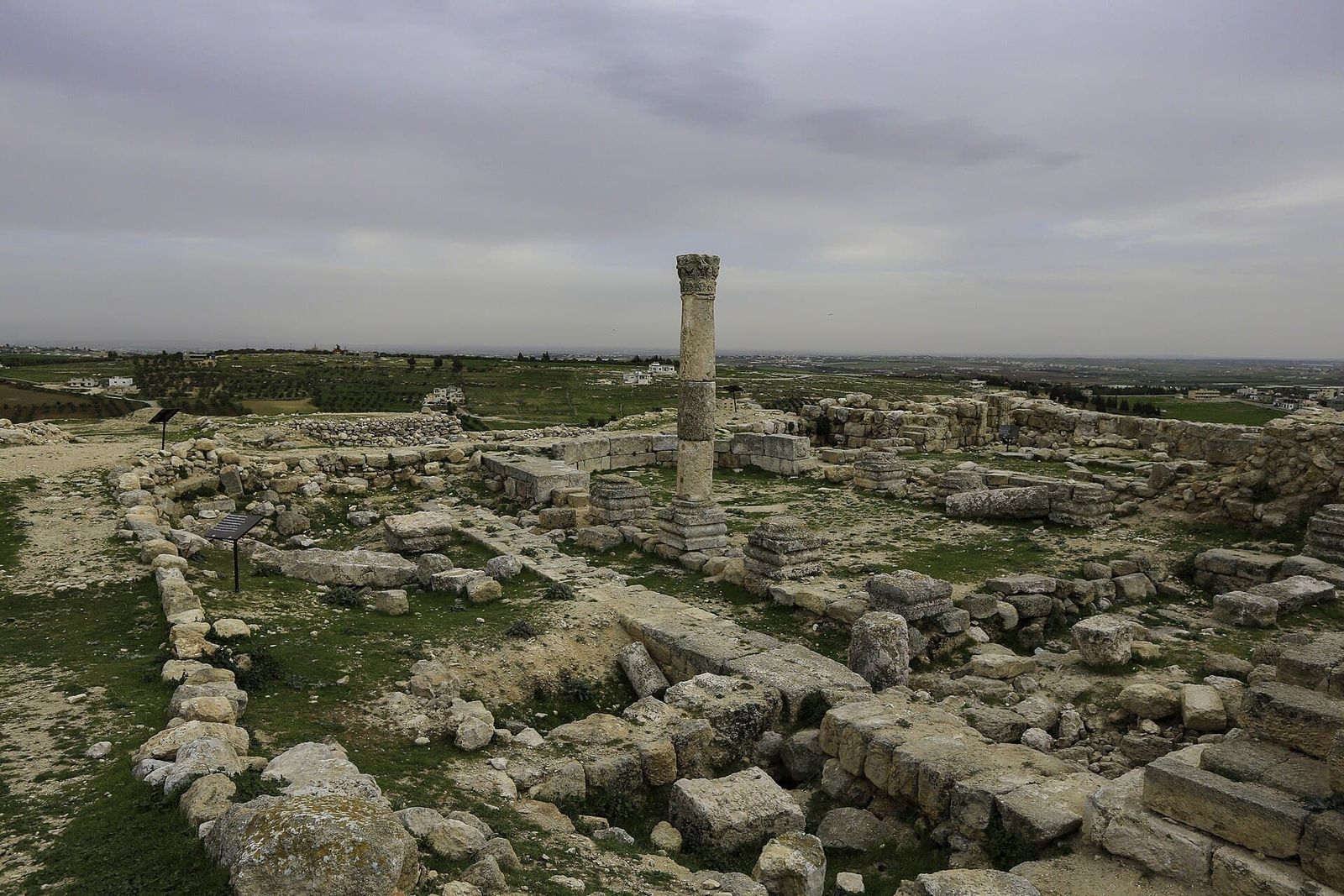
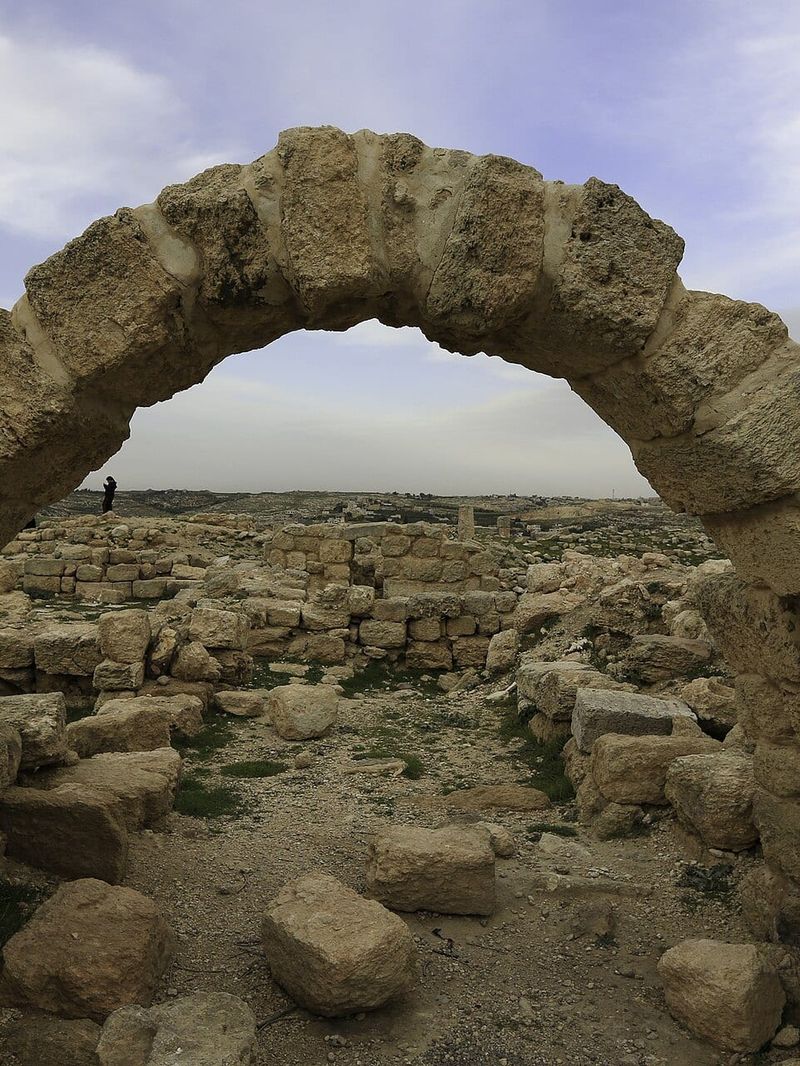
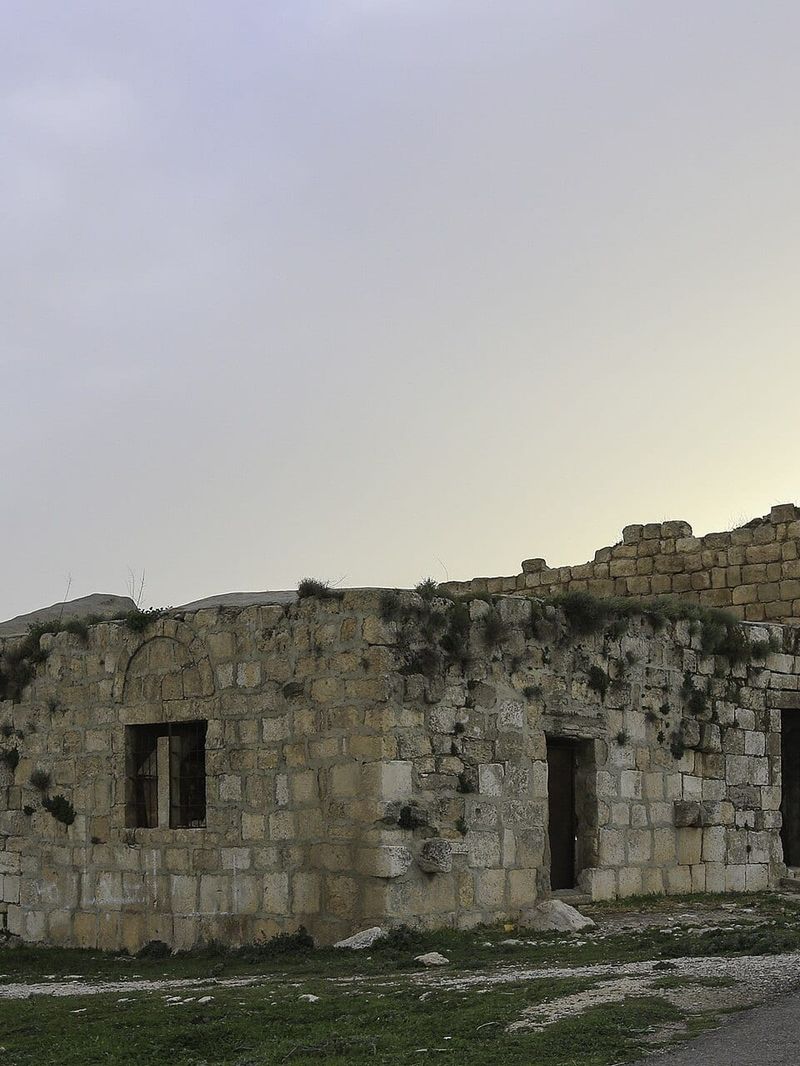
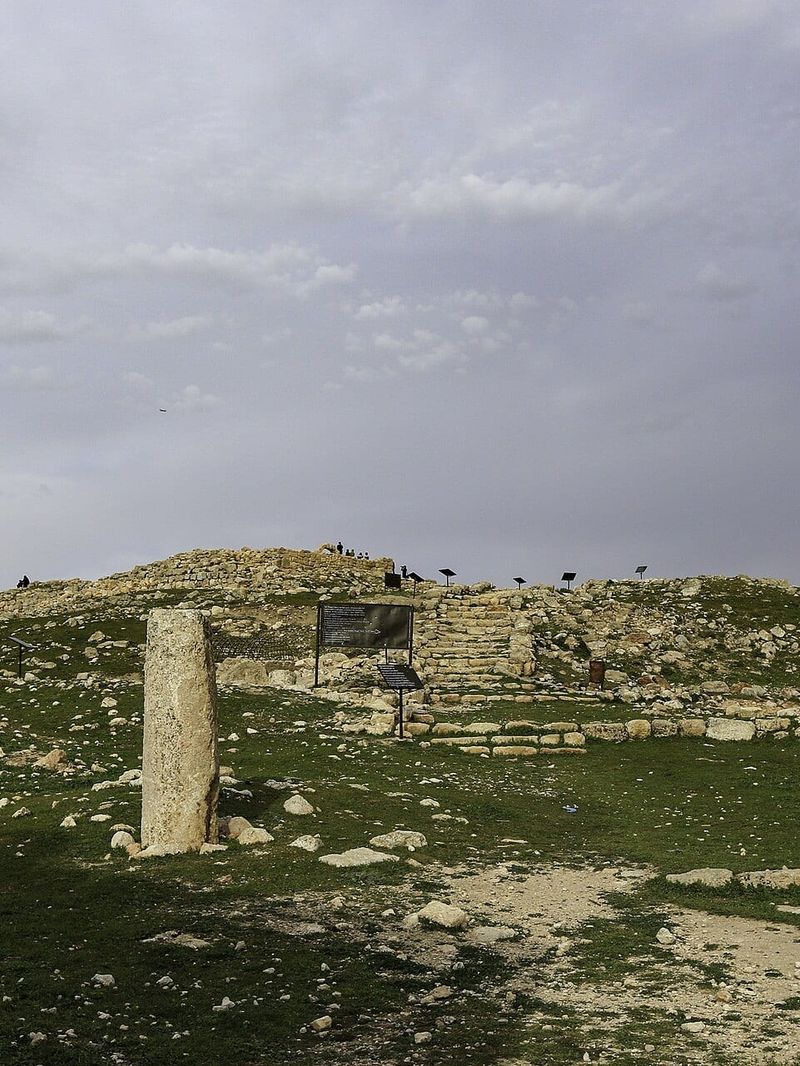
The hill was settled, abandoned and rebuilt many times, which gives a cross-section of the region's history: Iron Age remains, a Hellenistic fortress, a Roman temple whose monumental staircase survives, a Byzantine church with fragments of mosaic, an Umayyad and Abbasid town and a Mamluk citadel and bathhouse of the thirteenth and fourteenth centuries, when Hesban was for a time the capital of the Balqa district.
Excavation
Systematic excavation began in 1968 with the Heshbon Expedition of Andrews University in the United States, one of the longest-running American projects in Jordan. Its studies of food systems and settlement over thousands of years shaped archaeology in the region. A path with information panels leads around the summit. Madaba and Mount Nebo are a short drive away.
Exhibo editorial
Hesban is a good place to learn how to read a tell. Nothing here is grand on its own. The excitement is in the stacking: Roman steps leading to a Byzantine church, a Mamluk bathhouse beside Iron Age walls, each people building on the rubble of the last.
Go in the late afternoon and walk the summit. Look north towards Amman and west towards the Jordan Valley. For three thousand years people chose this hill for the reasons you can see from the top.
Gallery
How to find it
On the road between Amman and Madaba. Turn off at the town of Hisban and follow the signs up the hill. A looping path with panels leads around the excavations.