Kesra, Berber Mountain Village
A Berber village of stone houses and painted rock stairways, perched above the plains of Siliana at over 1,100 metres.
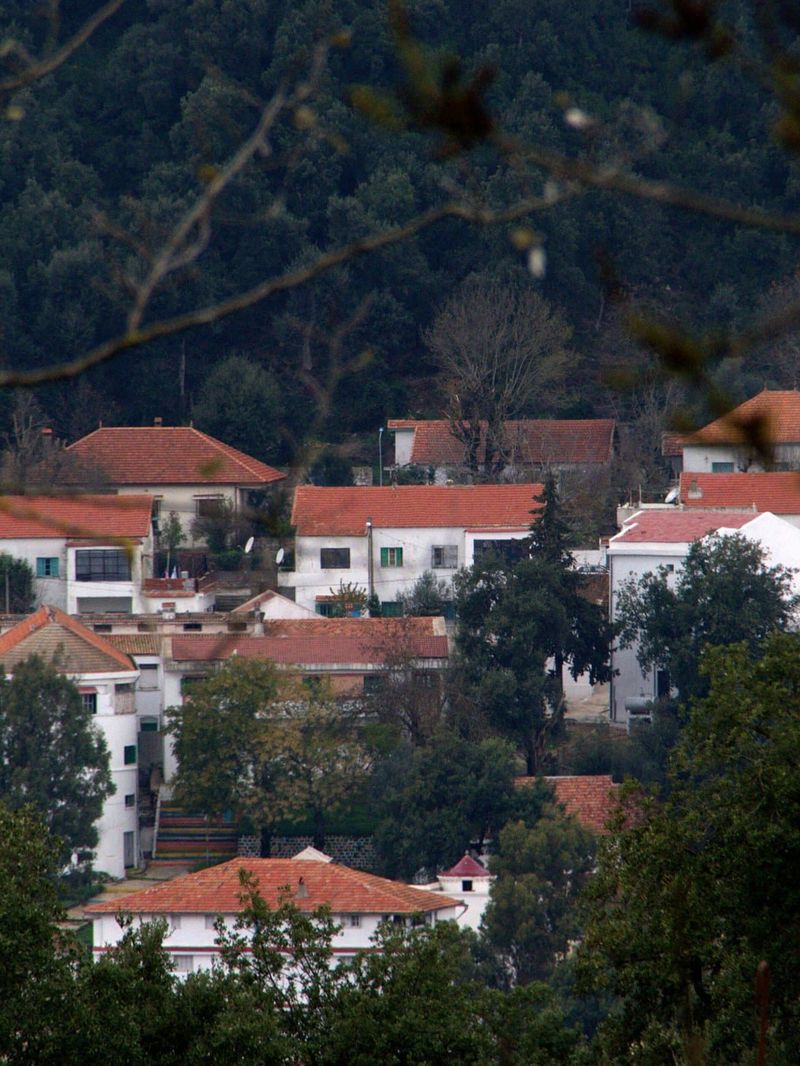
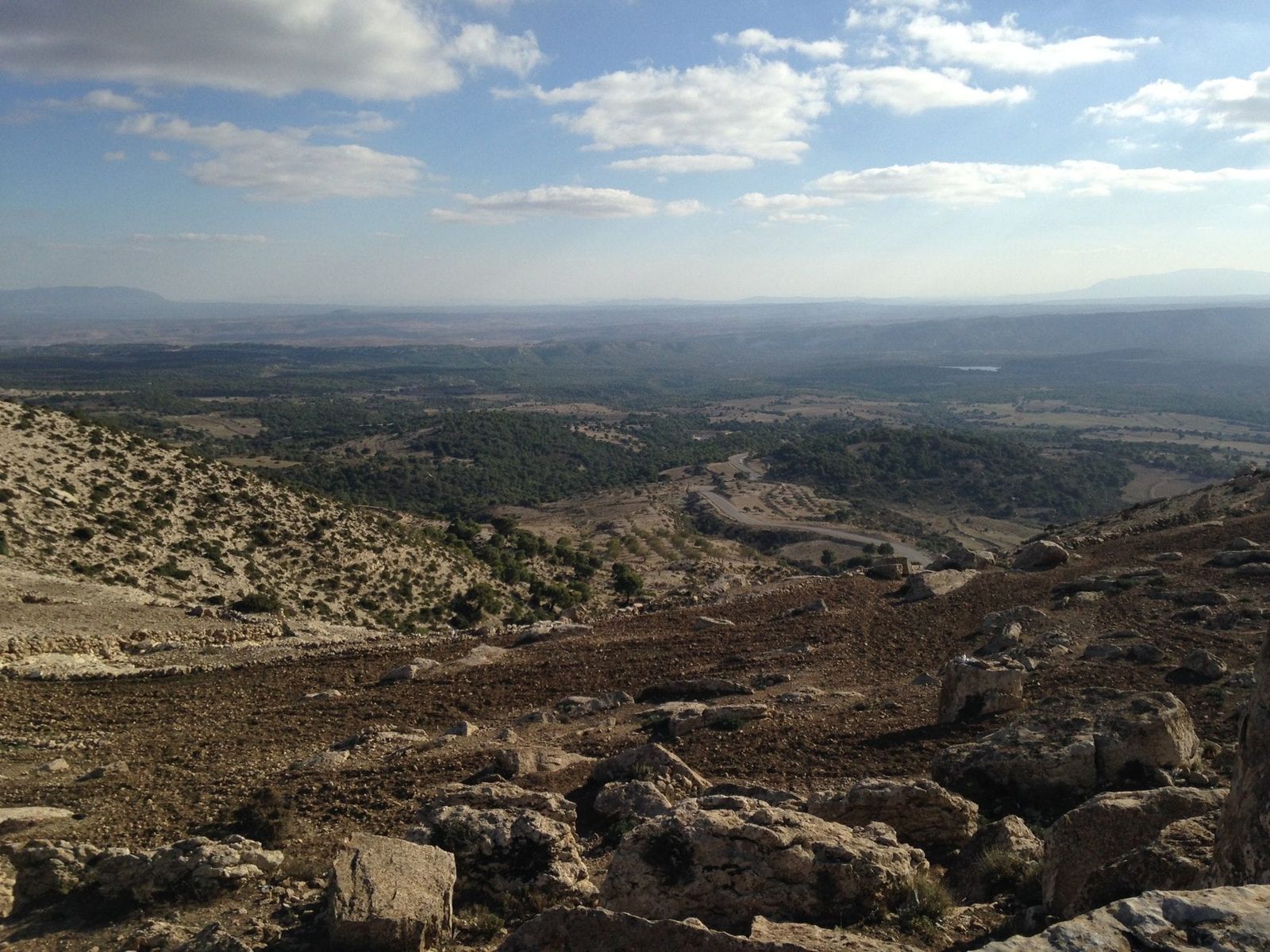
Kesra is a Berber village in the governorate of Siliana, built on a rocky mountainside more than 1,100 metres above sea level. It is often called the highest village in Tunisia. It lies about twenty kilometres east of Makthar and some seventy kilometres south-east of Le Kef. The village looks down over the plains of Siliana.
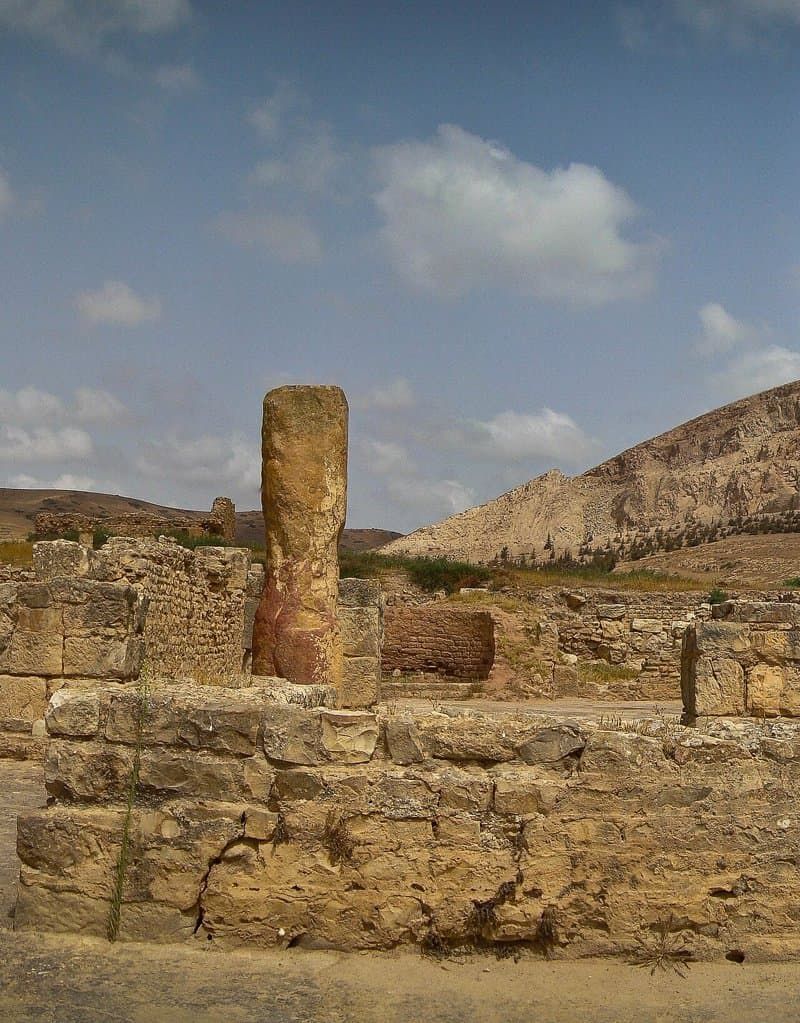
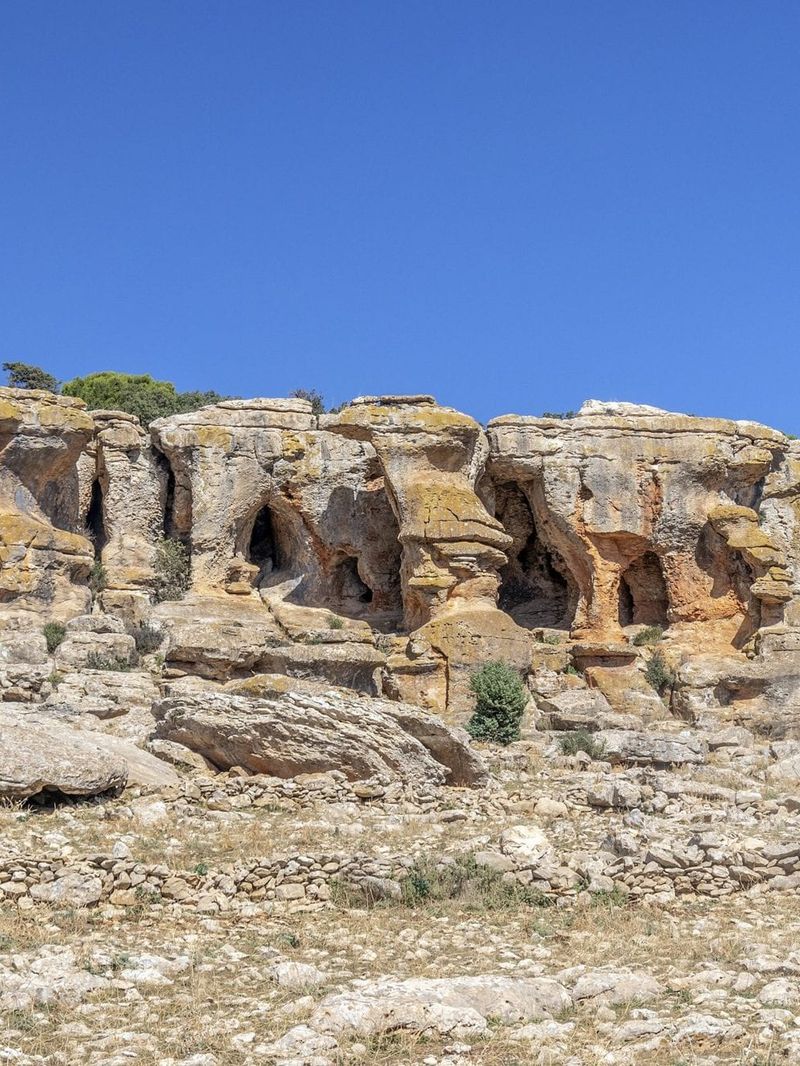
People have lived on this rock since long before the Romans. Punic and Latin inscriptions found here show an unbroken history through the Punic, Roman and Byzantine periods. Kesra is the one ancient settlement of the area that never stopped being lived in.
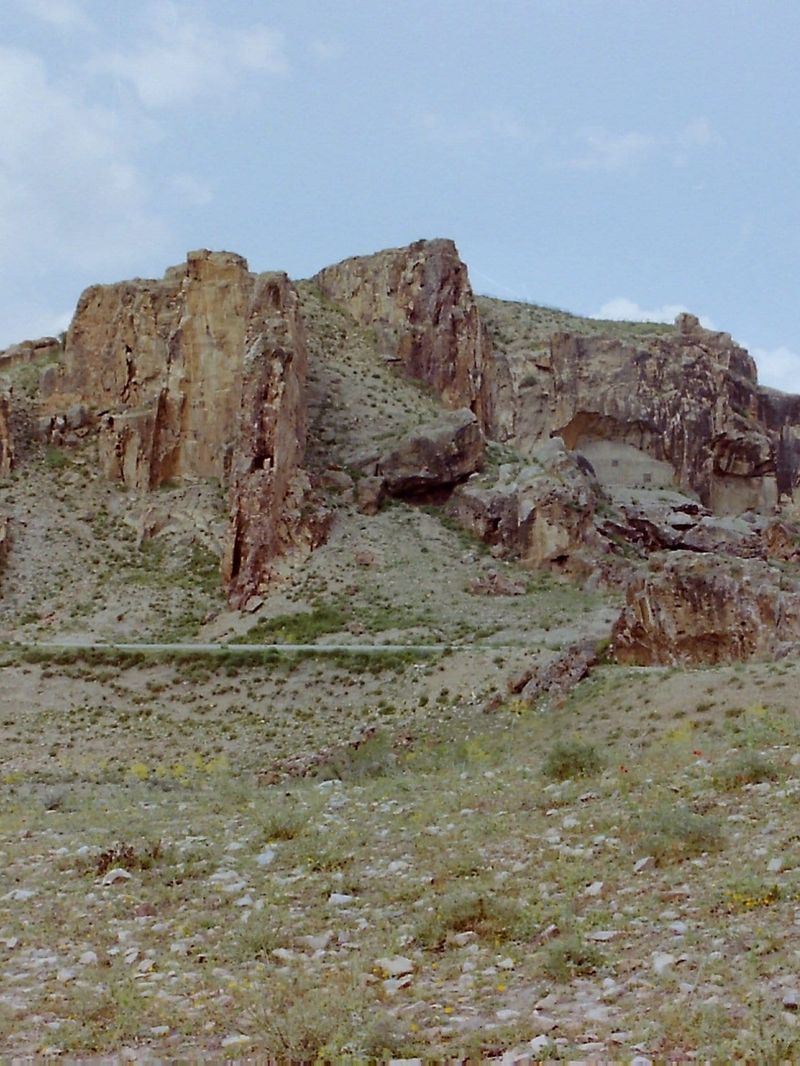
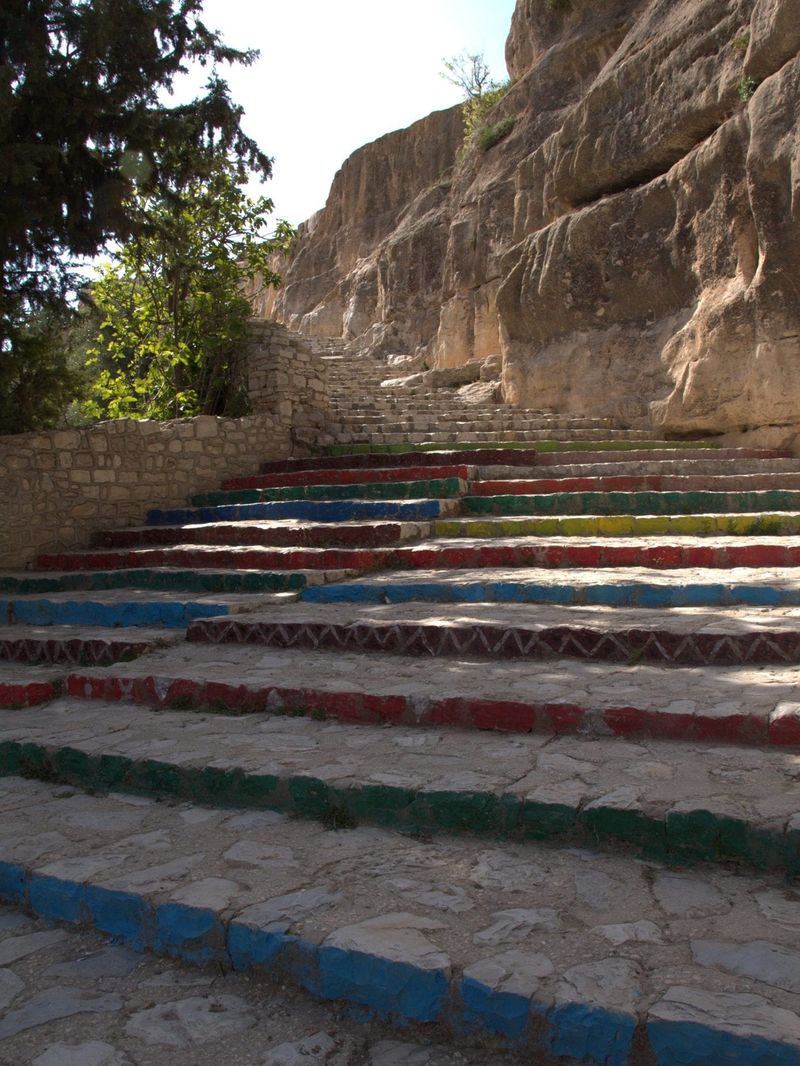
The old village is built almost entirely on the rock. Stone houses lean against boulders. Lanes turn into stairways cut into the stone, many of them now painted in bright bands with Amazigh signs. Springs rise around the village. They feed a small waterfall and the terraced orchards below.
Kesra is known across Tunisia for its figs.
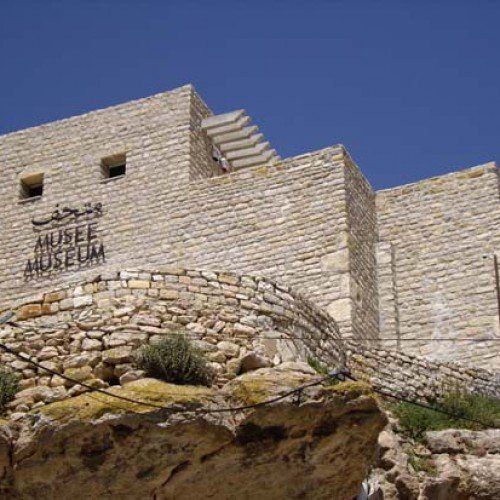
On a terrace above the village stands the museum of traditional heritage. It shows everyday tools, women's crafts such as pottery and weaving, costumes and jewellery. Other rooms follow the local rites of passage from birth to death. It was renovated recently.
Exhibo editorial
Kesra feels like a village that decided to stay where it was while everything else moved down to the plain. The road climbs through trees and rock. Then the houses appear, grey on grey, so close to the stone that you only see them when the washing moves.
Walk up the painted stairs slowly. The colours are new but the steps under them are old. Listen for the water. Then sit somewhere high with a handful of dried figs and look out over the plains of Siliana. It is the natural pair to the Roman ruins of Makthar, twenty minutes away.
Gallery
How to find it
Kesra is reached by a mountain road from Makthar, about twenty kilometres to the west. Leave the car at the entrance to the old village and walk up; the lanes are steep and stepped. The museum stands on the terrace at the top of the village.