Monastery of St Simeon (Anba Hadra)
A fortress-like Coptic monastery in the desert above Aswan's west bank, founded in the seventh century and abandoned in the thirteenth.
A desert monastery
The Monastery of St Simeon stands on a desert hill on the west bank of the Nile at Aswan, south of Qubbet el-Hawa and above the Aga Khan Mausoleum. It is one of the largest and best-preserved Coptic monasteries in Egypt. Founded in the seventh century, it was originally dedicated to Anba Hadra (Hedra), a local saint and later bishop of Aswan, who, according to tradition, renounced the world on the day after his wedding when he encountered a funeral procession; the name "St Simeon" appears only in later European accounts.
A fortress of faith
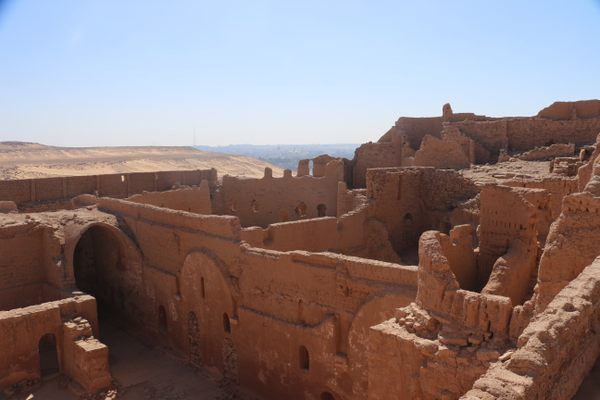
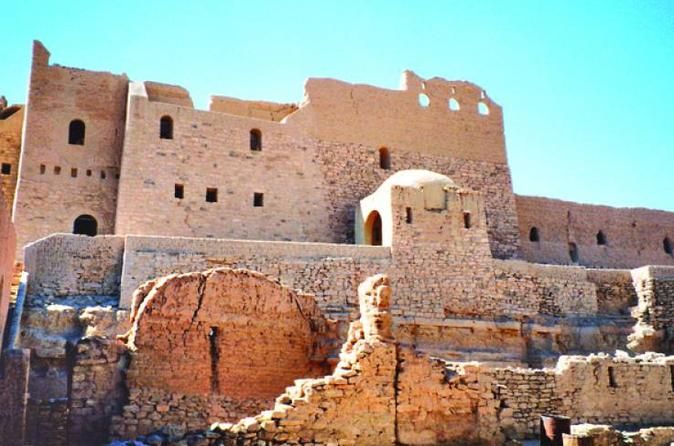
The monastery was rebuilt in the tenth century and enclosed by walls up to ten metres high, with a lower level of stone and an upper level of mud brick, giving it the appearance of a fortress. At its height it housed some three hundred monks and offered accommodation for pilgrims. Inside the walls are the remains of a church with a domed sanctuary and traces of wall paintings, including figures of Christ and the apostles, monks' cells with stone sleeping benches, a refectory, a kitchen, bakery and wine press, and a keep on the upper terrace. Monks from here are believed to have travelled south into Nubia as missionaries.
Decline
The monastery was damaged in 1173 by Ayyubid troops under Saladin, who feared it could shelter Christian Nubians raiding southern Egypt, and it was finally abandoned in the thirteenth century, probably because of shortage of water and insecurity. Untouched since then, it remains a remarkable picture of medieval monastic life in Egypt's far south.
Exhibo editorial
You reach it on foot or by camel, climbing from the river through soft sand, and it appears on the ridge like a castle in a fairy tale — battlemented walls, a keep, nothing around but desert. Inside, the silence is complete: empty cells with stone beds, a church with the ghost of a painted Christ in its apse, the ruins of an oven where monks baked bread eight hundred years ago.
It's one of the most evocative places in Aswan, and one of the least visited. Go in the early morning or late afternoon, bring water, and stand on the upper walls looking out over the dunes towards the Nile. The desert fathers would have known this view exactly.
Gallery
How to find it
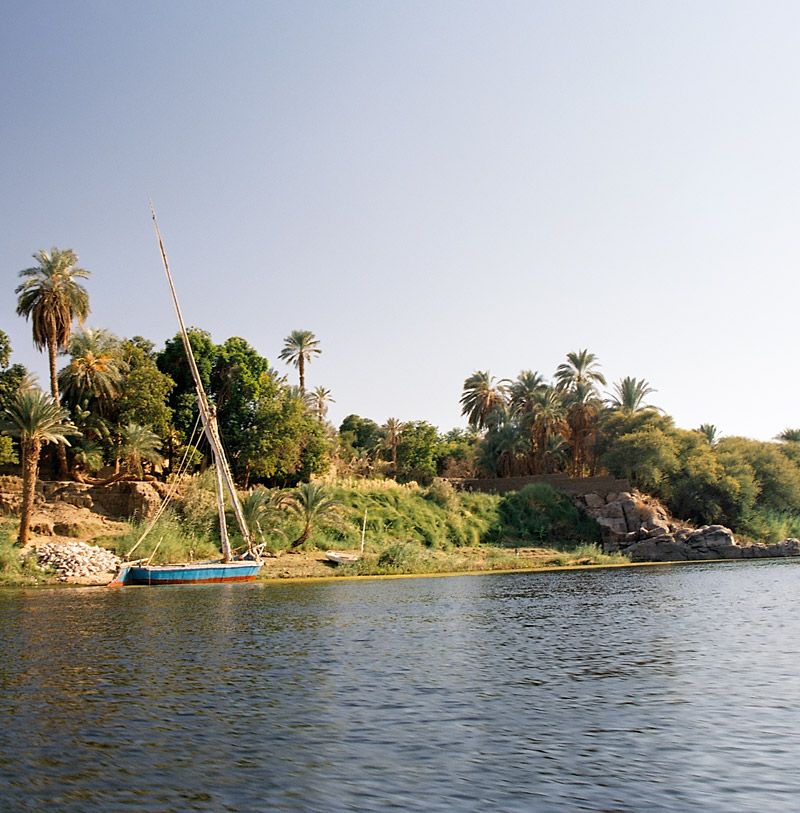
Take a felucca or motorboat from the Aswan Corniche to the west bank landing below the Aga Khan Mausoleum, then walk about 20–30 minutes up through the sand or hire a camel at the landing. The monastery's walls are visible on the ridge; enter through the main gate into the lower terrace with the church.