Islamic Ayla
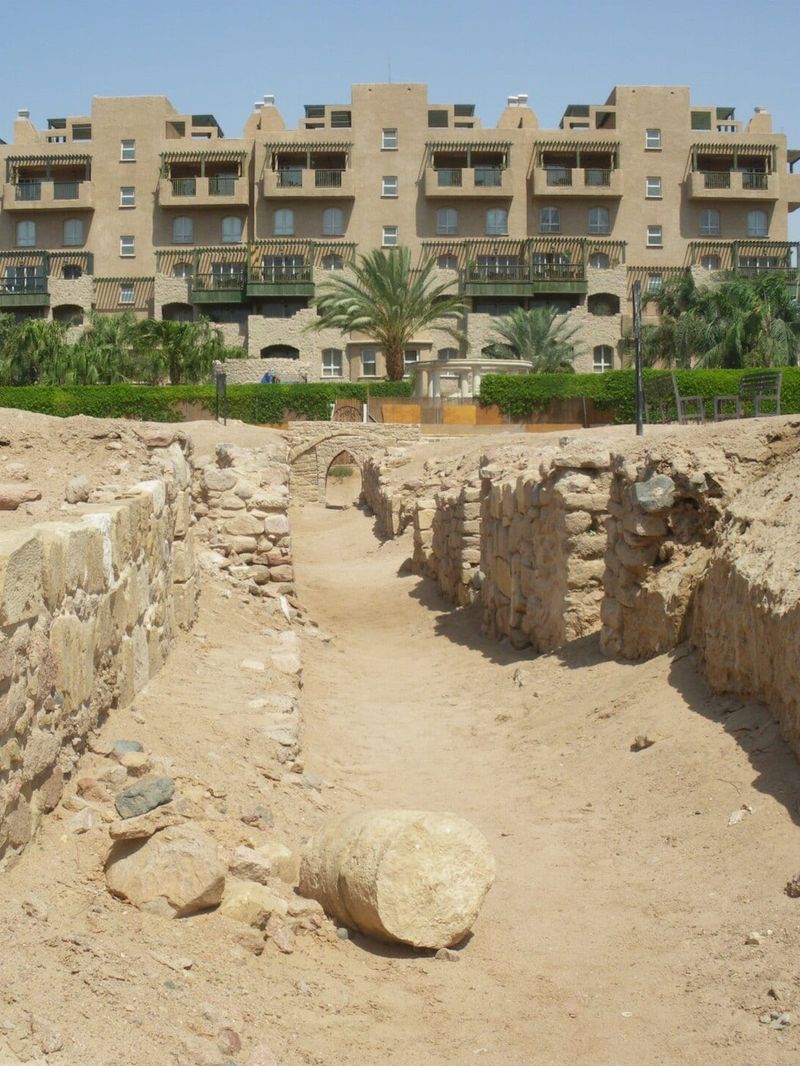
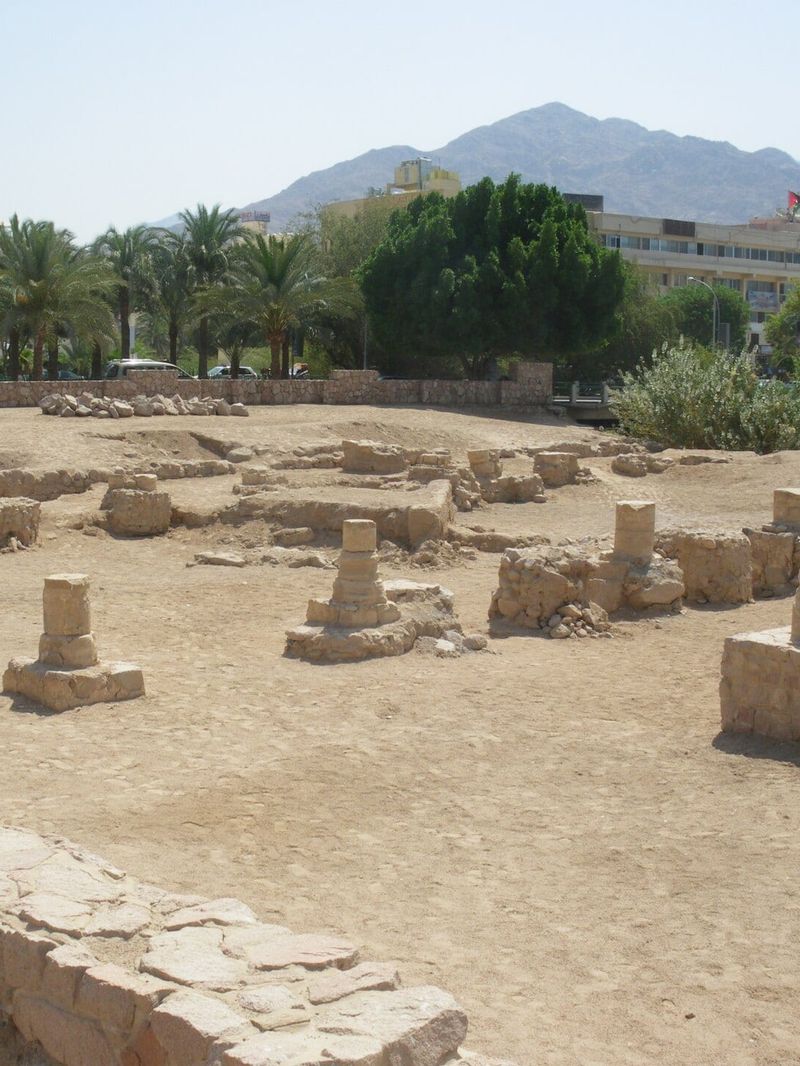
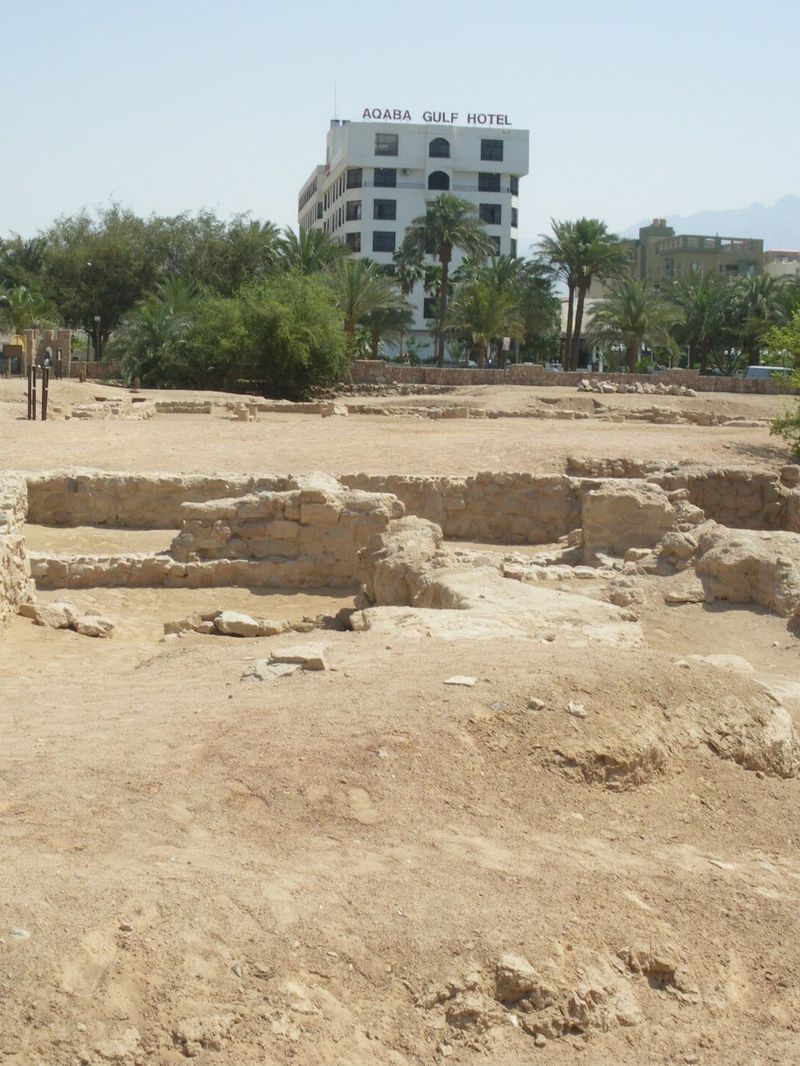
The walls and gates of an early Islamic port town of the seventh century, in the middle of modern Aqaba.
The town
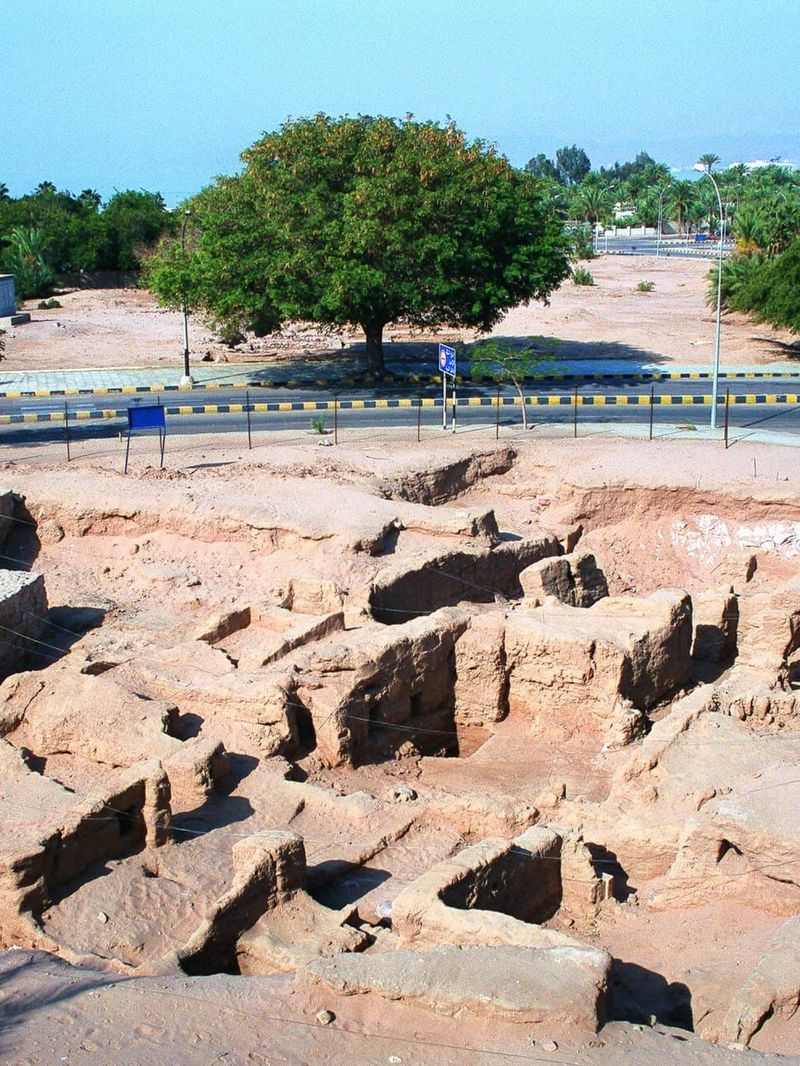
Ayla is the early Islamic town that came before modern Aqaba. It was laid out around 650, under the caliph Uthman, a few years after the Muslim conquest. Its excavated walls lie between the corniche and the seafront hotels, in the heart of the city.
The plan
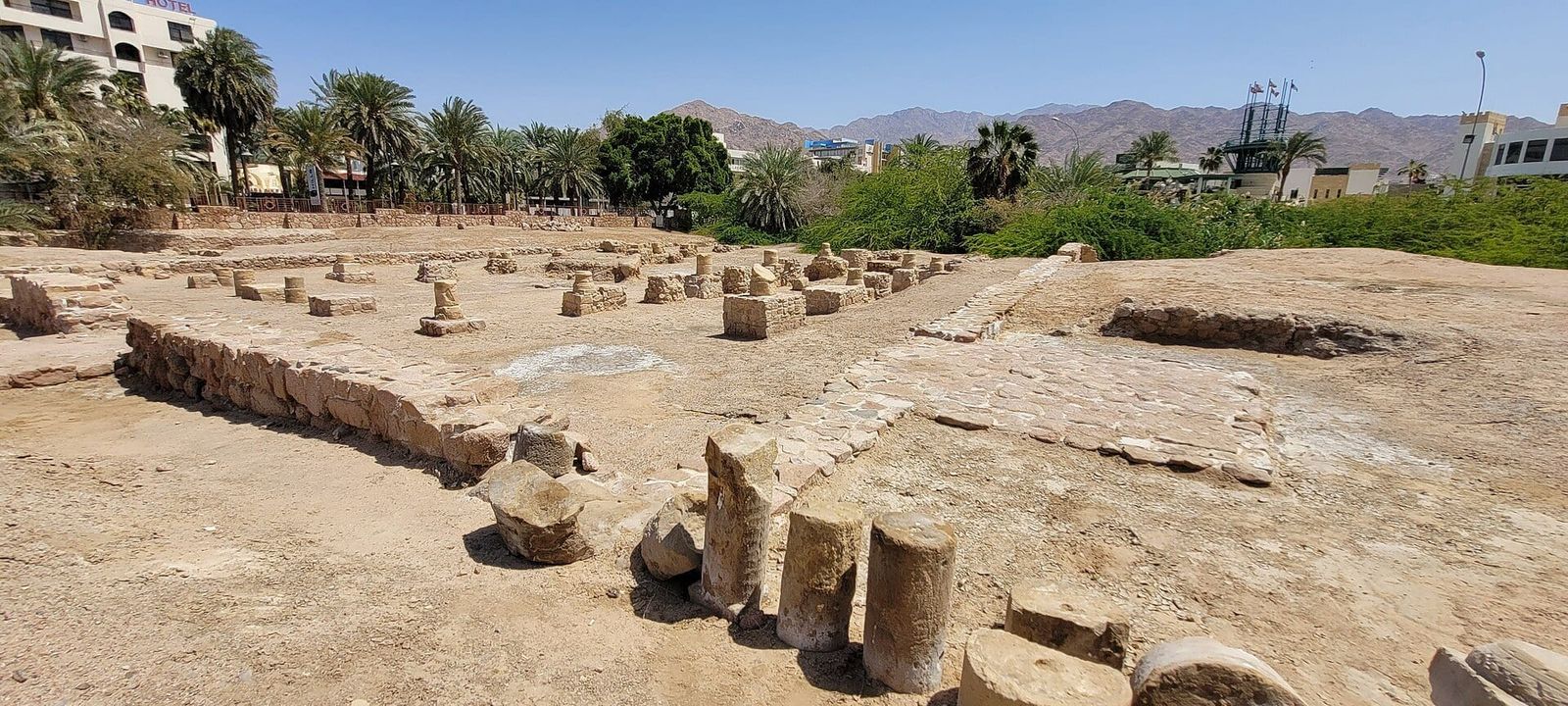
Ayla was a planned rectangular town of about 170 by 145 metres, enclosed by a stone wall with towers and four gates, one in the middle of each side. Two main streets ran from the gates and crossed in the centre, a plan that goes back to Roman military camps. Inside stood a congregational mosque, houses and a large pavilion-like building. The town was a port for the Red Sea trade and a station on the pilgrim road. Arab geographers mention it. It declined after earthquakes in the eleventh century and the arrival of the Crusaders.
Excavation
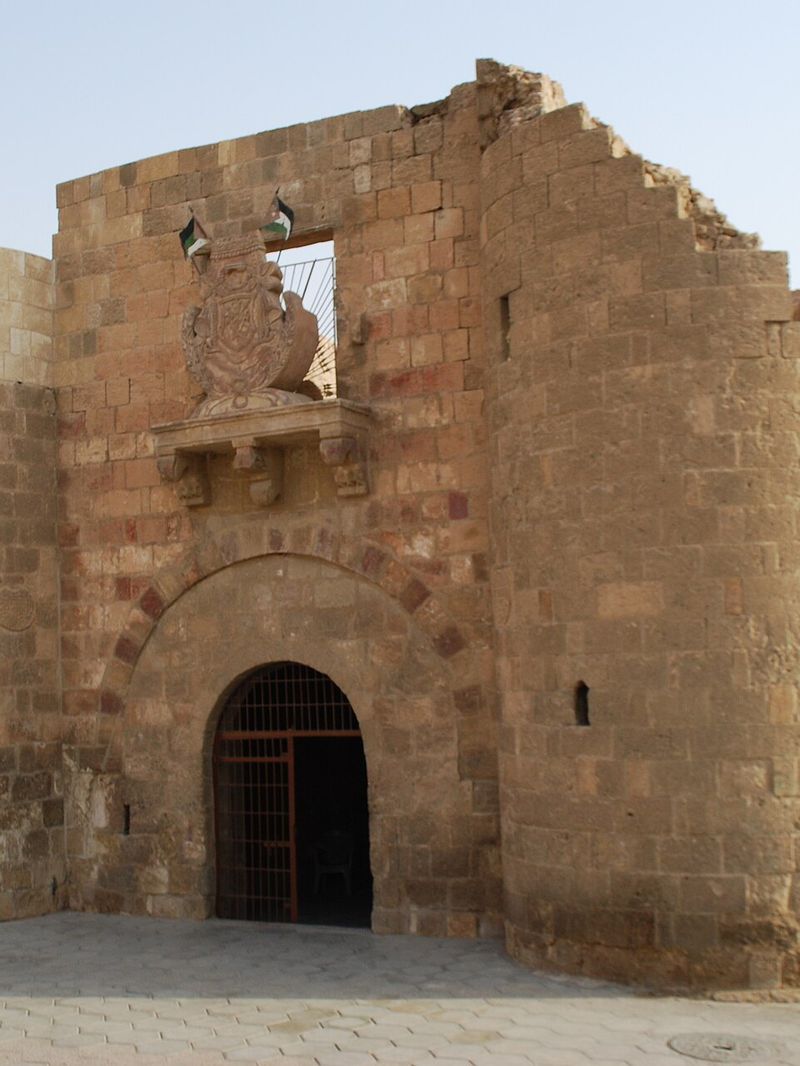
A team from the Oriental Institute of the University of Chicago, led by Donald Whitcomb, identified the site and excavated it from 1986. The best-preserved feature is the Egypt Gate on the west side. The ruins are open, with information panels. The Roman-era Aqaba Church and the Aqaba Fort are nearby.
Exhibo editorial
At first it is hard to believe that the low walls behind a car park are a city of the seventh century. Then you find the Egypt Gate and stand in it and the grid falls into place. Four gates, two streets, a mosque at the crossing: the template of the earliest Islamic towns, laid out within a generation of the Prophet.
Walk it in the evening. A port that traded with India and Egypt now sits quietly among the beach traffic, with almost nobody looking at it.
Gallery
How to find it
On the Aqaba seafront, along the corniche between the large seafront hotels and the city centre. The excavated walls are fenced, with open walkways. The Egypt Gate is on the west side, facing the sea.