Aqaba Fort (Mamluk Castle)
A Mamluk fort on the seafront that guarded the pilgrim road and fell to the Arab Revolt in 1917.
The fort
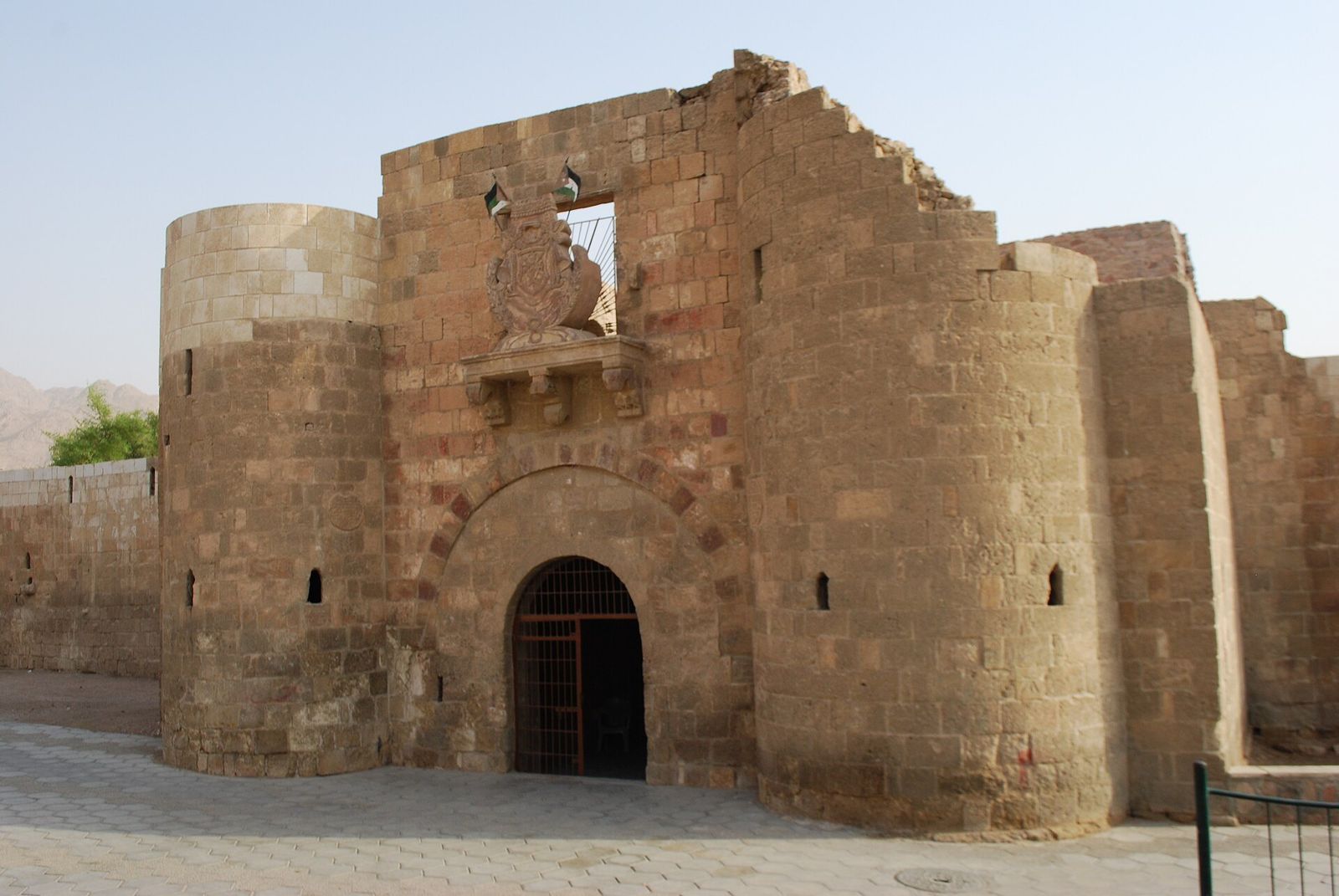
Aqaba Fort, also called the Mamluk Castle, stands near the seafront in the centre of Aqaba, Jordan's only port. It is the city's main historic monument and one of the last major works of the Mamluk sultanate before the Ottoman conquest.
History
The fort in its present form was built in the early sixteenth century under the Mamluk sultan al-Ashraf Qansuh al-Ghawri, whose name appears in an inscription at the entrance. It protected the pilgrim road from Egypt to Mecca and the travellers' station at Aqaba. It stands on the site of earlier Crusader and Ayyubid defences. The Ottomans repaired and garrisoned it after 1516. For centuries it served as a khan for pilgrims.
1917
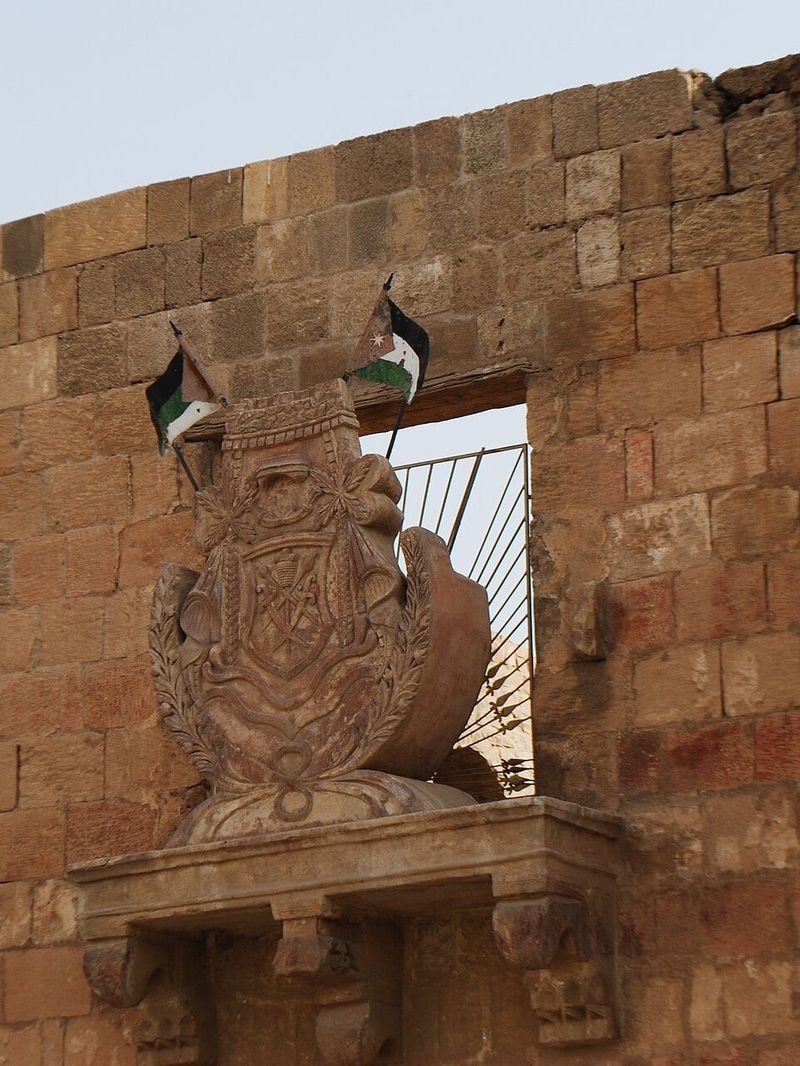
In July 1917 forces of the Arab Revolt, with T. E. Lawrence, took Aqaba from the Ottoman garrison after a surprise attack overland from the desert, a turning point of the campaign. The Hashemite coat of arms was later set above the gateway. In the square beside the fort stands one of the tallest flagpoles in the world, flying the flag of the Arab Revolt.
Visiting
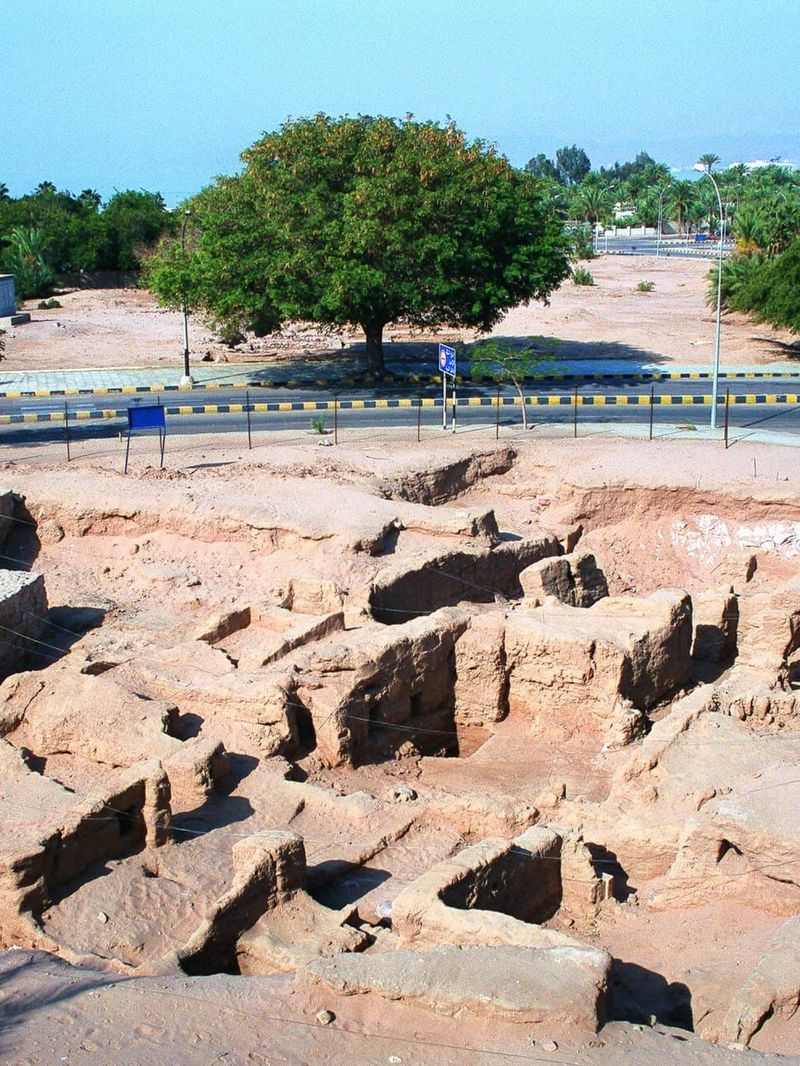
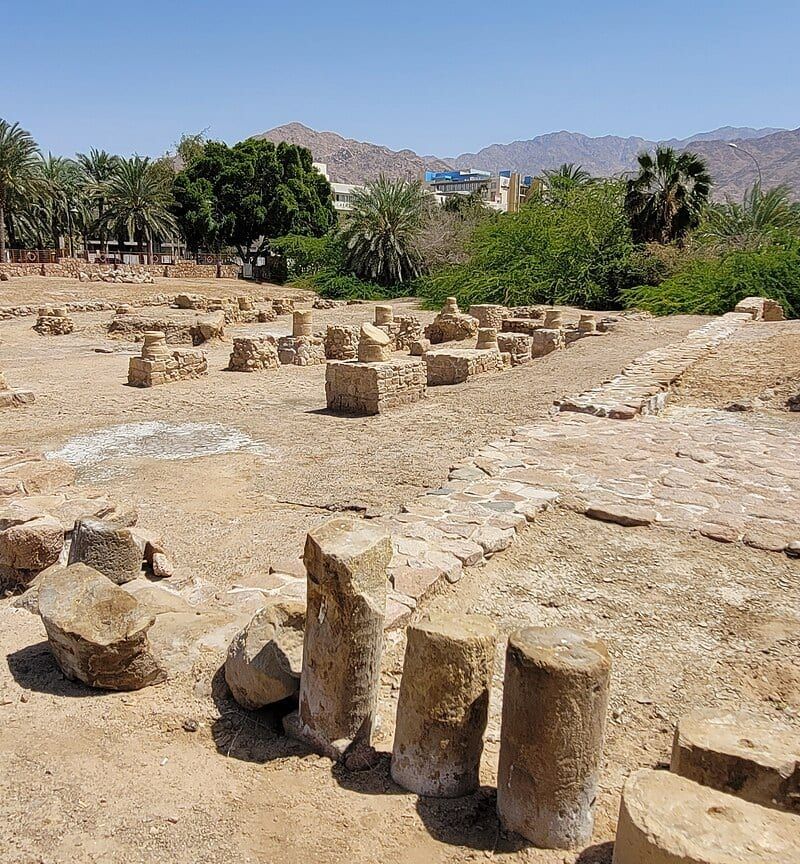
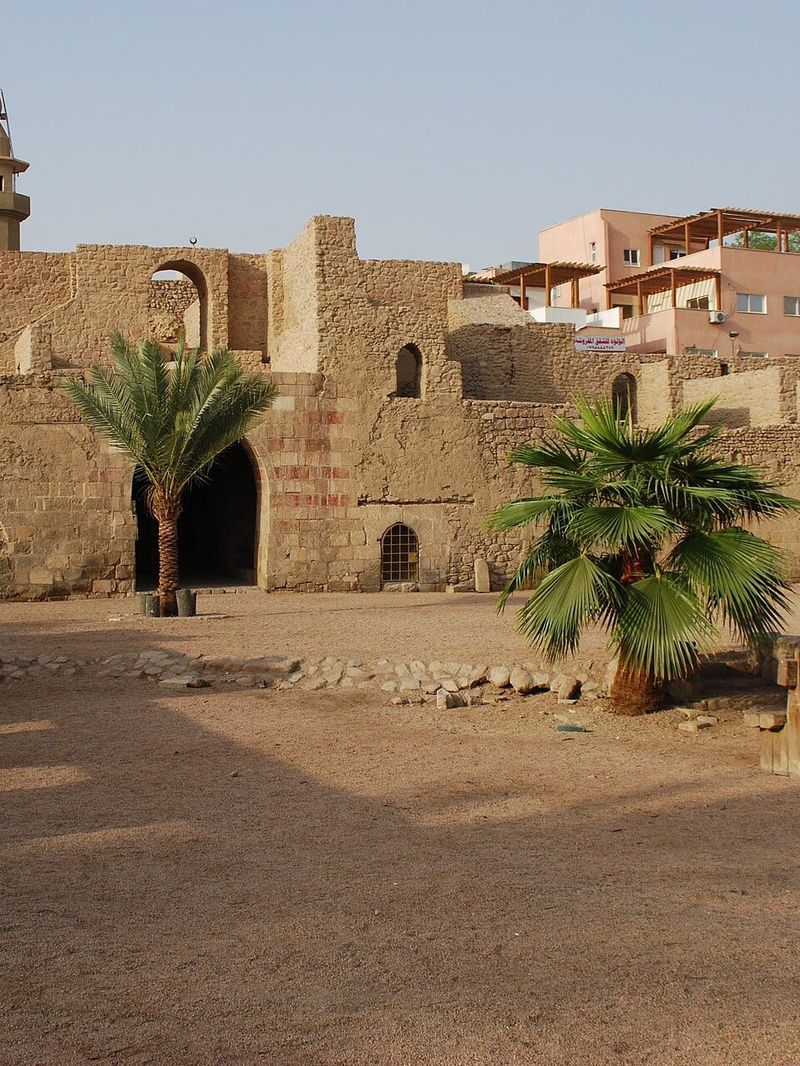
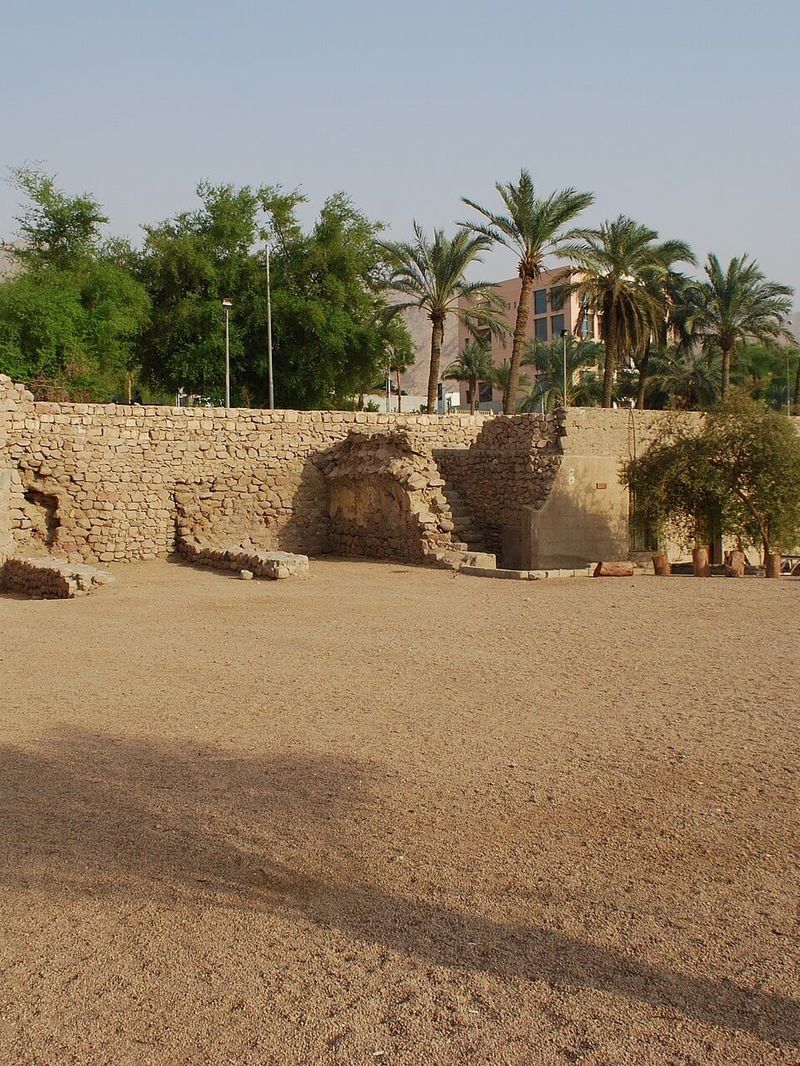
The fort has a gateway flanked by half-round towers, a central courtyard and rooms around it. It is visited together with the Aqaba Archaeological Museum next door, in the house of Sharif Hussein bin Ali. The early Islamic town of Ayla lies further along the corniche.
Exhibo editorial
Aqaba is a beach town that tends to forget it has a history. The fort is the place that remembers. From the corniche it is a short walk to its gate: palm trees, traffic, then a Mamluk doorway that guarded pilgrims on their way to Mecca.
Look across the water from the square. Egypt, Israel and Saudi Arabia are all in sight across one narrow gulf. The flag of the Arab Revolt flies over the exact place where that revolt reached the sea.
Gallery
How to find it
On the Aqaba seafront at the southern end of the corniche, beside the plaza of the Great Arab Revolt flagpole and next door to the Aqaba Archaeological Museum. Paid parking along King Hussein Street.