Aqaba Church
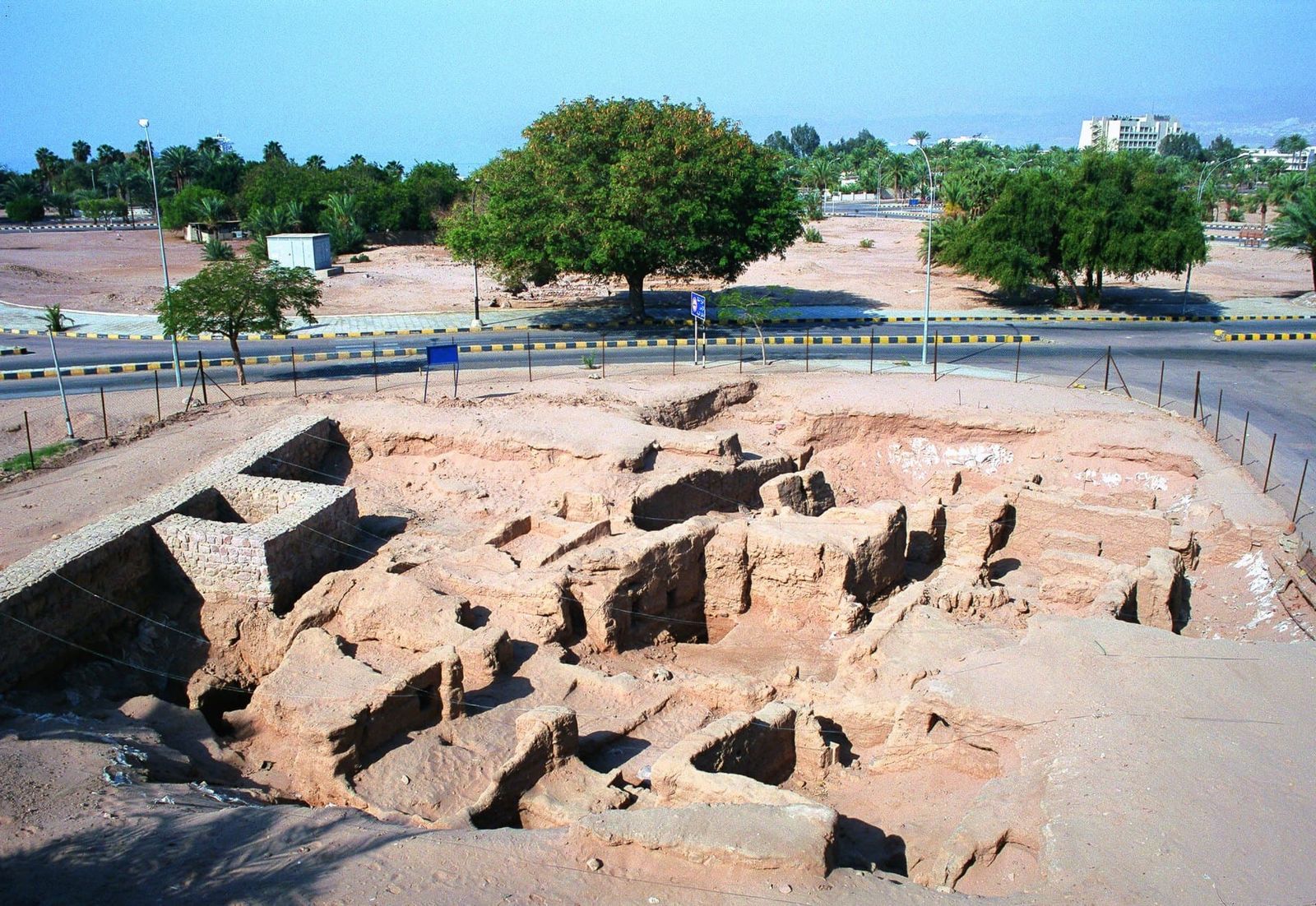
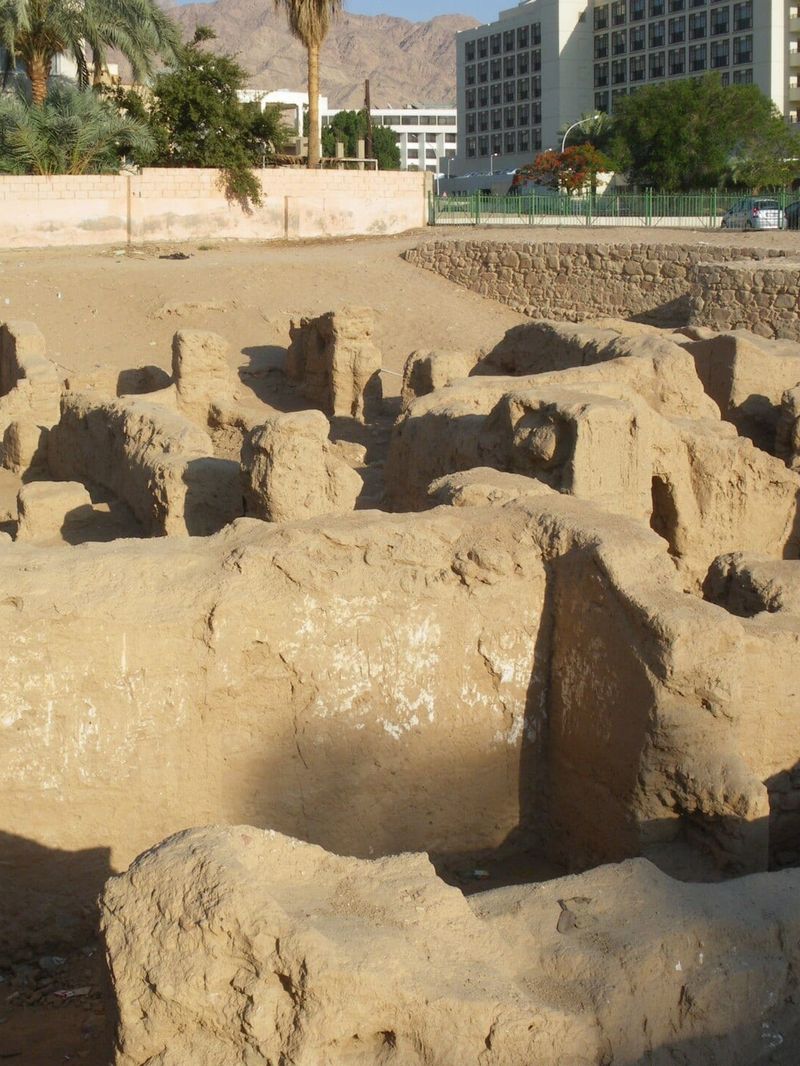
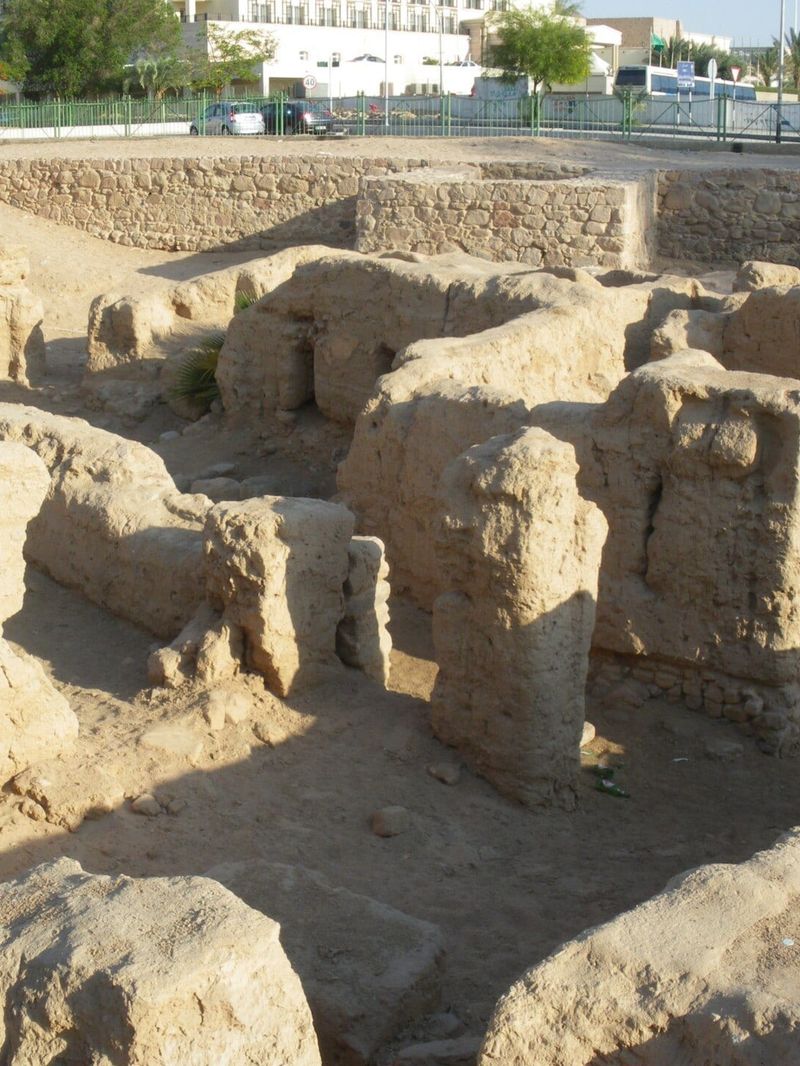
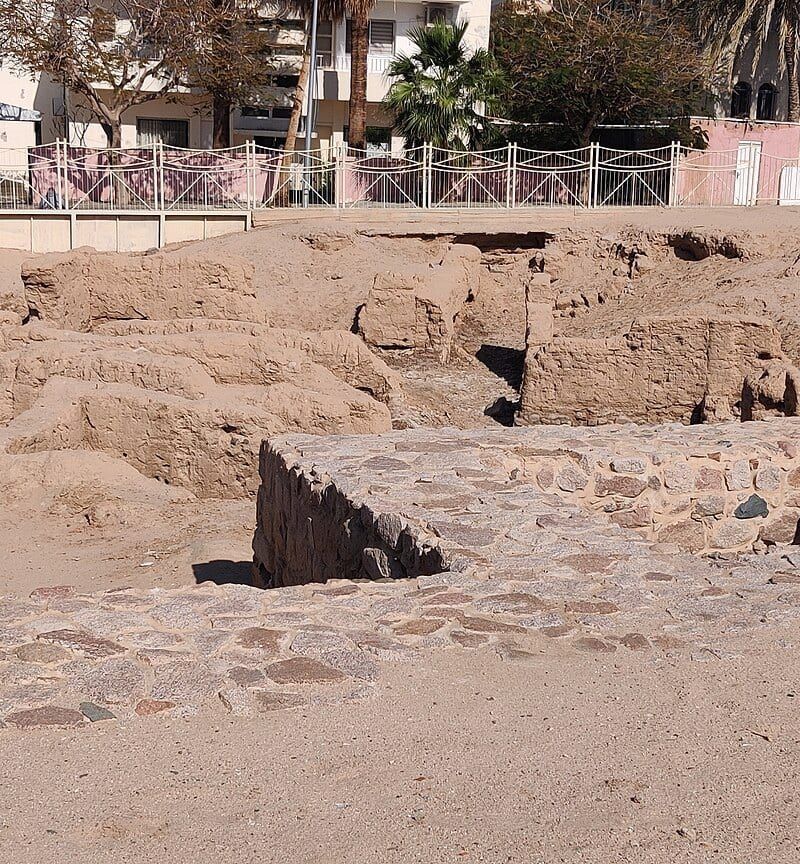
Mud-brick walls of what may be the oldest building raised as a church, in a Roman port before Constantine.
The church
The Aqaba Church is a mud-brick building a short walk inland from the seafront in Aqaba. Archaeologists identify it as a church built for the purpose in the late third or early fourth century, which may make it the oldest known building erected as a church.
Discovery
The Roman Aqaba Project, led by S. Thomas Parker of North Carolina State University, uncovered it in 1998. Coins and pottery date it to the end of the third century AD, before Constantine legalised Christianity in 313. The same evidence shows that it was destroyed by the earthquake of 363. The plan, an east-facing hall with a chancel, supports the identification. So does the cemetery beside it.
The site
Low mud-brick walls survive inside a protective fence. The church belonged to Aila, the Roman port that came before the Islamic town of Ayla.
Exhibo editorial
Nothing here looks old the way a temple or a castle looks old. It is a scatter of earthen walls in a residential street and you have to bring your imagination.
But the claim attached to it is enormous: a church built by a Christian community in a Roman port before the faith was even legal. Stand there with that in mind and the mud bricks begin to look less like ruins and more like nerve.
Gallery
How to find it
Near the seafront between the city centre and the Ayla ruins, a few minutes' walk inland from the corniche. Look for the fenced excavation with an information panel on the main road.