Directory listing — not yet managed by the museum. Spotted something wrong? Suggest an edit →

Petrie Museum of Egyptian and Sudanese Archaeology

Petrie Museum of Egyptian and Sudanese Archaeology

FitzroviaLondon

UCL's collection of more than 80,000 objects of Egyptian and Sudanese archaeology, from the Tarkhan Dress to Fayum portraits

About

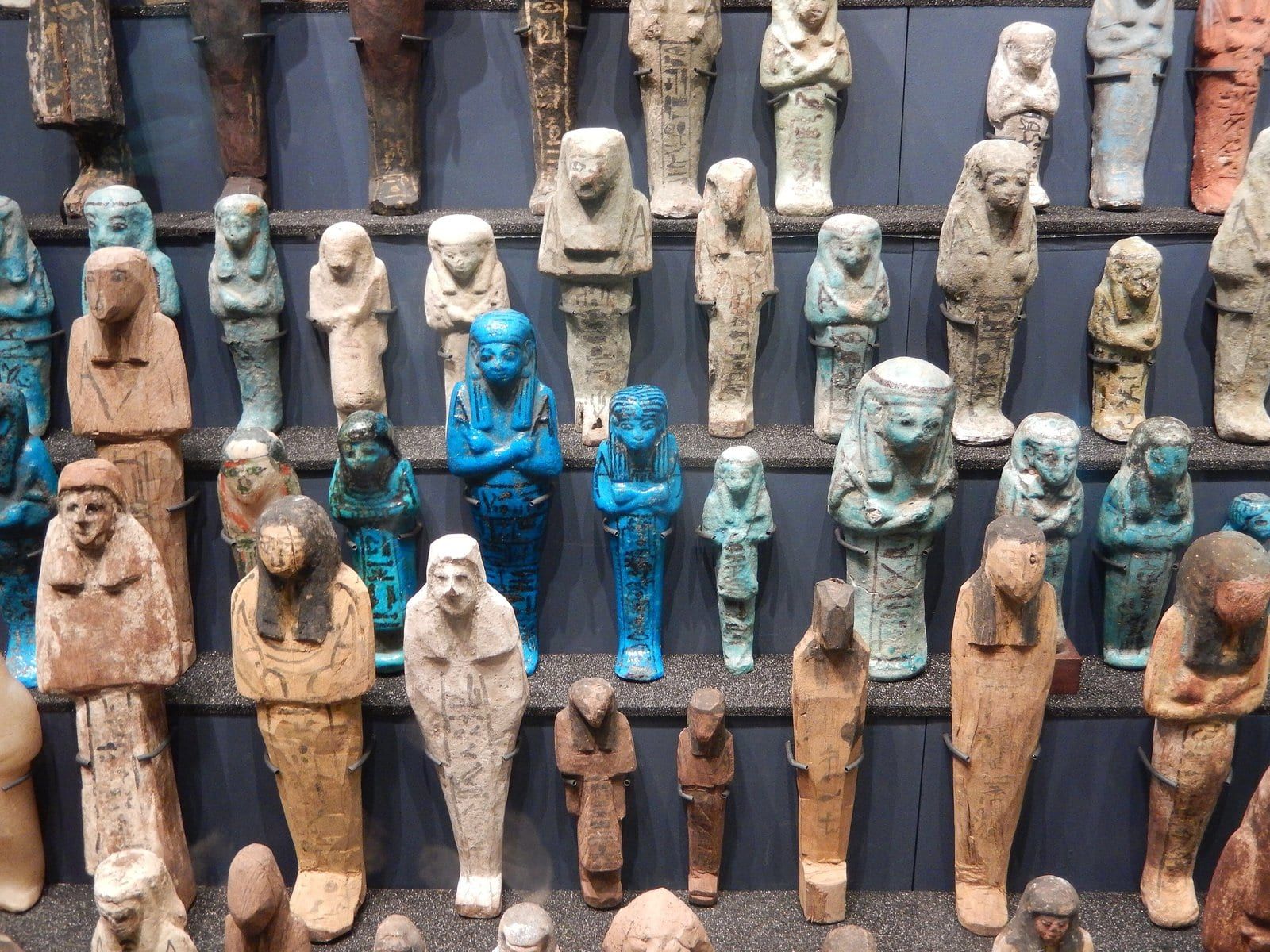
The Petrie Museum of Egyptian and Sudanese Archaeology belongs to University College London (UCL) and is one of the most important collections of Egyptian and Sudanese archaeology in the world. It holds more than 80,000 objects. It is a teaching and research collection as much as a public museum, housed in a UCL building on Malet Place in Bloomsbury. It began in 1892 with a bequest from the writer and traveller Amelia Edwards, a co-founder of the Egypt Exploration Fund. She left UCL her collection along with funds for the first chair of Egyptology in Britain. Its first holder was the archaeologist William Matthew Flinders Petrie. In 1913 UCL bought Petrie's own collection of finds from his excavations, which forms the core of the museum. Petrie kept what other diggers threw away: pottery sherds, beads, tools, scraps of textile and dried food. That makes the collection unusual. It shows the everyday life of the Nile Valley from prehistory to the Islamic period, not only its treasures. The best-known object is the Tarkhan Dress, one of the oldest surviving woven garments in the world. The museum also has painted mummy portraits from Hawara in the Fayum. There are also papyri from Lahun with some of the earliest known texts on medicine and mathematics. The museum is open Tuesday to Saturday from 13:00 to 17:00, last admission 16:45. Entry is free and no booking is needed.

Why this museum matters

Exhibo editorial

Look for the Tarkhan Dress. It is a linen shirt with pleated sleeves, found in a tomb south of Cairo and radiocarbon dated to the late fourth millennium BC. Someone wore it: the creases at the elbows are still there. Then find the Fayum portraits. They were painted on wood in Roman Egypt and placed over the faces of the dead. They look like people you might pass in the street today. The cases are old and crowded, so take your time. A small jar of dried dates and peach stones from Lahun says as much about life in Egypt almost four thousand years ago as any statue. Come in the afternoon: the museum opens at 13:00 and is closed on Sundays and Mondays.

Visit

Hours, tickets, and directions for Petrie Museum of Egyptian and Sudanese Archaeology.

Opening hours

Monday
Closed
Tuesday
13:00 – 17:00
Wednesday
13:00 – 17:00
Thursday
13:00 – 17:00
Friday
13:00 – 17:00
Saturday
13:00 – 17:00
Sunday
Closed

Tuesday to Saturday 13:00–17:00, last admission 16:45. Free entry, no booking required.