Directory listing — not yet managed by the museum. Spotted something wrong? Suggest an edit →

Bulaq Museum (Boulaq Museum)

Bulaq Museum (Boulaq Museum)

Downtown CairoCairo

Former national museum of Egyptian antiquities, 1863 to 1890 (closed)

About

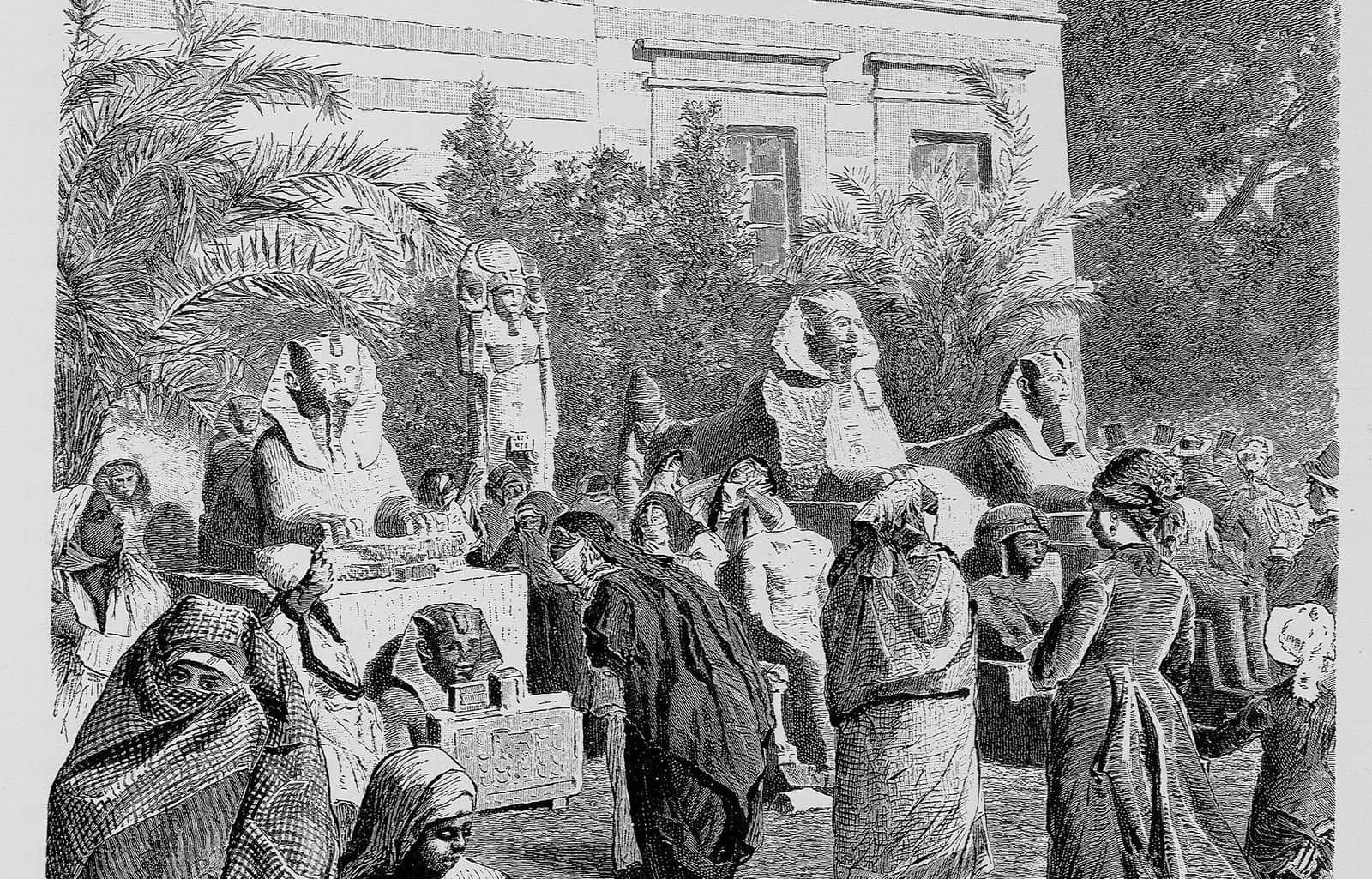
The Bulaq Museum, also spelled Boulaq, was the first national museum of Egyptian antiquities. It stood beside the Nile in Bulaq, the old river port of Cairo, from the 1860s until 1890. The museum no longer exists. Its collection became the core of the Egyptian Museum in Tahrir Square, so this is a historical entry with nothing to visit at the site today. The museum was the work of the French archaeologist Auguste Mariette. In 1858 Said Pasha created Egypt's first Antiquities Service and appointed Mariette as its director. Mariette wanted a museum at Giza. Instead he converted an existing building at Bulaq into a temporary home for the finds coming out of his excavations. Khedive Ismail opened the museum officially in 1863. Mariette sorted the galleries into five groups of monuments: religious, funerary, civil, historical, Graeco-Roman. In 1872 he published the Album du Musée de Boulaq, the first illustrated museum catalogue printed in Egypt, with forty photographic plates. The painted limestone statue of Nofret from Meidum and the wooden statue of Ka-aper from Saqqara were among the pieces shown at Bulaq. Both are still in the Egyptian Museum. From 1869 to 1874 a small school of Egyptology run by Ali Mubarak with the German Egyptologist Heinrich Brugsch worked near the museum. It was the first attempt to train Egyptians in the field. In 1878 an unusually high Nile flood reached the building. It damaged the galleries, destroyed some objects and ruined Mariette's own notes and drawings. Mariette died in January 1881. His successor Gaston Maspero rearranged the rooms; his Guide du visiteur au Musée de Boulaq of 1883 ran to 438 pages. By 1887 the museum was badly overcrowded. Khedive Tawfik gave one of his palaces at Giza. It opened as the antiquities museum in 1890 and Bulaq was left behind. In 1902 the collection moved again, into the purpose-built Egyptian Museum in Tahrir Square, which opened on 15 November 1902 with 36,000 objects. Mariette's tomb stands in the garden of that museum.

Why this museum matters

Exhibo editorial

Bulaq is the museum you visit by going somewhere else. Walk through the Egyptian Museum in Tahrir and a good part of what you see first stood here, in a riverside building at the edge of Cairo's old port. The detail I keep coming back to is the flood. In 1878 the Nile rose into the galleries. The stone statues came through. Mariette's paper did not: years of his notes and drawings were lost in the water. To see Bulaq as its visitors did, open its catalogues. The Album of 1872 and Maspero's guide of 1883 have been digitised by Rice University, so you can walk the rooms page by page. Then go to Tahrir and find Nofret from Meidum, one of Bulaq's stars, still looking out with her inlaid eyes. Before you leave, stop at Mariette's tomb in the museum garden. The man who founded the first museum is buried at the third.

Visit

Hours, tickets, and directions for Bulaq Museum (Boulaq Museum).

Address

Bulaq, Cairo (former site)

Opening hours

Monday
Closed
Tuesday
Closed
Wednesday
Closed
Thursday
Closed
Friday
Closed
Saturday
Closed
Sunday
Closed

Permanently closed. The museum moved to a palace in Giza in 1890; its collection is now in the Egyptian Museum, Tahrir Square.