Arabesque Art Gallery — gallery cover

AdliyaManama

Arabesque Art Gallery

Curatorial Ethos

Watercolours and oils of old Bahrain by Wahab Al Kooheji, antique prints and maps of the Middle East and framing, in Adliya since 1975.

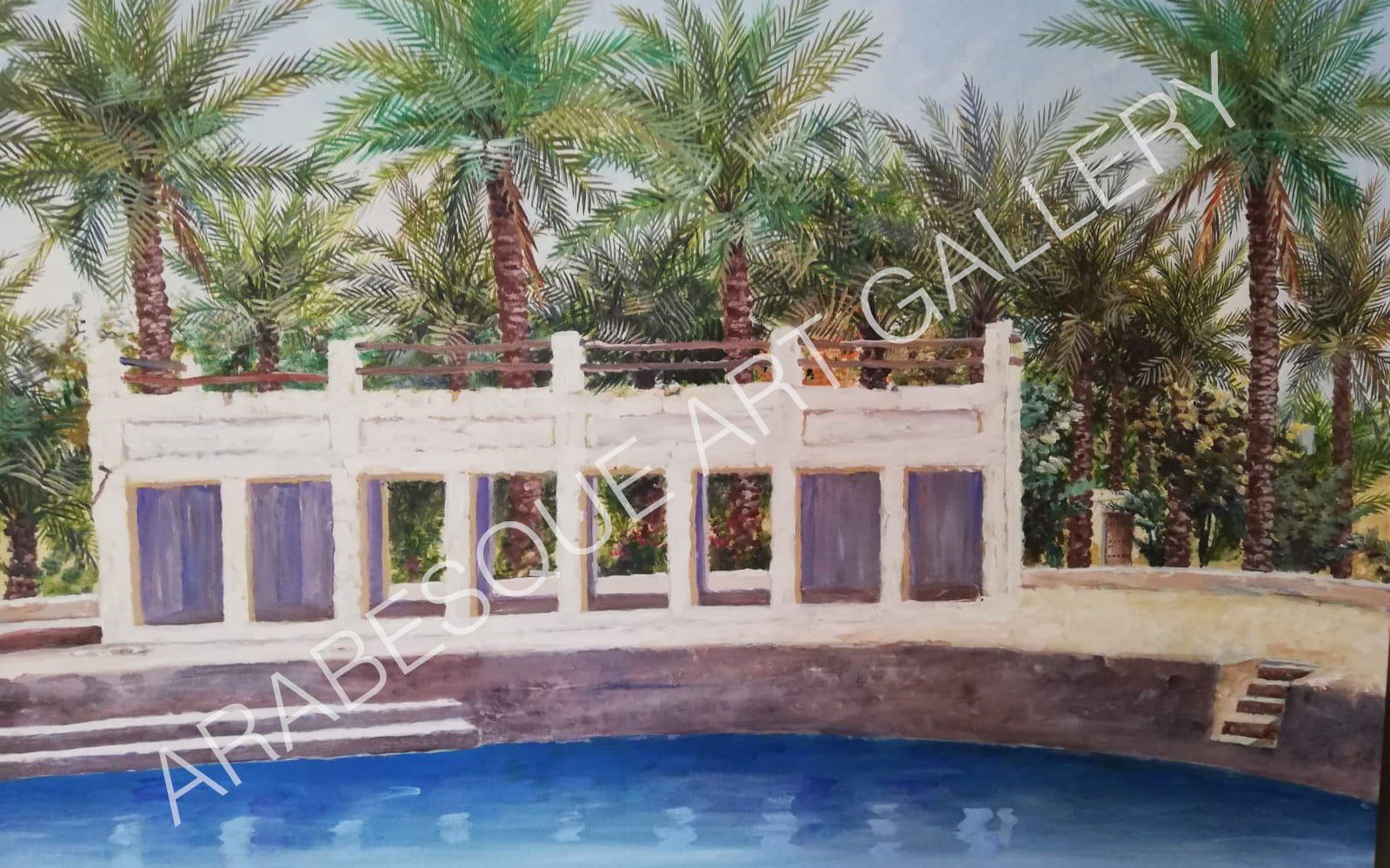
Arabesque Art Gallery is a private gallery in a quiet corner of Adliya, Manama. It opened in 1975 and has been trading for half a century. The gallery is built around the work of its owner, the Bahraini painter Wahab Al Kooheji. Al Kooheji paints in oils and watercolour, mostly the old architecture and street life of the Gulf. Recent titles read like a map of the island: the Adhari spring, Riffa Fort, a street in Muharraq, dhows at sunrise, date gardens at Jasra and the view towards Manama. Arabesque also deals in antique prints of the Middle East. According to the gallery, its stock centres on the nineteenth century lithographs of David Roberts, old maps of Arabia and the chromolithographs of Émile Prisse d'Avennes. Silkscreens and prints of Al Kooheji's own paintings sit alongside them. The gallery also runs a picture framing service for private and corporate clients.

Why this gallery matters

Exhibo editorial

Arabesque opened in 1975, more than twenty years before Albareh and Al Riwaq. It still feels like a painter's shop rather than a white cube. Wahab Al Kooheji paints the courtyards, palm groves and wind towers of old Bahrain with a collector's patience. Come for the watercolours, stay for the old maps of Arabia.

Visit

Hours, directions, and direct contact. For programme or press enquiries, use the contact form below.

Address

Villa 182, Road 3703, Block 337, Adliya, Manama, Bahrain

News by Exhibo

Editorial coverage on Exhibo

All articles →
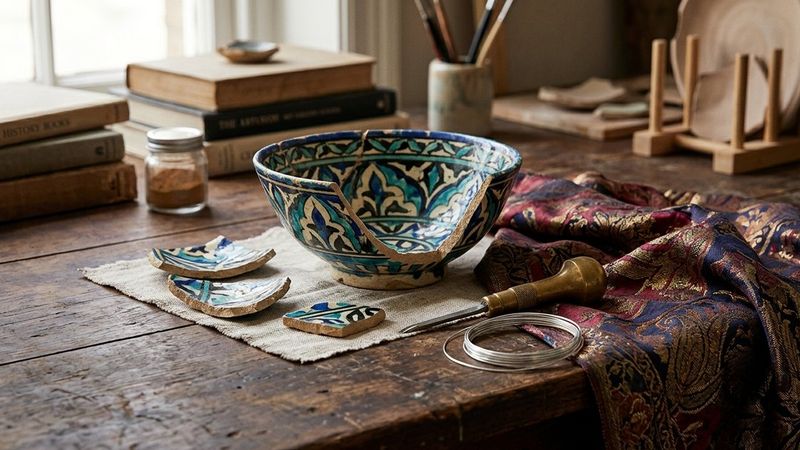
Workshop still life with Islamic ceramic bowl shards in cobalt and turquoise glaze, brass inlay tools and silk thread on a wooden bench in warm sidelight
Guide

Islamic Decorative Arts: Ceramics, Metalwork, Glass and Textiles

From Kashan luster bowls to Mamluk mosque lamps and Safavid silks: a museum survey of four luxury media with named works in London, New York and Doha

Islamic decorative arts are the portable luxury crafts of Muslim-ruled lands: pottery and tile, inlaid brass, enamelled glass, woven silk and knotted carpet. This survey follows workshop conditions, techniques and trade from Abbasid Iraq to Ottoman Istanbul, with four close readings and a media comparison table, while Iznik depth, arabesque theory and building programmes sit in sibling articles on the series hub.
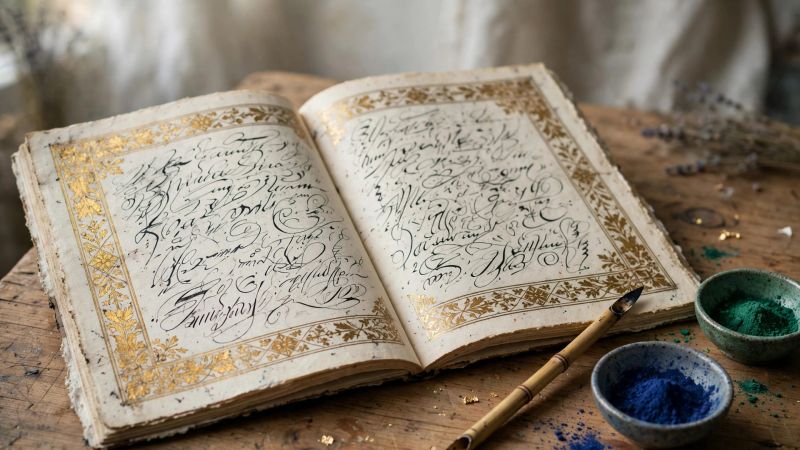
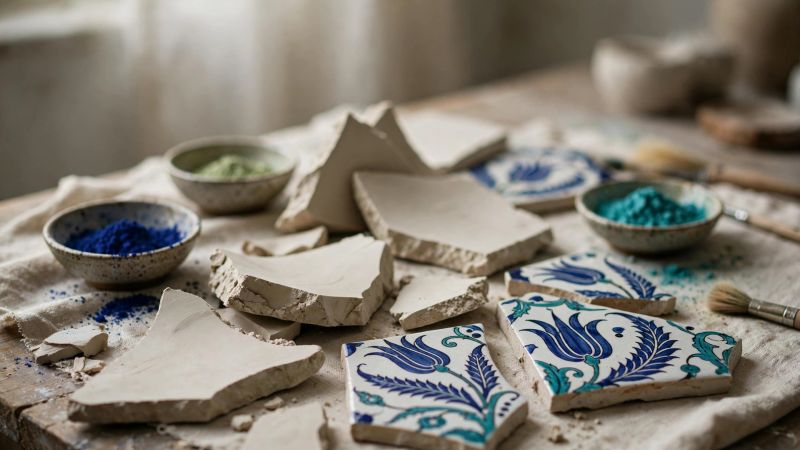
Iznik-style ceramic tile workshop atmosphere with cobalt and turquoise glazed fragments and saz leaf motifs in warm studio light, no readable inscriptions.
Guide

Ottoman Art and the Court Workshop

Court workshops, Iznik tiles, metalwork, textiles and imperial architecture from Bursa to Topkapı, with named museum works

Ottoman art names the luxury objects, tiles, metalwork, textiles and architectural programmes made under sultans from the fourteenth century to the early twentieth. The Ehl-i Hiref court corps and the nakkashane design office coordinated makers in Istanbul, Iznik and Bursa. This survey stays with workshop organisation and decorative media; miniature painting and manuscripts sit in sibling guides.