
Tunis · 30/05/2026
Interaction
Group show
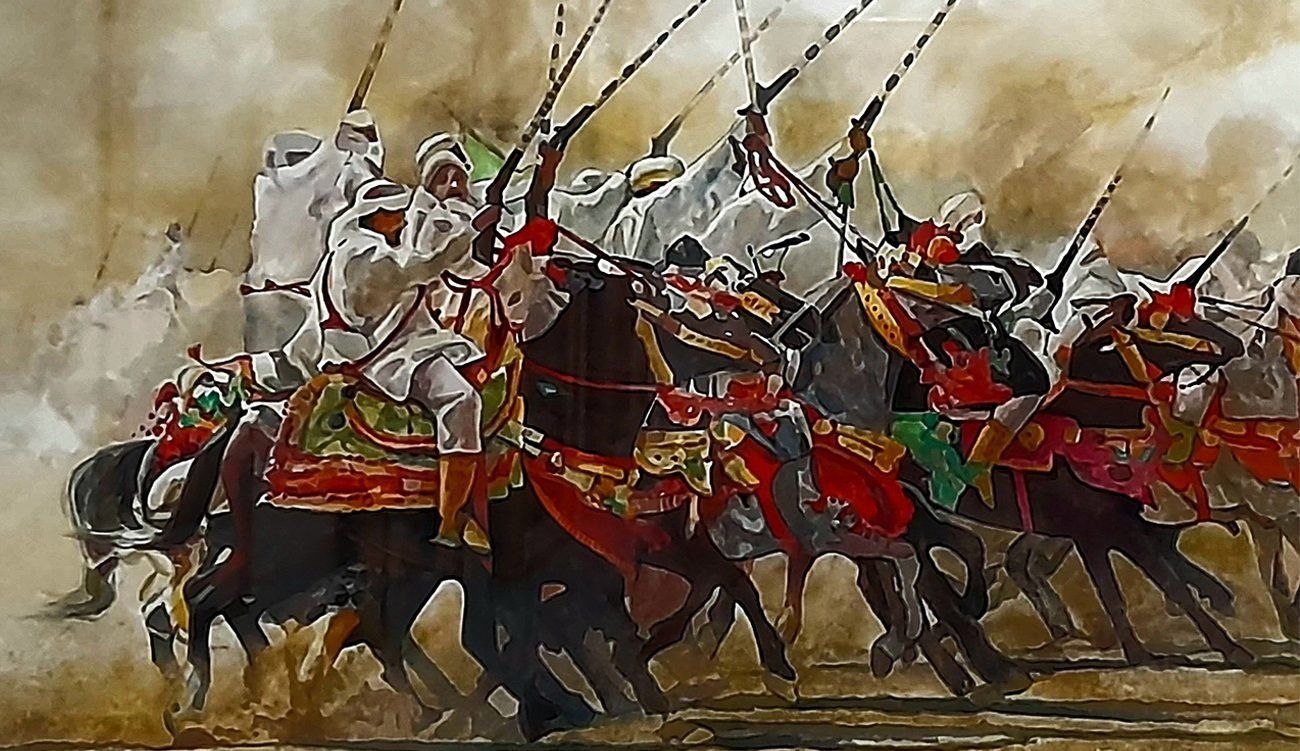
«Interaction» brought together five painters of the 1980s generation of the École des Beaux-Arts de Tunis, Khaled Lasram, Fadhel Ghedira, Abdelmajid Ayed, Ali Fakhet and Abdelhamid Sakli, with two younger artists, Alia Ksouri and Walid Chagway. Their shared tool was the module: a repeated motif drawn from Tunisian jewellery, weaving, tapestry and calligraphy. Lasram showed four geometric oils. Sakli brought his «Mergoums», inspired by Gafsa blankets and Matmata kilims. Ghedira painted cubist scenes of daily life. Ali Fakhet's «La barque abandonnée» turned to the boats of irregular migration.
News by Exhibo
Editorial coverage on Exhibo
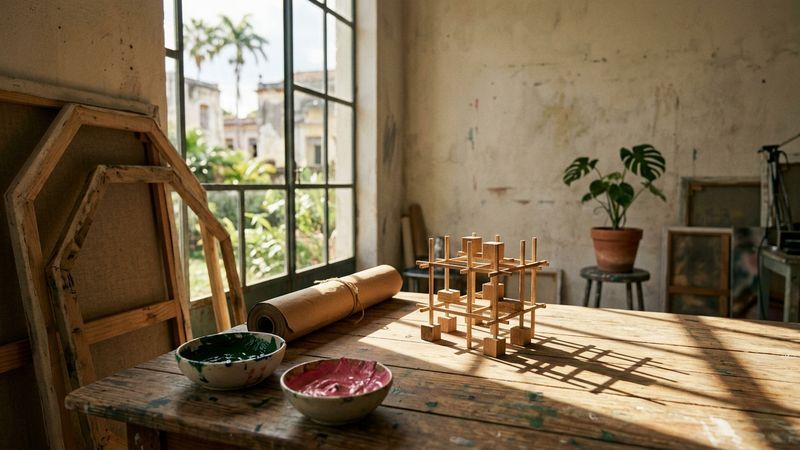
Latin American Modernism
From São Paulo’s 1922 Week and Antropofagia to Torres-García, Madí, Lam and neo-concrete colour: modernisms south of the US border
Latin American modernism is a cluster of twentieth-century programmes, not one school. This guide maps Brazilian Antropofagia, Río de la Plata constructivism, Caribbean Afro-Atlantic painting and later concrete and kinetic work, with named museum holdings and a visit chronology.
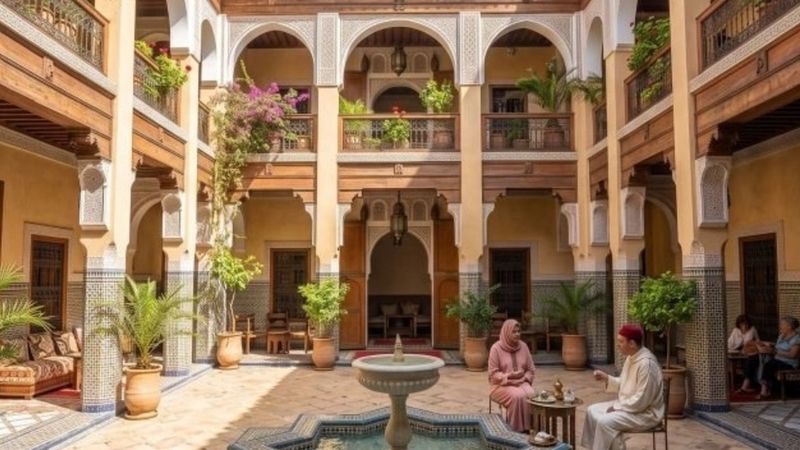
Why North African Cities Turn Inward: The Story of the Courtyard
A courtyard plan far older than Islam turned North African houses — and the medinas built from them — to face inward. Climate and religion only half-explain why, and what finally displaced the courtyard says the rest.
The blank walls and inward courtyards of Fez, Tunis, Algiers and Cairo are usually explained by heat or religion. Both are true; neither is the whole story. The clue is in what eventually pushed the courtyard out of the modern city.