New York · 08/09/2026
Margot Bergman: On the other hand
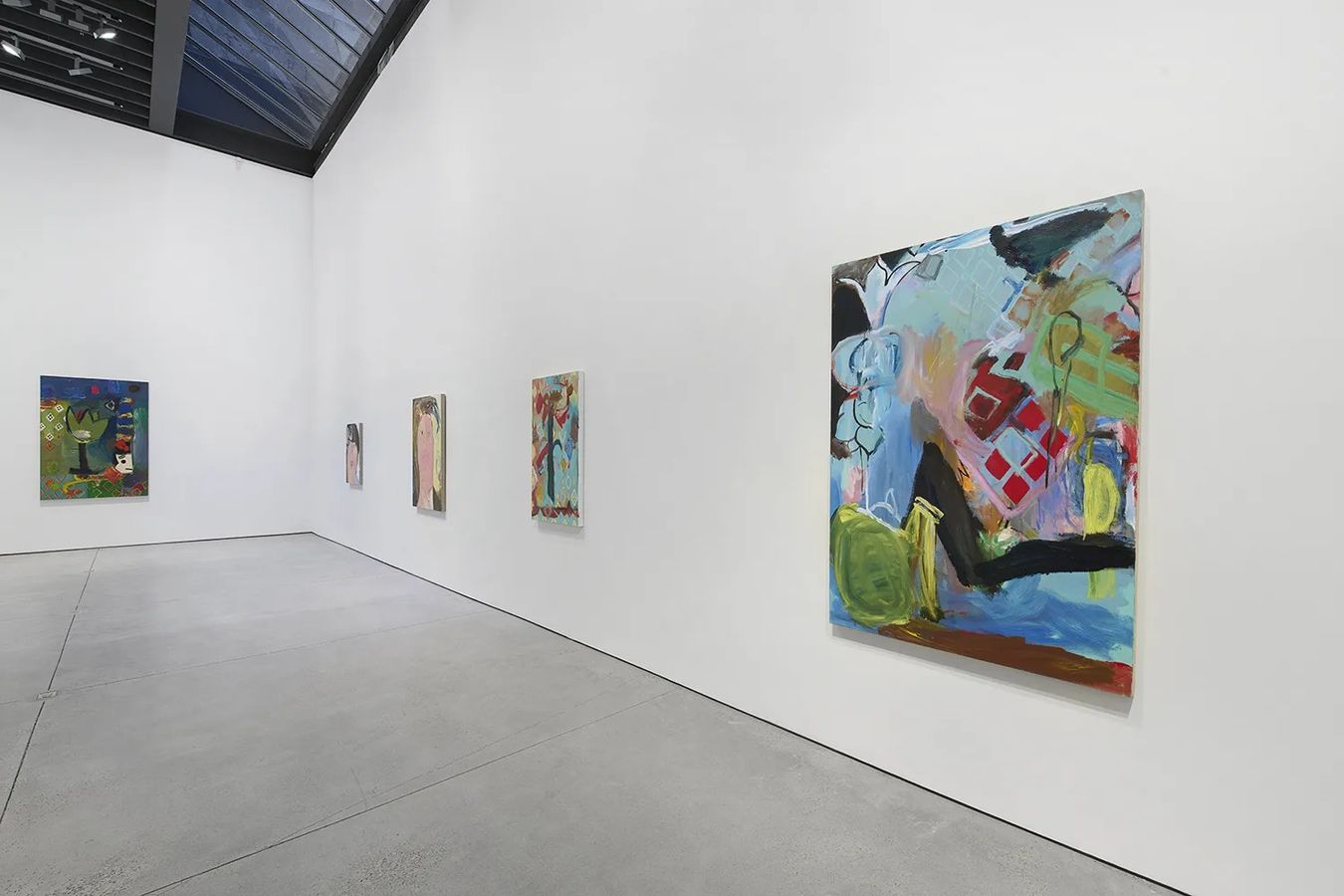
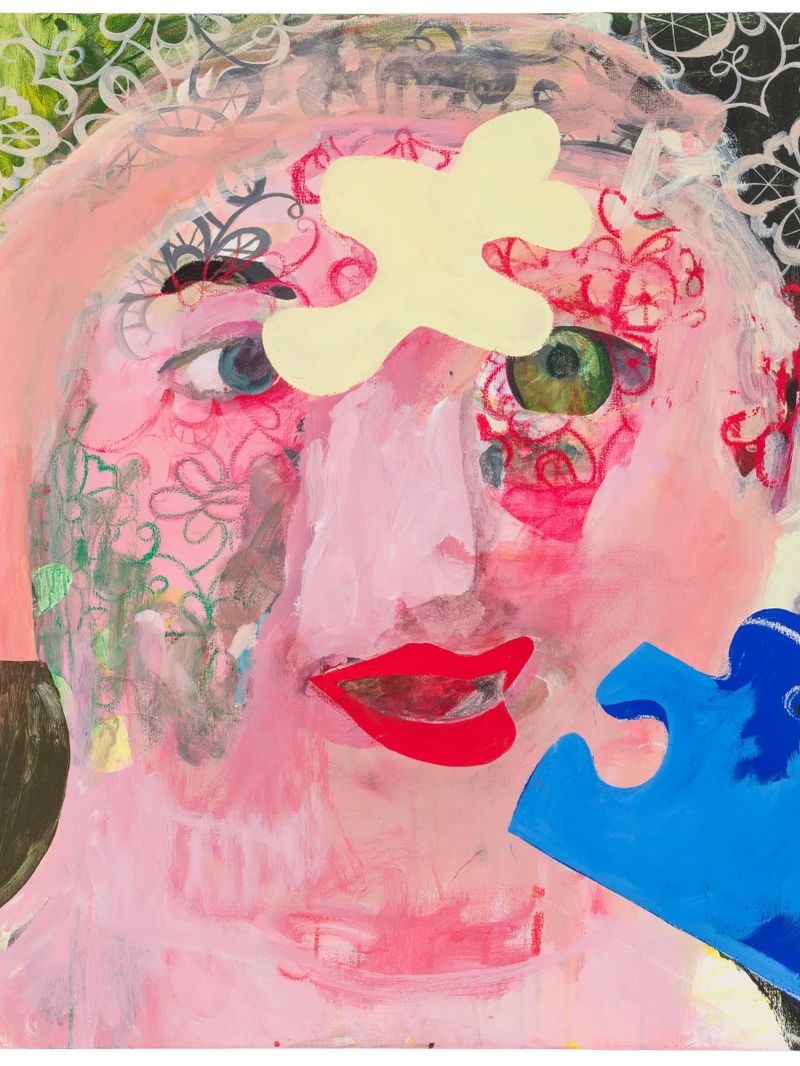
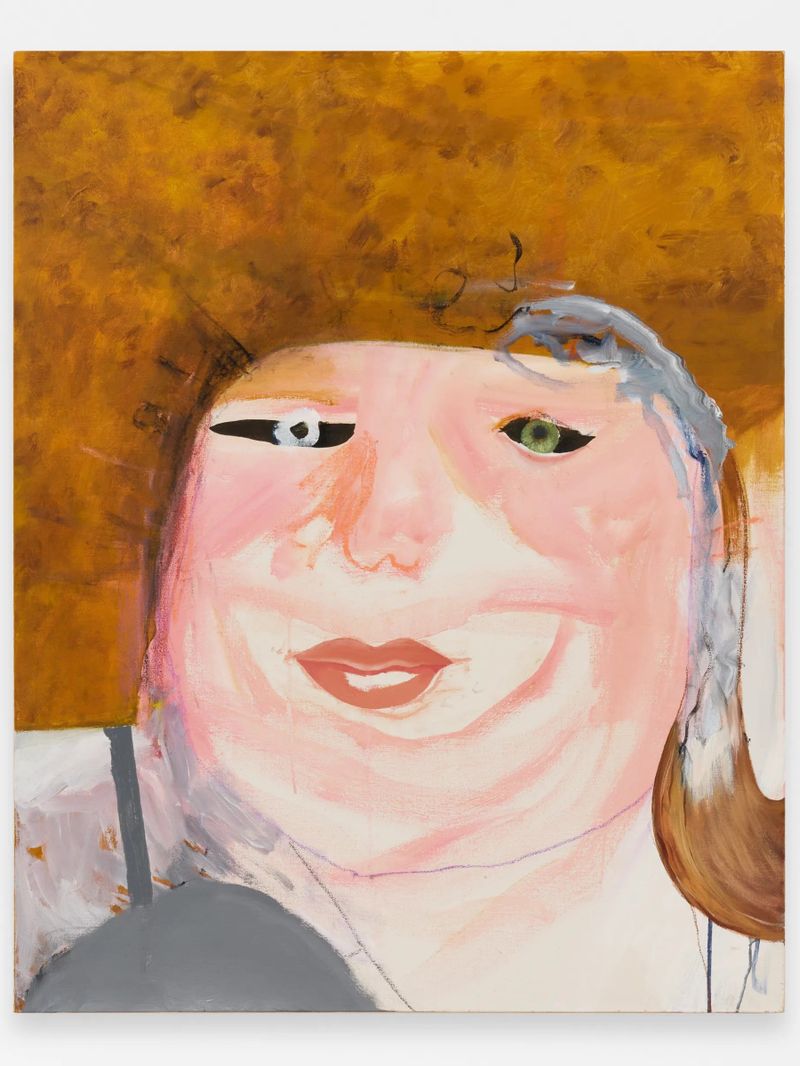
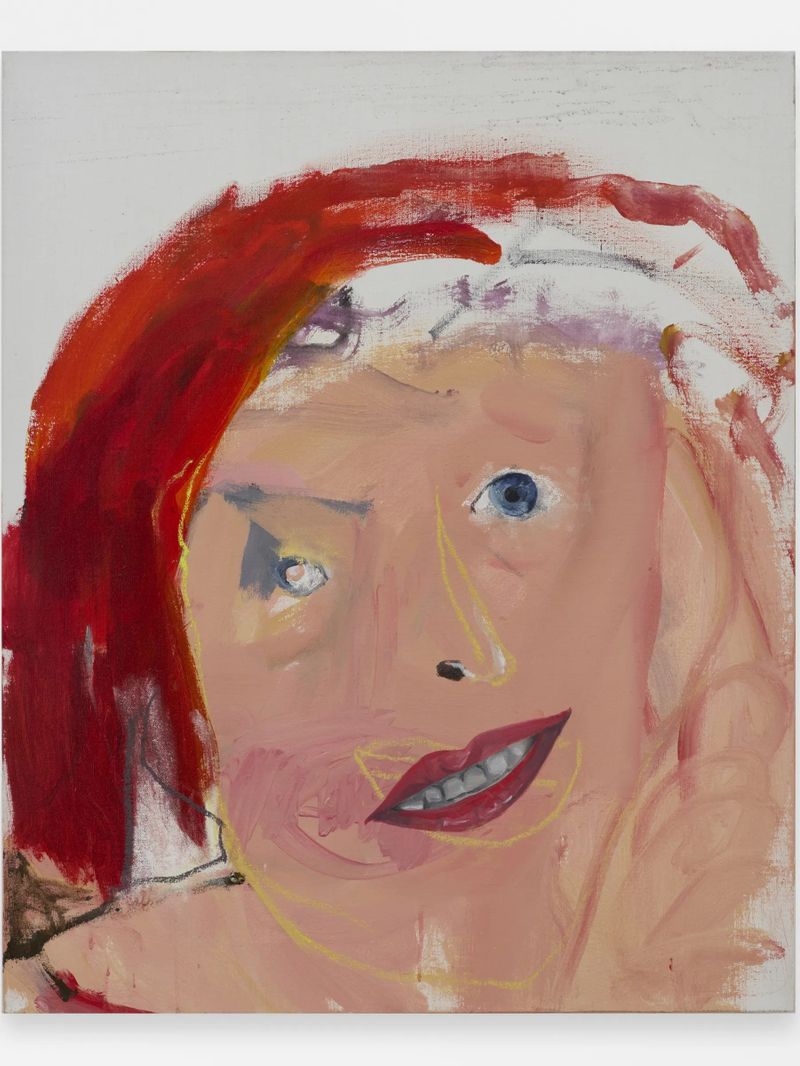
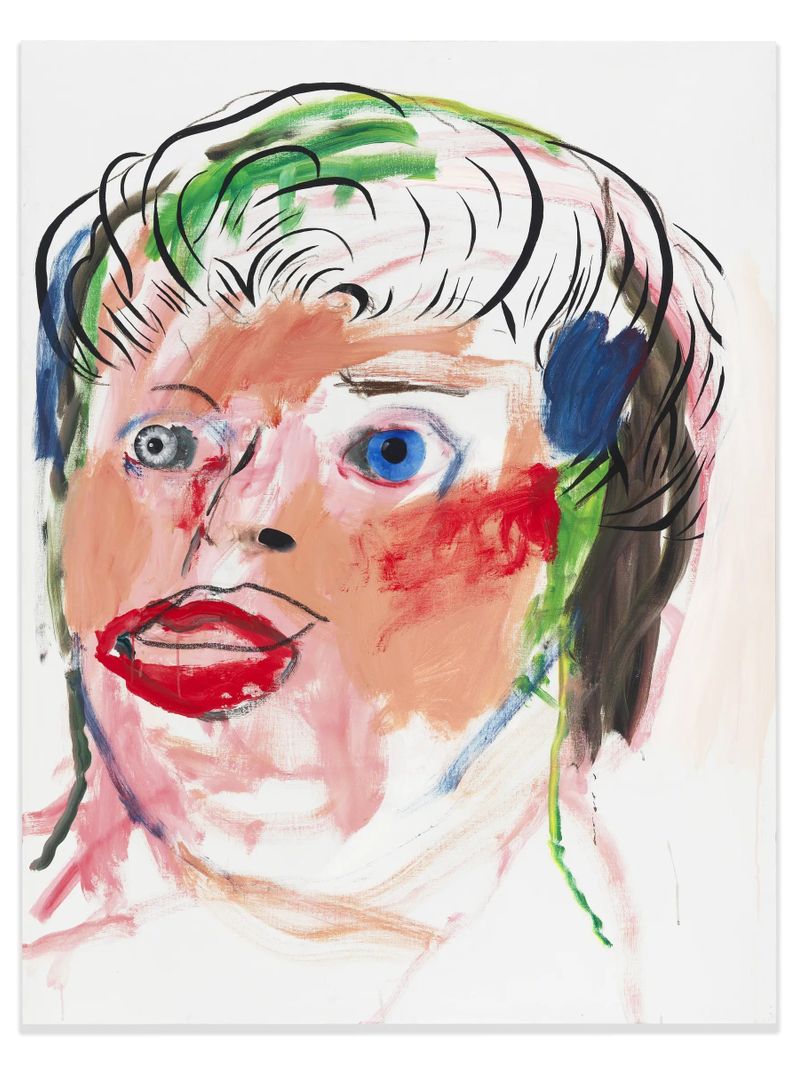
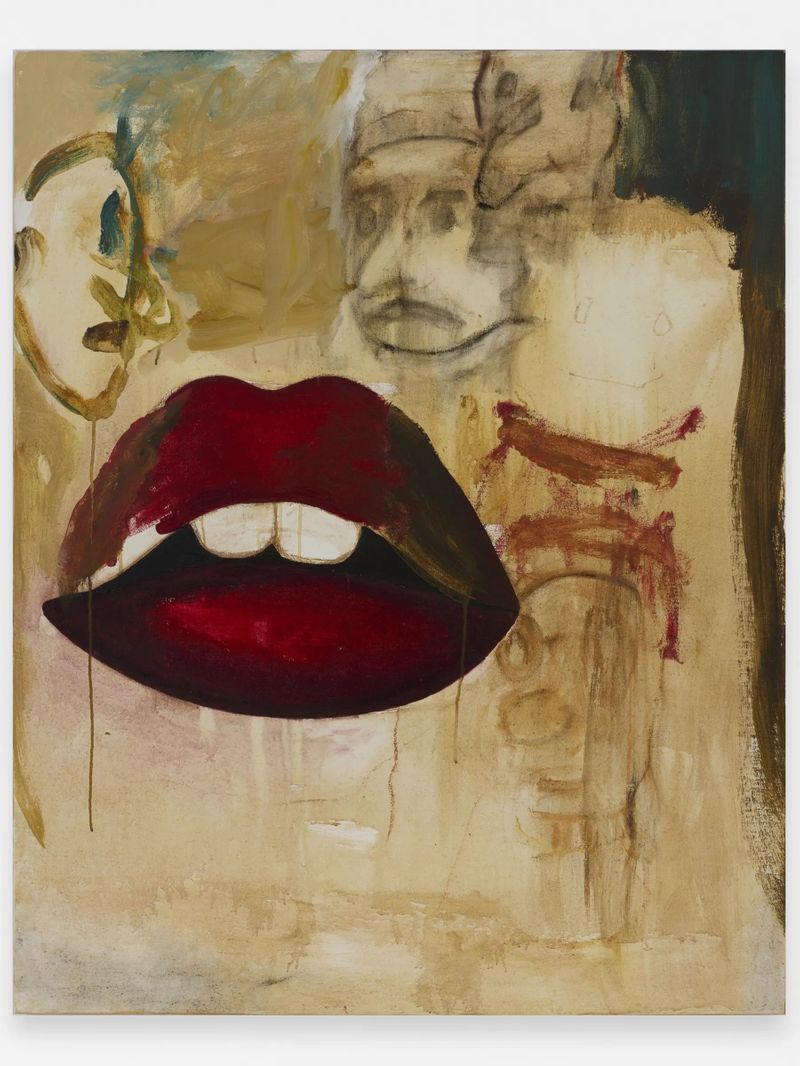
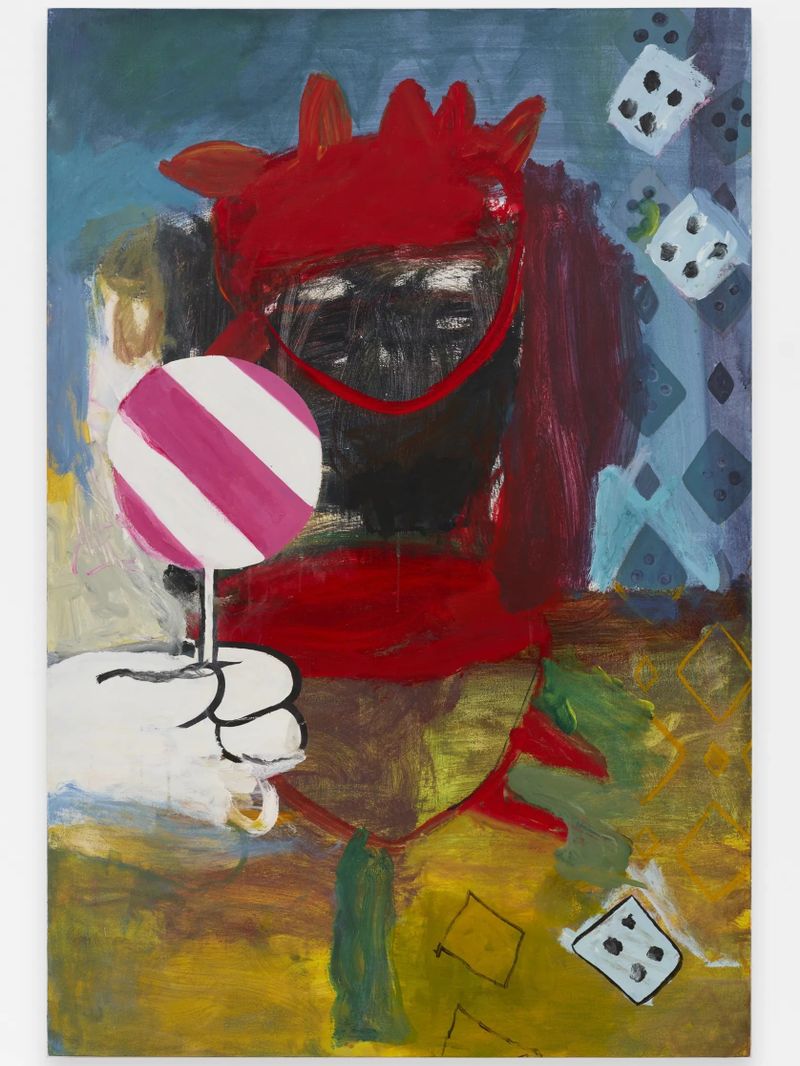
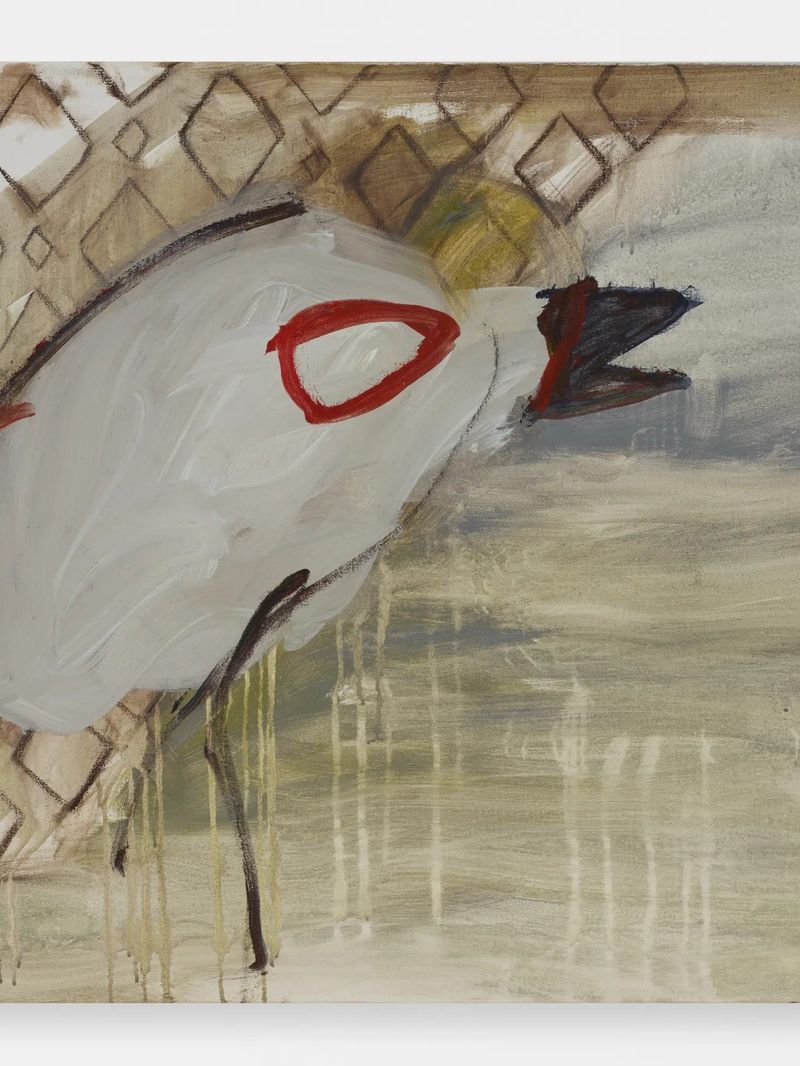
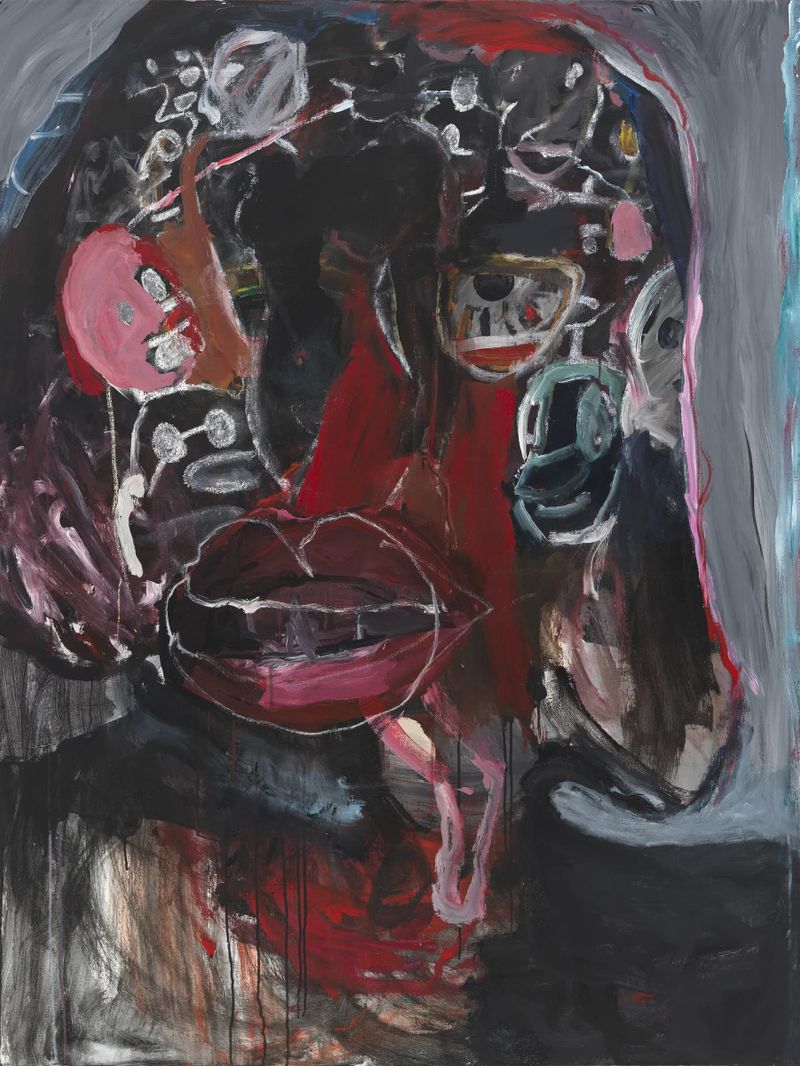
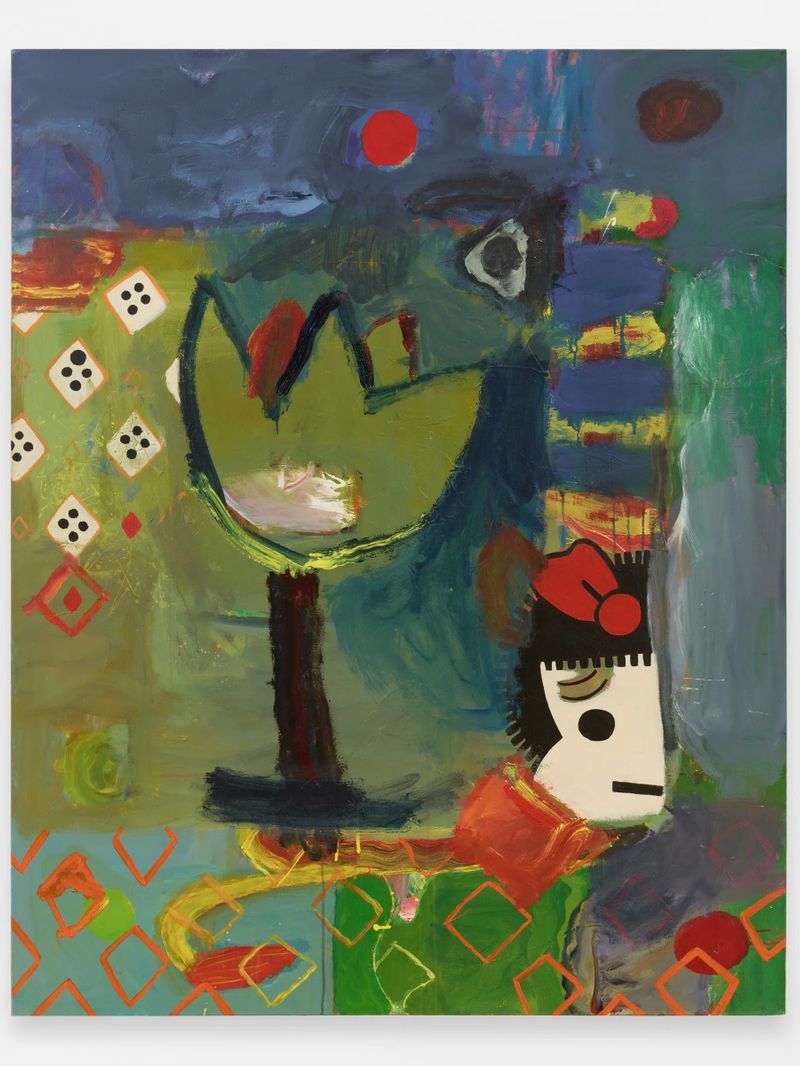
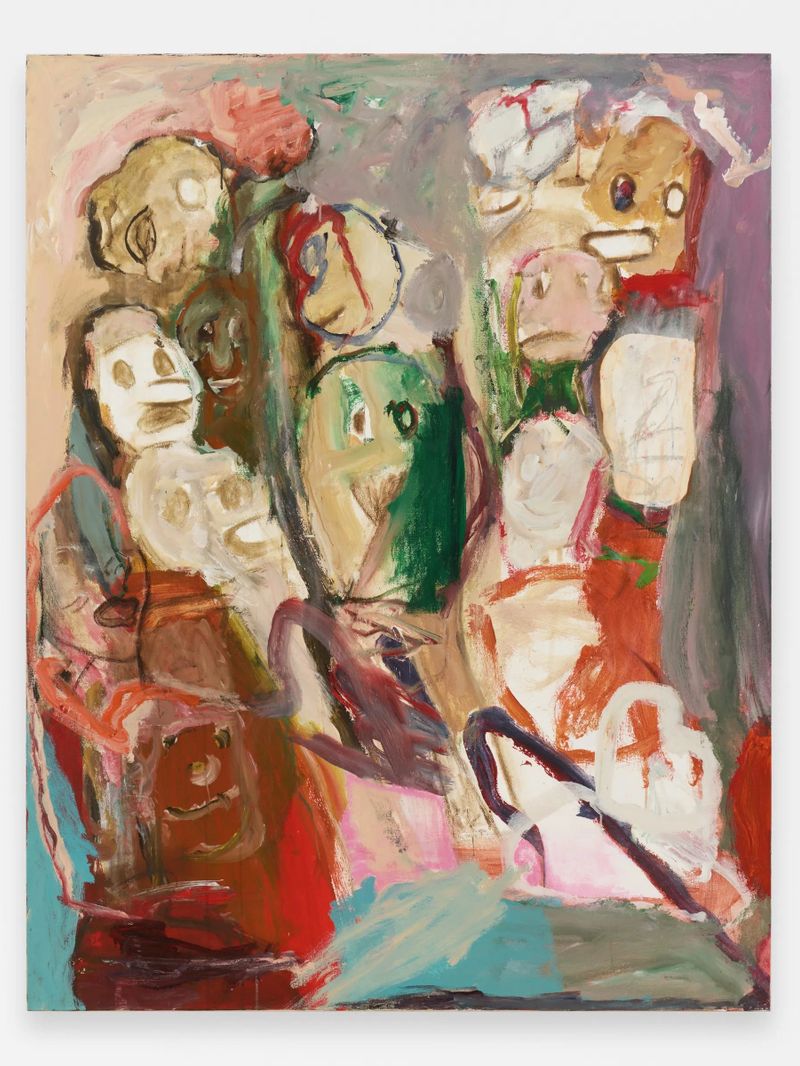
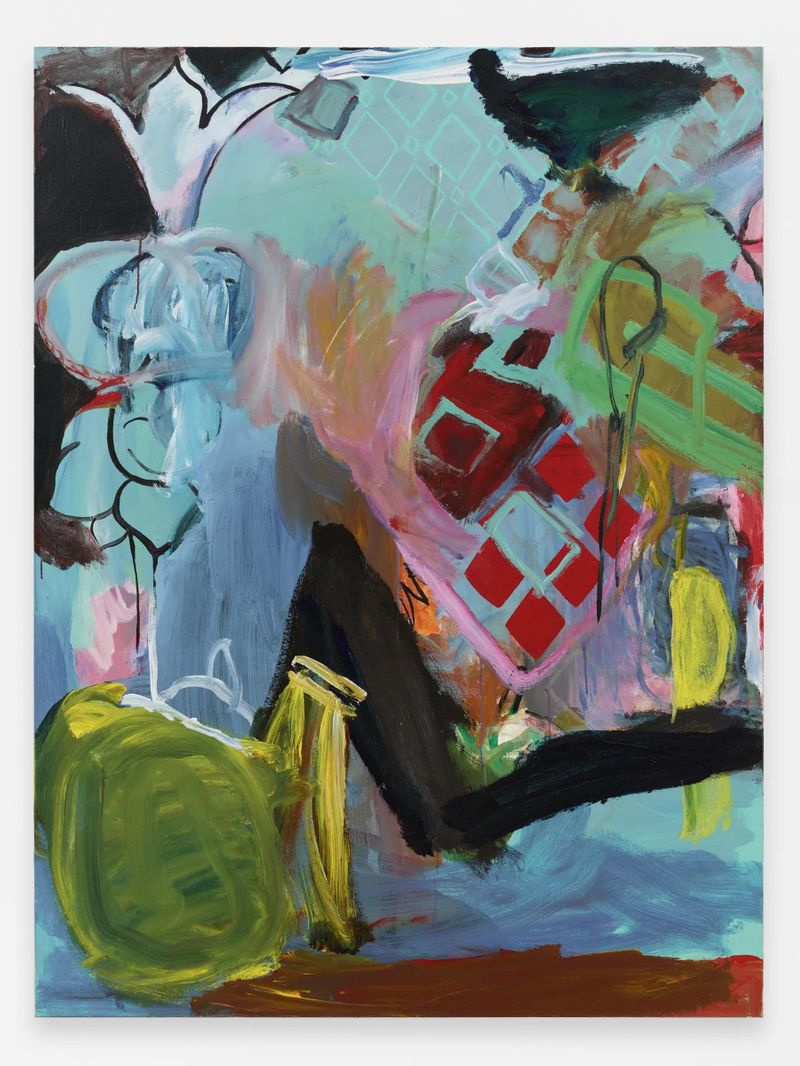
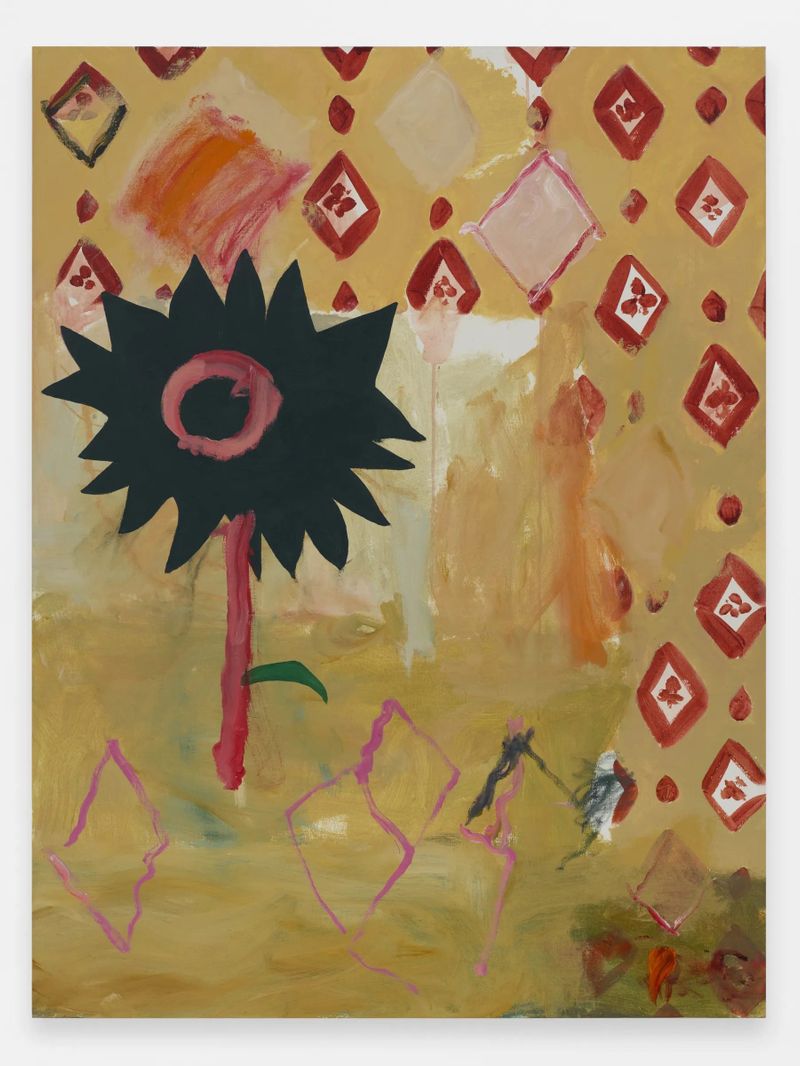
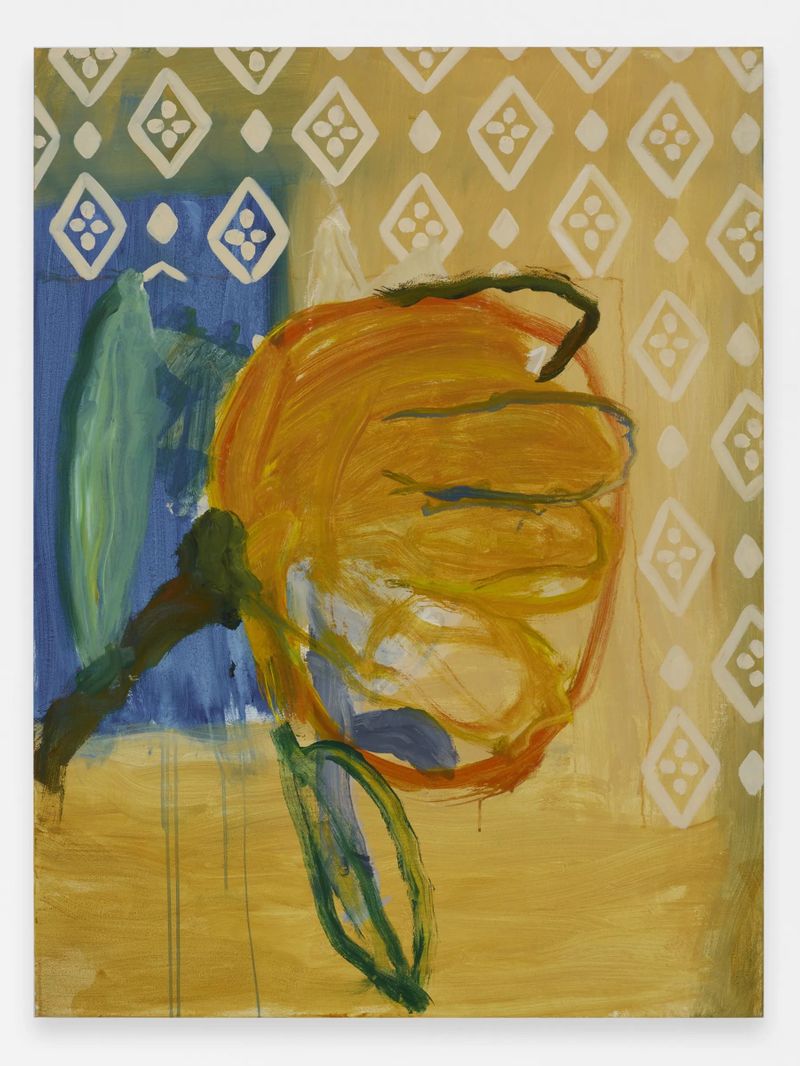
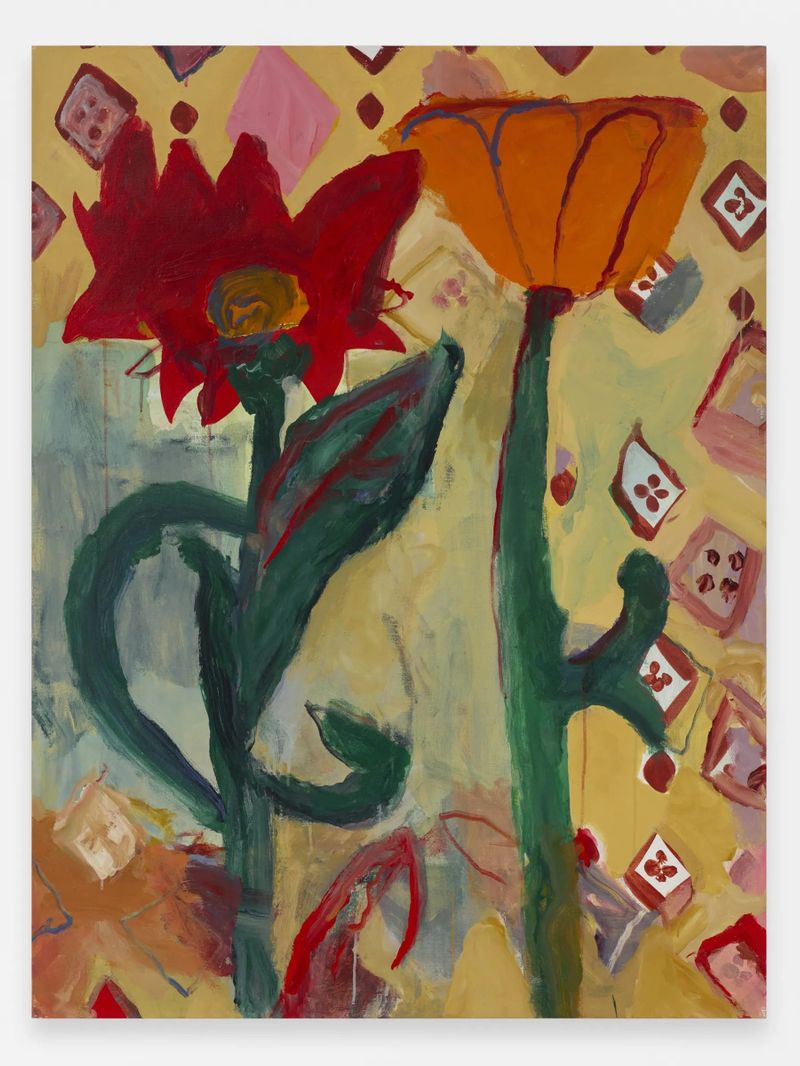
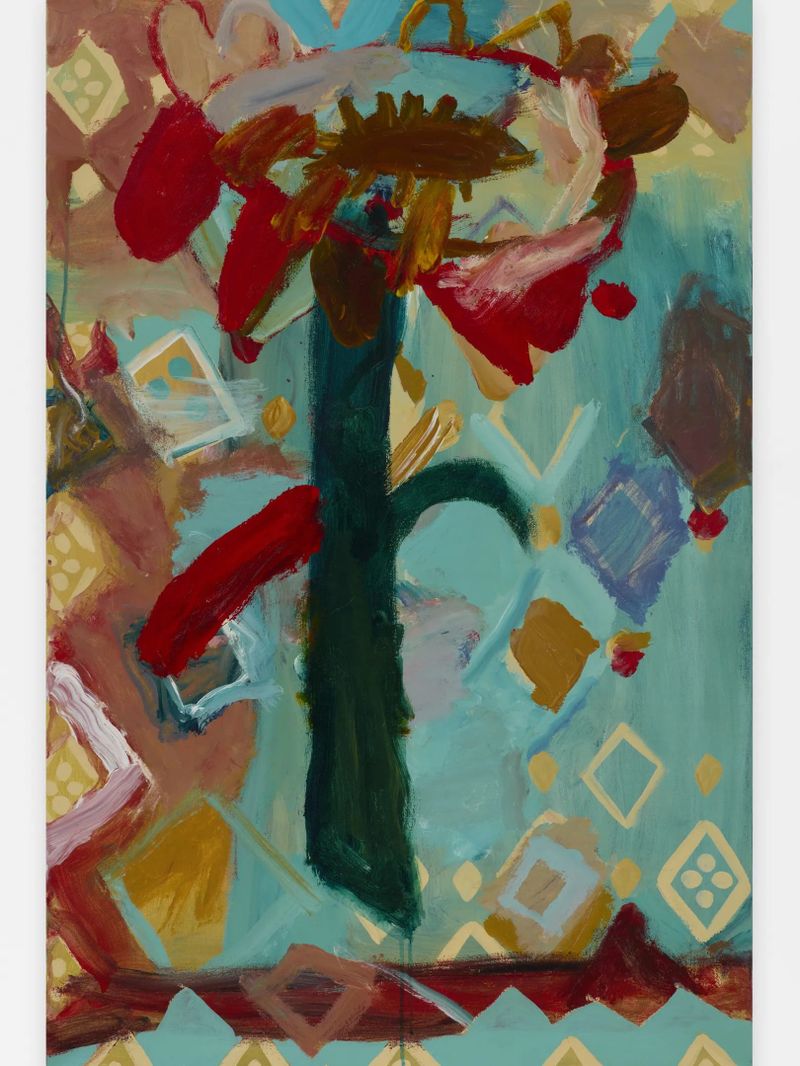
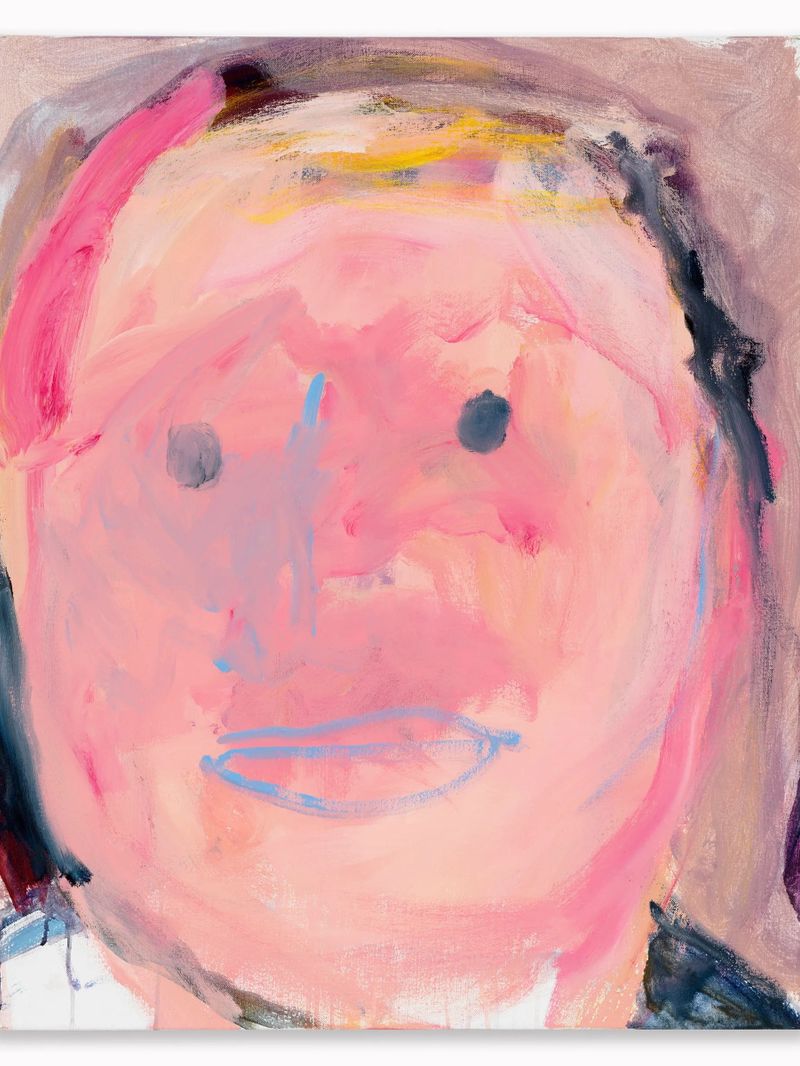
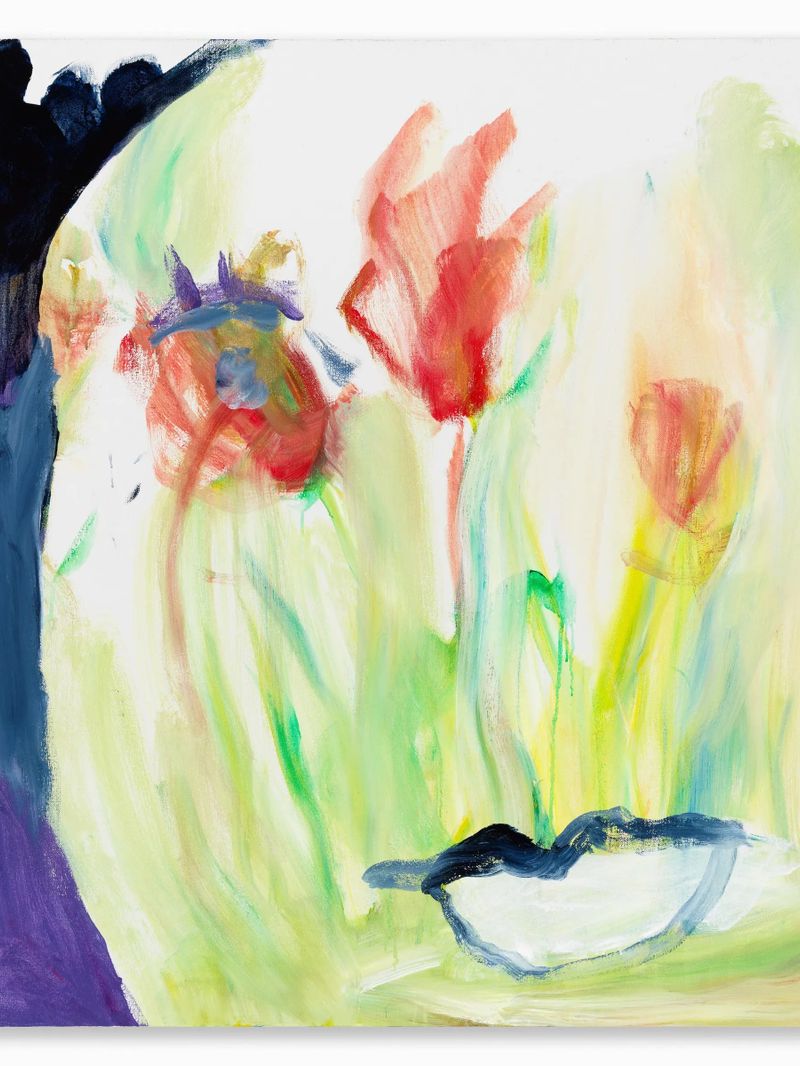
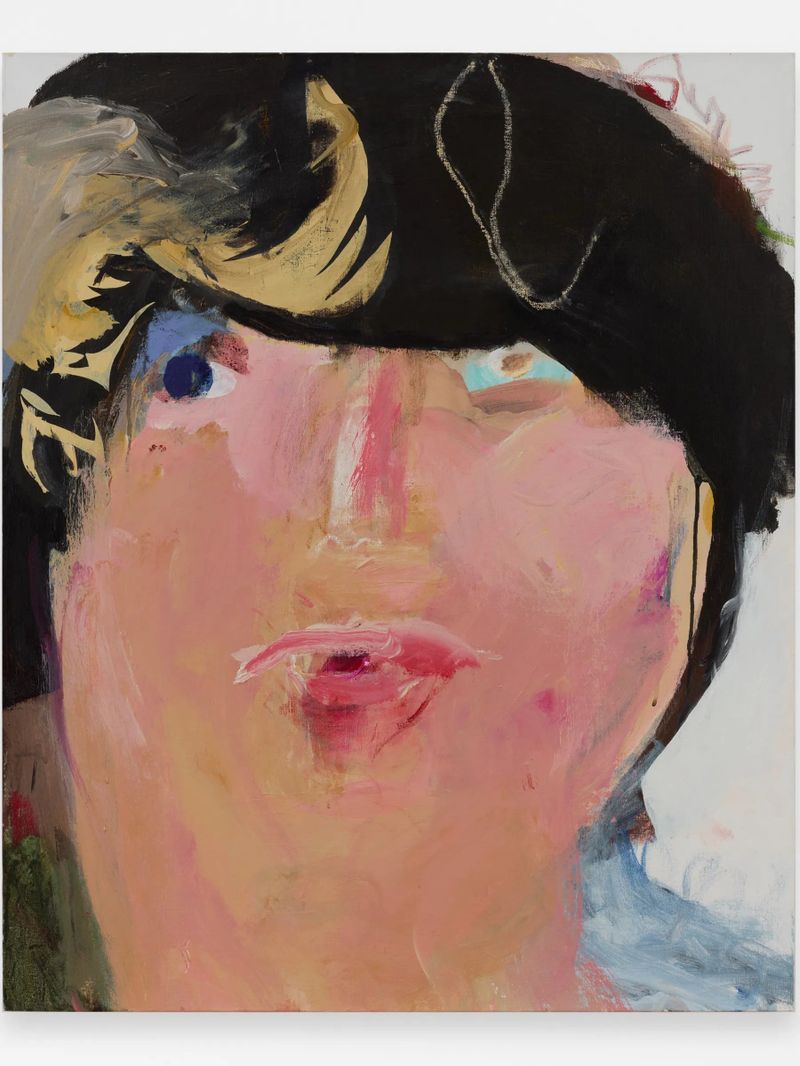
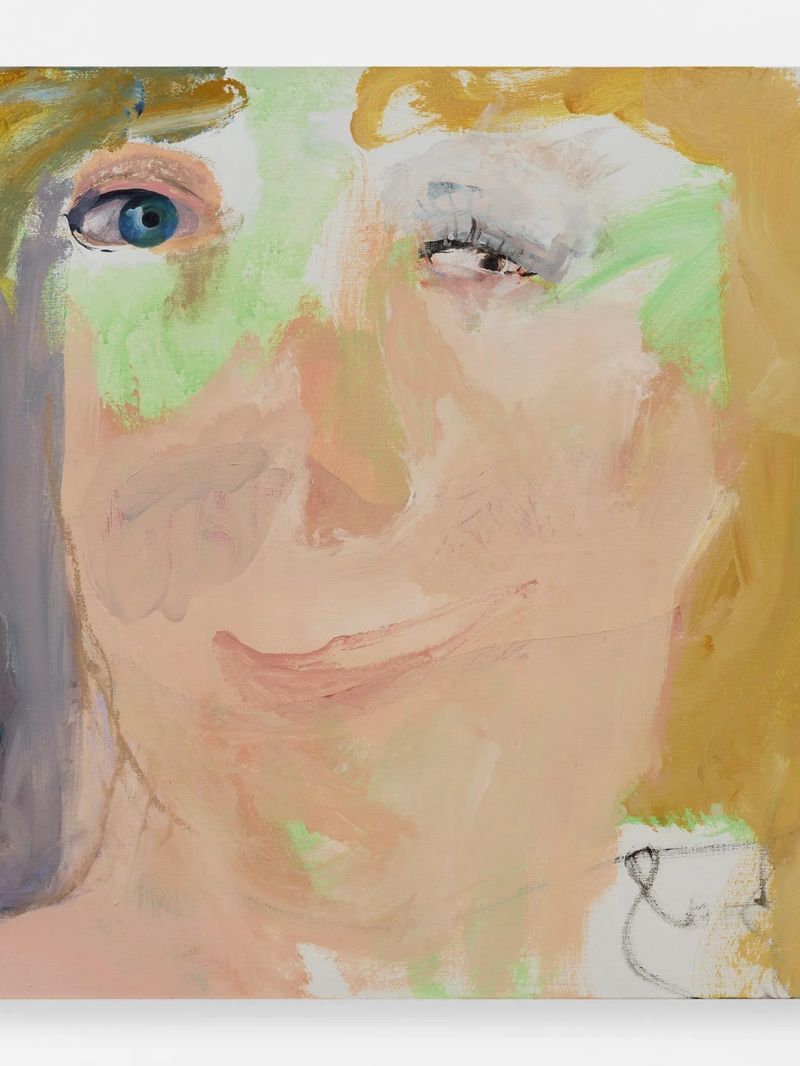
On the other hand is Margot Bergman's fifth solo exhibition in New York. It reunites a group of paintings made between 2012 and 2014, never before shown in the city, to accompany and contextualize a selection of large-scale portraits created between 2015 and 2019. From the mid-1990s until the late 2000s, paintings by unknown artists bought in Chicago thrift shops served as the starting point for Bergman's uncanny portraits. Working by instinct, she painted into these existing landscapes and still lifes to reveal faces within them—contouring a head out of a clearing in the woods or an arrangement of flowers, or nudging details such as barns and vases into eyes and red lips. As this practice sharpened her ability to see, she began to long for more freedom. In 2012 she set her collection of thrift-store paintings aside and turned to blank canvases. The tabula rasa, and the freedom to choose any scale she wished, encouraged a more expressionistic handling of paint, unbound by and unprompted by any existing marks. Working alone in a studio in the woods, Bergman gave free rein to her rule-breaking tendencies and wicked sense of humor. Like the jazz musicians she loves, she riffed—plotting meandering lines like slurred notes and launching into flights of repeated pattern. Elements of the outdoors filtered in: flowers, horizon lines, lattices, sunshine yellow, grass green, and moonlight blue. She created a pictorial space all her own, in which shapes morph between plants, animals, and figures. In Parade, two flowers stand in contrapposto as if deep in conversation; in Candy Man, a cartoon hand offers a lollipop to a smiling plant; and in Lucky Lady, a recurring diamond pattern turns into dice. Over the following two years Bergman moved into more surreal territory, as in Hunger, where a curious group of onlookers surrounds a floating pair of lips. A breakthrough came with Gloria, a face built out of faces, which became the bridge to the large-scale portraits of imagined women that dominated her output from 2015 to 2019. In these later works, the faces are large, loose, and emotionally raw. Bergman shifts deftly between styles within a single composition, pairing photorealistic eyes and mouths with a scribbled green hairdo and a thin wash of color for the complexion, creating distorted beauties reminiscent of Dada collage. White primed canvas shows through beneath her graffiti-like marks, revealing the immediacy of the image. Unlike the earlier works, there are no layers of paint to conceal splatters or revisions; irregularities matter, and may even be embellished. Bergman's women are frozen in a state of flux, somewhere between forming and unraveling. The most recent work in the exhibition, Pupa (2019), whose features dissolve into the faint suggestion of a floral bouquet, nods to this idea. Completion and perfection are foreign to her practice: each painting is left with a loose thread, so that the soul can wander and the artist can carry on.