
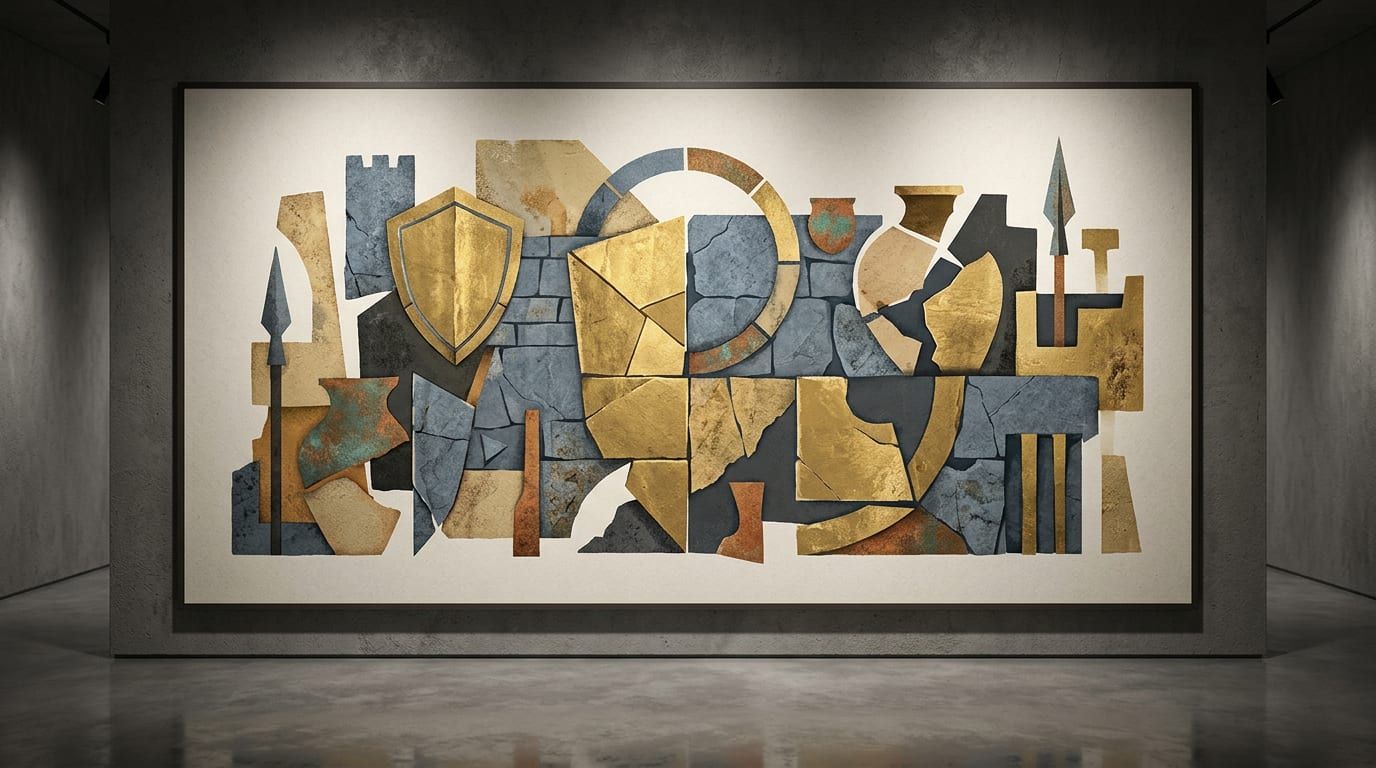
Paris · France
France Unveils National Security Framework for Cultural Institutions
Minister Catherine Pégard outlines 33-point strategy following recent high-profile museum robberies
A National Response to Rising Museum Heists
Cultural officials in France have launched a comprehensive safeguarding strategy following a series of brazen robberies targeting institutional collections across the country. On Monday, Culture Minister Catherine Pégard presented a newly drafted security framework designed to fortify heritage sites against escalating criminal activity. The announcement addresses a growing vulnerability within both major metropolitan venues and smaller regional establishments, particularly those housing precious metalwork and gemstones.
Security Strategies and Institutional Debates
A fresh incident took place on Thursday, 23 July, at the Musée du Pays Châtillonnais in Burgundy. Perpetrators shattered a display cabinet before a public audience and removed a fifth-century BCE gold torque known as the Lady of Vix. Weighing approximately half a kilogram, this artefact originated from a Celtic royal burial uncovered during excavations in 1953. Authorities have detained one individual, though investigators have withheld specific case details. Similar breaches have recently impacted the Lalique museum in Alsace and the Musée du Hiéron in central France. These events echo the October 2025 robbery at the Louvre, where royal regalia were extracted from the Apollo Gallery.
Funding and Future Protections
In response to the mounting crisis, Pégard confirmed that over three thousand cultural landmarks and ecclesiastical buildings have now been classified as high-priority locations. The government has allocated thirty million euros across a three-year period to upgrade protective infrastructure at municipal institutions. Despite these investments, the minister acknowledged that absolute protection remains unattainable. Regional facilities have already attempted independent countermeasures. The Châtillonnais museum invested one hundred and fifty thousand euros over two years to strengthen perimeter defences and deploy surveillance equipment, yet thieves ultimately opted for a conspicuous daytime operation. Meanwhile, Dominique Garcia, head of France's National Institute for Preventive Archaeological Research, has advocated for storing original precious items in vaults and exhibiting high-fidelity replicas. Louvre leadership has similarly adjusted public access, with director Christophe Leribault reopening the Apollo Gallery on 22 July without its original gemstone holdings. Pégard firmly rejected the widespread substitution of authentic pieces with reproductions, emphasising that masterpieces must remain accessible to the public. She also dismissed proposals to station armed personnel within galleries, favouring a more nuanced approach. The unveiled framework comprises thirty-three distinct protocols, ranging from architectural reinforcements to specialised staff education. Central to the initiative is the commitment to prioritise collection preservation while tailoring interventions to specific institutional contexts.
The financial burden of upgrading security infrastructure falls disproportionately on regional institutions, which often operate with limited administrative resources. While the central government's thirty-million-euro allocation provides a vital foundation, local directors must still navigate complex procurement processes and integrate advanced monitoring systems without disrupting daily operations. The rejection of armed guards reflects a pragmatic recognition that visible weaponry can alter the visitor experience and potentially attract further attention. Instead, the ministry emphasises preventive architecture, such as reinforced glazing and biometric access controls, alongside comprehensive staff training. This shift towards passive defences and procedural rigour suggests a long-term recalibration of how cultural heritage is managed in an era of sophisticated criminal syndicates.
Museums mentioned
Exhibitions mentioned
Related reading
Monet's Monumental 'Iris' Commands €50m in Paris
A landmark auction results in a new domestic benchmark for Impressionist masterworks
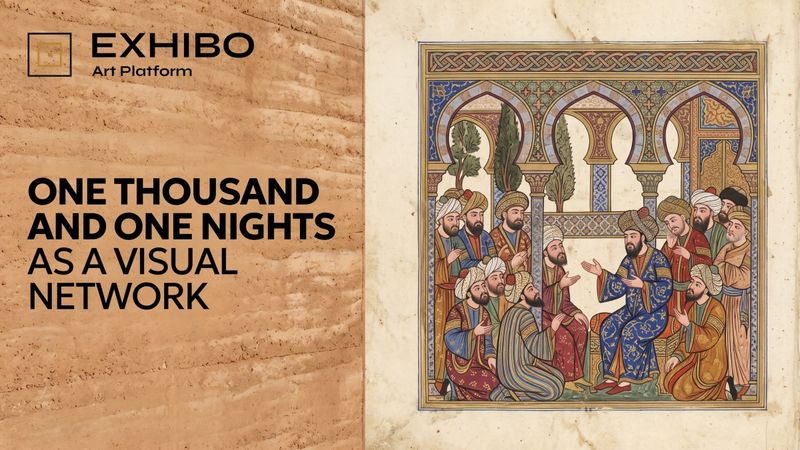
One Thousand and One Nights as a Visual Network
The book that taught Europe to picture the East arrived with no pictures at all. Three centuries of illustrators — Dutch, Egyptian, Persian, French, German, Iraqi — each gave it a face, and every face was a self-portrait.
Gustave Fayet: Collector—Artist Designer
A comprehensive survey at the Fondation Louis Vuitton reuniting collected masterpieces with the designer's own studio practice.