
Gwangju · South Korea
OCAD University Brings Kanien'kehá:ka-Led Pavilion to 2026 Gwangju Biennale
Skennen'kó:wa ken? (Do You Carry Great Peace?) features Shelley Niro, Melissa General, and Hannah Claus at the Canada Pavilion
Indigenous Art Takes Centre Stage at Asia's Premier Biennale
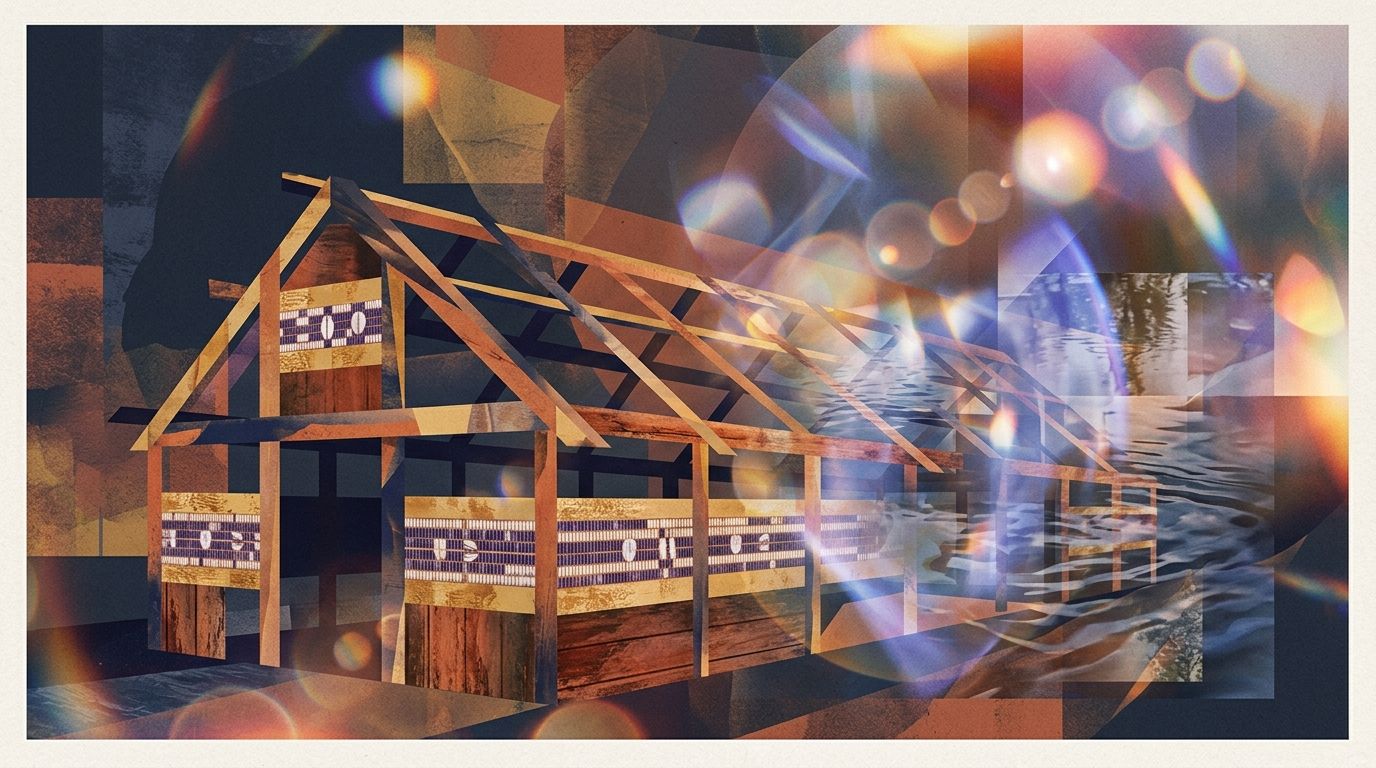
OCAD University is preparing to present a Kanien'kehá:ka-led exhibition at the Canada Pavilion during the 2026 Gwangju Biennale in South Korea, running from 5 September to 15 November 2026. The presentation, titled Skennen'kó:wa ken? (Do You Carry Great Peace?), will occupy the Lee KangHa Art Museum and showcase work by acclaimed Kanien'kehá:ka artists and OCAD University alumni Shelley Niro, Melissa General, and Hannah Claus.
Curated by Ryan Rice, executive director and curator of Indigenous Art at Onsite Gallery — OCAD University's professional exhibition space — the pavilion highlights the global reach and continued evolution of Indigenous contemporary art. It also underscores the Toronto-based institution's growing role in advancing Indigenous artistic and curatorial practices on the international stage.
A Curatorial Premise Rooted in Peace
The exhibition's title draws from a daily Kanien'kehá:ka greeting that affirms mutual recognition and respect, reflecting foundational values of the Haudenosaunee Confederacy, widely regarded as the oldest continuous democracy in the Americas. Rice notes that this philosophical and generational duty of peace resonates with the Biennale's overarching theme, articulated by Artistic Director Ho Tzu Nyen: You Must Change Your Life, which examines how transformation occurs not only through dramatic historical ruptures but also through quiet, continuous shifts in everyday existence.
The interdisciplinary presentation brings together photography, video, sculpture, and installation, with each artist's practice grounded in Kanien'kehá:ka teachings of peace. Centring the political, cultural, and spiritual roles of Haudenosaunee women, the pavilion foregrounds rematriation — Indigenous women-led efforts to restore intergenerational relationships to ancestral lands, waters, and cultural knowledge — while exploring continuity and self-governance through contemporary artistic practice.
Gwangju's History as Context
The choice of Gwangju as a host city carries particular weight. The city is synonymous with democratic resistance and collective action following the 1980 Gwangju Uprising. Positioned within this charged historical landscape, the exhibition aims to foster dialogue between Indigenous governance philosophies, Haudenosaunee worldviews, and broader global movements for justice and renewal.
Ana Serrano, president and vice-chancellor of OCAD University, described the opportunity as a privilege: "OCAD University is honoured to help amplify Indigenous voices on one of the world's most important contemporary art stages." She added that the exhibition reflects "the power, innovation and global resonance of Indigenous contemporary art" while affirming the university's commitment to advancing Indigenous artistic and curatorial leadership through international collaboration.
Lee Sun, chief curator at the Lee KangHa Art Museum and partner curator for the Canada Pavilion, commented that the project contributes to redefining the international standing of arts and culture between Korea and Canada, while highlighting the participation of Kanien'kehá:ka artists. "It is our hope that artists, cultural administrators, and a wide range of art professionals in both countries will, through mutual support and collaboration, foster closer and deeper connections," Sun stated.
Marking 150 Years
The exhibition coincides with OCAD University's 150th anniversary year-long celebrations, set to launch in October 2026. The milestone adds further institutional significance to the pavilion, positioning it as both a commemorative gesture and a forward-looking statement about the university's evolving relationship with Indigenous art and knowledge systems.
The Canada Pavilion is generously sponsored by former OCAD University Board member David Binet and supported by OCAD University, Onsite Gallery, and the Canadian Embassy in Seoul, presented in collaboration with the Lee KangHa Art Museum.
Galleries mentioned
Related reading
M+M: The Day of the Mantis at the 16th Gwangju Biennale
Luxembourg Pavilion's immersive insect-centric film trilogy explores ecological anxiety and non-human perspectives
A new cinematic installation by Marc Weis and Martin De Mattia refracts contemporary unease through the eyes of arthropods at South Korea's premier contemporary art festival.
Birke Gorm: the evening and the morning and the night at the Gwangju Biennale
Austria's national pavilion reimagines a museum loft as a living archive of repurposed sculpture and hidden histories.
The Austrian Pavilion transforms an upper-floor gallery into a tactile attic, exploring material memory and marginalised narratives through sculpture and sound.
Vibe Era: Contemporary Abstraction and the Rise of Atmosphere
How four artists reframe non-representational practice through organic process and visual mutation
The Ilmin Museum of Art's latest survey examines how contemporary abstraction navigates the tension between historical legacy and algorithmic generation.