
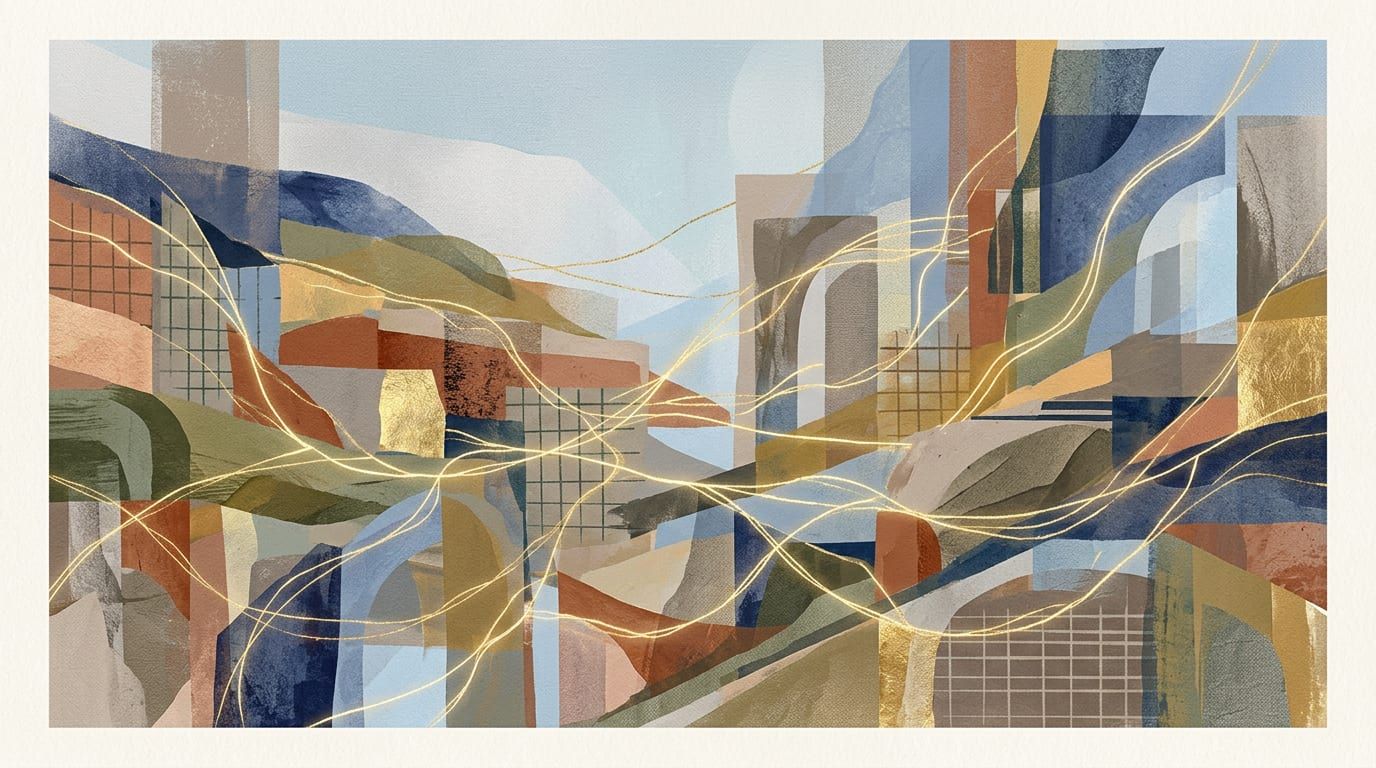
Hiroshima · Japan
Mel Chin Wins 12th Hiroshima Art Prize in Landmark Survey
Hiroshima MOCA presents the artist's first Japanese solo exhibition through October 2026.
A Peace-Fuelled Legacy
Established in 1989, the Hiroshima Art Prize emerged from a city forever marked by history. Awarded triennially, it seeks to project the so-called Spirit of Hiroshima—its yearning for enduring global peace and human flourishing—through the lens of contemporary art. This year's laureate, American artist Mel Chin, receives the twelfth iteration of the honour.
Confronting Crises Through Creative Inquiry
Born in 1951, Chin has built a practice rooted in rigorous engagement with urgent societal concerns. Environmental degradation, political injustice, and systemic inequality recur throughout his oeuvre, which spans sculpture, drawing, video, animation, and even interactive gaming. What distinguishes his approach is a refusal to remain confined by medium or message; instead, he collaborates with scientists, activists, and local communities to forge works that blur the boundaries between art and activism.
His projects often unfold over years, evolving through research and dialogue. From revitalising contaminated landscapes to designing speculative technologies, Chin treats creativity as both mirror and catalyst for change. His work demands participation, provoking viewers to reconsider their roles within broader systems of power and responsibility.
Japan Debut at Hiroshima MOCA
The upcoming exhibition at the Hiroshima City Museum of Contemporary Art marks Chin's first solo show in Japan. Running from 25 July to 12 October 2026, it offers a comprehensive look at his trajectory while introducing new pieces conceived specifically for this site. These additions respond directly to Hiroshima's symbolic resonance, weaving local memory into the artist's ongoing exploration of trauma, resilience, and renewal.
Organisers describe the display as more than a retrospective—it functions as a call to action. By juxtaposing earlier landmark installations with recent interventions, the show underscores how artistic expression can kindle personal reflection and collective awakening. Visitors are invited not merely to observe but to engage, question, and perhaps act.
Continuing a Tradition of Dissent
Previous winners of the Hiroshima Art Prize have similarly used their platforms to challenge orthodoxy. Among them: Issey Miyake (fashion as philosophy), Robert Rauschenberg (interdisciplinary innovation), Nancy Spero and Leon Golub (political critique), Krzysztof Wodiczko (public space and migration), Daniel Libeskind (architectural memory), Shirin Neshat (gender and exile), Cai Guo-Qiang (cultural exchange via spectacle), Yoko Ono (conceptual peace activism), Doris Salcedo (violence and loss), Mona Hatoum (displacement and identity), and Alfredo Jaar (media ethics and human rights).
Each recipient has expanded the scope of what art can achieve beyond the studio. With Chin joining their ranks, the 12th Hiroshima Art Prize reaffirms its commitment to artists who dare to imagine alternative futures—and who inspire others to help build them.
Galleries mentioned
Related reading
Hockney and Wu Guanzhong in Dialogue at Christie's Hong Kong
A pioneering non-selling exhibition explores shared landscapes and cross-cultural influences
M+M: The Day of the Mantis at the 16th Gwangju Biennale
Luxembourg Pavilion's immersive insect-centric film trilogy explores ecological anxiety and non-human perspectives
Birke Gorm: the evening and the morning and the night at the Gwangju Biennale
Austria's national pavilion reimagines a museum loft as a living archive of repurposed sculpture and hidden histories.